Official source links
Consult TİTCK, ICH, EMA, FDA and the applicable official guidance.
Dates and effective requirements
Publication, update and available source-check dates are shown separately.
Study-specific assessment
Check each guide against your submission type and current authority requirements.
Clinical research guides
500 distinct topics available in English
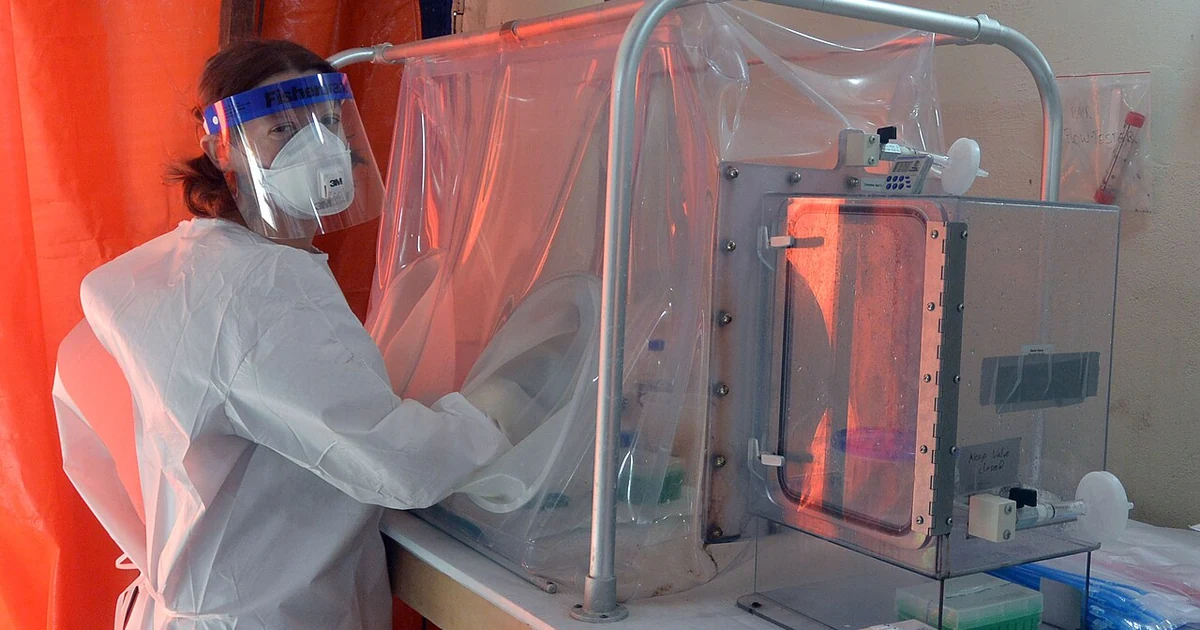
Photo: NIAID · License: CC BY 2.0 · Cropped and resized. Aligning Target Population and Eligibility
Study Design and Biostatistics
The people a trial aims to inform and the people a site can actually screen may differ
Published:

Photo: Centers for Disease Control and Prevention (CDC) · License: Public domain · Cropped and resized. Uncertainty in Control Event Rate Assumptions
Study Design and Biostatistics
A control event rate used in sample size planning is an assumption, not a fixed fact
Published:

Photo: National Center for Advancing Translational Sciences · License: Public domain · Cropped and resized. Defining the Baseline Measurement Window
Study Design and Biostatistics
Baseline is more than a column label
Published:
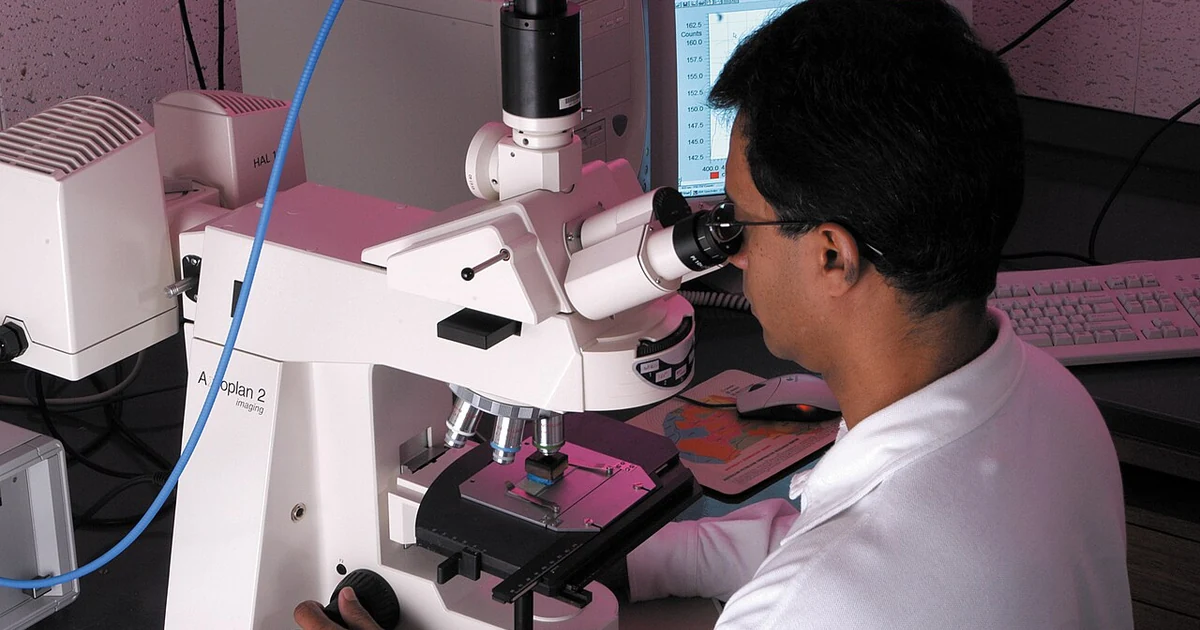
Photo: Chris Taylor, CSIRO · License: CC BY 3.0 · Cropped and resized. Justifying the Number of Randomisation Strata
Study Design and Biostatistics
Stratified randomisation can account for important baseline characteristics
Published:
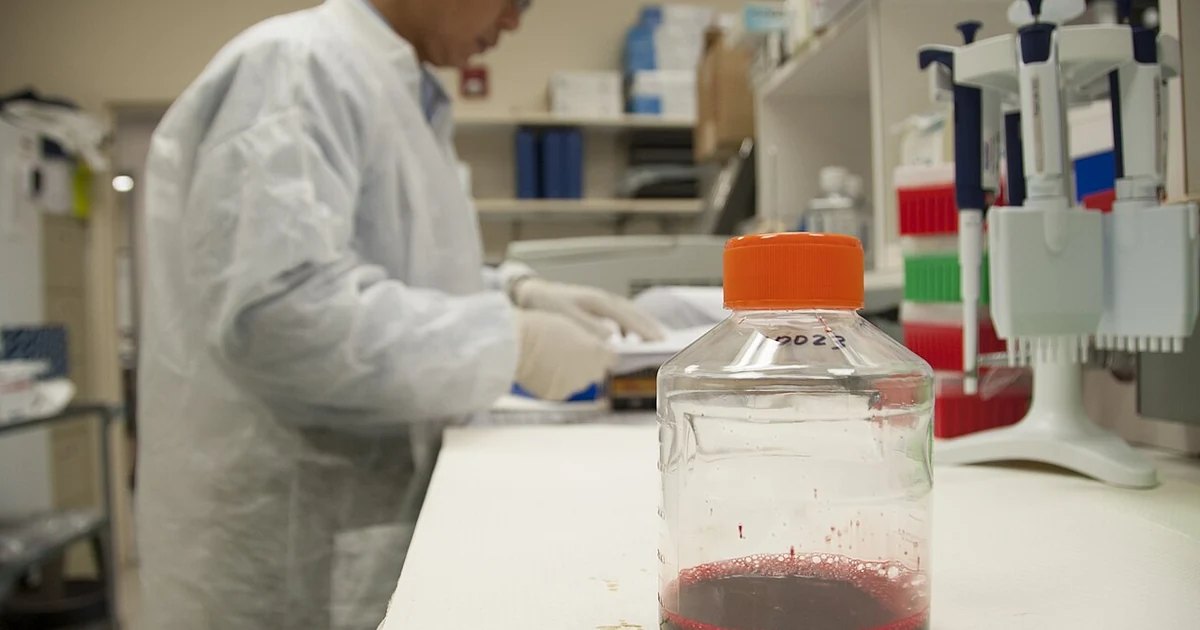
Photo: The U.S. Food and Drug Administration · License: Public domain · Cropped and resized. Protecting Allocation Concealment Before Randomisation
Study Design and Biostatistics
Allocation concealment aims to prevent knowledge of the next assignment from influencing participant selection
Published:

Photo: Bill Branson (Photographer) · License: Public domain · Cropped and resized. Examining Predictability in Block Randomisation
Study Design and Biostatistics
Block randomisation can help control arm sizes, but small known blocks may make future assignments easier to predict
Published:

Photo: NIDA(NIH) · License: Public domain · Cropped and resized. Confirming Eligibility Before Randomisation
Study Design and Biostatistics
Treating randomisation as an unavoidable system step can conceal incomplete eligibility decisions
Published:
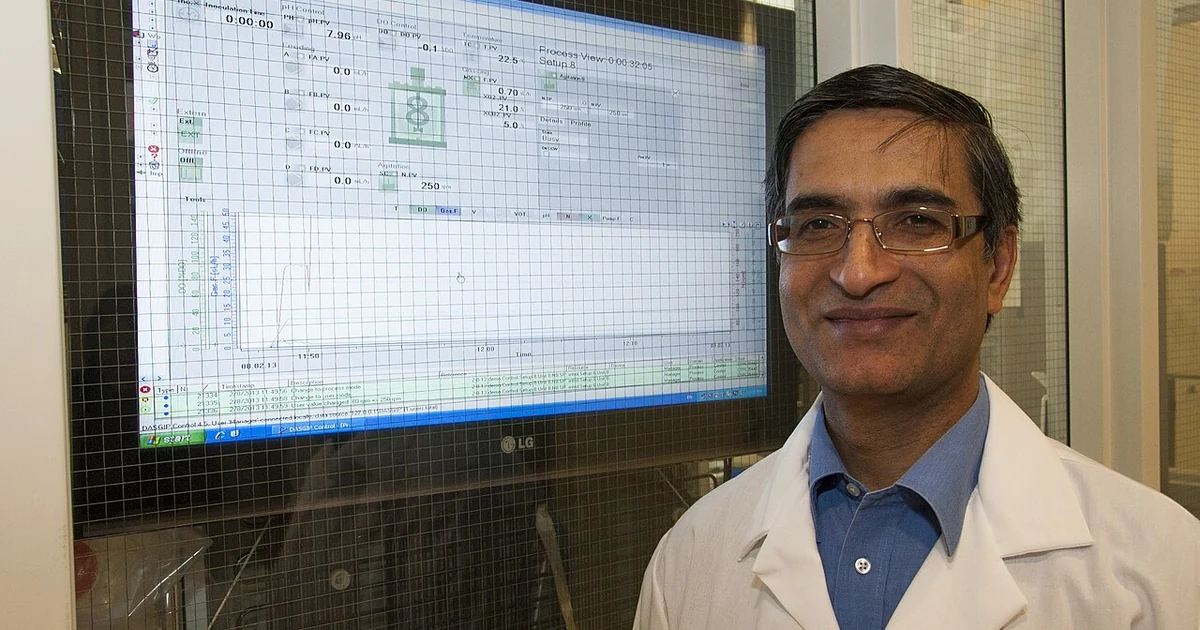
Photo: The U.S. Food and Drug Administration · License: Public domain · Cropped and resized. Choosing the Primary Endpoint Assessment Time
Study Design and Biostatistics
The same measurement at different weeks can answer different scientific questions
Published:
Photo: The U.S. Food and Drug Administration · License: Public domain · Cropped and resized. Handling Endpoint Observations Outside Visit Windows
Study Design and Biostatistics
An assessment outside its window is not identical to missing data
Published:
Photo: NIH History Office from Bethesda · License: Public domain · Cropped and resized. Measurement Method Changes in Repeated Assessments
Study Design and Biostatistics
When the measurement method changes during follow-up, an observed difference may not solely reflect a change in the participant
Published:
Photo: Unknown photographer · License: Public domain · Cropped and resized. The Cost of Dichotomising a Continuous Endpoint
Study Design and Biostatistics
Converting a continuous measurement into success or failure may simplify presentation, but can discard information and exaggerate small differences near a…
Published:
Photo: John Mbenguè · License: CC BY-SA 4.0 · Cropped and resized. Prespecifying a Responder Threshold
Study Design and Biostatistics
A responder definition becomes interpretable when its assessment time and change threshold are stated together
Published:
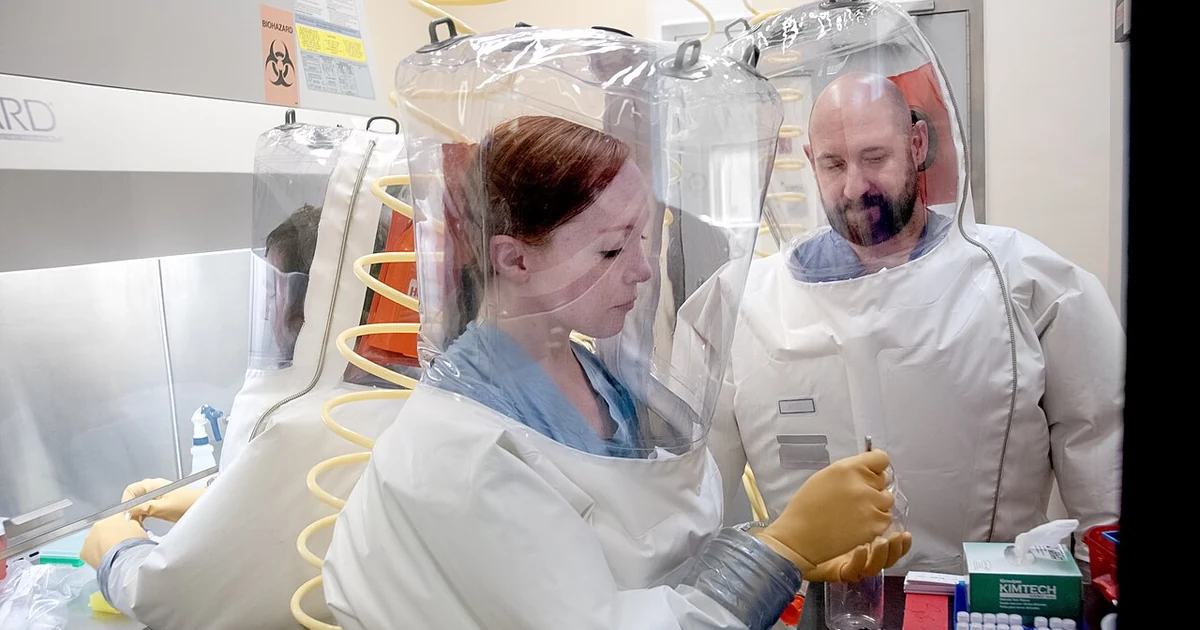
Photo: NIAID · License: CC BY 2.0 · Cropped and resized. Interpreting the Components of a Composite Endpoint
Study Design and Biostatistics
A composite endpoint combines several events into one measure
Published:
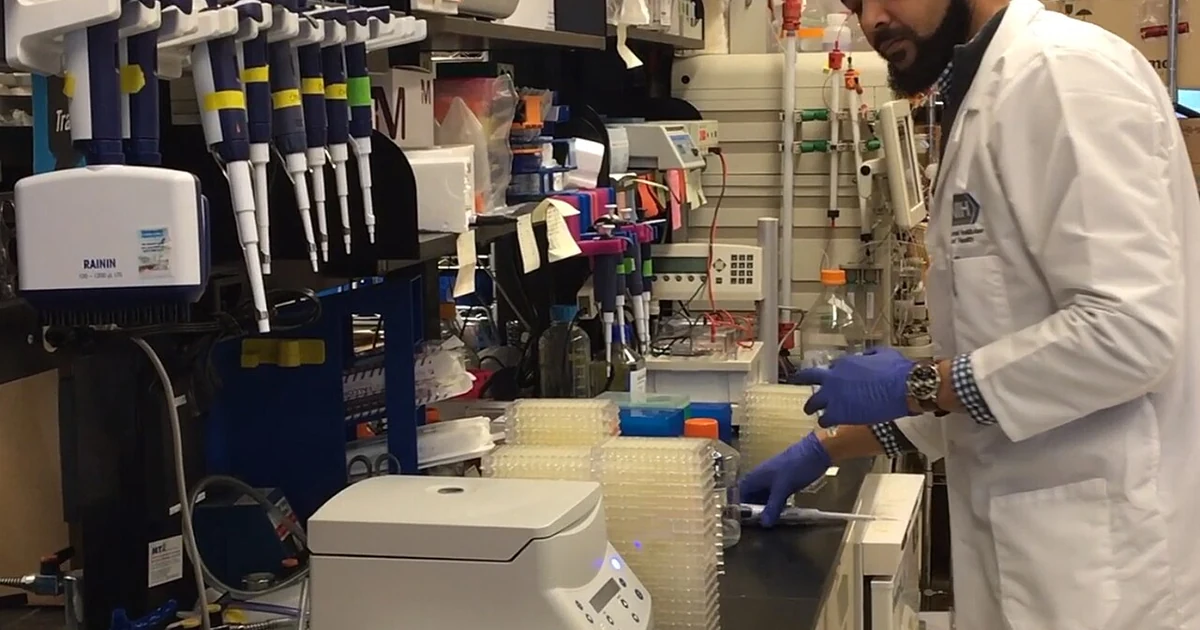
Photo: National Institute of Allergy and Infectious Diseases (NIAID), NIH · License: Public domain · Cropped and resized. Limits of Clinical Claims from Surrogate Endpoints
Study Design and Biostatistics
A change in a biomarker or intermediate measurement is not identical to an outcome describing how participants feel, function or survive
Published:
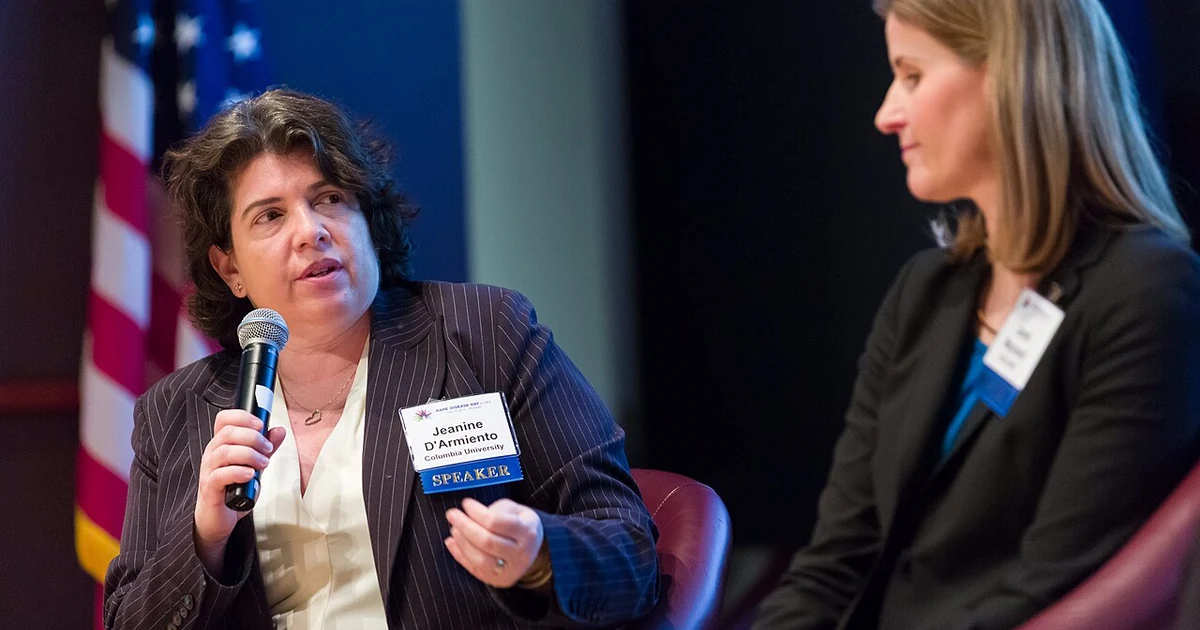
Photo: National Center for Advancing Translational Sciences · License: Public domain · Cropped and resized. Recall Periods in Patient-Reported Measures
Study Design and Biostatistics
Asking about the last day, last week or current state produces different information
Published:
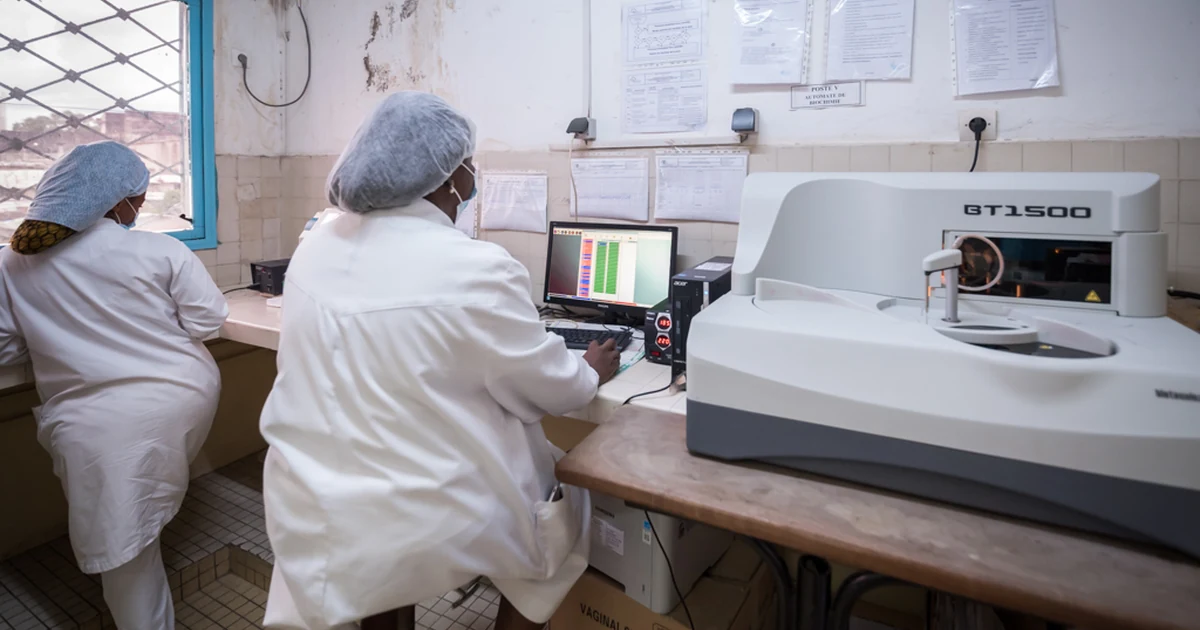
Photo: Max MBAKOP · License: CC BY-SA 4.0 · Cropped and resized. Calibrating Inter-Rater Agreement
Study Design and Biostatistics
When an endpoint relies on human judgement, different assessors should apply its rules consistently
Published:
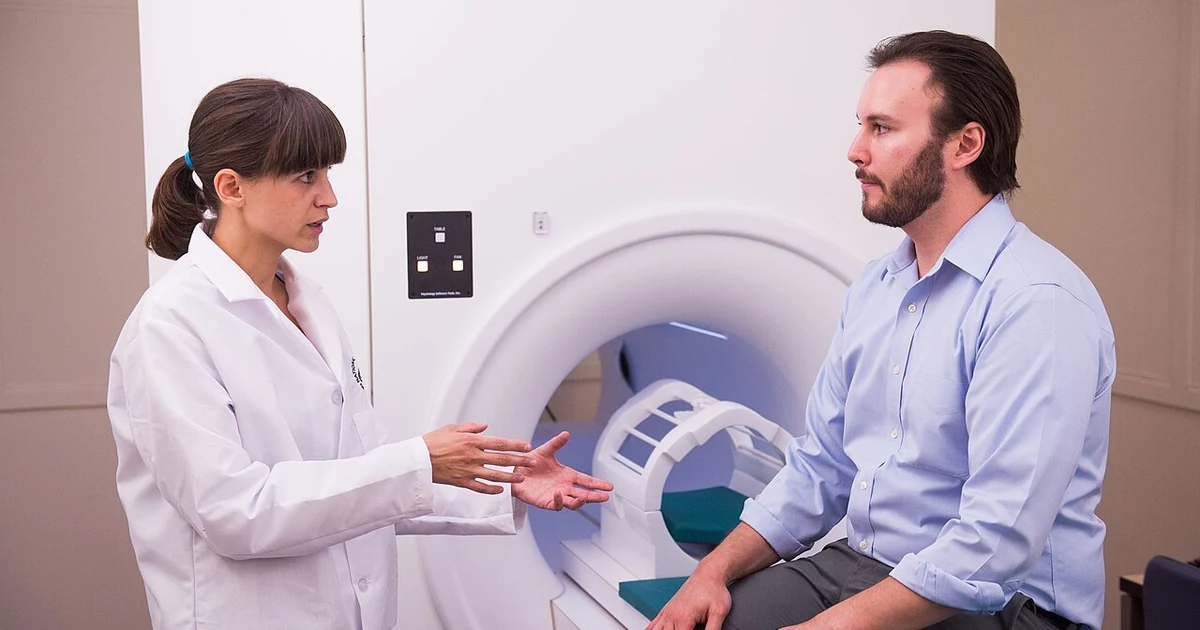
Photo: NIH Image Gallery from Bethesda, Maryland, USA · License: Public domain · Cropped and resized. Controlling Information in Endpoint Adjudication
Study Design and Biostatistics
Independent event review may lose its intended protection if treatment information appears in documents or event packages differ systematically between arms
Published:

Photo: NIDA(NIH) · License: Public domain · Cropped and resized. Competing Events and the Endpoint Question
Study Design and Biostatistics
Some events prevent another event from occurring later or change its interpretation
Published:
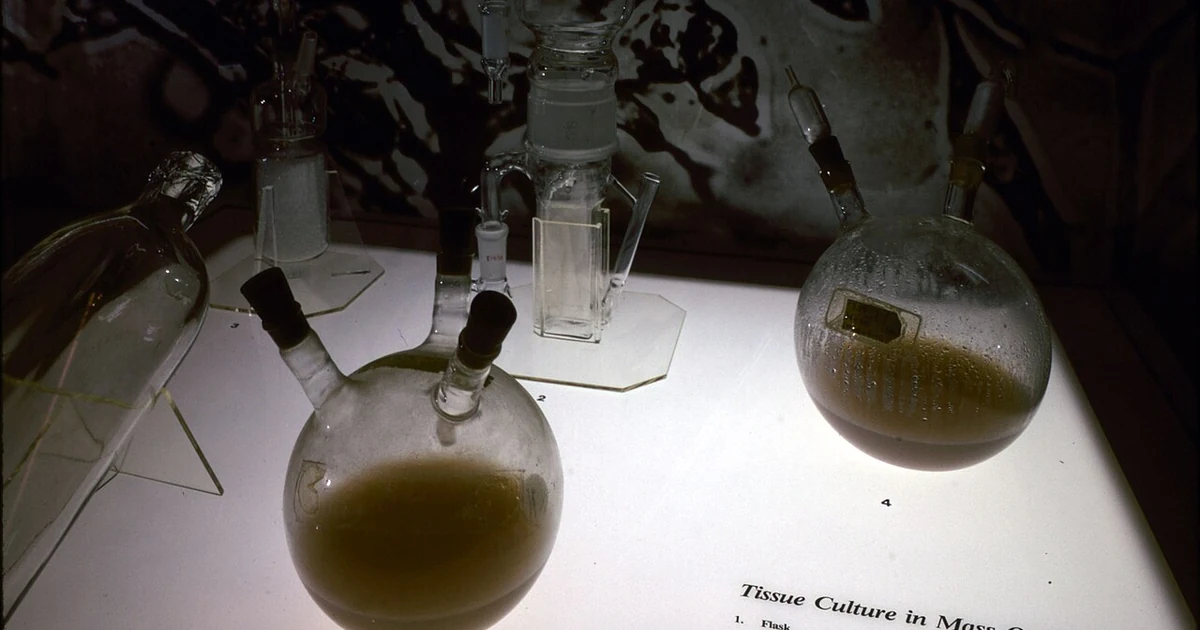
Photo: Unknown photographer · License: Public domain · Cropped and resized. Counting Recurrent Events with Consistent Rules
Study Design and Biostatistics
Whether a participant experiences an event at least once and how often it recurs are different questions
Published:
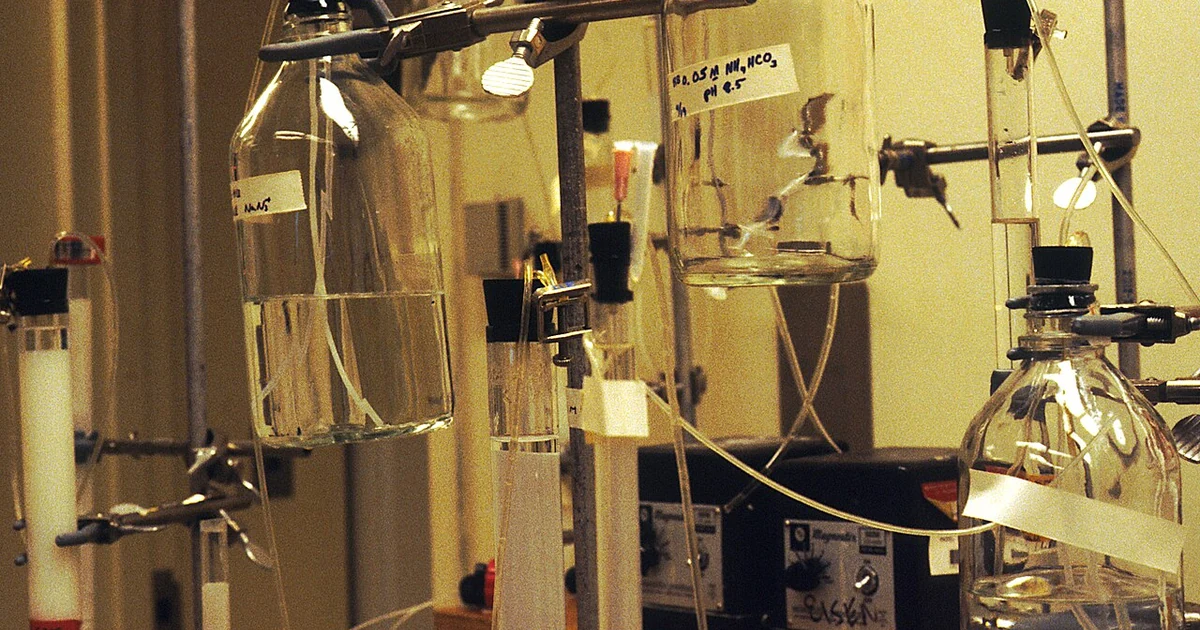
Photo: Linda Bartlett (Potographer) · License: Public domain · Cropped and resized. Defining Time Zero for Time-to-Event Endpoints
Study Design and Biostatistics
Time to an event cannot be interpreted without a clear starting point
Published:
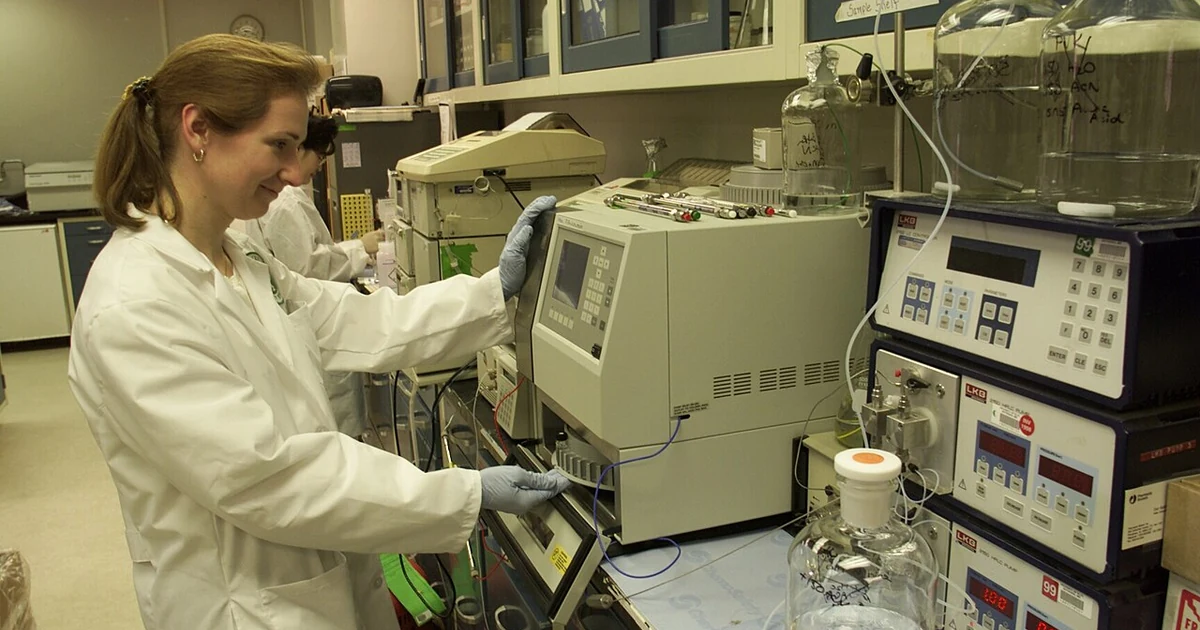
Photo: NIH History Office from Bethesda · License: Public domain · Cropped and resized. Interpreting Confidence Intervals Clinically
Study Design and Biostatistics
A confidence interval is more than a line indicating statistical significance
Published:

Photo: Rhoda Baer (Photographer) · License: Public domain · Cropped and resized. Setting Limits on P-Value Claims
Study Design and Biostatistics
A p-value alone does not describe effect size, clinical importance or the probability that a conclusion is true
Published:
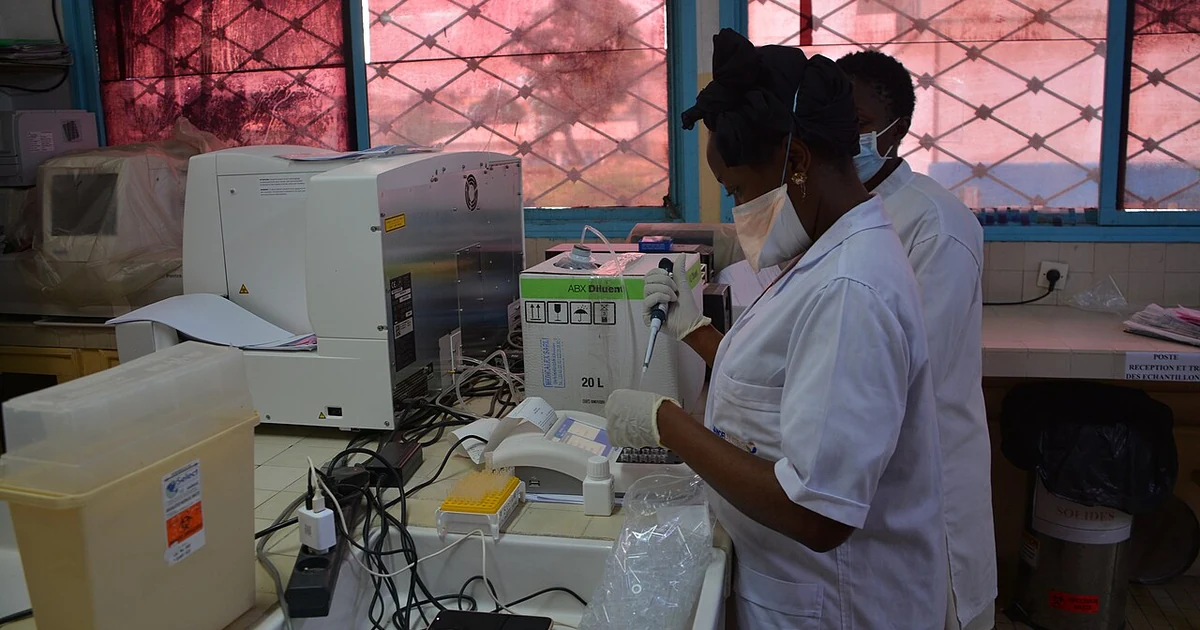
Photo: Happi Raphael · License: CC BY-SA 4.0 · Cropped and resized. Mapping a Multiple-Testing Hierarchy
Study Design and Biostatistics
When several hypotheses support confirmatory claims, test order and error control belong in the design
Published:
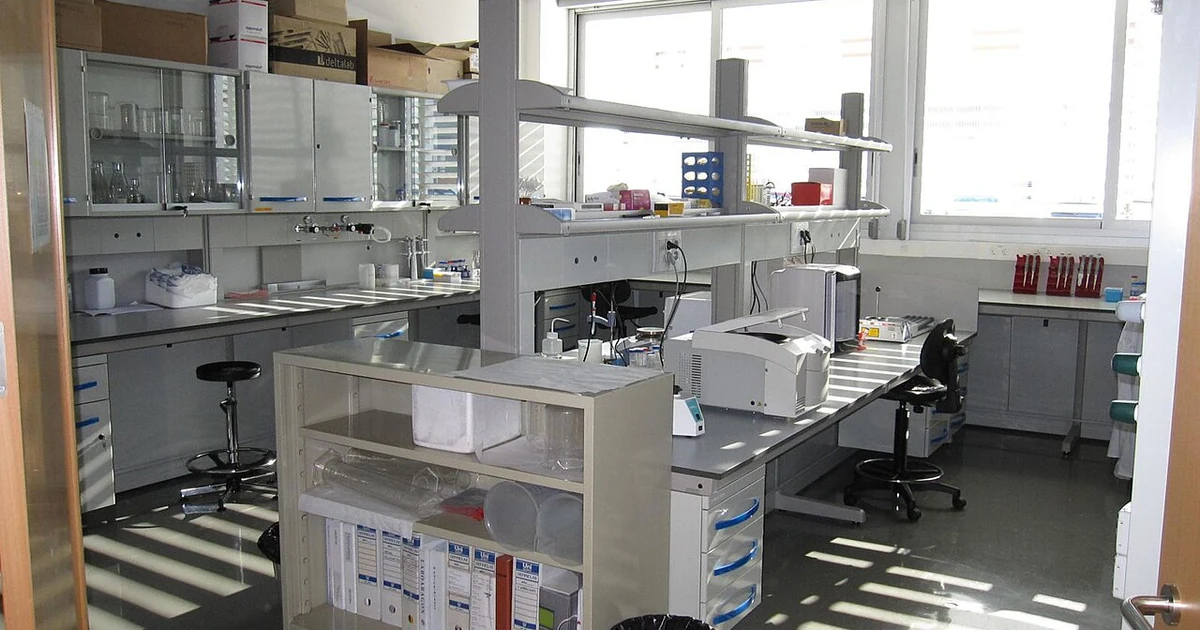
Photo: BIFI · License: CC BY-SA 4.0 · Cropped and resized. Distinguishing Planned and Exploratory Secondary Endpoints
Study Design and Biostatistics
Secondary endpoints can complement the primary question, but they do not all carry the same inferential strength
Published:
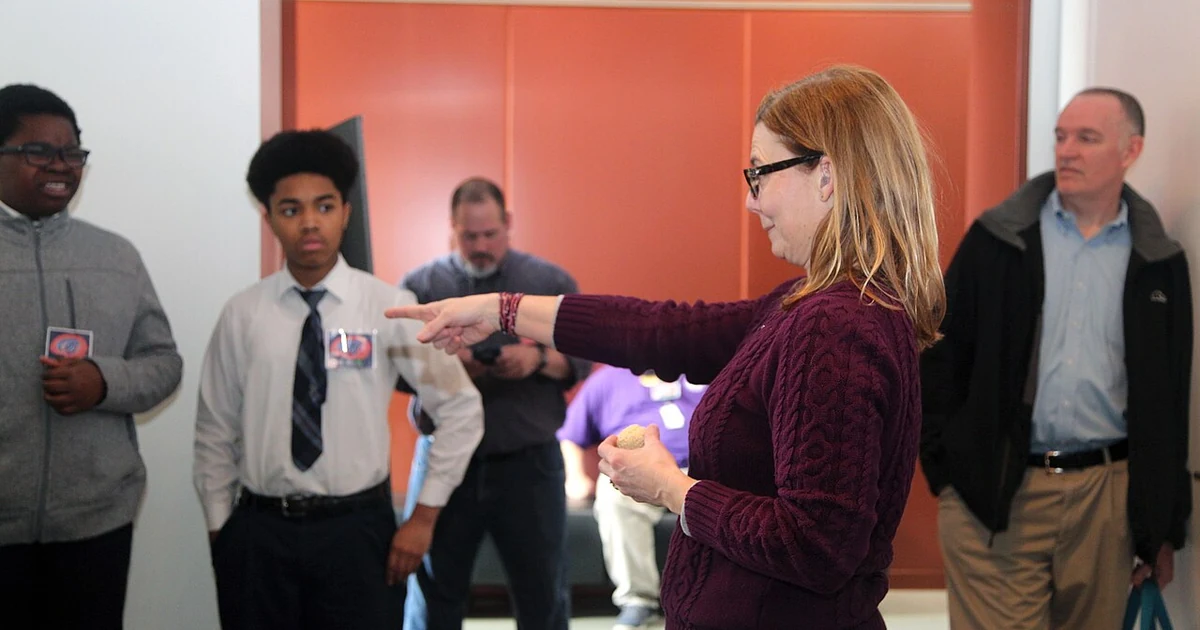
Photo: NIDA(NIH) · License: Public domain · Cropped and resized. Avoiding the Subgroup Significance Fallacy
Study Design and Biostatistics
A significant result in one subgroup and a nonsignificant result in another do not by themselves establish different treatment effects
Published:
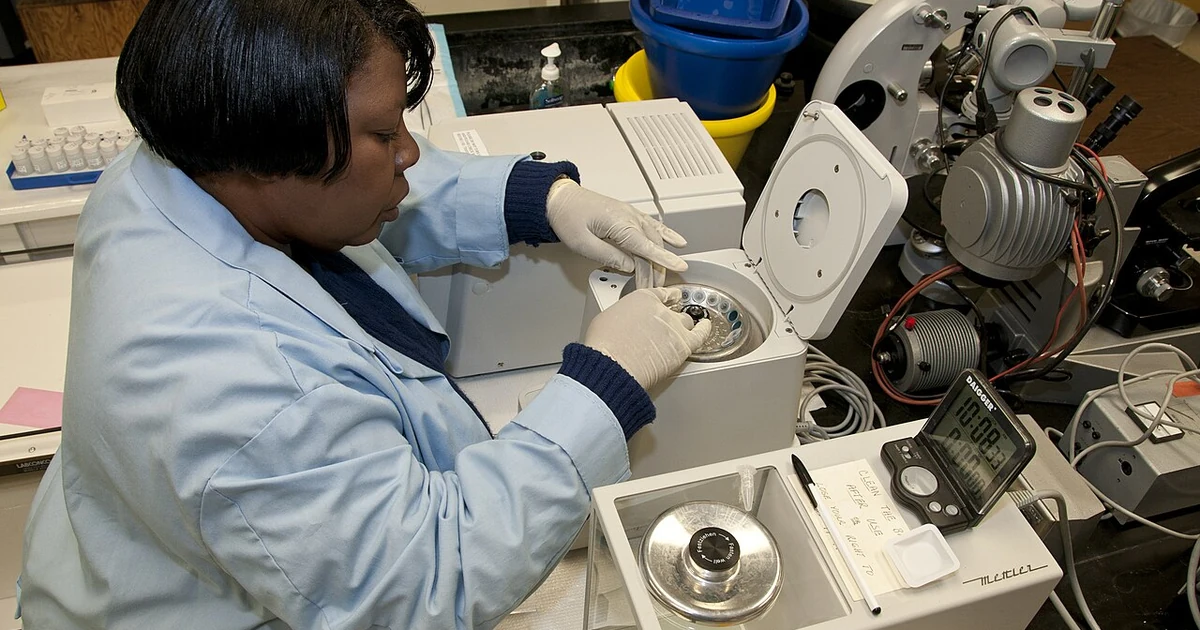
Photo: The U.S. Food and Drug Administration · License: Public domain · Cropped and resized. Prespecifying Covariate Selection
Study Design and Biostatistics
Baseline variables may improve precision or account for design features in analysis
Published:

Photo: NIH History Office from Bethesda · License: Public domain · Cropped and resized. Interpreting Baseline Imbalance After Randomisation
Study Design and Biostatistics
Randomisation does not guarantee identical characteristics in every realised sample
Published:

Photo: Thaismay · License: CC BY-SA 4.0 · Cropped and resized. Presenting Absolute and Relative Effects Together
Study Design and Biostatistics
A relative effect describes a ratio, while an absolute effect describes a difference on a specified scale
Published:
Photo: The U.S. Food and Drug Administration · License: Public domain · Cropped and resized. Justifying the Target Effect in Sample Size Planning
Study Design and Biostatistics
The target difference entered into a sample size calculation is not the same as an expected result
Published:

Photo: National Institutes of Health · License: Public domain · Cropped and resized. Justifying a Noninferiority Margin
Study Design and Biostatistics
A noninferiority margin is not merely a technical input controlling sample size
Published:
Photo: GiFontenelle · License: CC BY-SA 4.0 · Cropped and resized. Separating Missing Data Reasons from Intercurrent Events
Study Design and Biostatistics
Treatment discontinuation, rescue medication and a missed assessment are different kinds of information
Published:
Photo: Staff Sgt. Chris Hubenthal · License: Public domain · Cropped and resized. Connecting Missing Data Assumptions to Clinical Information
Study Design and Biostatistics
Selecting a missing-data method is more than choosing a software option
Published:
Photo: Max MBAKOP · License: CC BY-SA 4.0 · Cropped and resized. Interpreting Tipping-Point Sensitivity Analyses
Study Design and Biostatistics
A tipping-point analysis can examine how far selected assumptions must change before a conclusion changes
Published:
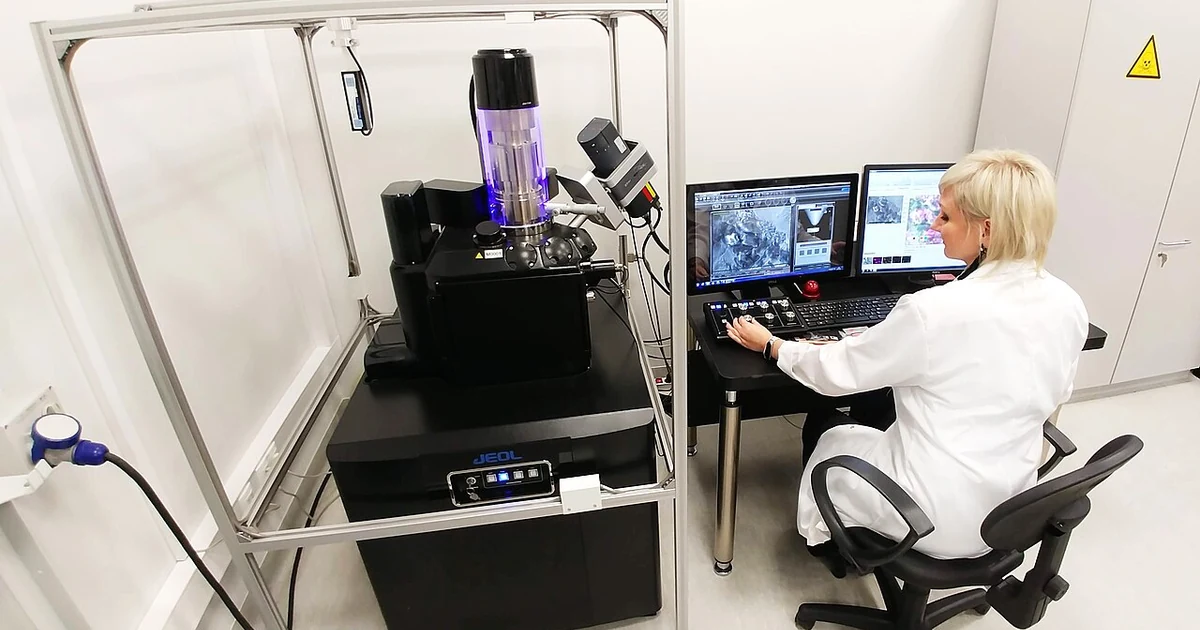
Photo: Gabriela P. · License: CC BY 4.0 · Cropped and resized. Understanding Last Observation Carried Forward Assumptions
Study Design and Biostatistics
Carrying the last observation forward is computationally simple, but produces a value assuming the participant remains at the earlier state
Published:
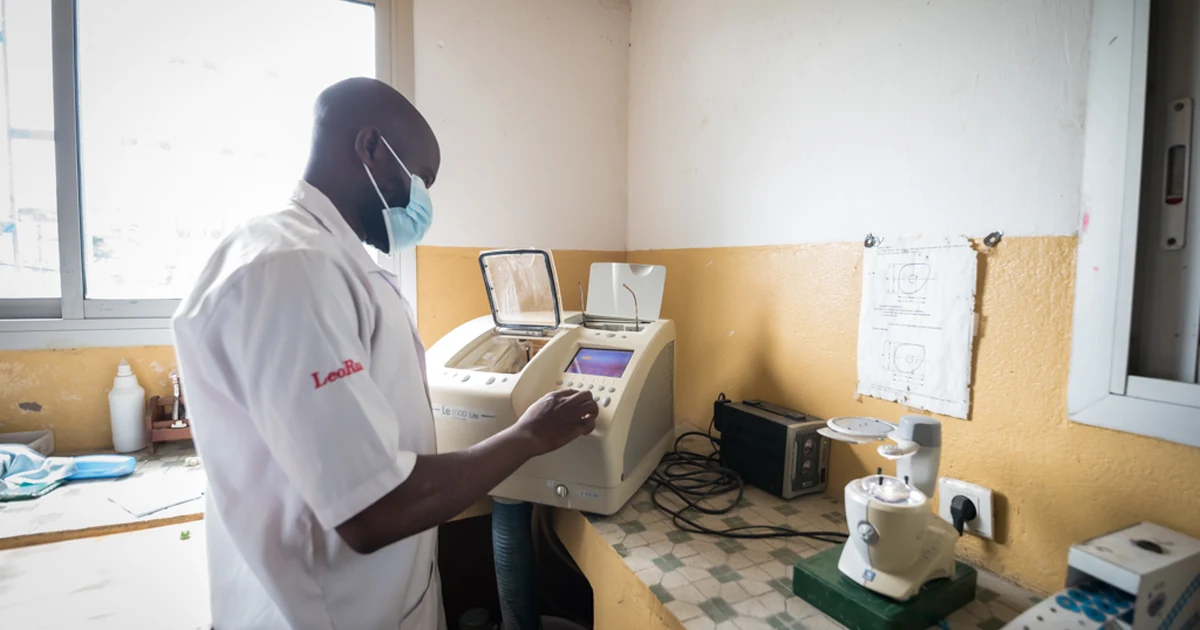
Photo: Max MBAKOP · License: CC BY-SA 4.0 · Cropped and resized. Collecting Endpoints After Treatment Discontinuation
Study Design and Biostatistics
Which observations remain necessary after treatment stops depends on the effect the trial targets
Published:
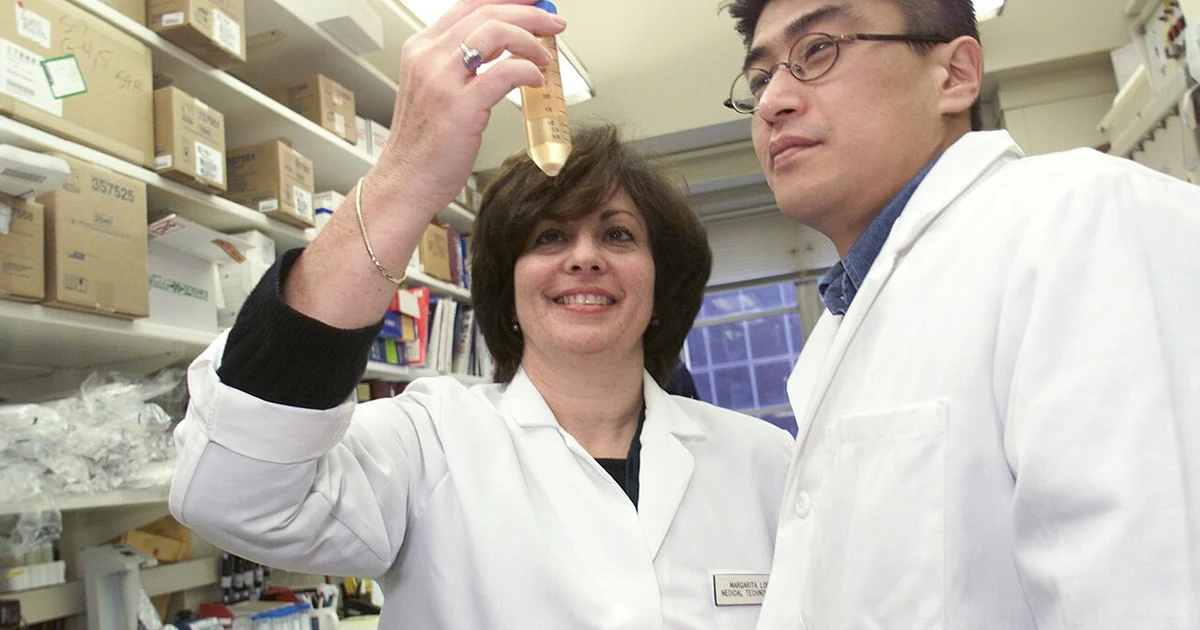
Photo: Bill Branson (Photographer) · License: Public domain · Cropped and resized. Planning an Endpoint Strategy for Rescue Medication
Study Design and Biostatistics
Rescue medication matters both for participant management and interpretation
Published:

Photo: National Eye Institute · License: CC BY 2.0 · Cropped and resized. Defining Continuous Endpoints When Death Occurs
Study Design and Biostatistics
After death, a functional, symptom or quality-of-life score differs from an ordinary unobserved assessment
Published:
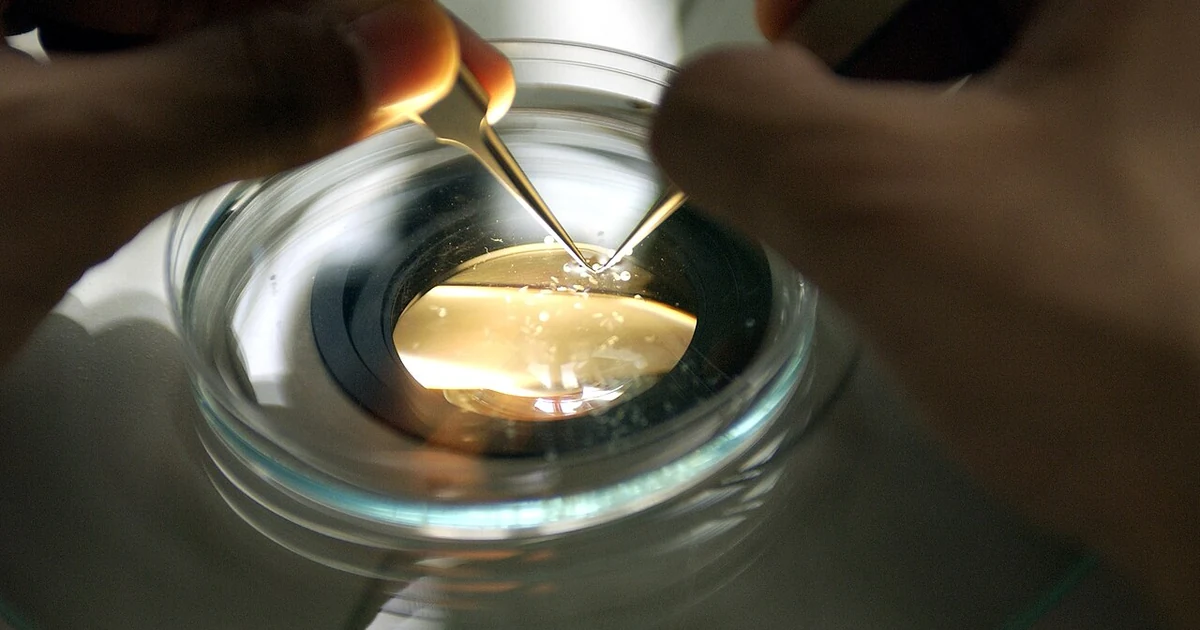
Photo: Bill Branson (Photographer) · License: Public domain · Cropped and resized. Selection Effects in Per-Protocol Analysis
Study Design and Biostatistics
Comparing only participants who fully follow the protocol may appear to produce a cleaner analysis
Published:
Photo: Maggie Bartlett, NHGRI · License: Public domain · Cropped and resized. Defining Reproducible Analysis Populations
Study Design and Biostatistics
Labels such as full analysis set, safety set or per-protocol set do not themselves identify included participants
Published:
Photo: Tristan Ferne from UK · License: CC BY 2.0 · Cropped and resized. Assessing Statistical Impact of a Protocol Amendment
Study Design and Biostatistics
A protocol changing eligibility, visit timing or endpoint definitions affects more than operational schedules
Published:

Photo: NIDA(NIH) · License: Public domain · Cropped and resized. Defining Information Access for Interim Reviews
Study Design and Biostatistics
Calling a review blinded does not itself show that the information used is noncomparative
Published:
Photo: Staff Sgt. Chris Hubenthal · License: Public domain · Cropped and resized. Timing Interim Analyses by Information
Study Design and Biostatistics
A calendar date for interim analysis may not coincide with the amount of information needed for the planned decision
Published:

Photo: Rhoda Baer (Photographer) · License: Public domain · Cropped and resized. Freezing the Data Snapshot for Interim Analysis
Study Design and Biostatistics
The database may continue changing during an interim review
Published:

Photo: NIDA(NIH) · License: Public domain · Cropped and resized. Decision Authority for Futility Rules
Study Design and Biostatistics
A futility assessment helps judge whether a study is unlikely to demonstrate its planned objective
Published:
Photo: Milda 444 · License: CC BY-SA 4.0 · Cropped and resized. Effect Estimation After Early Stopping
Study Design and Biostatistics
Crossing a favourable interim boundary does not remove uncertainty about effect magnitude
Published:

Photo: Kallidaimaniac ( talk ) · License: Public domain · Cropped and resized. Planning Noncomparative Sample Size Reassessment
Study Design and Biostatistics
Revisiting sample size assumptions during a trial differs from examining treatment effects and choosing a convenient size
Published:
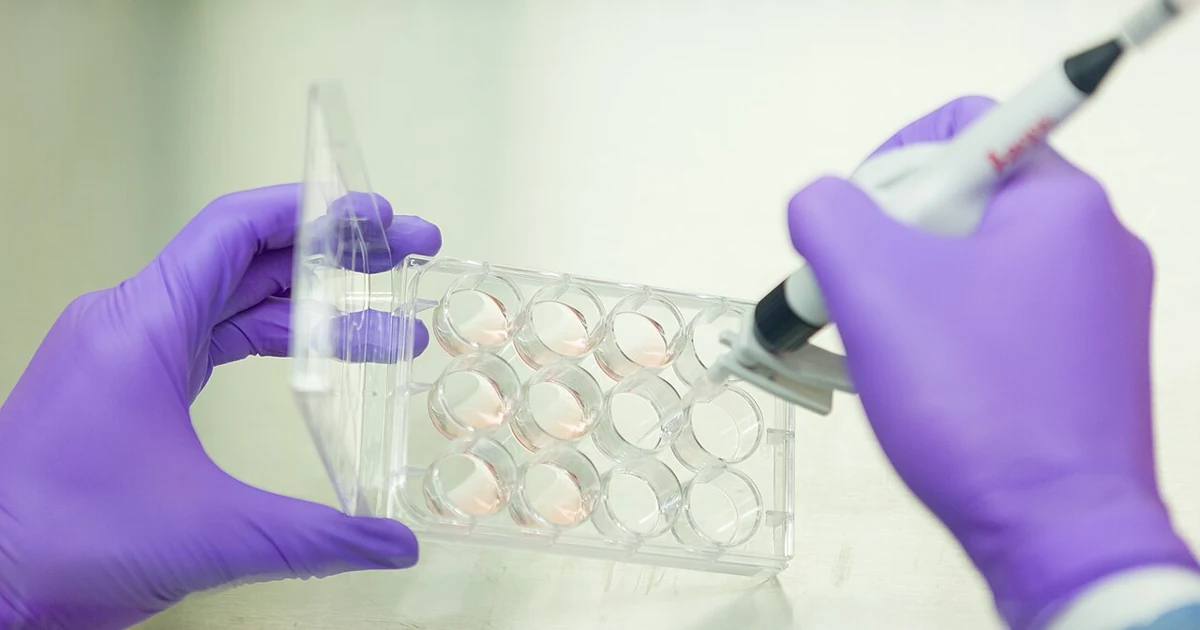
Photo: National Center for Advancing Translational Sciences from Bethesda, MD · License: Public domain · Cropped and resized. Choosing Simulation Scenarios for Adaptive Designs
Study Design and Biostatistics
Good performance in one favourable scenario does not establish that an adaptive design is reliable across relevant conditions
Published:
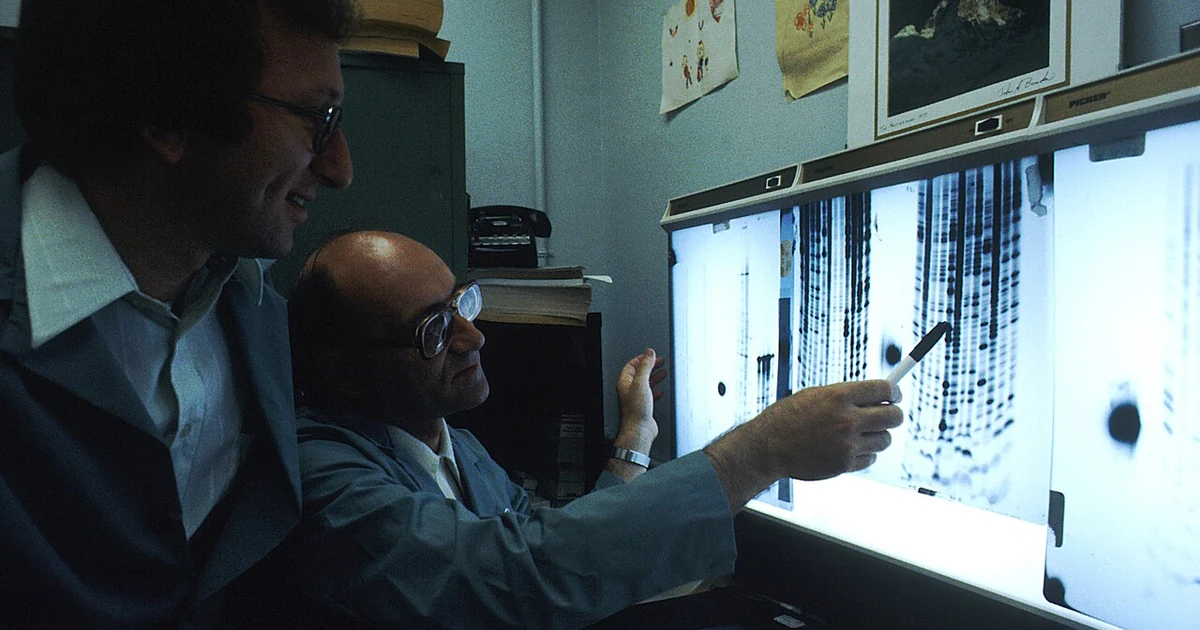
Photo: Linda Bartlett (Photographer) · License: Public domain · Cropped and resized. Making Design Simulation Code Reproducible
Study Design and Biostatistics
When simulation results inform a design decision, the computational process also needs review
Published:

Photo: Rhoda Baer (Photographer) · License: Public domain · Cropped and resized. Managing Delays Between Adaptation and Implementation
Study Design and Biostatistics
An adaptation can be statistically correct yet implemented late at sites
Published:
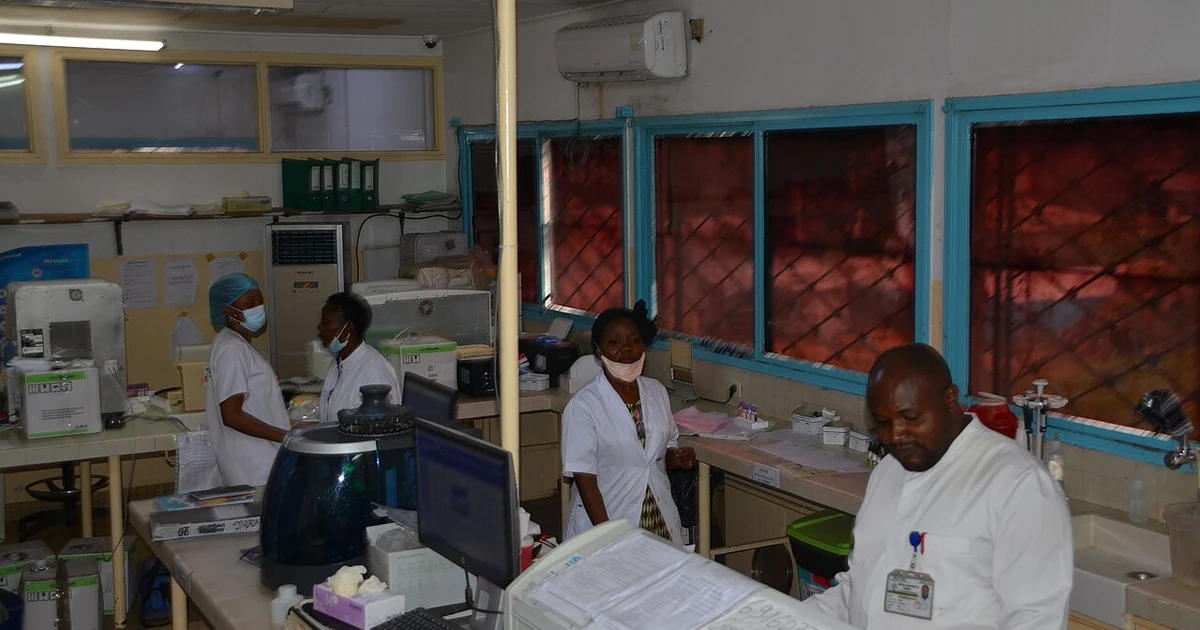
Photo: Happi Raphael · License: CC BY-SA 4.0 · Cropped and resized. Aligning Time Origins in External Controls
Study Design and Biostatistics
When comparing a trial arm with people from an external source, follow-up should begin at comparable clinical moments
Published:
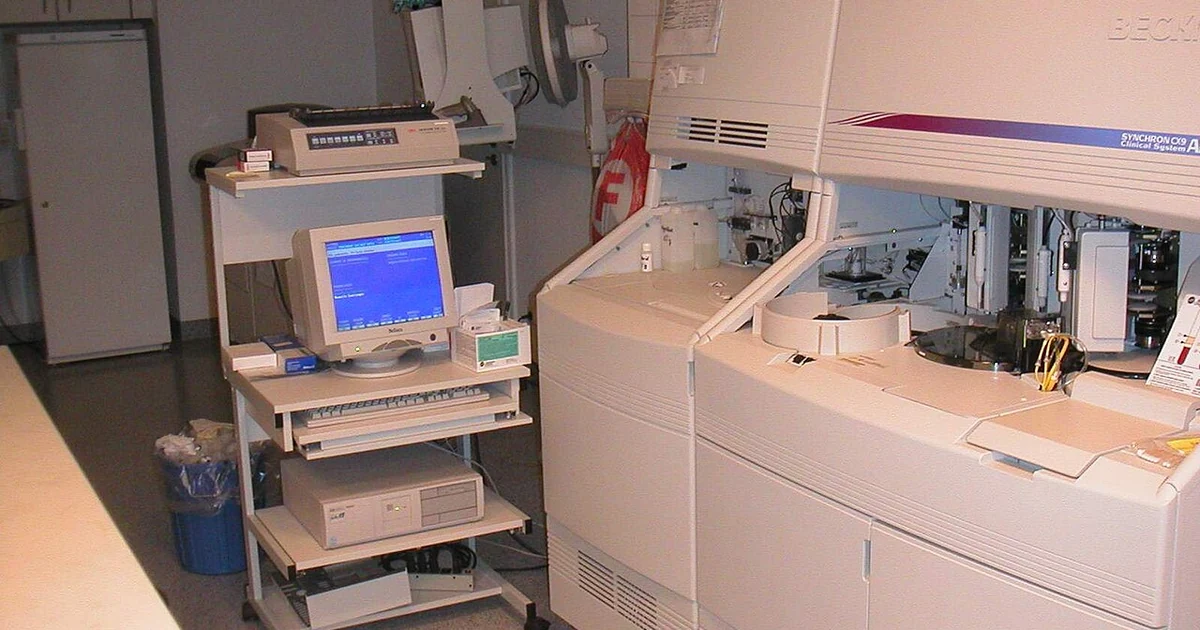
Photo: Fridolin freudenfett · License: CC BY-SA 4.0 · Cropped and resized. Assessing Changes in Care in Historical Controls
Study Design and Biostatistics
A historical control may reflect a different period of care from the current trial
Published:
Photo: NIAID · License: CC BY 2.0 · Cropped and resized. Recognising Confounding by Indication
Study Design and Biostatistics
Clinical treatment selection in routine care is not necessarily random
Published:

Photo: Rhoda Baer (Photographer) · License: Public domain · Cropped and resized. Recognising Immortal Time Bias
Study Design and Biostatistics
If membership in a group requires remaining event-free for a period, the comparison can appear artificially favourable
Published:
Photo: The U.S. Food and Drug Administration · License: Public domain · Cropped and resized. Baseline Windows in New-User Designs
Study Design and Biostatistics
Studying people who start an intervention addresses a different experience from studying long-standing users
Published:
Photo: Rhoda Baer (Photographer) · License: Public domain · Cropped and resized. Choosing an Active Comparator with Comparable Clinical Decisions
Study Design and Biostatistics
In observational research, a comparator considered at a similar clinical decision point can provide more meaningful context than people on very different…
Published:

Photo: Unknown photographer · License: Public domain · Cropped and resized. Overlap and Target Populations in Propensity Score Analysis
Study Design and Biostatistics
Applying a propensity score method does not guarantee that every person has a comparable counterpart or sufficient comparison information
Published:
Photo: Jucember · License: CC BY-SA 3.0 · Cropped and resized. Sensitivity Assessment for Unmeasured Confounding
Study Design and Biostatistics
Assuming that every important reason for treatment selection was recorded is a strong claim in observational research
Published:
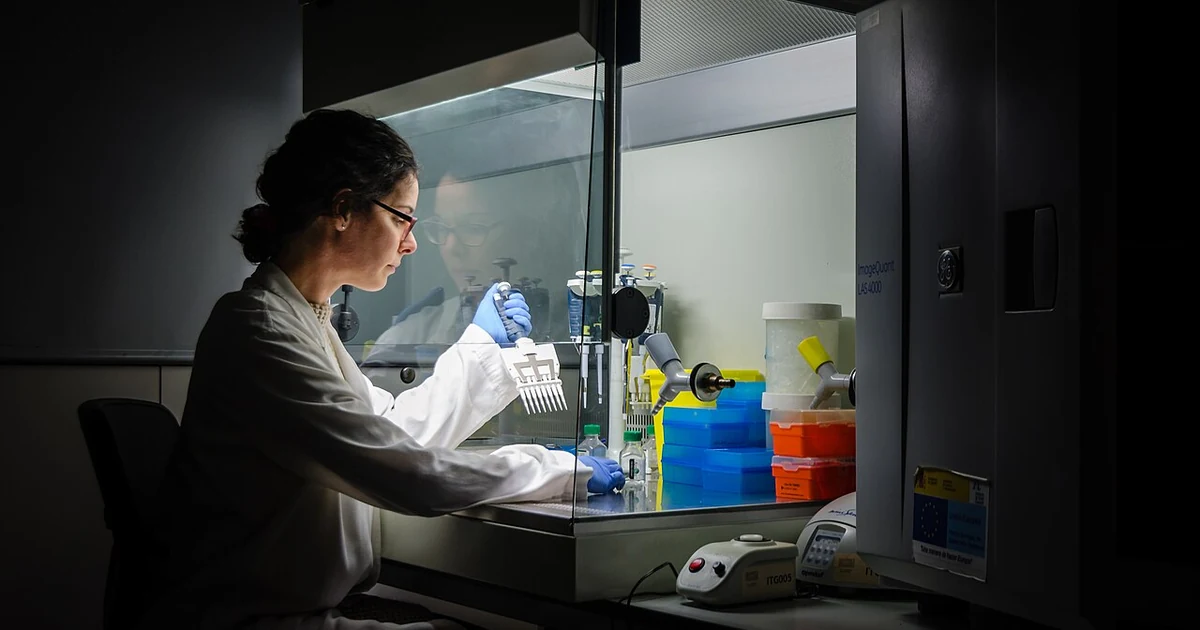
Photo: axventura · License: CC BY 4.0 · Cropped and resized. Validating Outcome Algorithms in Routine Data
Study Design and Biostatistics
A diagnosis or procedure code used as an endpoint does not automatically establish accurate capture of a clinical event
Published:
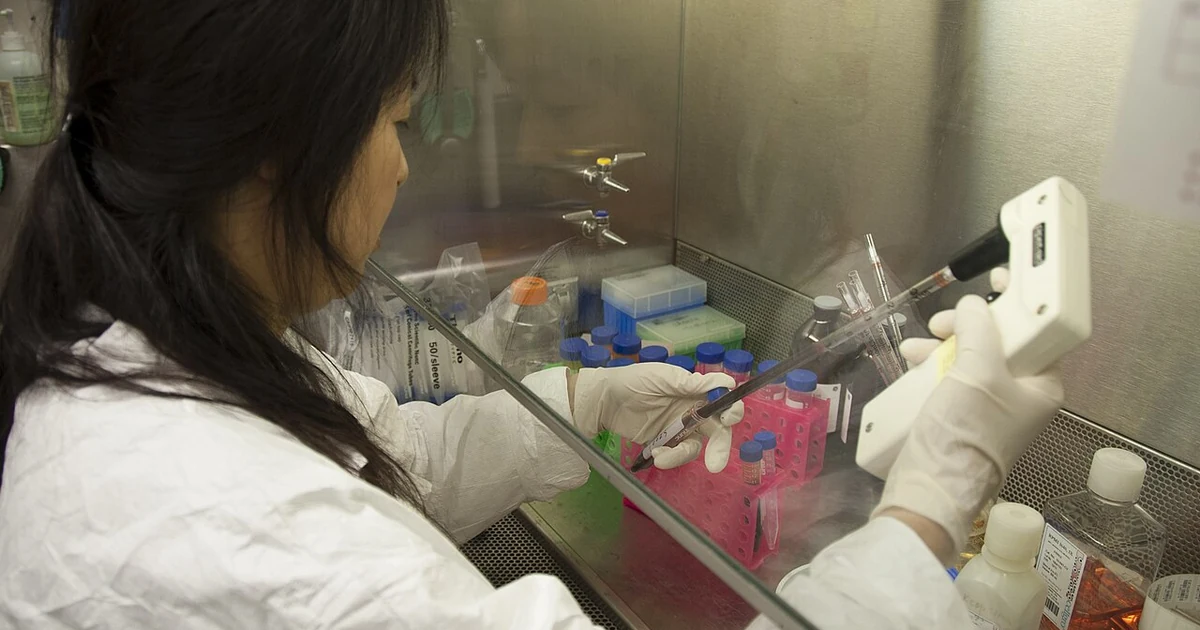
Photo: The U.S. Food and Drug Administration · License: Public domain · Cropped and resized. Assessing Registry Fitness for a Specific Question
Study Design and Biostatistics
A large registry does not necessarily provide suitable data for every scientific question
Published:

Photo: Unknown photographer · License: Public domain · Cropped and resized. Interpreting Zero Cells with Sparse Events
Study Design and Biostatistics
No observed events in one arm does not establish that its event risk is exactly zero
Published:

Photo: National Human Genome Research Institute (NHGRI) from Bethesda, MD, USA · License: CC BY 2.0 · Cropped and resized. Aligning Allocation and Analysis in Cluster Randomisation
Study Design and Biostatistics
When sites, schools or care units are randomised, participants are not independently assigned
Published:

Photo: NIDA(NIH) · License: Public domain · Cropped and resized. Information and Balance with Few Randomised Clusters
Study Design and Biostatistics
Adding more people within one cluster may not provide the same information gain as adding an independent cluster
Published:
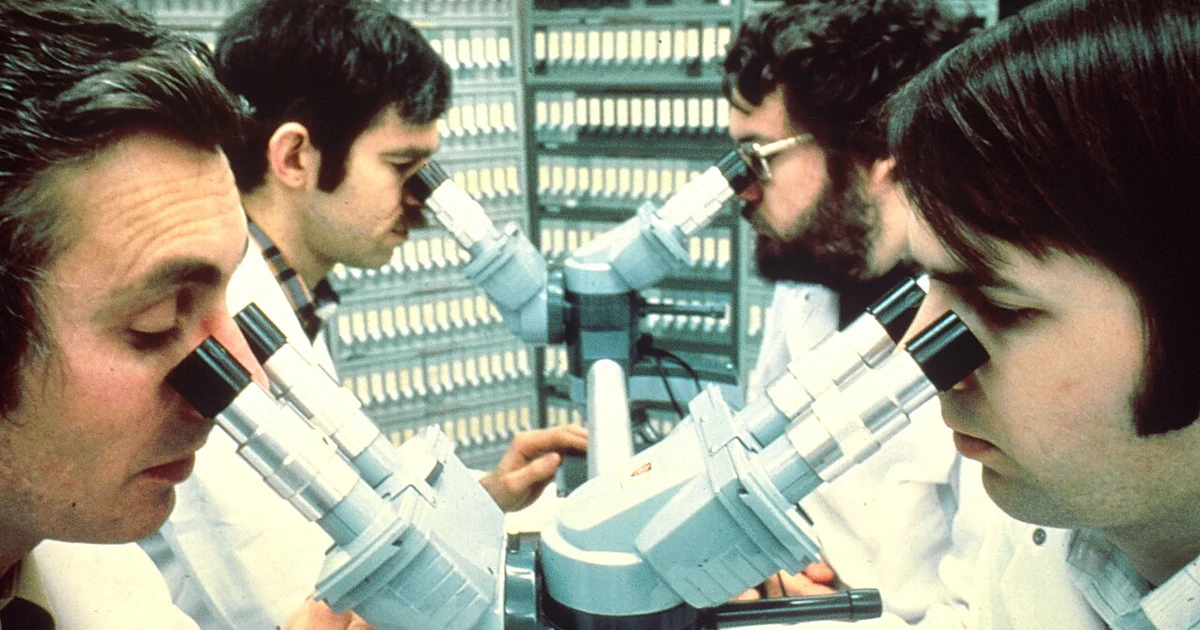
Photo: Linda Bartlett (photographer) · License: Public domain · Cropped and resized. Calendar Time in Stepped Wedge Designs
Study Design and Biostatistics
In a stepped wedge cluster design, units switch to an intervention at different times
Published:
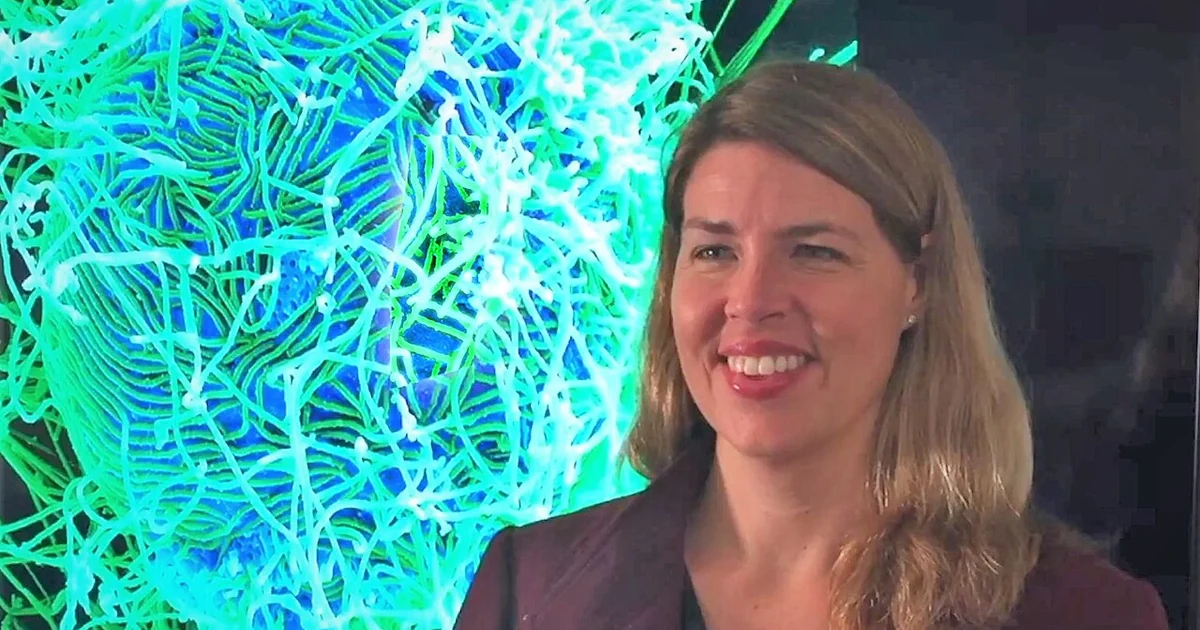
Photo: National Institute of Allergy and Infectious Diseases, NIAID Now, niaidnews@niaid.nih.gov · License: Public domain · Cropped and resized. Carryover in Crossover Designs
Study Design and Biostatistics
In a crossover study, the same person can receive different interventions in successive periods
Published:

Photo: Oak Ridge National Laboratory · License: CC BY 2.0 · Cropped and resized. Period and Sequence in Crossover Trials
Study Design and Biostatistics
In a crossover design, period describes a position in follow-up, while sequence describes the order of interventions
Published:
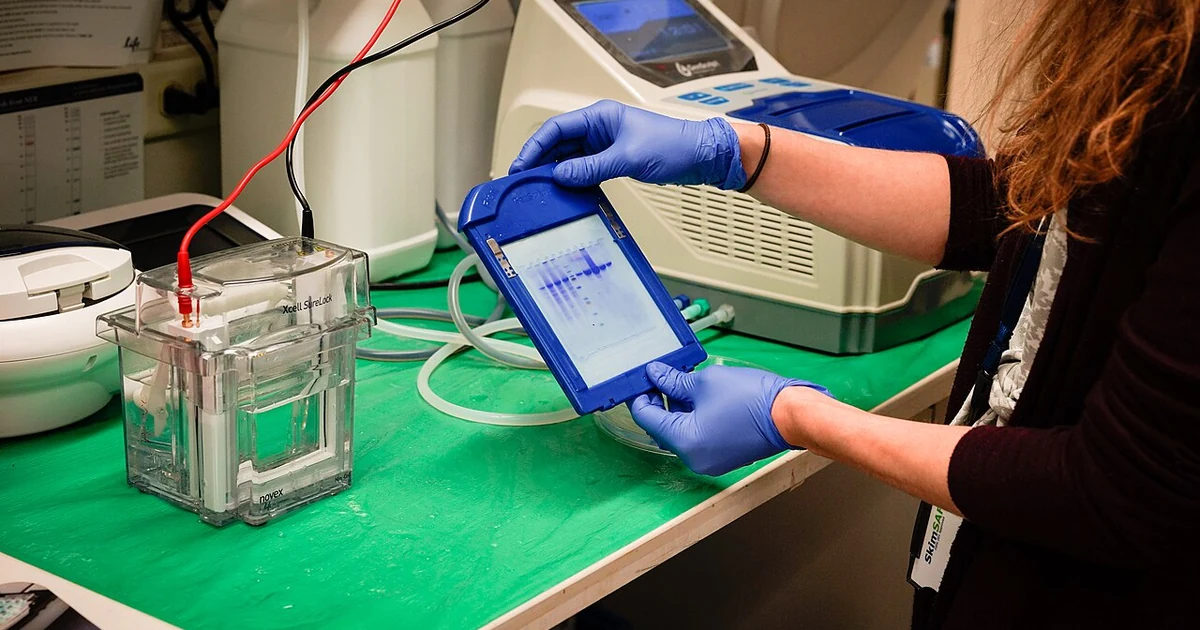
Photo: NIAID · License: CC BY 2.0 · Cropped and resized. Interpreting Interactions in Factorial Designs
Study Design and Biostatistics
A factorial trial can assess several interventions within one structure
Published:
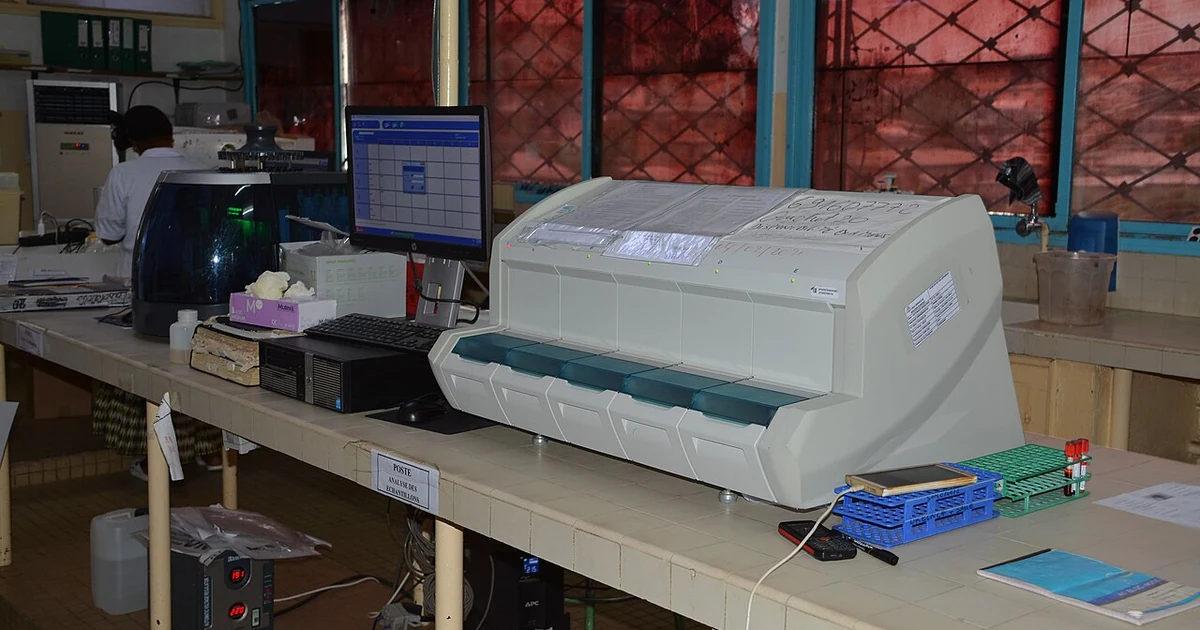
Photo: Happi Raphael · License: CC BY-SA 4.0 · Cropped and resized. Dependence in Paired Measurements
Study Design and Biostatistics
Measurements taken before and after an intervention in the same person are not two independent samples
Published:
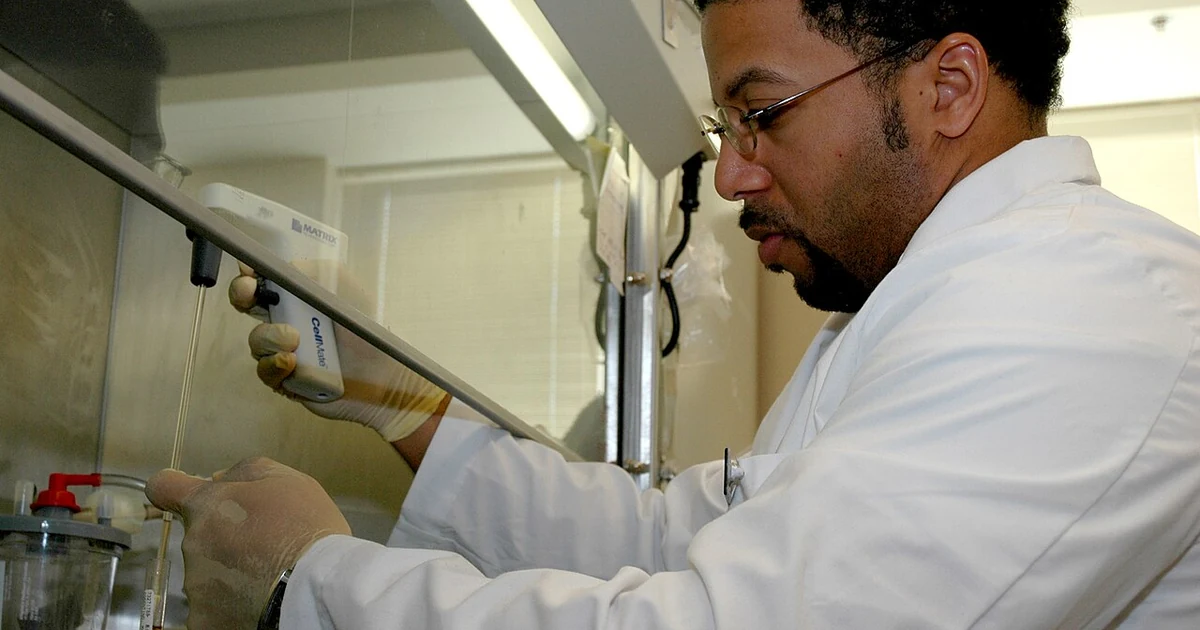
Photo: Diane A. Reid (Photographer) · License: Public domain · Cropped and resized. Covariance Assumptions in Repeated-Measures Models
Study Design and Biostatistics
Measurements from the same person over time can be correlated
Published:
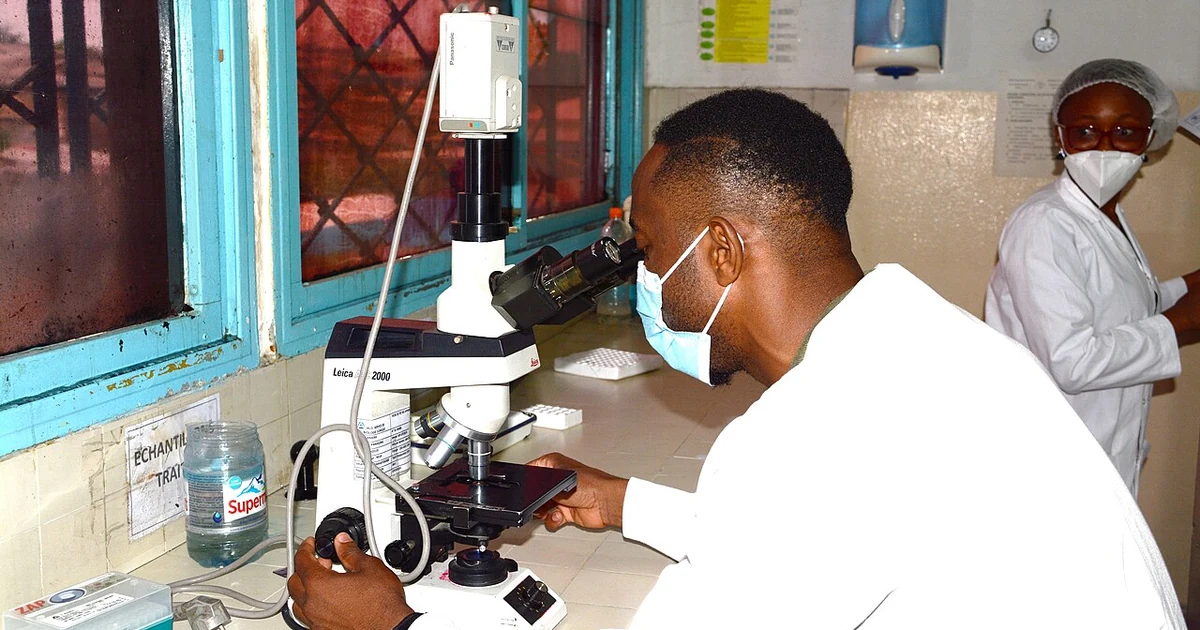
Photo: Happi Raphael · License: CC BY-SA 4.0 · Cropped and resized. Interpreting Results When Proportional Hazards Is Questionable
Study Design and Biostatistics
A single hazard ratio may not adequately describe the entire follow-up experience
Published:

Photo: Rhoda Baer (Photographer) · License: Public domain · Cropped and resized. Blinded Review of Outlying Observations
Study Design and Biostatistics
An unusual value can be a data error, a genuine clinical finding or a difference in measurement conditions
Published:

Photo: NIAID · License: CC BY 2.0 · Cropped and resized. Returning Transformed Results to a Clinical Scale
Study Design and Biostatistics
Transforming a variable to a logarithmic or other scale can help modelling
Published:
Photo: Flickr user ipasadelaide (artist: Jennie Groom) · License: CC BY 2.0 · Cropped and resized. Prespecified Fallbacks for Model Nonconvergence
Study Design and Biostatistics
Failure of a statistical model to complete numerically may reflect more than software trouble
Published:
Photo: Linda Bartlett (Photographer) · License: Public domain · Cropped and resized. Separation and Unstable Estimates in Categorical Models
Study Design and Biostatistics
When a characteristic or group perfectly separates observed outcomes, some models can produce extremely large or nonestimable coefficients
Published:

Photo: The U.S. Food and Drug Administration · License: Public domain · Cropped and resized. Interpreting Exposure-Adjusted Safety Rates
Study Design and Biostatistics
When groups differ in observation or treatment duration, raw event counts may not represent equal opportunities for events
Published:

Photo: Diane A. Reid (Photographer) · License: Public domain · Cropped and resized. Distinguishing Participants from Analysis Records
Study Design and Biostatistics
Many rows in an analysis dataset do not establish an equal number of participants
Published:

Photo: Shixart1985 · License: CC BY 2.0 · Cropped and resized. Making Table Denominators and Missingness Explicit
Study Design and Biostatistics
A percentage cannot be interpreted without knowing which people form its denominator
Published:
Photo: Flickr user ipasadelaide (artist: Jennie Groom) · License: CC BY 2.0 · Cropped and resized. Rounding and Precision in Statistical Results
Study Design and Biostatistics
Presentation precision should reflect information the data actually support
Published:
Photo: Linda Bartlett (Photographer) · License: Public domain · Cropped and resized. Independent Checking of Statistical Programs
Study Design and Biostatistics
Rerunning the same code and reproducing a table does not by itself establish correct analysis
Published:
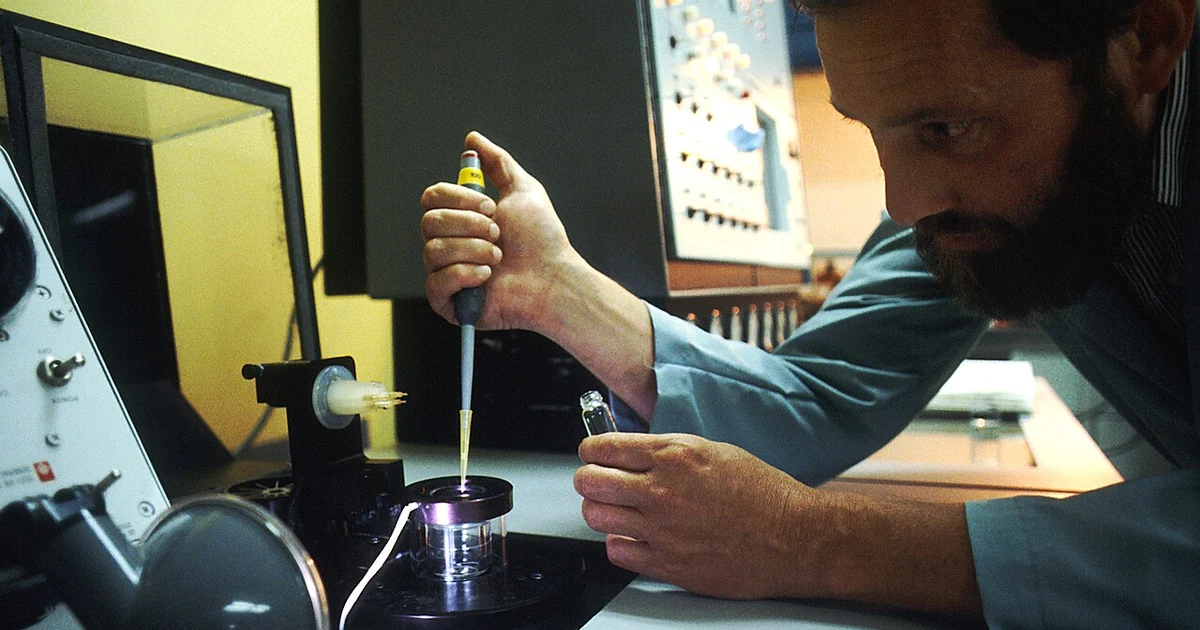
Photo: Linda Bartlett (Photographer) · License: Public domain · Cropped and resized. Documenting the Timing of Analysis Plan Deviations
Study Design and Biostatistics
An analysis change may sometimes be necessary, but interpretation depends partly on whether the decision preceded or followed outcome review
Published:
Photo: Maggie Bartlett, National Human Genome Research Institute · License: Public domain · Cropped and resized. Distinguishing Planning Power from Observed Power
Study Design and Biostatistics
Power calculations help assess decision probabilities under assumptions during study planning
Published:

Photo: Rhoda Baer (Photographer) · License: Public domain · Cropped and resized. Separating Study Invitations from Consent Discussions
Participant Experience and Site Practice
An invitation to hear about a study does not mean that someone has agreed to participate.
Published:
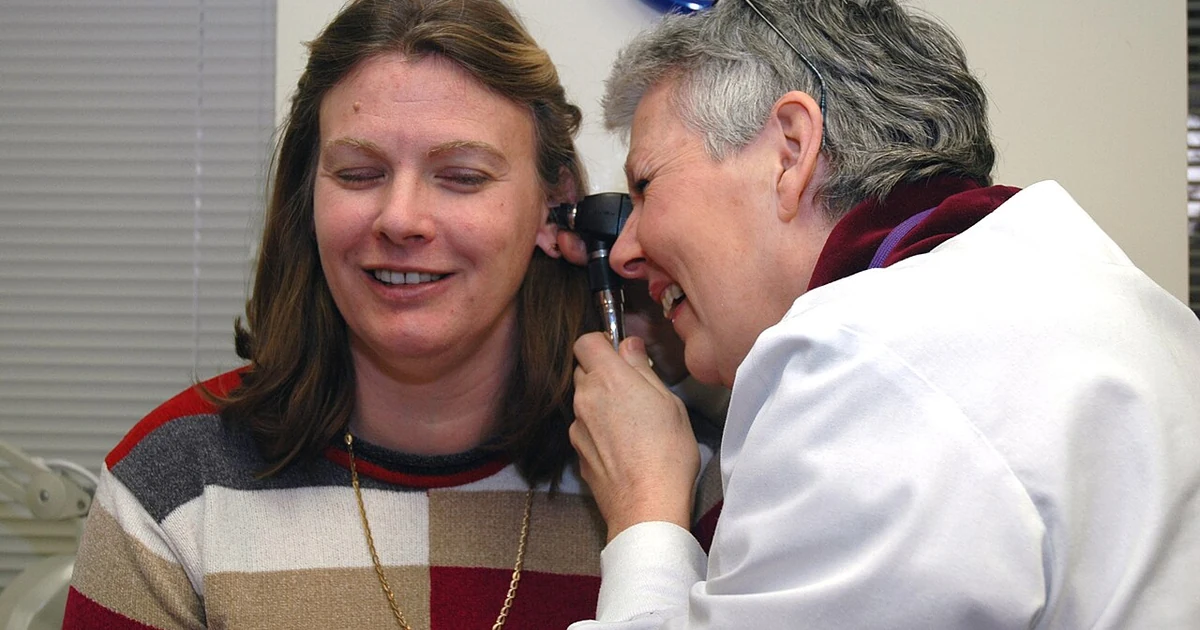
Photo: Unknown photographer · License: Public domain · Cropped and resized. Addressing Therapeutic Misconception in Study Discussions
Participant Experience and Site Practice
A potential participant may believe every research decision will be made solely for their individual treatment benefit.
Published:

Photo: Shixart1985 · License: CC BY 2.0 · Cropped and resized. Using Teach-Back Questions During Consent
Participant Experience and Site Practice
Teach-back invites a person to explain information in their own words.
Published:

Photo: Rhoda Baer (Photographer) · License: Public domain · Cropped and resized. Planning Reflection Time Before Study Consent
Participant Experience and Site Practice
Time between first receiving study information and deciding about participation is more than an empty calendar interval.
Published:

Photo: Rhoda Baer (Photographer) · License: Public domain · Cropped and resized. Clarifying Family Involvement in Consent Discussions
Participant Experience and Site Practice
A relative can provide useful support during a study discussion, but should not overshadow the person’s own decision.
Published:

Photo: Rhoda Baer (Photographer) · License: Public domain · Cropped and resized. Defining the Interpreter Role in Study Consent
Participant Experience and Site Practice
Language support involves more than translating sentences on a form.
Published:
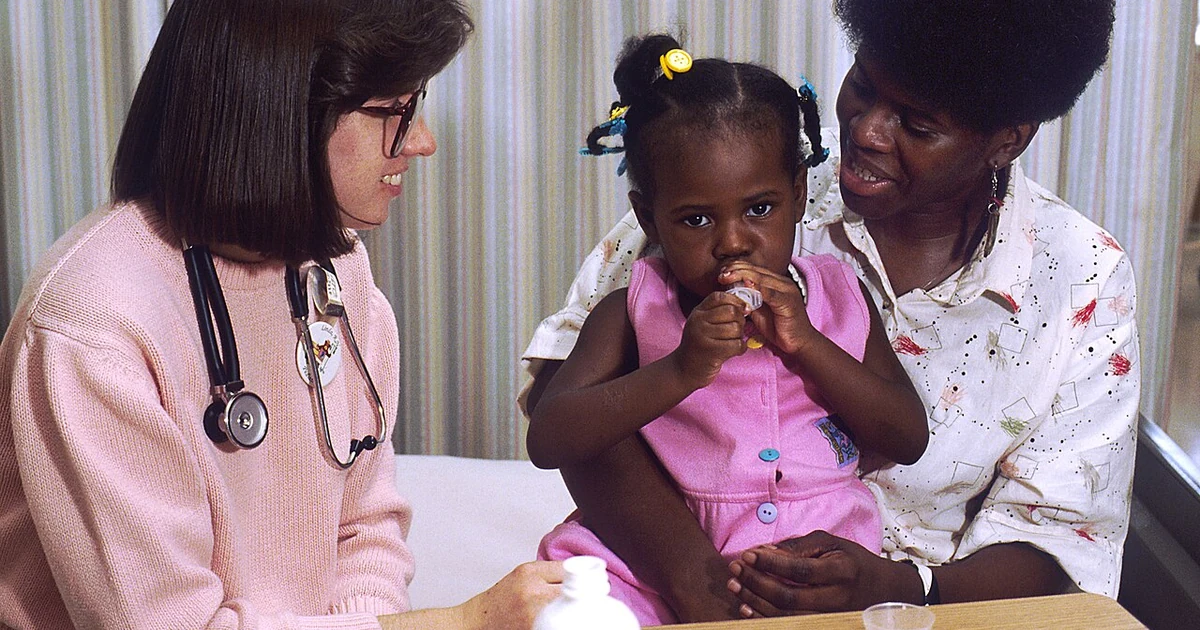
Photo: Unknown photographer · License: Public domain · Cropped and resized. Addressing Literacy Barriers in Consent Discussions
Participant Experience and Site Practice
Difficulty reading a form quickly does not mean someone cannot understand a study.
Published:

Photo: NUSF · License: CC0 · Cropped and resized. Large Print and Visual Access to Study Information
Participant Experience and Site Practice
Information may exist on paper without being accessible to the person receiving it.
Published:

Photo: Shixart1985 · License: CC BY 2.0 · Cropped and resized. Planning Hearing Access During Consent
Participant Experience and Site Practice
People with hearing access needs do not all prefer the same communication method.
Published:
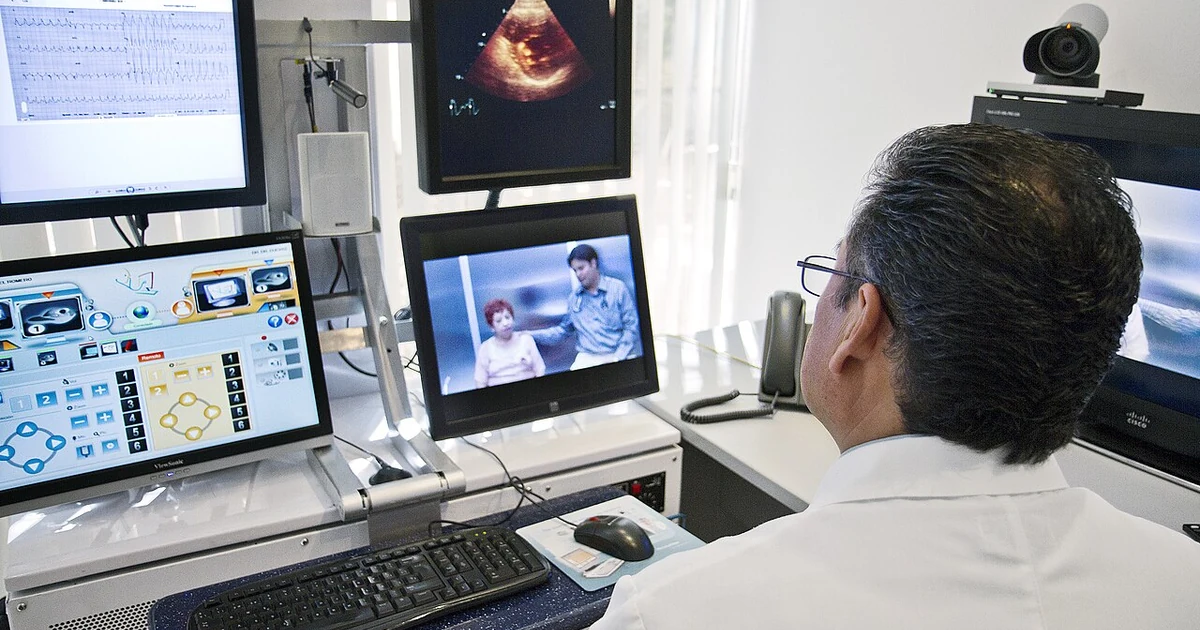
Photo: Intel Free Press · License: CC BY-SA 2.0 · Cropped and resized. Reducing Cognitive Load in Consent Information
Participant Experience and Site Practice
A consent discussion can present many terms, dates and procedures at once.
Published:
Photo: U.S. Air Force photo by Airman 1st Class Francisco Huerta · License: Public domain · Cropped and resized. Mapping Travel Burden Before Study Enrollment
Participant Experience and Site Practice
The number of visits does not fully describe a participant’s travel burden.
Published:

Photo: Shixart1985 · License: CC BY 2.0 · Cropped and resized. Considering Caregiver Burden in Study Planning
Participant Experience and Site Practice
A study visit can affect the time of someone supporting the participant as well as the participant themselves.
Published:

Photo: Unknown photographer · License: Public domain · Cropped and resized. Discussing Childcare Barriers to Study Attendance
Participant Experience and Site Practice
Childcare responsibilities can affect whether a research visit is practical.
Published:

Photo: National Institute for Occupational Safety and Health (NIOSH) from USA · License: Public domain · Cropped and resized. Discussing Study Visits with Shift Workers
Participant Experience and Site Practice
Shift work can affect sleep and recovery as much as appointment availability.
Published:
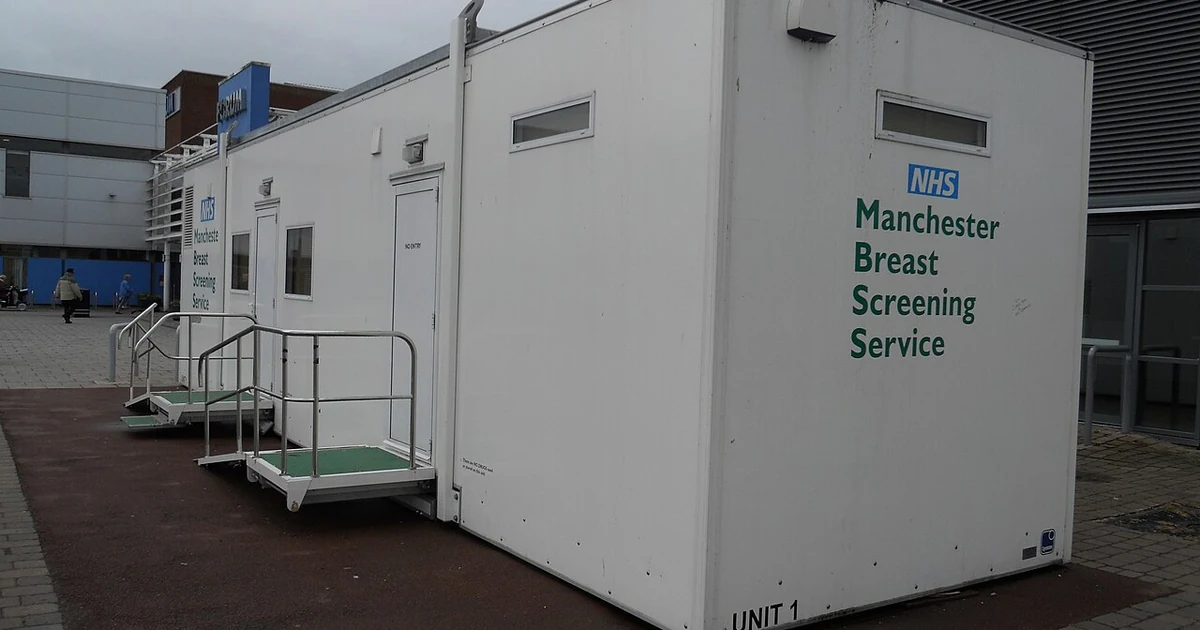
Photo: Mikey from Wythenshawe, Manchester, UK · License: CC BY 2.0 · Cropped and resized. Explaining Travel Reimbursement Without Undue Influence
Participant Experience and Site Practice
Clear explanations of travel reimbursement can reduce financial uncertainty for participants.
Published:
Photo: Bill Branson (Photographer) · License: Public domain · Cropped and resized. Mapping Barriers in Participant Retention
Participant Experience and Site Practice
A retention problem may involve more than forgetting.
Published:

Photo: U.S. Navy photo by Journalist 1st Class Daniel J. Calderon. · License: Public domain · Cropped and resized. Responding to a Missed Study Visit Without Blame
Participant Experience and Site Practice
A missed visit does not prove that a participant lacks commitment.
Published:
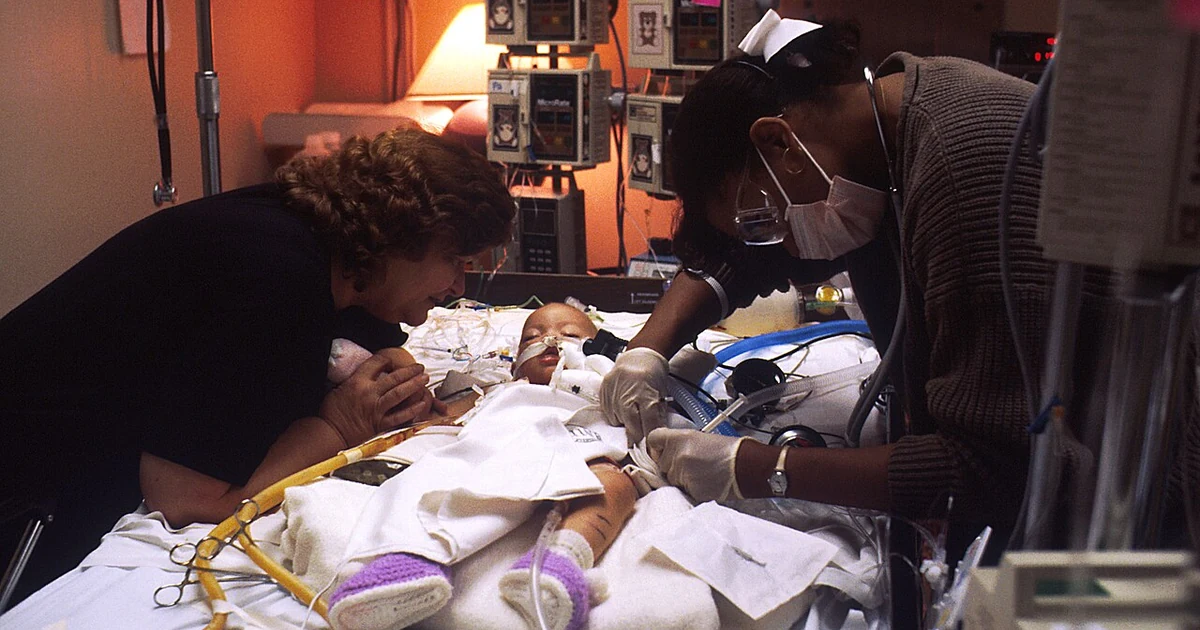
Photo: Bill Branson (Photographer) · License: Public domain · Cropped and resized. Clarifying Options When a Participant Wants to Withdraw
Participant Experience and Site Practice
Someone who wants to leave a study may express different preferences about which activities should stop.
Published:
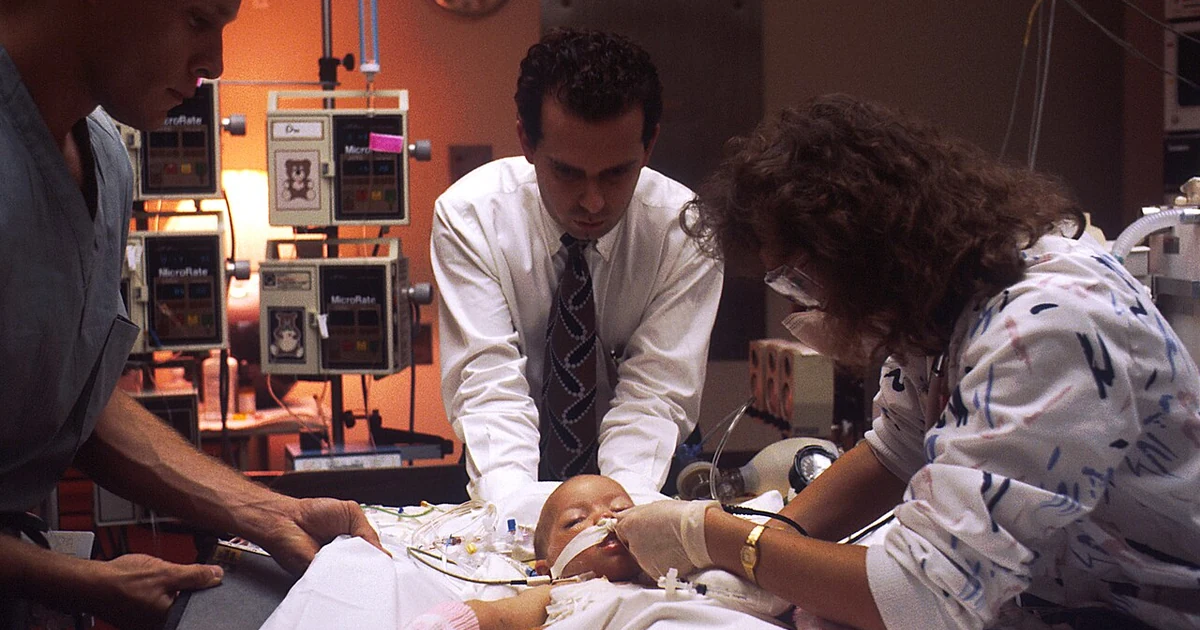
Photo: Bill Branson (Photographer) · License: Public domain · Cropped and resized. Agreeing Privacy-Preserving Participant Messages
Participant Experience and Site Practice
Having a way to contact a participant does not authorize disclosure of study details through every channel.
Published:

Photo: U.S. Navy photo by Mass Communication Specialist 1st Class Brian Finney · License: Public domain · Cropped and resized. Planning Communication About Unexpected Study Findings
Participant Experience and Site Practice
An unexpected finding during research raises questions about who should evaluate it and how it should be explained.
Published:
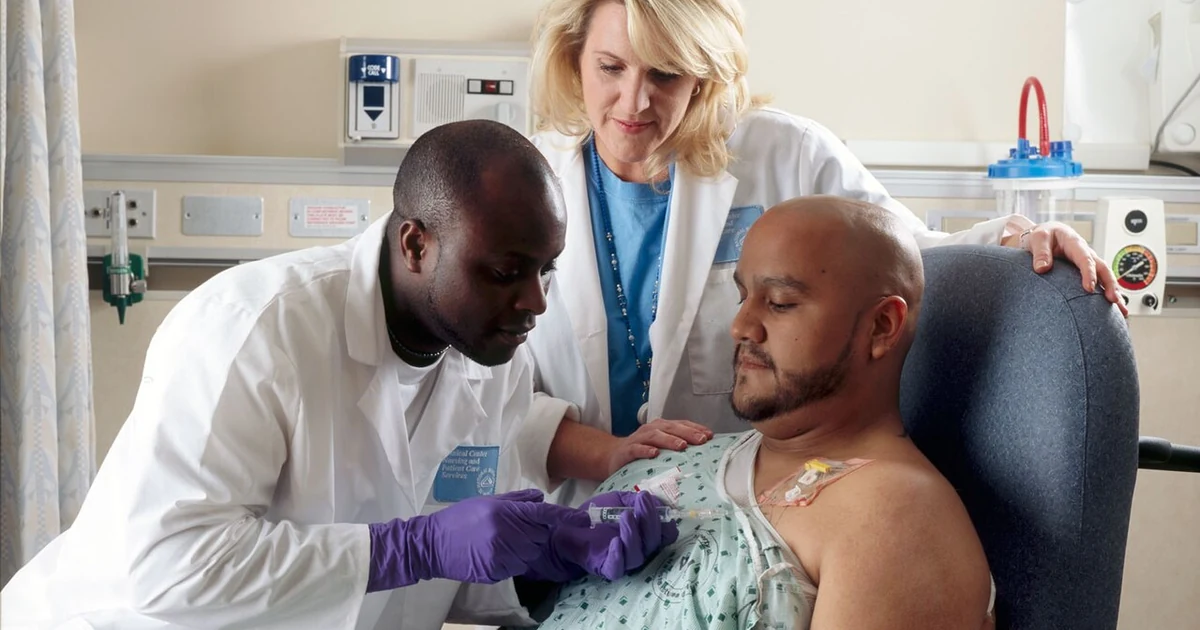
Photo: Rhoda Baer (Photographer) · License: Public domain · Cropped and resized. Reviewing Participant Burden Through Short Conversations
Participant Experience and Site Practice
A visit schedule captures only part of the burden experienced by a participant.
Published:
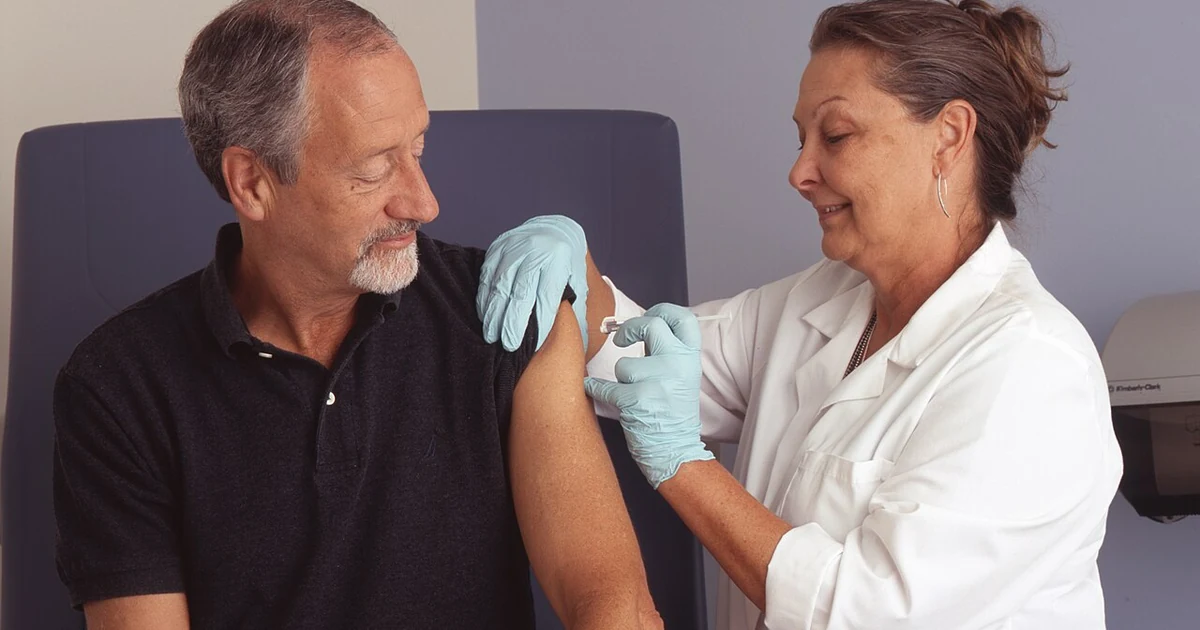
Photo: Rhoda Baer (Photographer) · License: Public domain · Cropped and resized. Turning Patient Advisory Input into Study Decisions
Participant Experience and Site Practice
Input from patients and participant representatives becomes meaningful when its effect on decisions is visible.
Published:
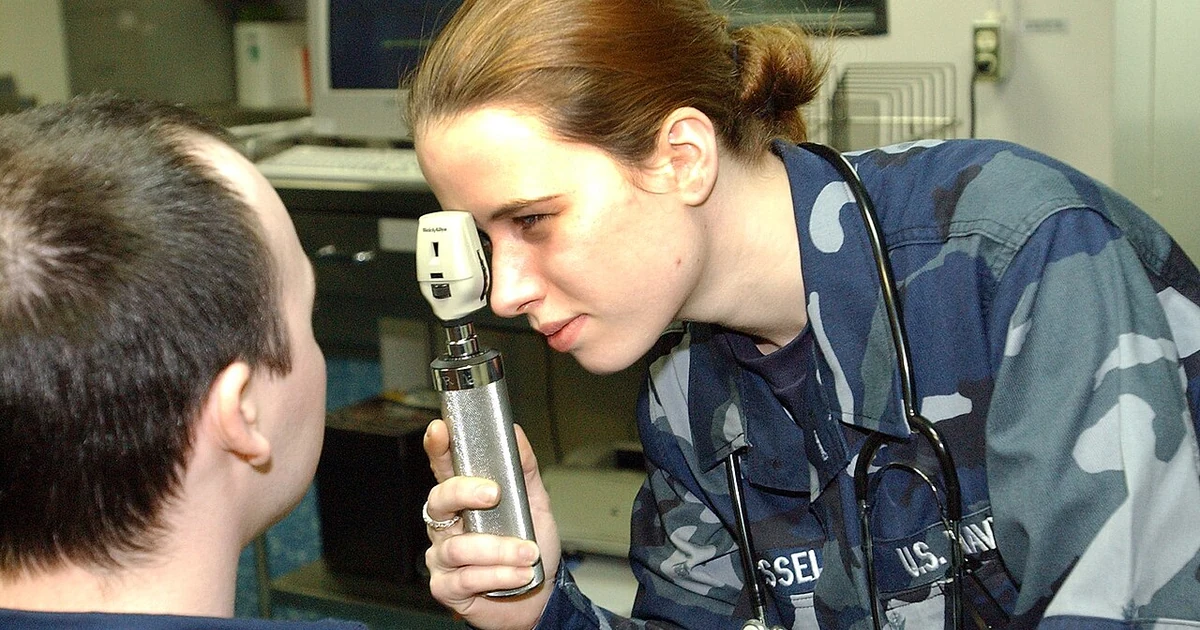
Photo: U.S. Navy photo by Journalist 1st Class Donald P. Rule · License: Public domain · Cropped and resized. Testing a Participant-Facing Protocol Summary
Participant Experience and Site Practice
A participant-facing summary requires more than shortening technical protocol sentences.
Published:

Photo: Ernie Branson (Photographer) · License: Public domain · Cropped and resized. Reviewing Balanced Language in Study Advertisements
Participant Experience and Site Practice
An advertisement should help suitable people seek information about research.
Published:

Photo: Shixart1985 · License: CC BY 2.0 · Cropped and resized. Handling Candidate Details During Study Referrals
Participant Experience and Site Practice
A referral from a clinic to a research site does not automatically require transfer of the person’s entire health record.
Published:

Photo: NCI Clinical Center/Mathews Media Group · License: Public domain · Cropped and resized. Limiting Information Collected During Study Prescreening
Participant Experience and Site Practice
Prescreening can guide a potential candidate toward a detailed research discussion.
Published:
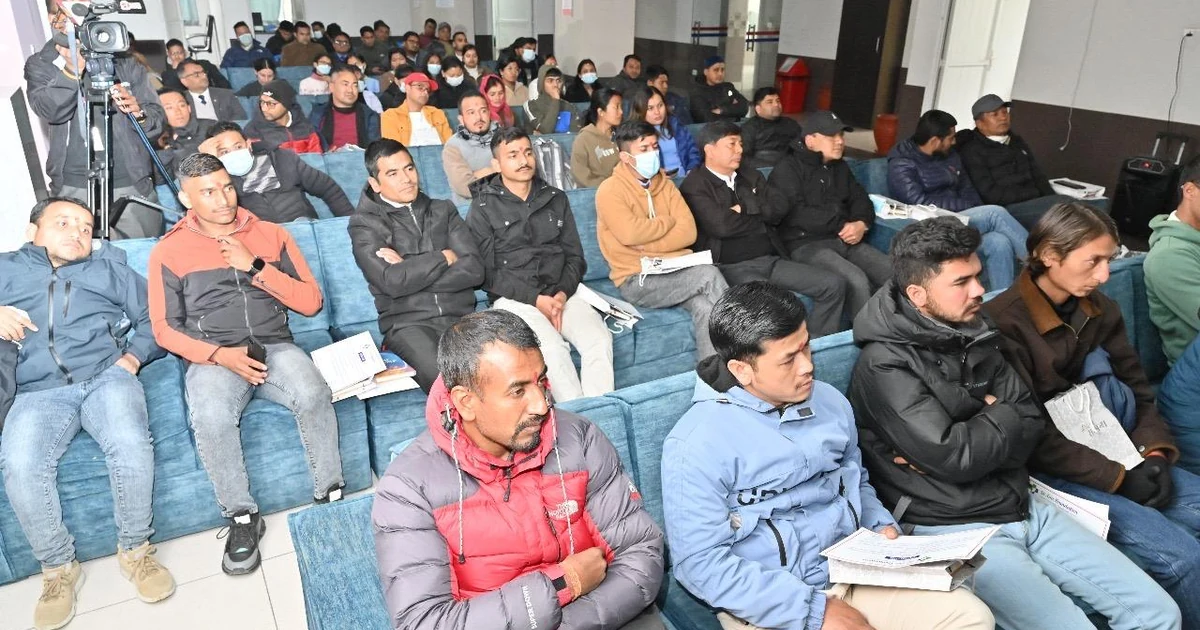
Photo: Herono1again · License: CC0 · Cropped and resized. Communicating with Candidates Who Are Not Eligible
Participant Experience and Site Practice
Being ineligible for a trial is not a judgment about someone’s worth or overall health.
Published:

Photo: Unknown photographer · License: Public domain · Cropped and resized. Managing Expectations on Study Interest Lists
Participant Experience and Site Practice
A list of people interested in a trial can be mistaken for a guaranteed enrollment queue or access to treatment.
Published:
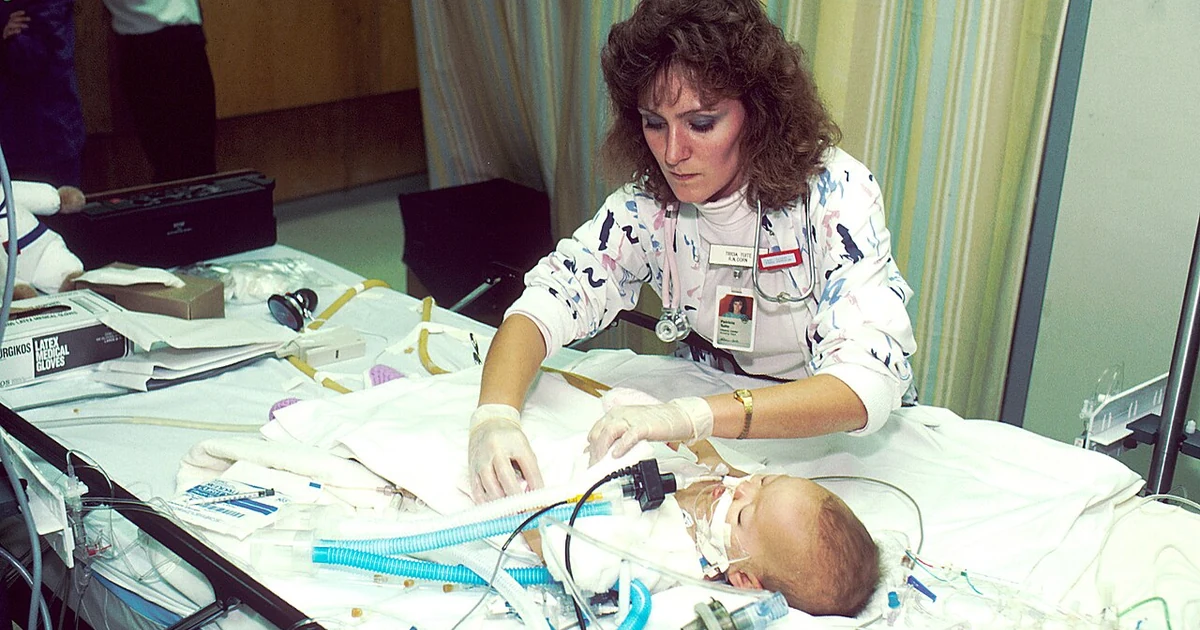
Photo: Bill Branson (Photographer) · License: Public domain · Cropped and resized. Reading Recruitment Funnels Through Participant Experience
Participant Experience and Site Practice
Counts of invitations, discussions, screening and enrollment identify where numbers change, but do not explain why.
Published:
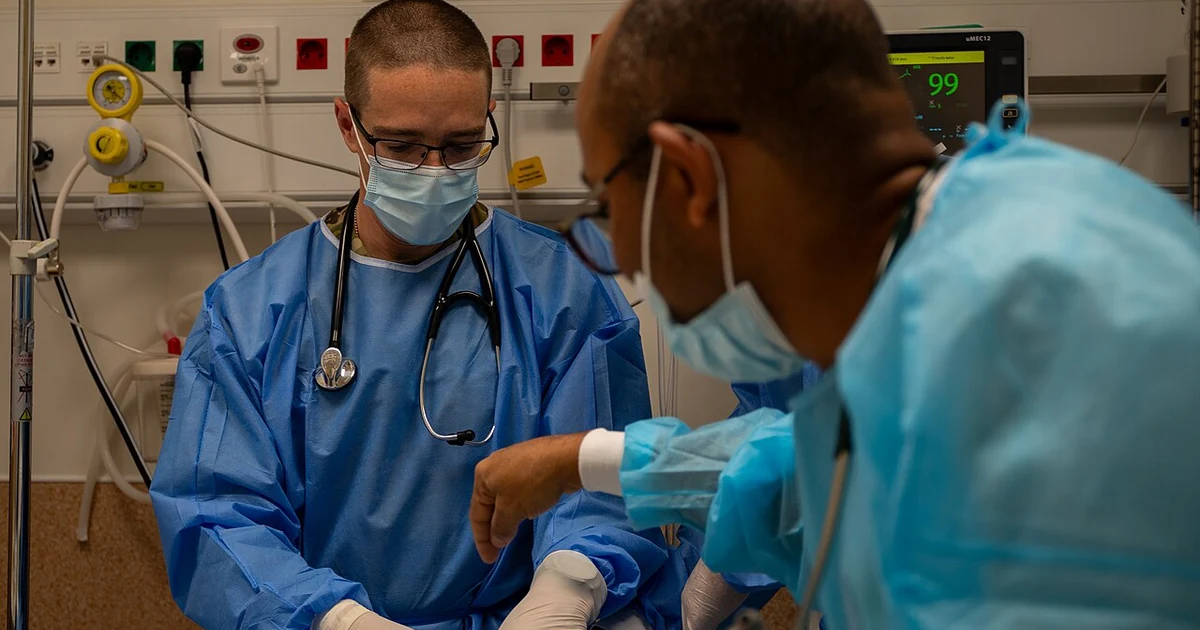
Photo: U.S. Army photo by 1st Lt. Katherine Sibilla · License: Public domain · Cropped and resized. Helping Participants Access Aggregate Study Results
Participant Experience and Site Practice
Participants may want to know what a study learned without knowing where or when results will be available.
Published:
Photo: Shixart1985 · License: CC BY 2.0 · Cropped and resized. Checking Participant Privacy During Remote Study Visits
Participant Experience and Site Practice
A working connection does not mean a participant can speak freely.
Published:
Photo: Official Navy Page from United States of America MCSN Joseph A. Boomhower/U.S. Navy · License: Public domain · Cropped and resized. Planning for Connection Failure During Remote Visits
Participant Experience and Site Practice
A lost connection can mean an incomplete research assessment rather than a minor inconvenience.
Published:
Photo: U.S. Navy photo by Mass Communication Specialist 1st Class Anthony Dallas · License: Public domain · Cropped and resized. Supporting First Use of a Loaned Study Device
Participant Experience and Site Practice
Handing a device to a participant does not demonstrate that it is ready for use.
Published:
Photo: Goleisureintl · License: CC BY 4.0 · Cropped and resized. Planning Household Communication for Home Study Visits
Participant Experience and Site Practice
A home visit may reduce travel while introducing privacy and coordination questions.
Published:
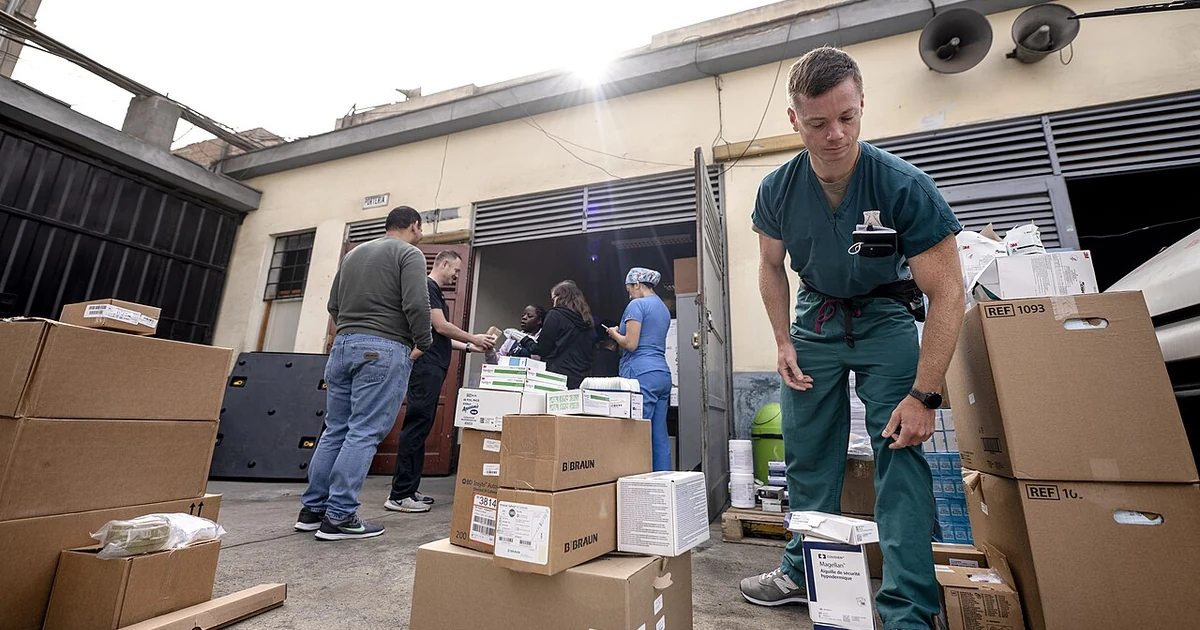
Photo: U.S. Air Force photo by Tech. Sgt. Devin Boyer · License: Public domain · Cropped and resized. Explaining Local Provider Handoffs to Participants
Participant Experience and Site Practice
When a research activity takes place with a local healthcare provider, a participant may be unsure whom to ask about different issues.
Published:
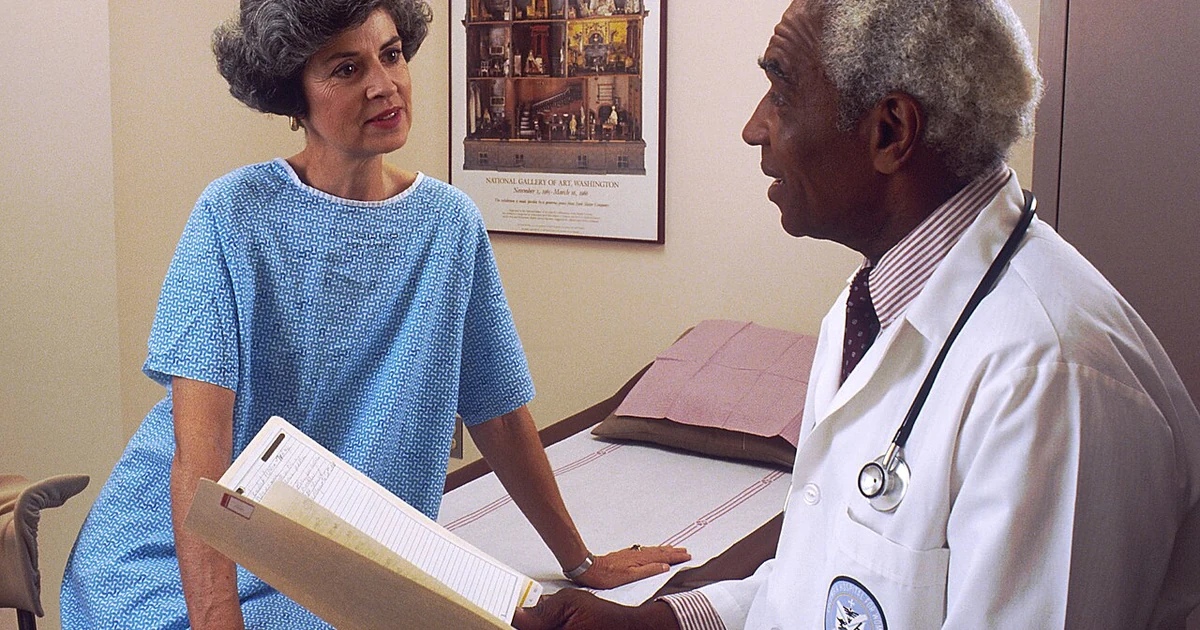
Photo: Bill Branson (Photographer) · License: Public domain · Cropped and resized. Agreeing Reminder Preferences for Study Diaries
Participant Experience and Site Practice
A diary reminder may help at the right moment and create avoidable burden at the wrong one.
Published:
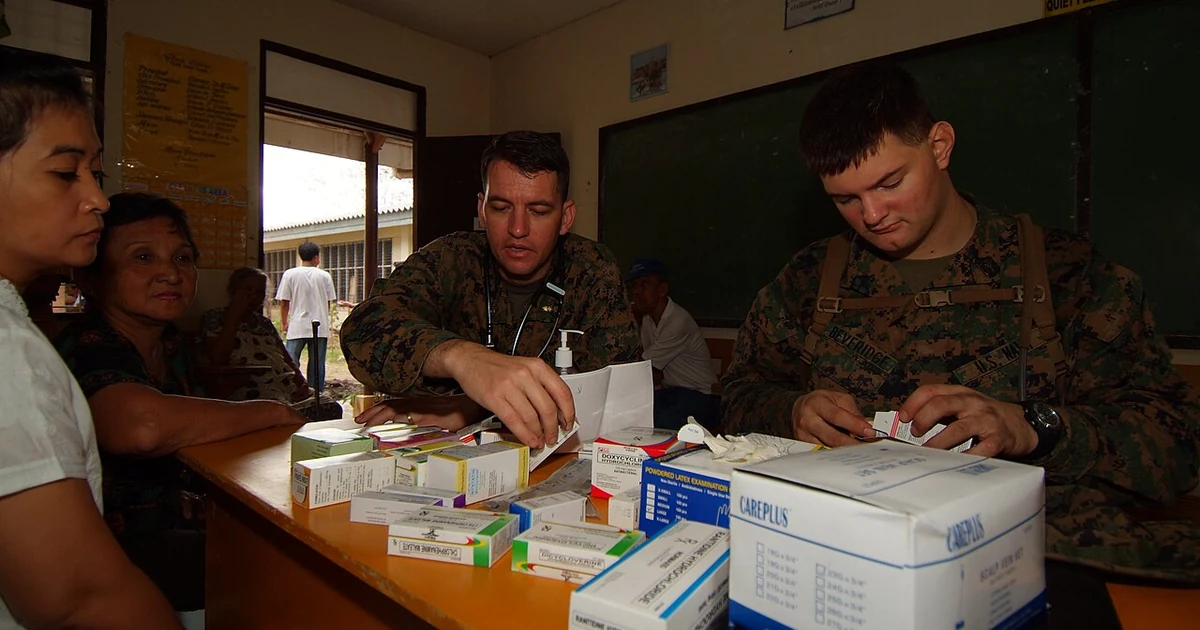
Photo: U.S. Navy photo by Mass Communication Specialist 2nd Class Joshua Wahl · License: Public domain · Cropped and resized. Handling Language Preference Changes During Participation
Participant Experience and Site Practice
The language selected at enrollment may not work equally well throughout a study.
Published:

Photo: Rhoda Baer (Photographer) · License: Public domain · Cropped and resized. Making Participant Complaint Routes Understandable
Participant Experience and Site Practice
Participants should know whom to contact within the study and which independent route is available when they have a concern.
Published:
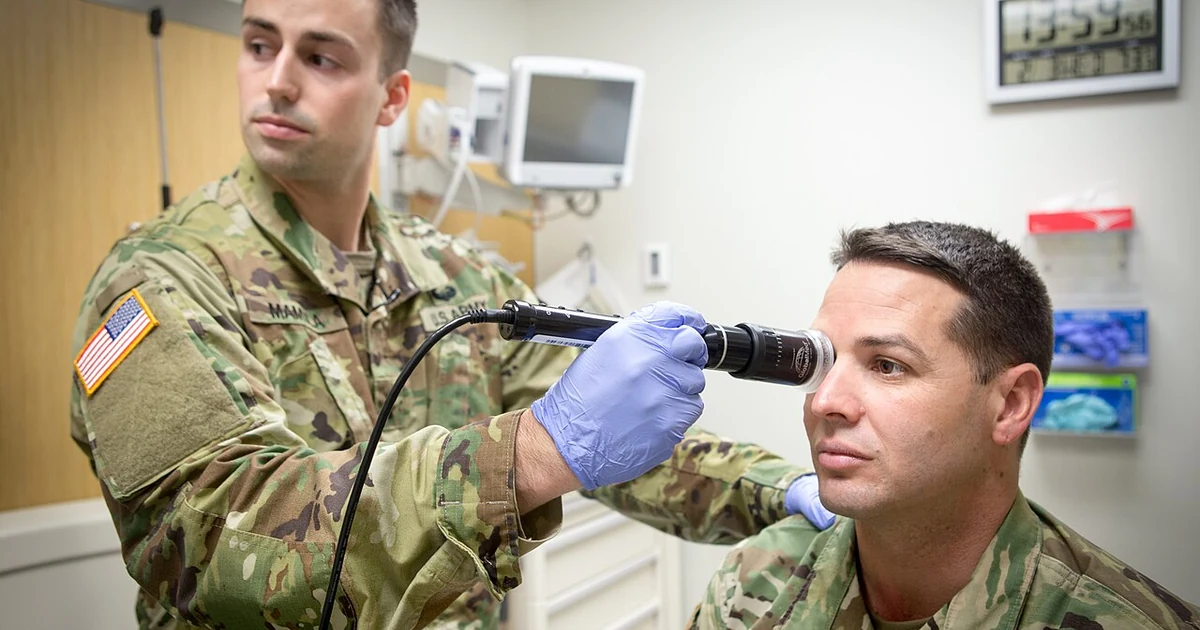
Photo: David Gillespie · License: Public domain · Cropped and resized. Separating Community Engagement from Study Enrollment
Participant Experience and Site Practice
Discussions with community representatives may help a study understand local needs.
Published:
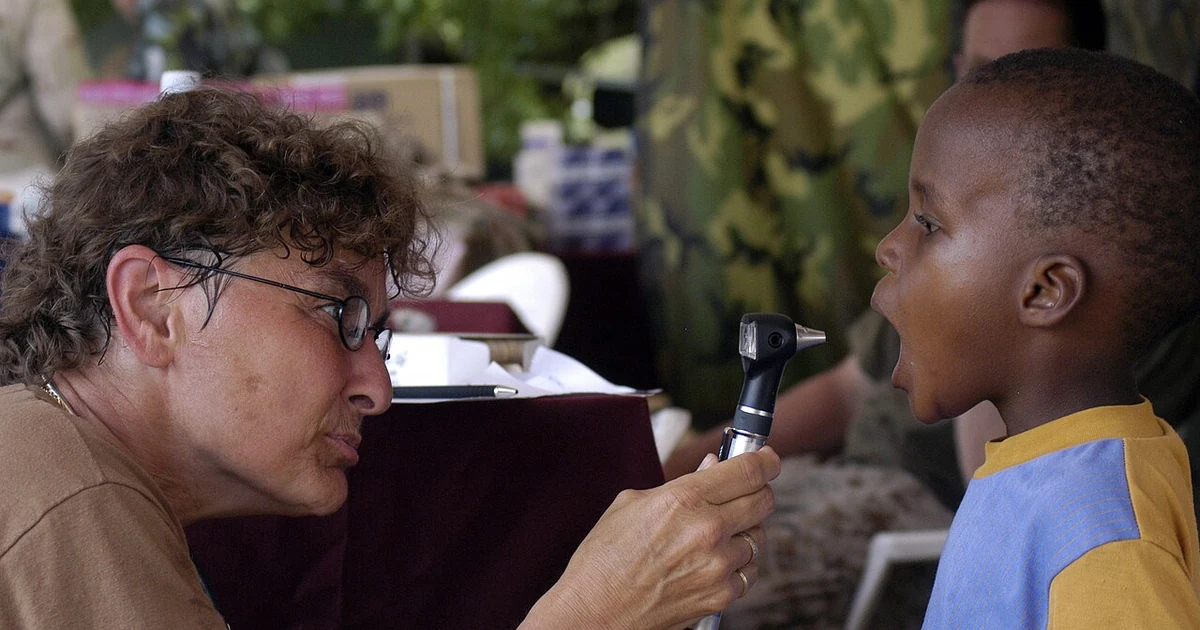
Photo: U.S. Navy photo by Mass Communication Specialist 2nd Class Jeremy L. Grisham · License: Public domain · Cropped and resized. Closing Practical Tasks at the End of Participation
Participant Experience and Site Practice
A final study visit does not automatically close every practical responsibility.
Published:
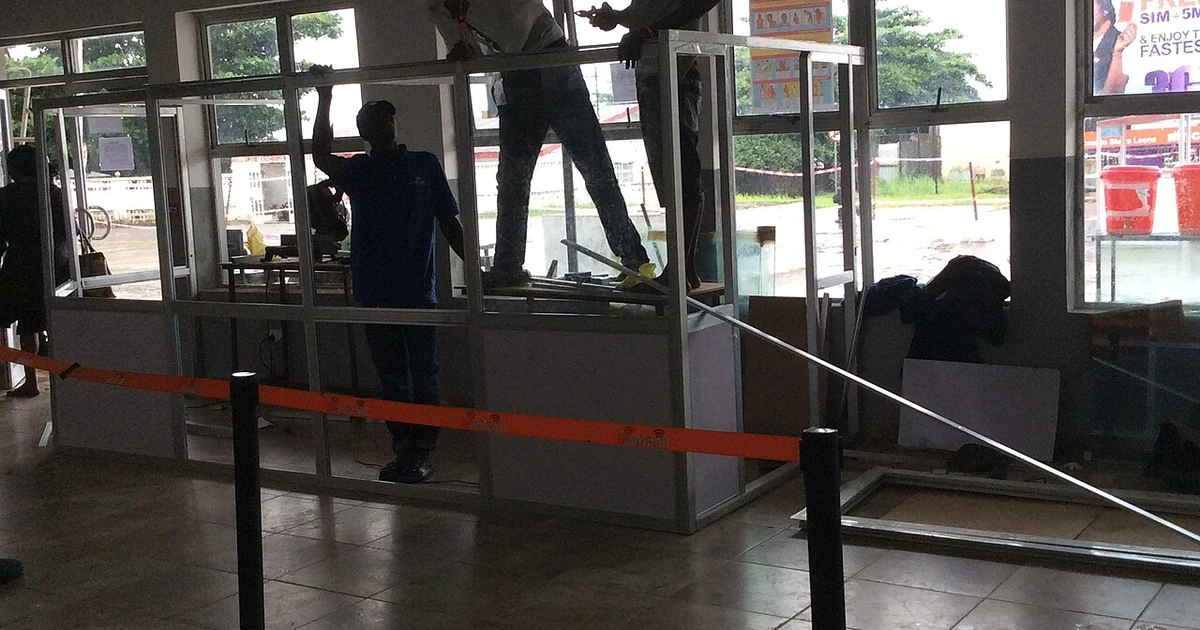
Photo: CDC Global · License: CC BY 2.0 · Cropped and resized. Helping Participants Find the Site for a First Visit
Participant Experience and Site Practice
A hospital name and appointment time may not be enough for someone to find the correct research unit.
Published:
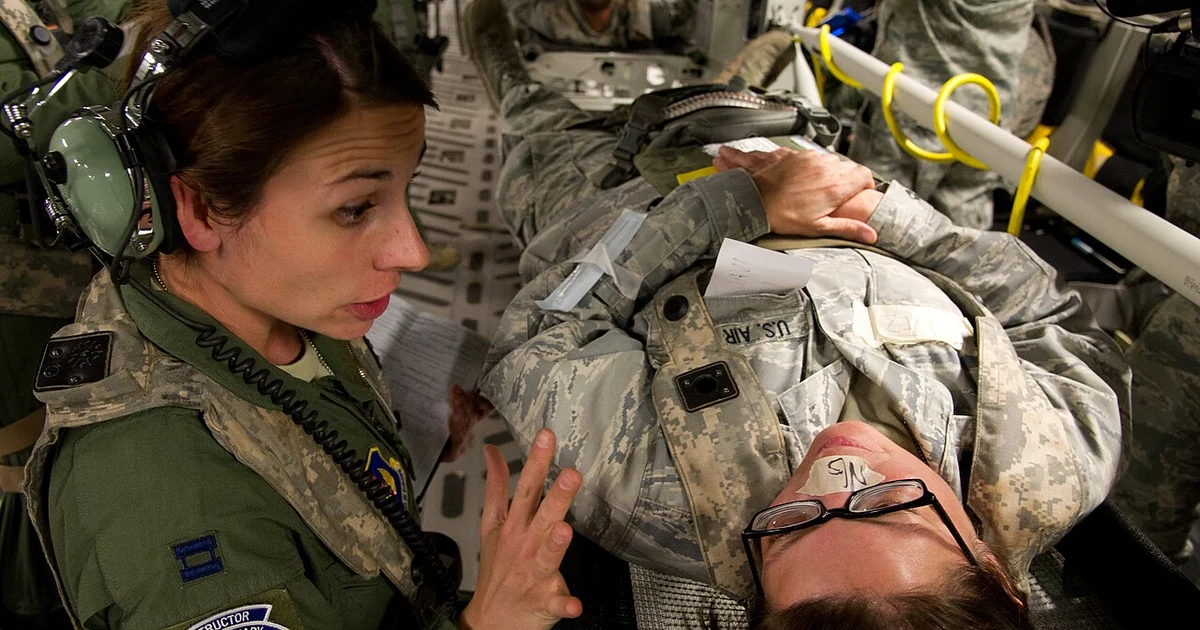
Photo: TSgt Matthew Smith · License: Public domain · Cropped and resized. Preserving Privacy During Research Visit Check-In
Participant Experience and Site Practice
Confirming the correct person at check-in is important, but does not require announcing sensitive details to everyone nearby.
Published:
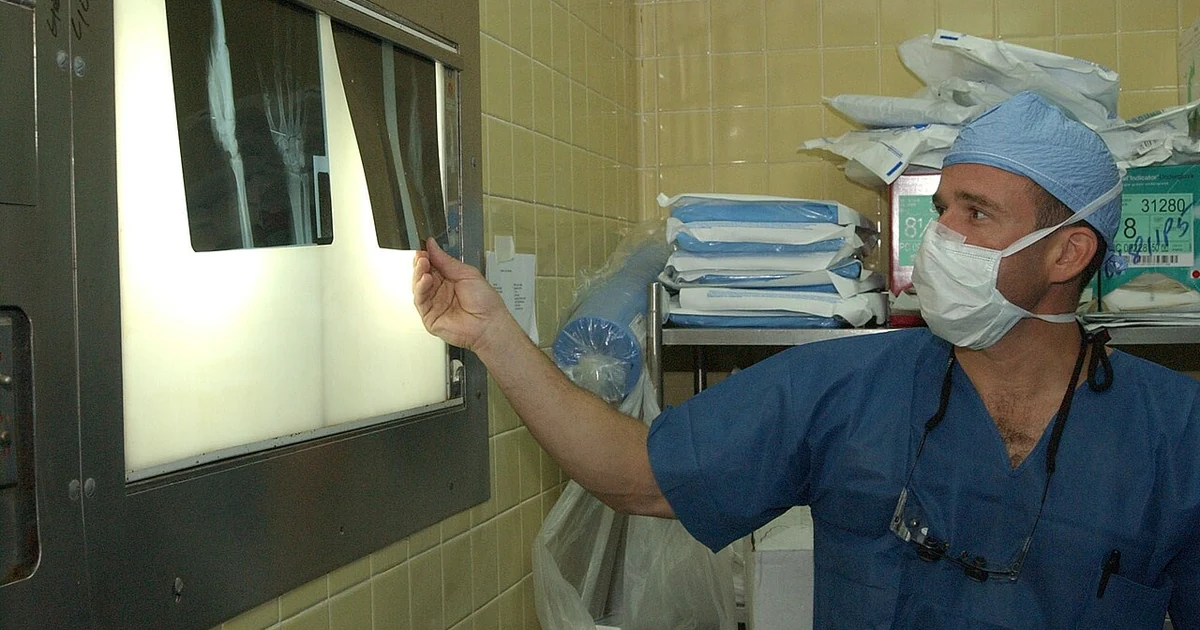
Photo: Tech. Sgt. Cohrs, U.S. Army · License: Public domain · Cropped and resized. Communicating Unexpected Delays During Study Visits
Participant Experience and Site Practice
A longer wait can affect a participant’s work, travel or caring arrangements.
Published:

Photo: Rhoda Baer (Photographer) · License: Public domain · Cropped and resized. Making Space for Participant Questions in Visit Agendas
Participant Experience and Site Practice
While scheduled procedures are being completed, a participant’s own question can be squeezed into the final moments.
Published:
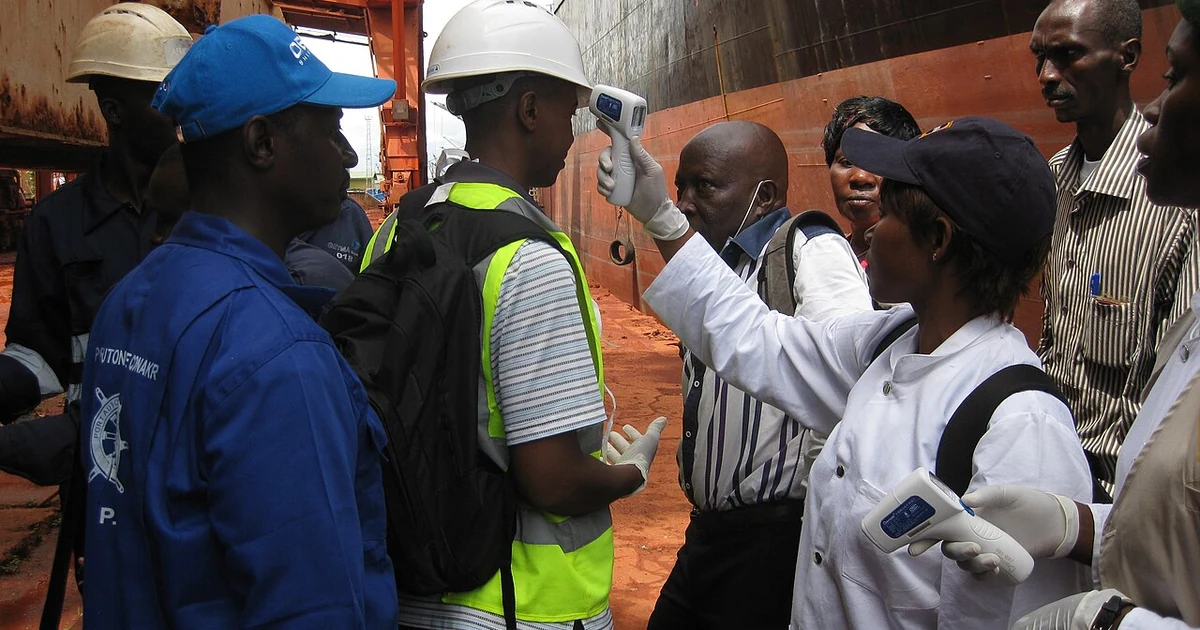
Photo: CDC Global · License: CC BY 2.0 · Cropped and resized. Preventing Misinterpretation of Visit Preparation Instructions
Participant Experience and Site Practice
Even a short preparation message can affect visit safety or interpretation of measurements if misunderstood.
Published:
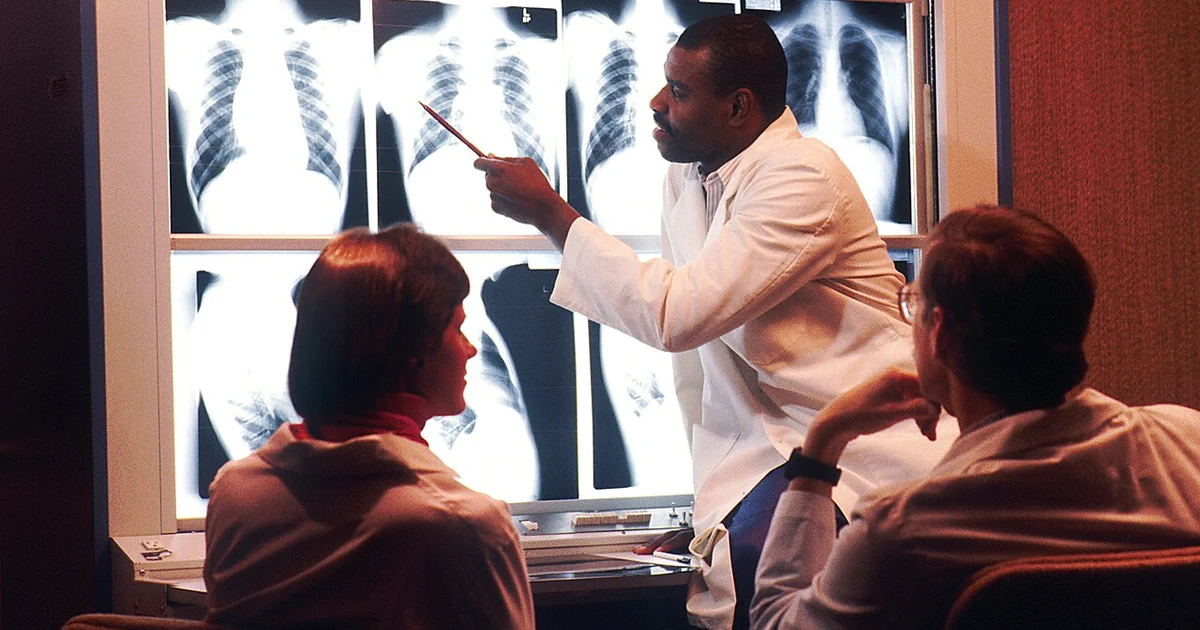
Photo: Bill Branson (Photographer) · License: Public domain · Cropped and resized. Discussing How to Report Other Medicines and Products
Participant Experience and Site Practice
A participant may not fully understand which medicines or products the study team wants to know about.
Published:
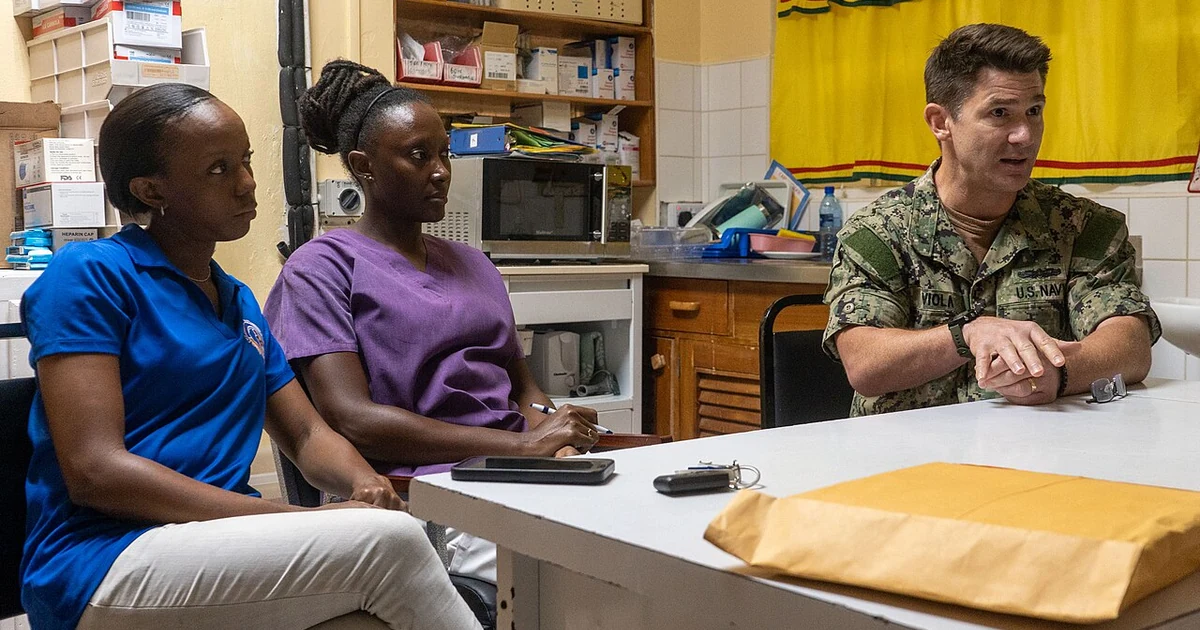
Photo: U.S. Navy photo by Petty Officer 2nd Class Jonas Womack · License: Public domain · Cropped and resized. Clarifying Which Documents to Bring to a Study Visit
Participant Experience and Site Practice
Telling participants to bring “all your documents” can create unnecessary carrying and disclose excessive personal information.
Published:
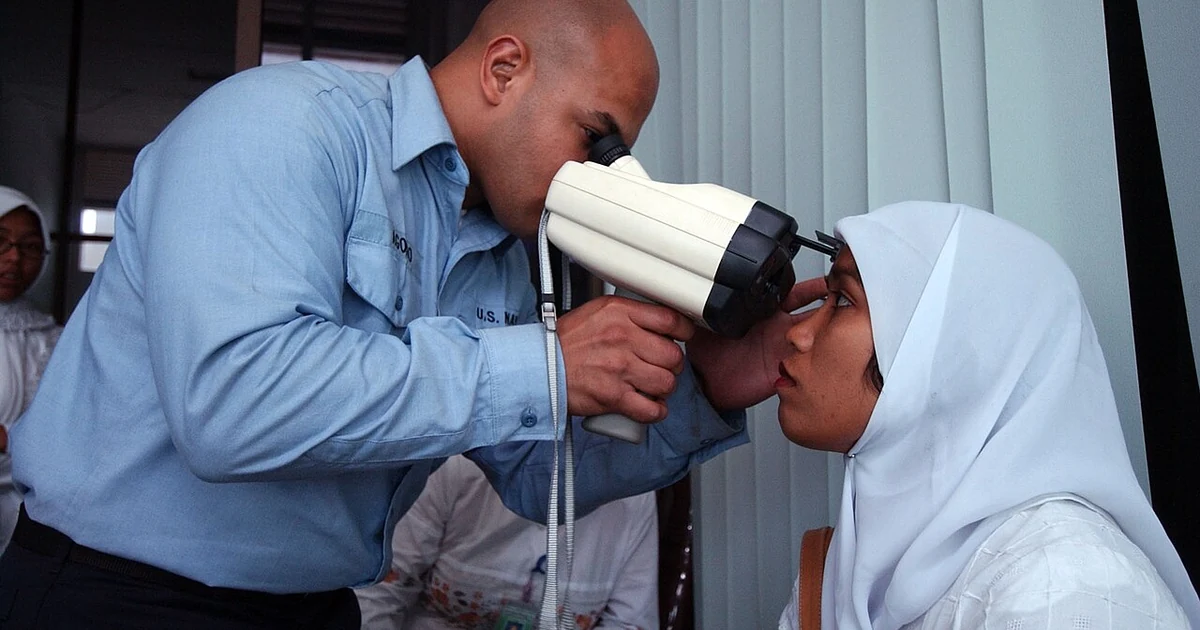
Photo: U.S. Navy photo by Photographer's Mate 2nd Class Timothy Smith · License: Public domain · Cropped and resized. Explaining Parking and Drop-Off for Study Visits
Participant Experience and Site Practice
For someone arriving by car, parking may involve a long walk, uncertain charges or difficulty finding a space.
Published:
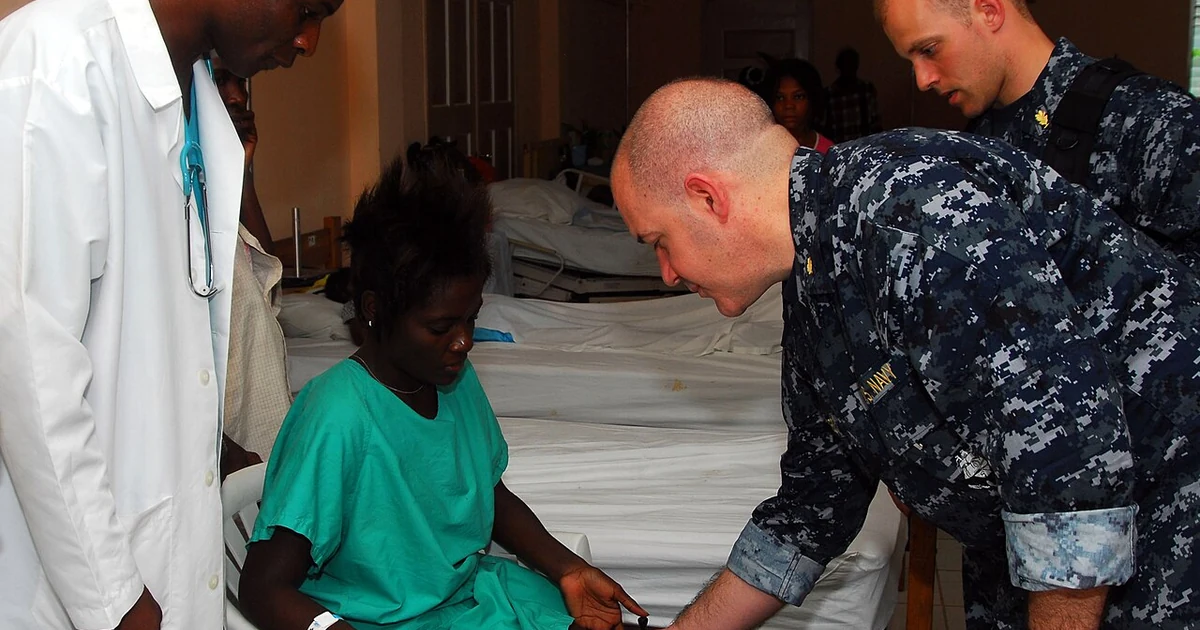
Photo: U.S. Navy photo by Mass Communication Specialist 2nd Class Shannon Warner · License: Public domain · Cropped and resized. Checking Site Routes for Participants Needing Mobility Support
Participant Experience and Site Practice
An accessible building entrance does not establish that the entire study visit route is usable.
Published:
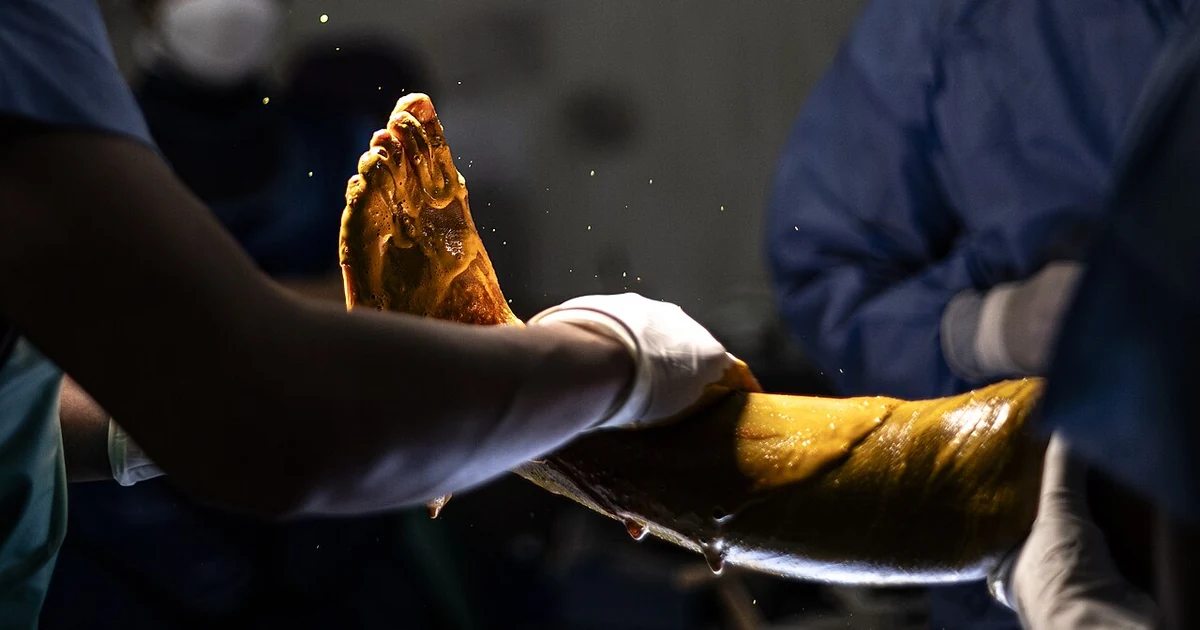
Photo: U.S. Air Force photo by Tech. Sgt. Devin Boyer · License: Public domain · Cropped and resized. Discussing Sensory Environment Needs for Study Visits
Participant Experience and Site Practice
Noise, bright lighting or a crowded waiting area can make a research visit difficult for some people.
Published:

Photo: Shixart1985 · License: CC BY 2.0 · Cropped and resized. Discussing Breaks and Basic Needs During Study Visits
Participant Experience and Site Practice
People need to be able to describe basic needs during a long visit.
Published:

Photo: Kwameghana · License: CC BY-SA 4.0 · Cropped and resized. Listening to Fatigue During Long Study Visits
Participant Experience and Site Practice
A participant may communicate fatigue in different ways during a visit.
Published:

Photo: Unknown photographer · License: Public domain · Cropped and resized. Distinguishing Diary Assistance from Answering for a Participant
Participant Experience and Site Practice
Helping someone use a recording tool is different from interpreting their experience on their behalf.
Published:

Photo: National Cancer Institute · License: Public domain · Cropped and resized. Making Space for Adolescent Participants’ Own Questions
Participant Experience and Site Practice
An adolescent’s presence in a research discussion does not demonstrate that their questions are being heard.
Published:
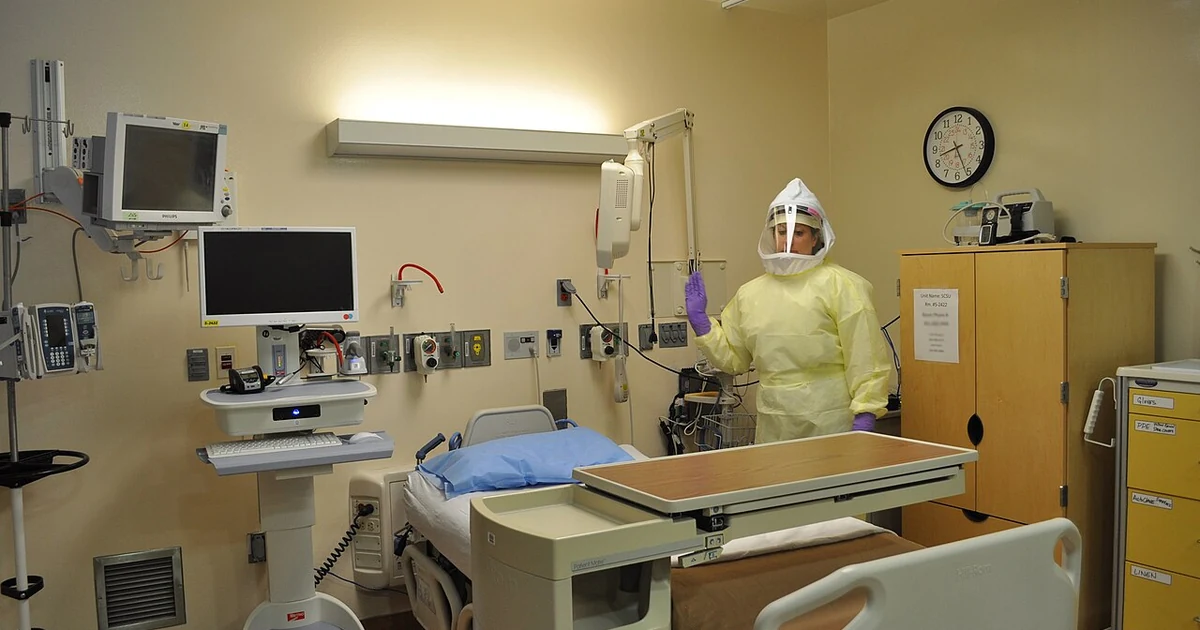
Photo: NIAID · License: CC BY 2.0 · Cropped and resized. Reviewing Changing Representation Status in Long Studies
Participant Experience and Site Practice
In a long-running study, the original representation or permission arrangement may not remain unchanged.
Published:
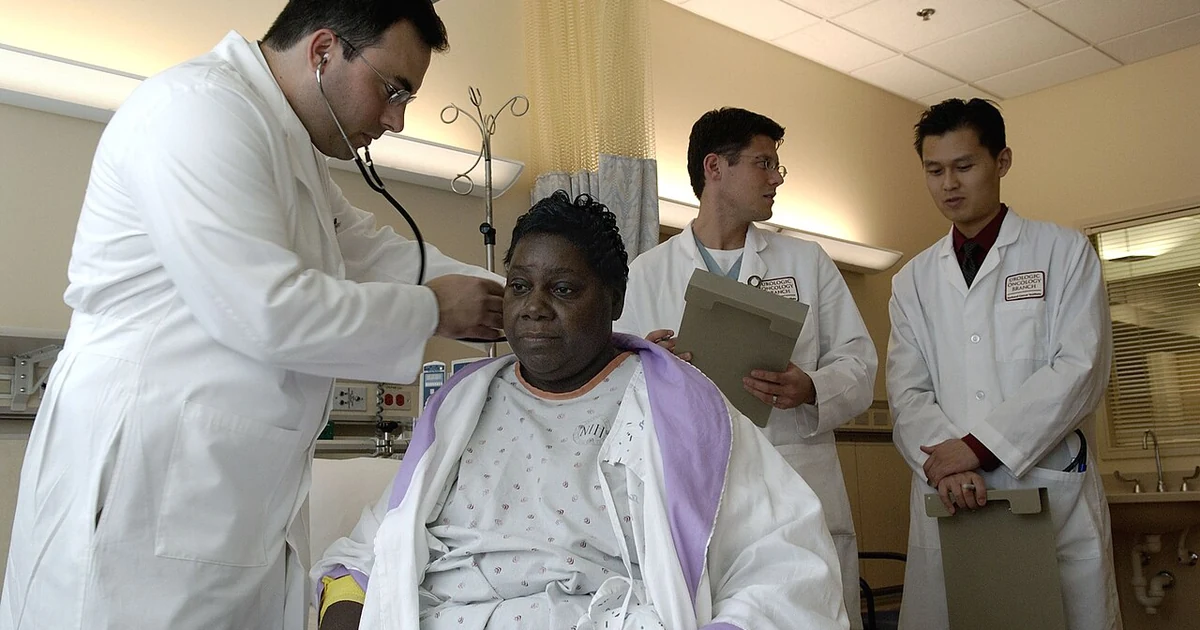
Photo: Unknown photographer · License: Public domain · Cropped and resized. Explaining Coordinator Changes to Study Participants
Participant Experience and Site Practice
When research staff change, a participant may continue calling an old number or doubt the identity of a new contact.
Published:
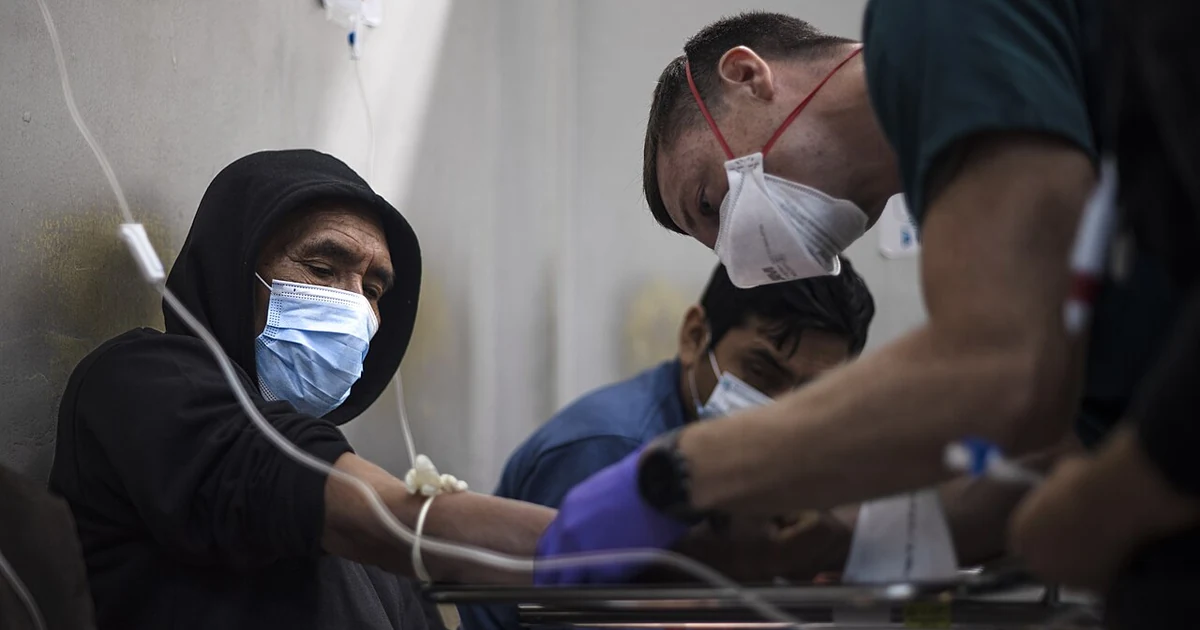
Photo: U.S. Air Force photo by Tech. Sgt. Devin Boyer · License: Public domain · Cropped and resized. Clarifying the Role of a Participant Emergency Contact
Participant Experience and Site Practice
Requesting emergency contact details does not mean that person can receive every study detail or make decisions for the participant.
Published:
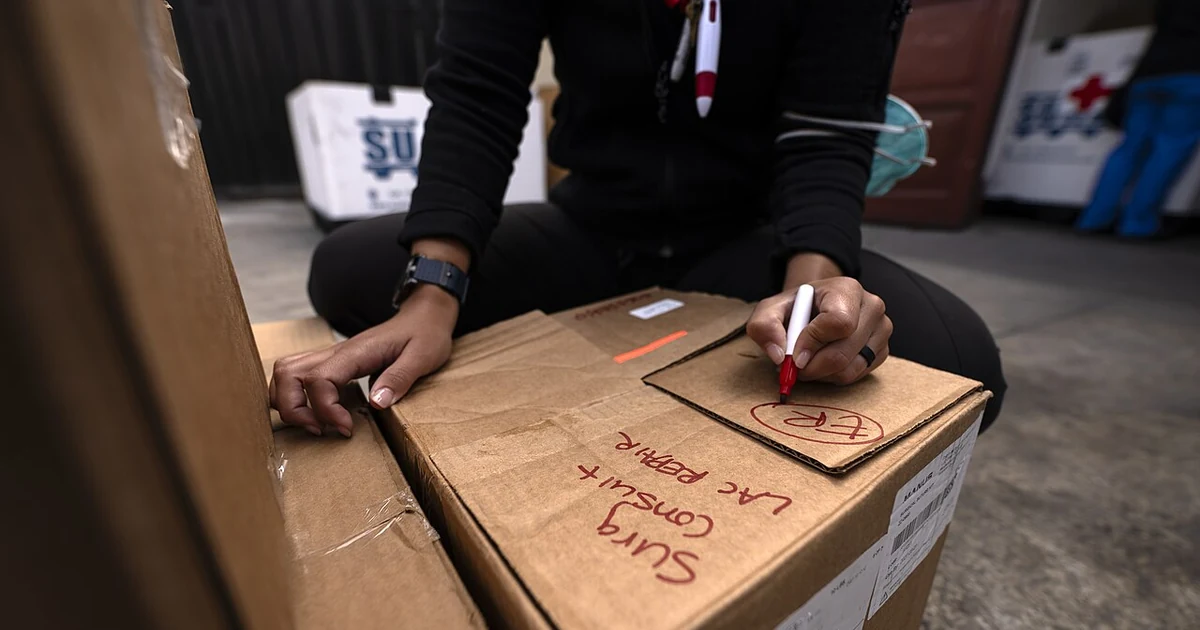
Photo: U.S. Air Force photo by Tech. Sgt. Devin Boyer · License: Public domain · Cropped and resized. Arranging Privacy-Conscious Delivery of Study Materials
Participant Experience and Site Practice
Sending study materials home can reduce travel, but the delivery process may reveal personal information.
Published:
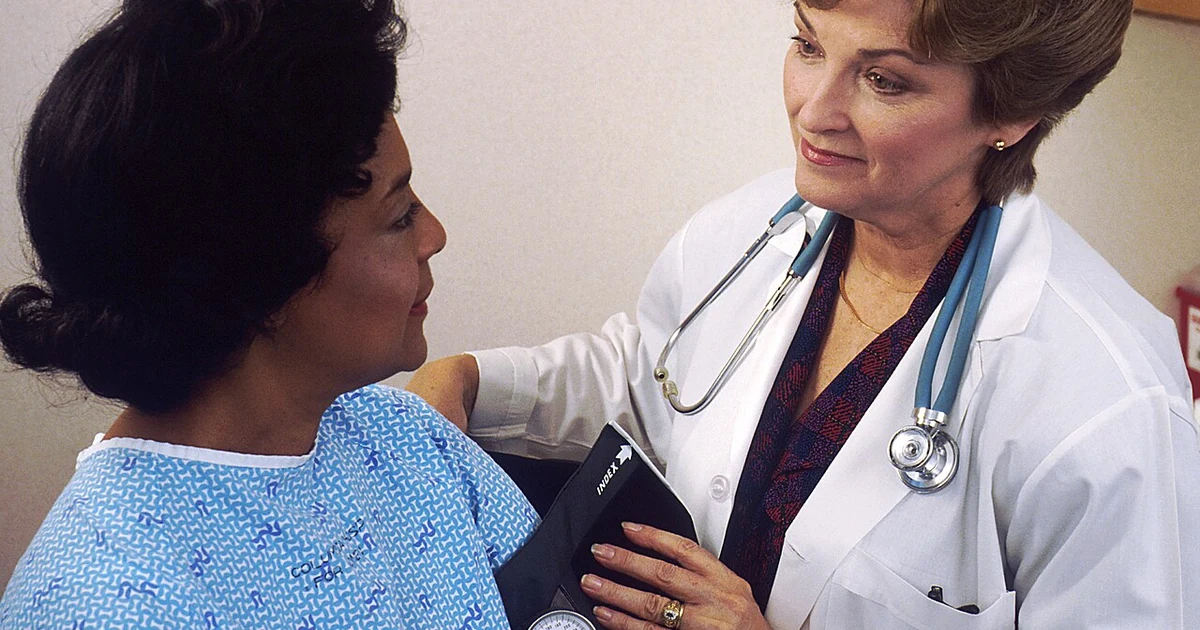
Photo: Bill Branson (Photographer) · License: Public domain · Cropped and resized. Preventing Confusion Between Home Study Instruction Versions
Participant Experience and Site Practice
A participant may have a printed guide, a phone message and an application screen at the same time.
Published:

Photo: U.S. Air Force photo by Tech. Sgt. Devin Boyer · License: Public domain · Cropped and resized. Explaining Home Sample Pickup Coordination to Participants
Participant Experience and Site Practice
In studies involving home sample collection, participants need to know their own tasks and what an authorized provider handles.
Published:
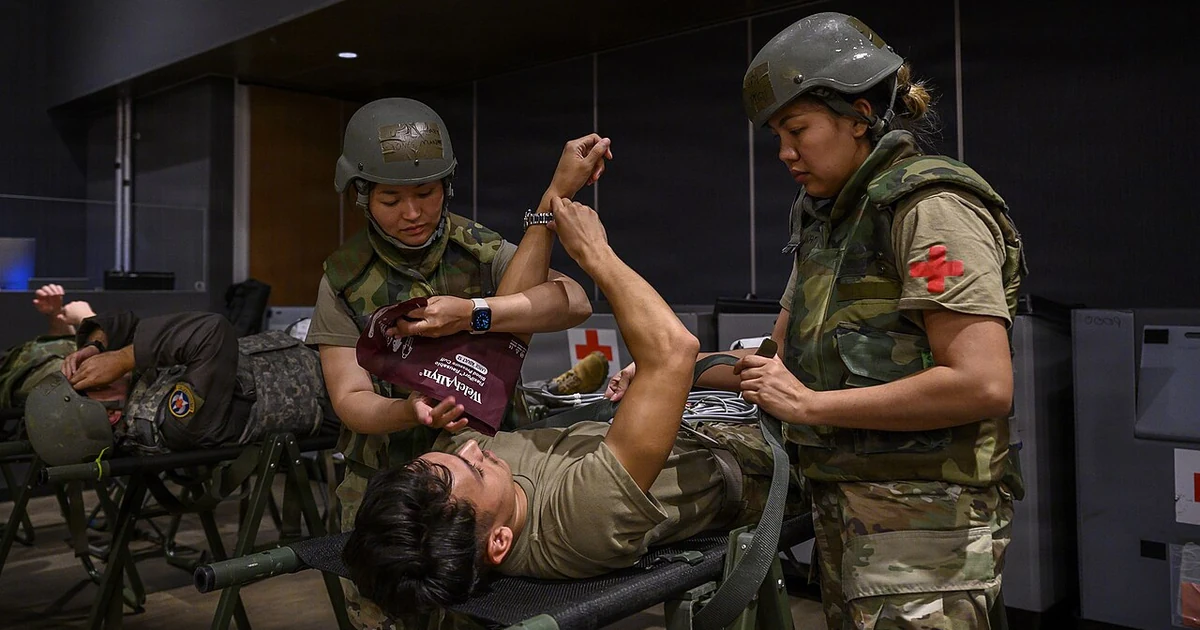
Photo: U.S. Air Force photo by Airman 1st Class Francisco Huerta · License: Public domain · Cropped and resized. Reviewing Location Changes Before Remote Study Visits
Participant Experience and Site Practice
Remote access does not mean a participant can perform every study activity under identical conditions anywhere.
Published:

Photo: U.S. Air Force photo by Senior Airman Melany Bermudez · License: Public domain · Cropped and resized. Discussing Participant Travel Plans Within Study Scheduling
Participant Experience and Site Practice
Holidays, family visits and temporary work travel can overlap with research tasks.
Published:
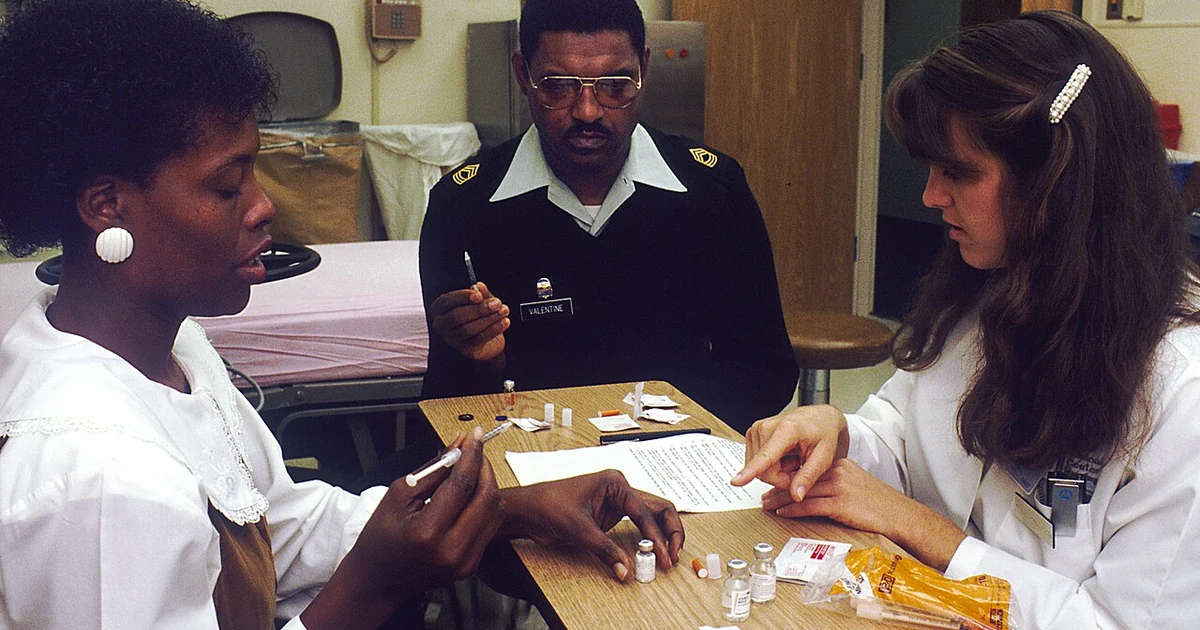
Photo: Bill Branson (Photographer) · License: Public domain · Cropped and resized. Restoring Participant Access After a Phone Change
Participant Experience and Site Practice
A participant who changes phones may lose application or verification access even after updating their contact number.
Published:

Photo: Unknown photographer · License: Public domain · Cropped and resized. Supporting Participants Reporting a Lost Study Device
Participant Experience and Site Practice
Someone who loses a study device may delay reporting because they fear blame.
Published:
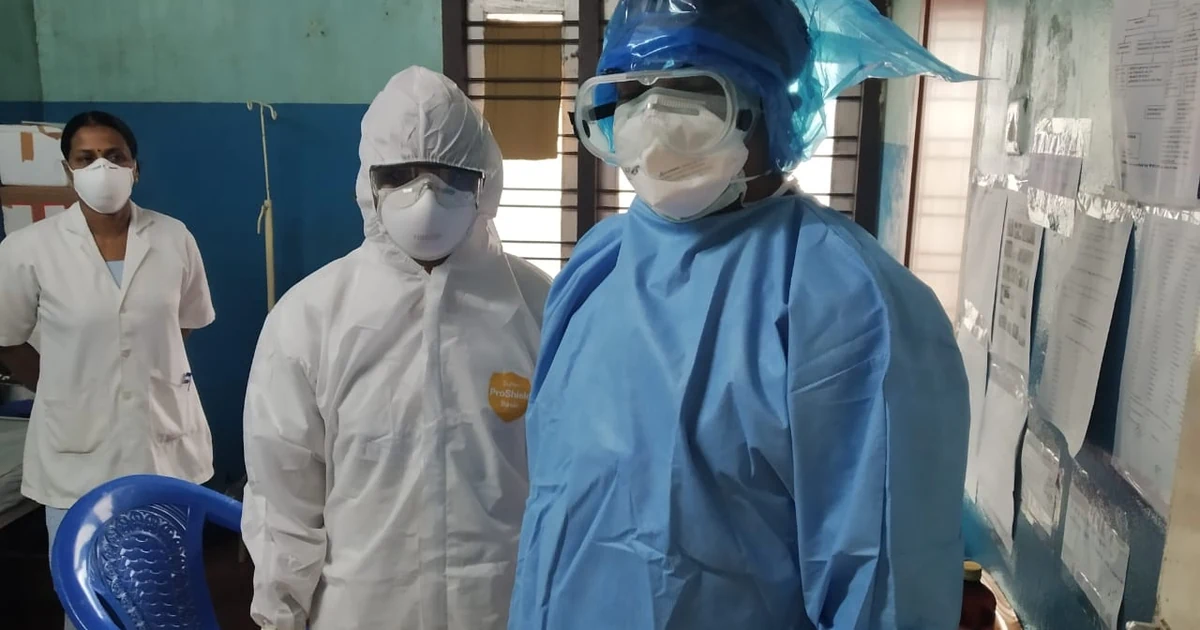
Photo: Javed Anees · License: CC0 · Cropped and resized. Questioning Personal-Device Assumptions in Digital Studies
Participant Experience and Site Practice
Owning a smartphone does not establish suitable access for a study application.
Published:

Photo: Rhoda Baer (photographer) · License: Public domain · Cropped and resized. Reconciling Automated Reminders After Withdrawal
Participant Experience and Site Practice
Someone who has withdrawn may still receive daily task reminders.
Published:

Photo: Bill Branson (photographer) · License: Public domain · Cropped and resized. Routing Participant Requests to Access Study Records
Participant Experience and Site Practice
When participants ask for their information, the request may cover different record types.
Published:
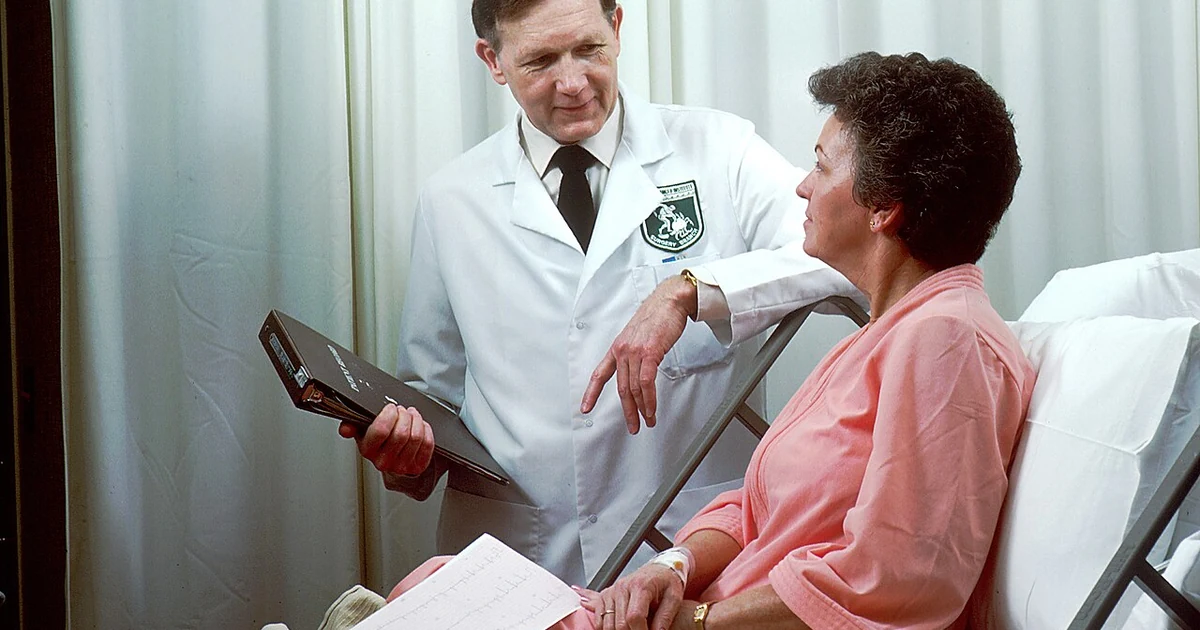
Photo: Bill Branson (Photographer) · License: Public domain · Cropped and resized. Handling Participant Concerns About Inaccurate Records
Participant Experience and Site Practice
A concern about inaccurate information is not necessarily a request to delete a record.
Published:
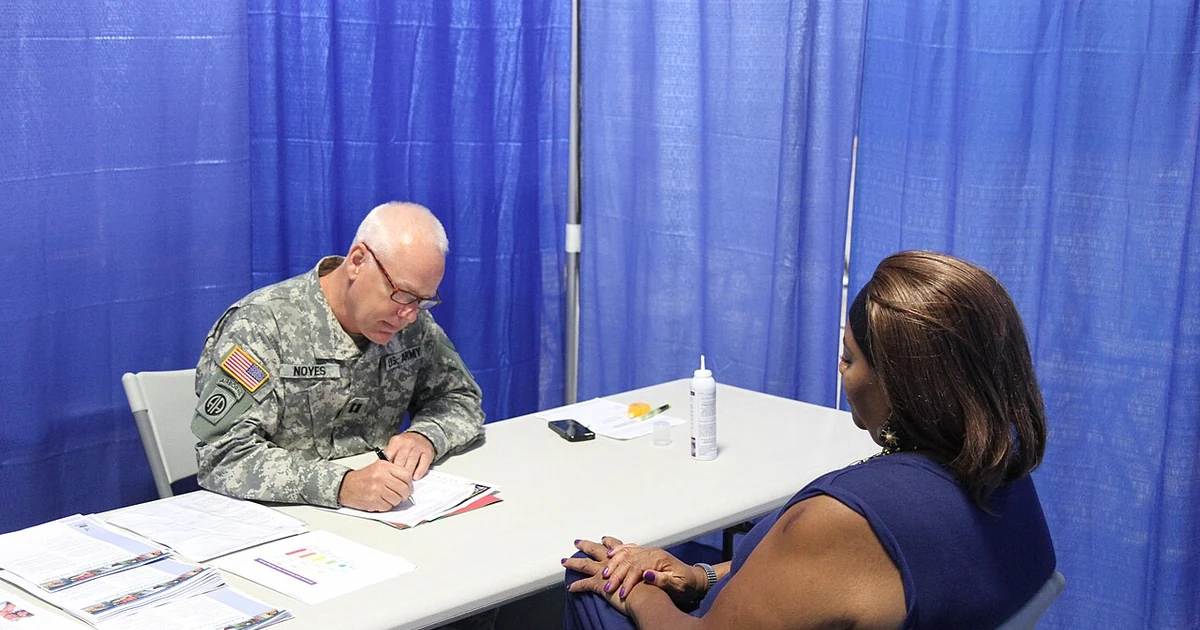
Photo: Capt. Charles An · License: Public domain · Cropped and resized. Providing Participants with an Accessible Consent Copy
Participant Experience and Site Practice
After the consent discussion, participants need to be able to find the information they may want to review.
Published:

Photo: U.S. Air Force photo by Senior Airman Edgar Grimaldo · License: Public domain · Cropped and resized. Clarifying Study Costs and Usual-Care Billing Questions
Participant Experience and Site Practice
Participants may confuse study visits with usual-care services received at the same institution.
Published:
Photo: U.S. Navy photo by Mass Communication Specialist 2nd Class Steven King · License: Public domain · Cropped and resized. Planning Communication from Research to Usual Care
Participant Experience and Site Practice
As participation ends, someone may be unsure whom to contact with later health questions.
Published:
Photo: U.S. Navy photo by Mass Communication Specialist 3rd Class Kelly E. Barnes · License: Public domain · Cropped and resized. Responding to Participant Questions About Treatment Allocation
Participant Experience and Site Practice
A participant may want to know which group they were assigned to.
Published:
Photo: U.S. Air Force photo by Senior Airman Edgar Grimaldo · License: Public domain · Cropped and resized. Clarifying Questions About Future Use of Study Data
Participant Experience and Site Practice
A participant may ask how information given to the current study could be used later.
Published:

Photo: Bill Branson (Photographer) · License: Public domain · Cropped and resized. Discussing Participant Questions About Social Media Sharing
Participant Experience and Site Practice
A participant may want to describe their experience online or read other people’s comments in a community group.
Published:
Photo: Happi Raphael · License: CC BY-SA 4.0 · Cropped and resized. Setting Honest Expectations for Anonymous Participant Feedback
Participant Experience and Site Practice
Calling feedback “anonymous” should not imply that no one could ever identify its source.
Published:
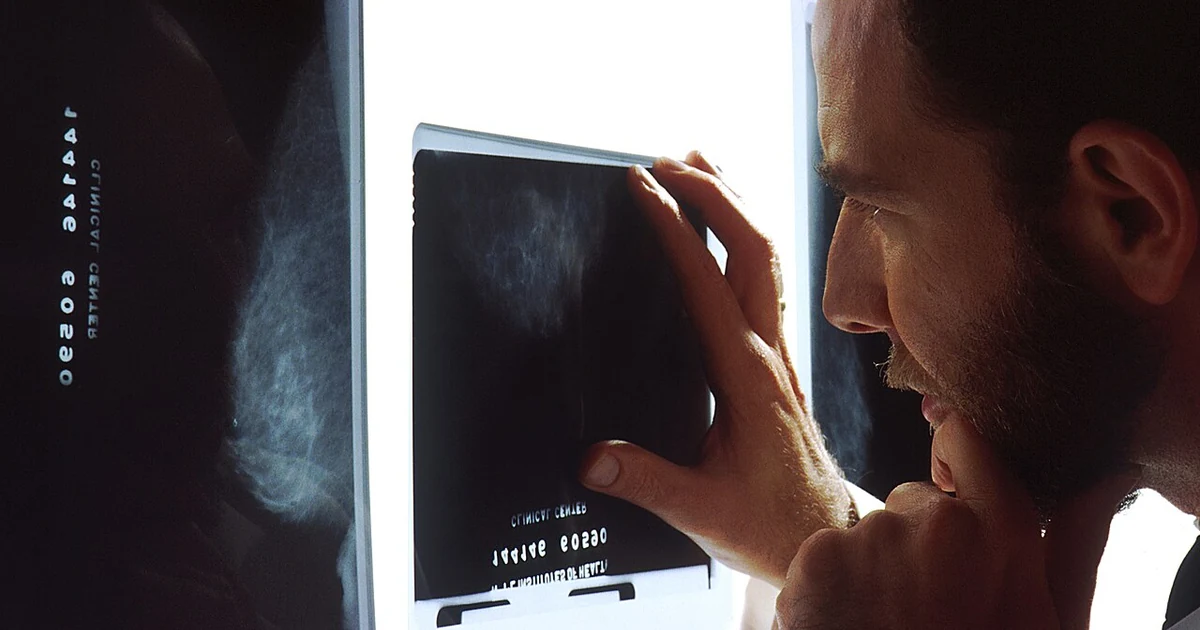
Photo: Bill Branson (photographer) · License: Public domain · Cropped and resized. Separating Advisory Payment from Trial Participation
Participant Experience and Site Practice
Payment or expense support for a patient adviser should not be confused with an incentive to enroll in research.
Published:
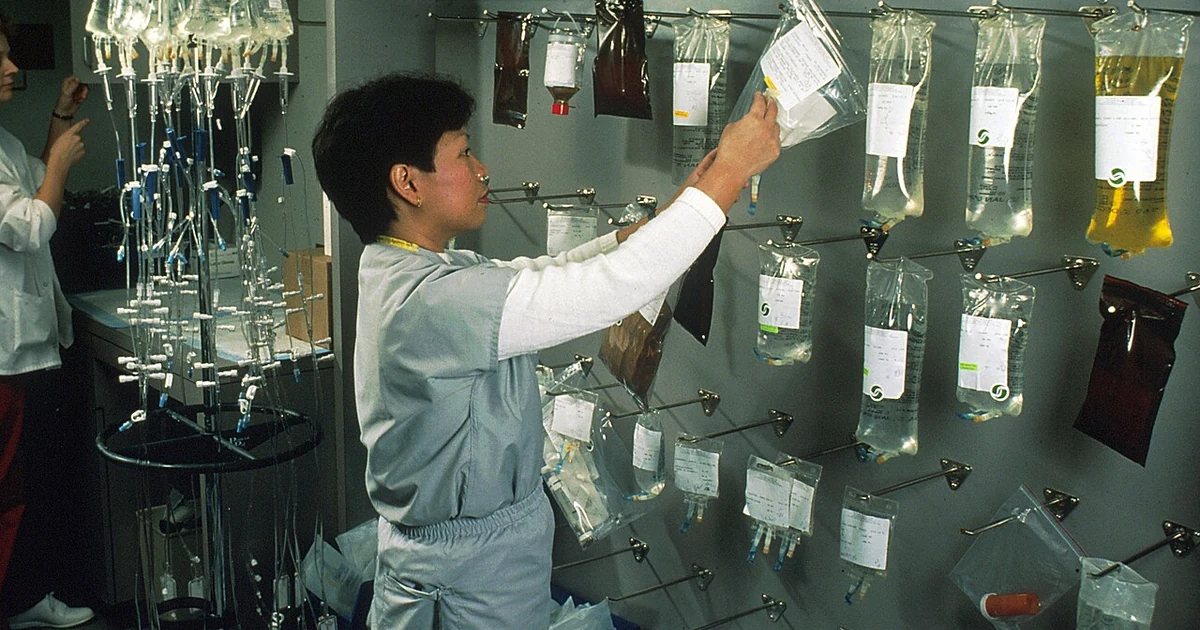
Photo: Bill Branson (Photographer) · License: Public domain · Cropped and resized. Discussing Study Misinformation with Participants
Participant Experience and Site Practice
An online claim or a comment from someone else may make a participant worried about research.
Published:
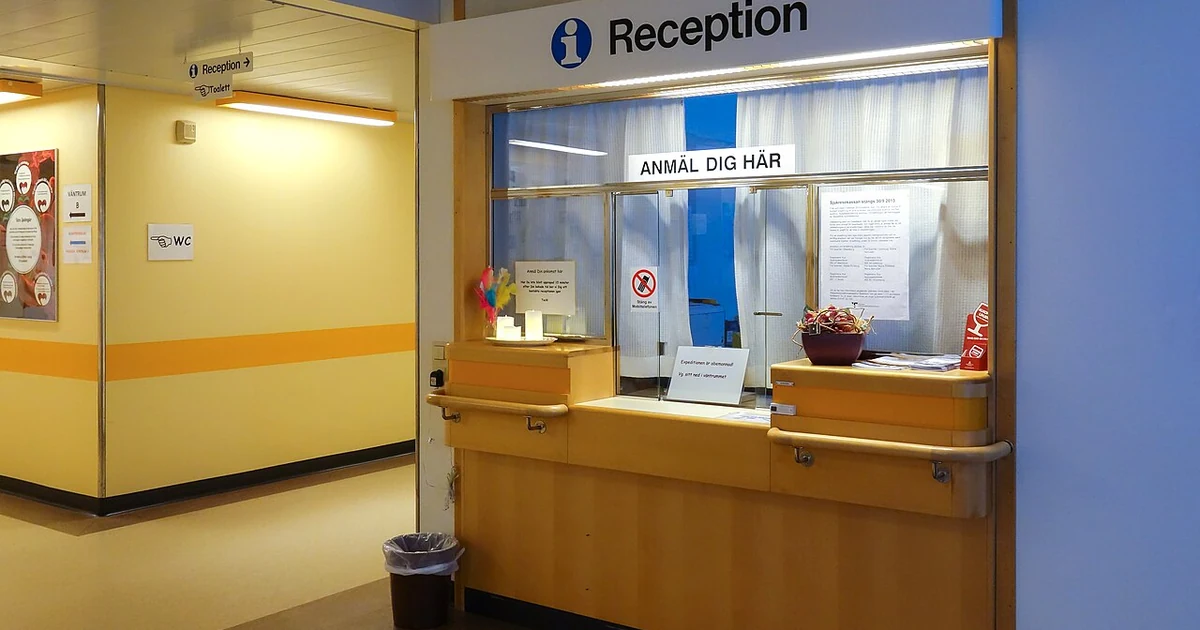
Photo: W.carter · License: CC0 · Cropped and resized. Explaining Major Study-Plan Changes to Participants
Participant Experience and Site Practice
A participant may first hear about a study change through a rumour or cancelled appointment.
Published:

Photo: https://pixabay.com/en/users/DarkoStojanovic-638422/ · License: CC0 · Cropped and resized. Discussing Study Information Sharing with Usual-Care Teams
Participant Experience and Site Practice
A participant may wonder whether their usual healthcare team will know about the research.
Published:
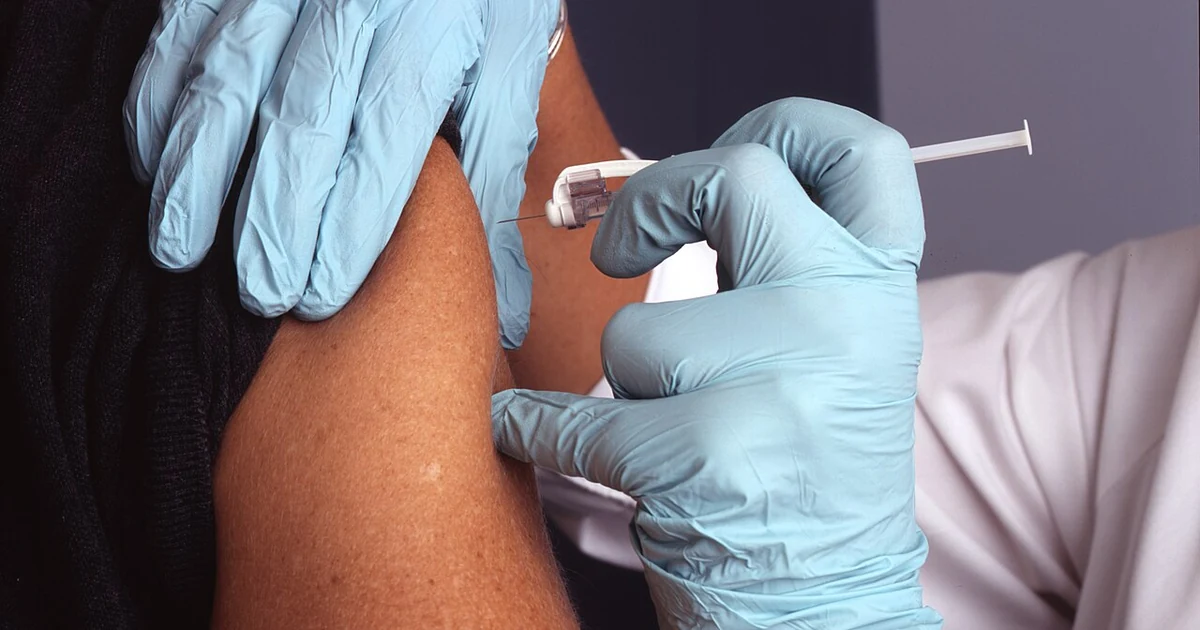
Photo: Rhoda Baer (Photographer) · License: Public domain · Cropped and resized. Testing a Participant Study Contact Card
Participant Experience and Site Practice
A contact card can list many numbers while leaving someone unsure which one to call.
Published:
Photo: U.S. Air Force photo by Staff Sgt. Cydnie Baker · License: Public domain · Cropped and resized. Partial Dates and Time Zones: Retaining Uncertainty as Data
Clinical Systems and Data Quality
Preserve uncertainty in clinical event timelines by distinguishing partial dates, time zones and derived values.
Published:

Photo: U.S. Air Force photo by Airman 1st Class Jennifer Gonzales · License: Public domain · Cropped and resized. Laboratory Unit Conversion: Preserving Measurement Meaning
Clinical Systems and Data Quality
Verify laboratory unit conversions against test, method and measurement context to avoid misleading comparisons.
Published:
Photo: Rhoda Baer (Photographer) · License: Public domain · Cropped and resized. Participant Identifier Crosswalks: Preventing Wrong-Person Linkage
Clinical Systems and Data Quality
Reconcile participant identifiers through a controlled crosswalk to prevent records being assigned to the wrong person.
Published:
Photo: CDC Global · License: CC BY 2.0 · Cropped and resized. Duplicate Transfers: Avoiding New Records from Repeated Deliveries
Clinical Systems and Data Quality
Test receipt and reprocessing rules so that resending a clinical data file does not create duplicate observations.
Published:
Photo: Happi Raphael · License: CC BY-SA 4.0 · Cropped and resized. After an API Outage: Finding Data Gaps When Connectivity Returns
Clinical Systems and Data Quality
After an API outage, identify missing clinical records and reconcile the interruption period against the source.
Published:
Photo: IAEA Imagebank · License: CC BY 2.0 · Cropped and resized. Active Content in CSV Exports: Keeping Data Cells from Becoming Commands
Clinical Systems and Data Quality
Review whether text in clinical CSV exports could be interpreted as commands or formulas when opened in a spreadsheet.
Published:
Photo: Lysippos · License: CC0 · Cropped and resized. Character Encoding: Preserving Turkish Text During Transfer
Clinical Systems and Data Quality
Use representative files to verify that Turkish characters and international text survive data transfer intact.
Published:
Photo: SuSanA Secretariat · License: CC BY 2.0 · Cropped and resized. Offline Synchronisation: When Two Valid Edits Conflict
Clinical Systems and Data Quality
Resolve conflicting offline records using authority, source evidence and change history rather than arrival order alone.
Published:
Photo: Kai Hendry · License: CC BY 2.0 · Cropped and resized. Missing Data Codes: Separating Zero, Not Done and Unknown
Clinical Systems and Data Quality
Preserve the meaning of missing clinical data by distinguishing zero, unperformed measurements and unknown results.
Published:

Photo: Linda Bartlett (Photographer) · License: Public domain · Cropped and resized. Laboratory Reference Ranges: Linking Results to Their Applicable Context
Clinical Systems and Data Quality
Match laboratory reference ranges to methods, units and effective dates to preserve the context of historical results.
Published:
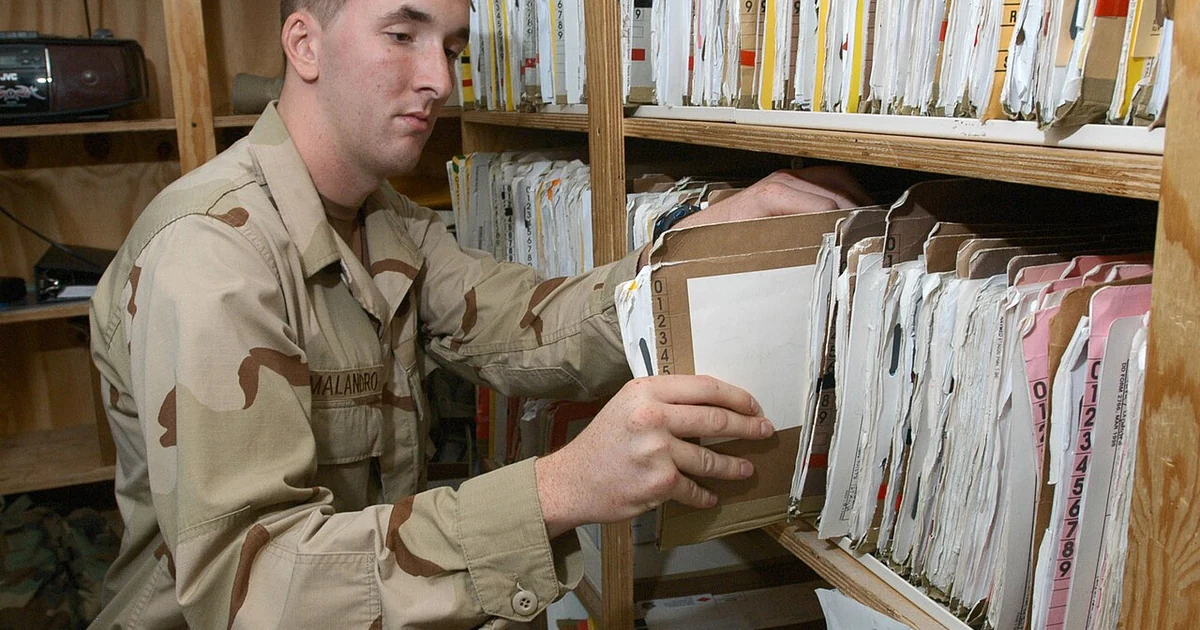
Photo: U.S. Navy photo by Chief Mass Communication Specialist Eric A. Clement · License: Public domain · Cropped and resized. Imaging Files: Reviewing Identifiers That Are Not in the File Name
Clinical Systems and Data Quality
Inspect imaging files, embedded properties and annotations for identifiers that may not appear in the visible image.
Published:
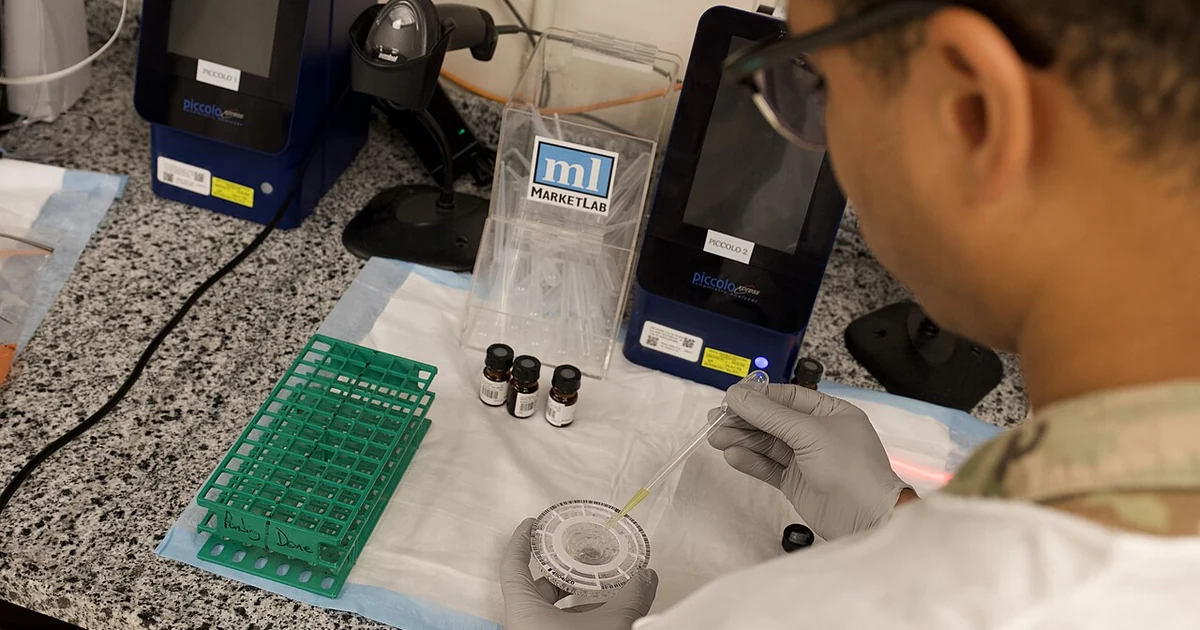
Photo: U.S. Air Force photo by Staff Sgt. Cydnie Baker · License: Public domain · Cropped and resized. ePRO Device Clocks: Separating Response Time from Receipt Time
Clinical Systems and Data Quality
Distinguish ePRO completion time from server receipt time to interpret offline records and device-clock errors correctly.
Published:
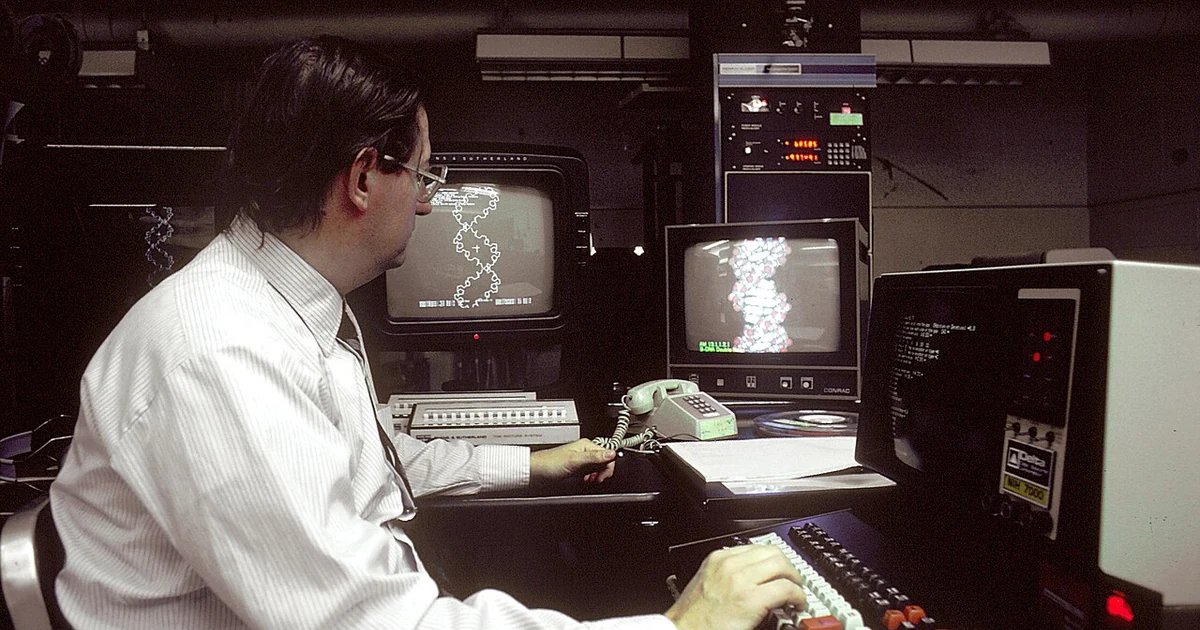
Photo: Linda Bartlett (Photographer) · License: Public domain · Cropped and resized. Wearable Updates: Linking Algorithm Versions to Measurements
Clinical Systems and Data Quality
Link wearable measurements to software and algorithm versions when assessing the effect of an update on study data.
Published:
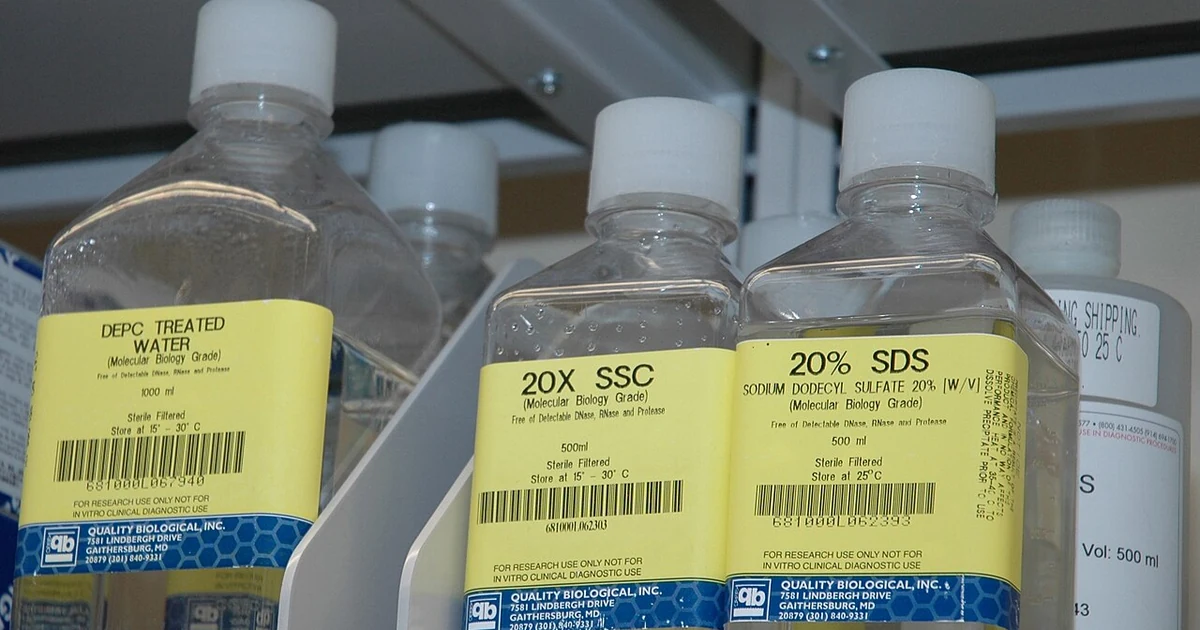
Photo: Diane A. Reid (Photographer) · License: Public domain · Cropped and resized. Propagating Source Corrections: Demonstrating That Every Receiver Updated
Clinical Systems and Data Quality
Use transfer evidence to verify that source-data corrections reach affected study files, systems and reports.
Published:

Photo: Daniel Sone (photographer) · License: Public domain · Cropped and resized. Audit-Trail Exports: Knowing What a Reviewer Cannot See
Clinical Systems and Data Quality
Examine audit-trail export scope, filters and event types to identify gaps that a large row count can conceal.
Published:
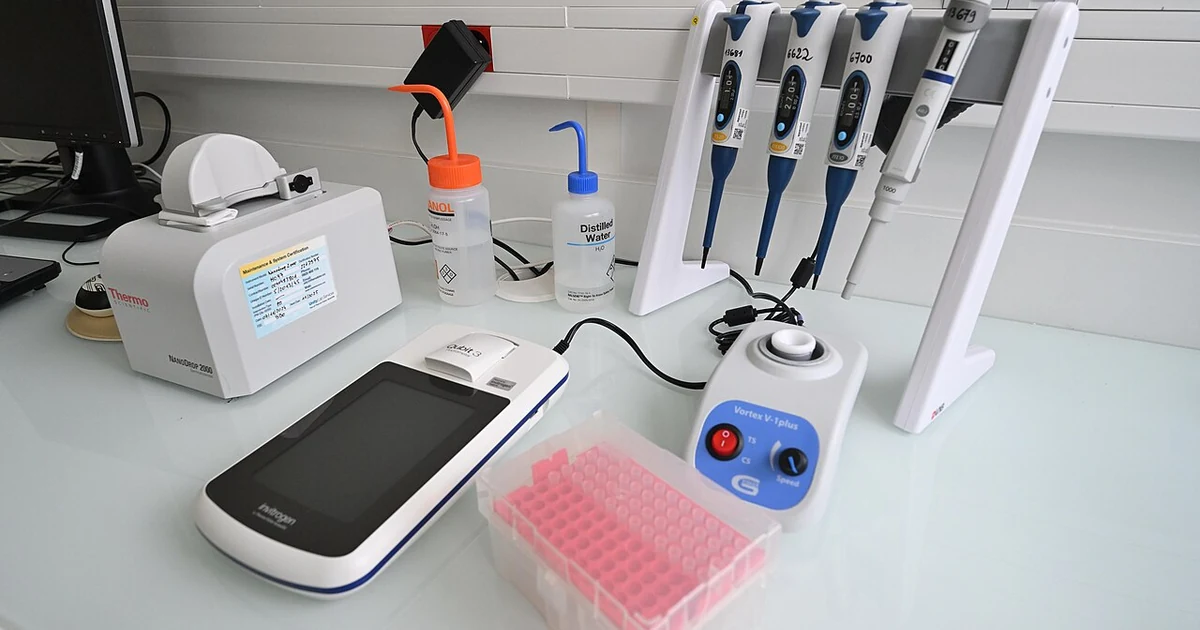
Photo: Stephane Lesbats (IFREMER, Pôle Images, Centre Bretagne - ZI de la Pointe du Diable - CS 10070 - 29280 Plouzané, France) · License: CC BY 4.0 · Cropped and resized. Service Accounts: Explaining the Responsibility Behind Automated Changes
Clinical Systems and Data Quality
Connect automated service-account changes to their originating process, approval and accountable owner for review.
Published:
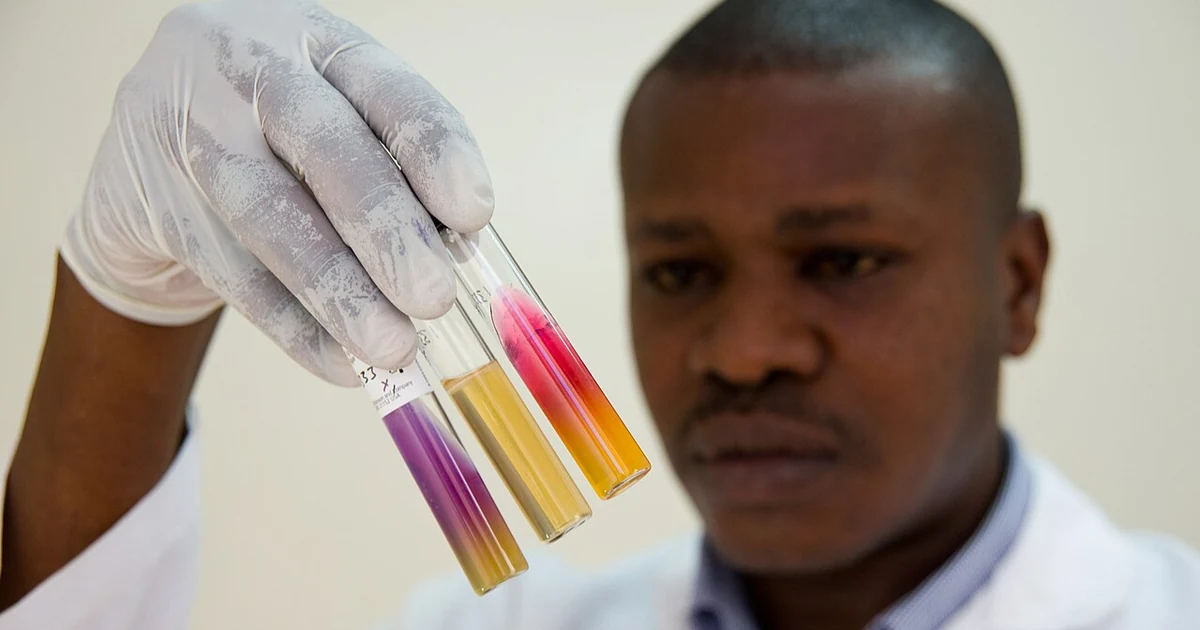
Photo: CDC Global · License: CC BY 2.0 · Cropped and resized. Electronic Signature Meaning: Receipt, Review and Approval Are Different
Clinical Systems and Data Quality
Define whether an electronic signature signifies receipt, review or approval within its record and workflow context.
Published:
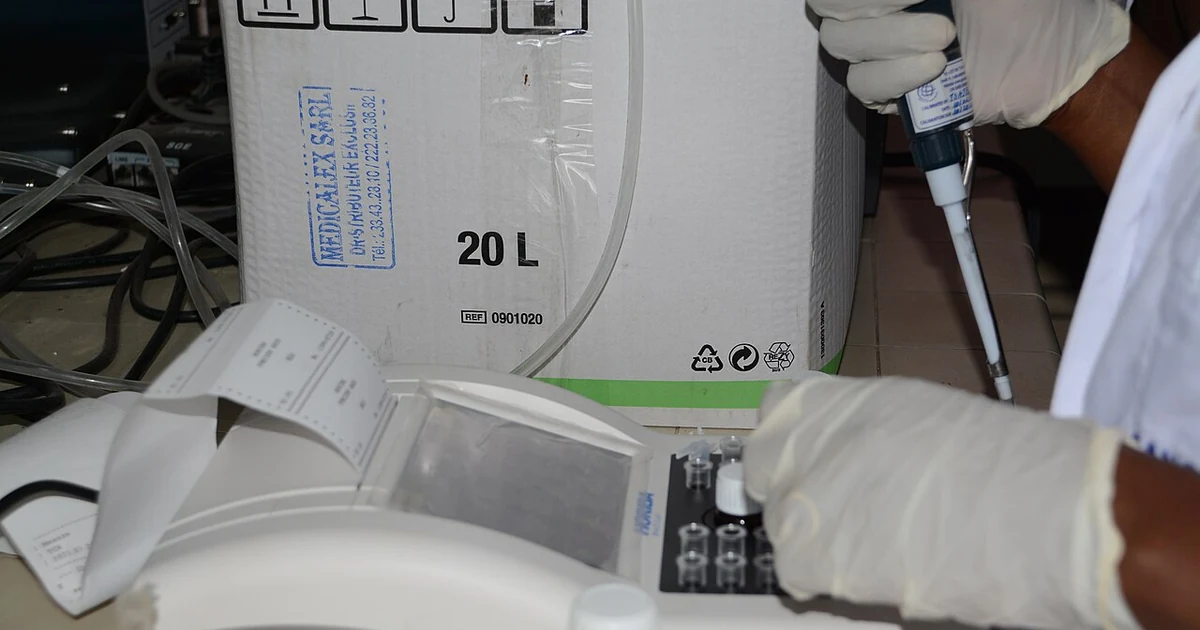
Photo: Happi Raphael · License: CC BY-SA 4.0 · Cropped and resized. PDF Exports: Which Parts of a Dynamic Record Are Preserved?
Clinical Systems and Data Quality
Assess how filters, attachments and change history are retained when a dynamic electronic record is exported to PDF.
Published:
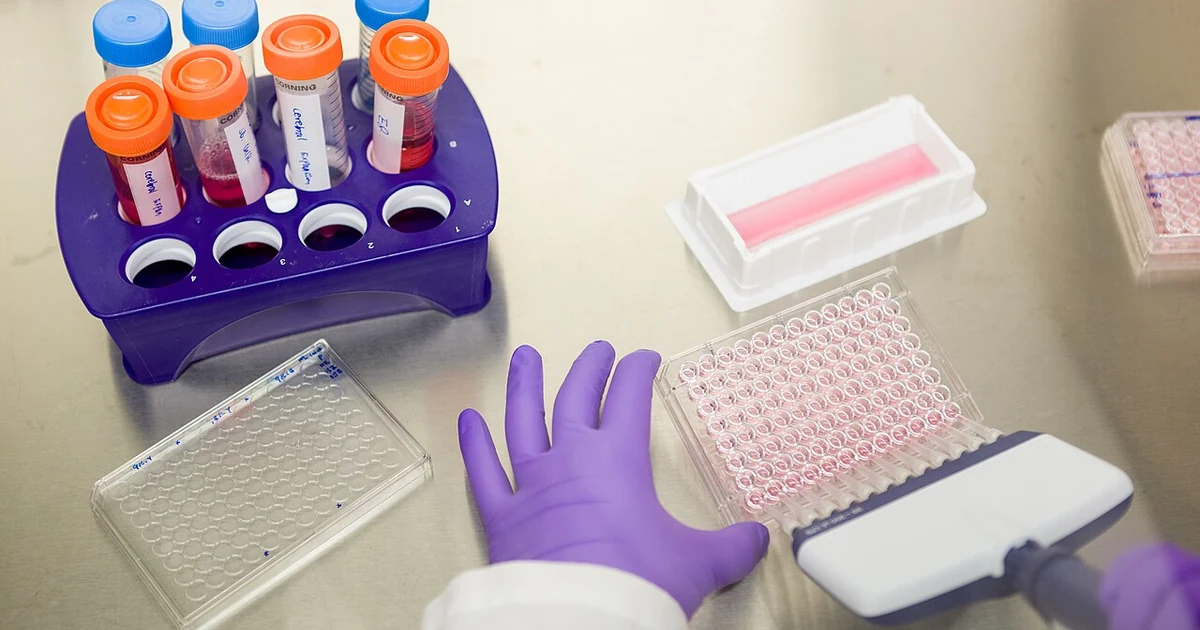
Photo: National Center for Advancing Translational Sciences from Bethesda, MD · License: Public domain · Cropped and resized. Spreadsheet Formula Cells: Protection Is Different from Correctness
Clinical Systems and Data Quality
Test protected formulas in clinical tracking spreadsheets against intended ranges, new rows and expected results.
Published:
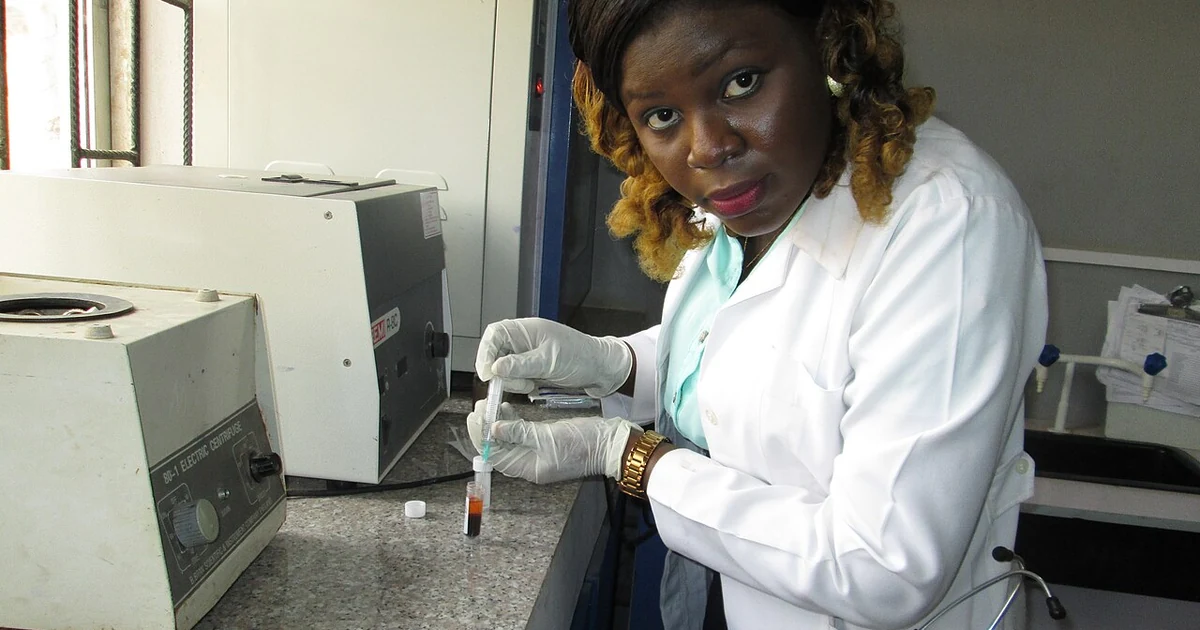
Photo: Hope2018 · License: CC BY-SA 4.0 · Cropped and resized. Decimal Separators: Preventing Locale Settings from Changing Clinical Numbers
Clinical Systems and Data Quality
Test locale settings to verify that decimal and thousands separators do not change clinical values during transfer.
Published:

Photo: Department of Labor. 1913 · License: Public domain · Cropped and resized. Clinical Data Scripts: An Execution Manifest for Reproducible Outputs
Clinical Systems and Data Quality
Record code, inputs and settings for clinical data scripts so that a reported transformation can be reproduced.
Published:
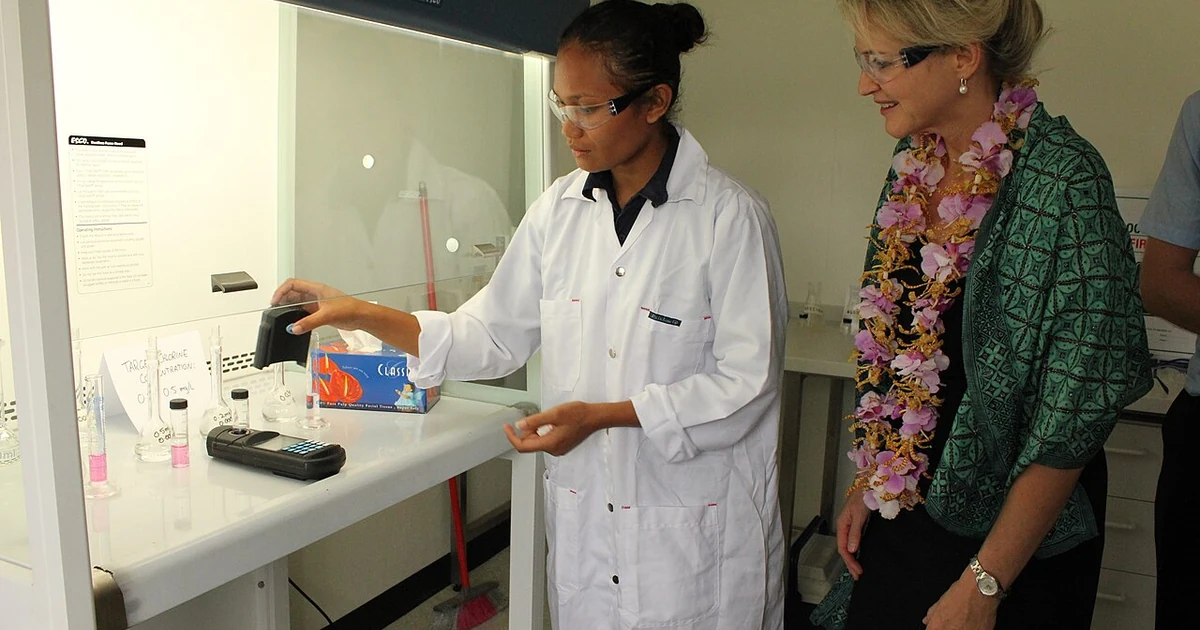
Photo: Department of Foreign Affairs and Trade · License: CC BY 2.0 · Cropped and resized. RTSM Test Environments: Preventing Practice from Creating Real Assignments
Clinical Systems and Data Quality
Test RTSM environment separation in realistic workflows to prevent training or test actions from creating real assignments.
Published:
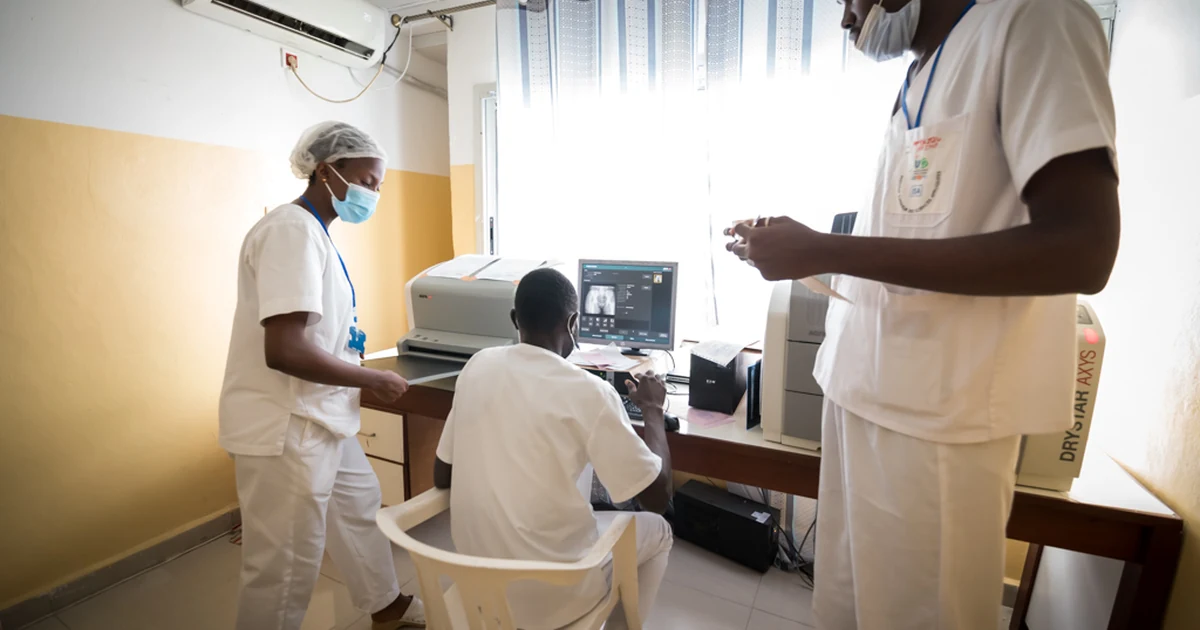
Photo: Max MBAKOP · License: CC BY-SA 4.0 · Cropped and resized. File Checksums: Identical Bytes Do Not Establish Correct Clinical Data
Clinical Systems and Data Quality
Combine file fingerprints with content reconciliation to verify that unchanged data concern the right participants and scope.
Published:
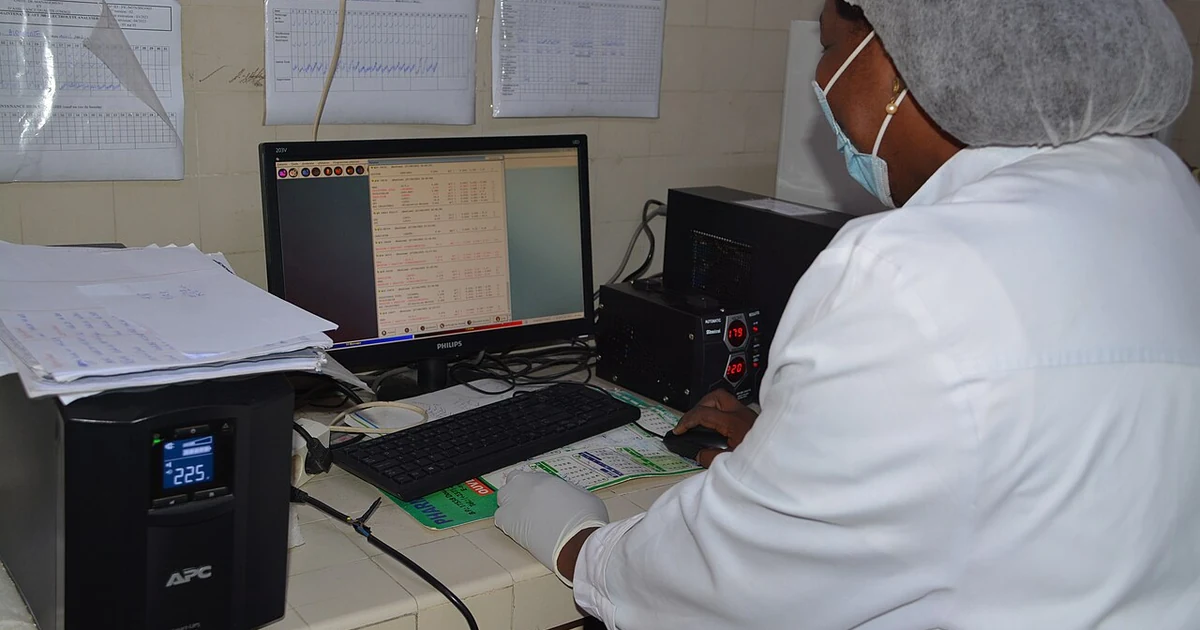
Photo: Happi Raphael · License: CC BY-SA 4.0 · Cropped and resized. Emergency Software Fixes: Closing the Evidence Gap After Rapid Response
Clinical Systems and Data Quality
After an emergency software fix, keep the change rationale, affected records and outstanding checks visible.
Published:
Photo: Gannu03 · License: CC BY-SA 4.0 · Cropped and resized. Vendor Release Notes: Reviewing Impact in Your Actual Study Use
Clinical Systems and Data Quality
Compare vendor release notes against functions used by the study to assess the actual impact of apparently minor updates.
Published:
Photo: U.S. Air Force photo by Staff Sgt. Cydnie Baker · License: Public domain · Cropped and resized. Configuration Drift: Comparing Approved Settings with the Running System
Clinical Systems and Data Quality
Compare live system settings with the accepted configuration to detect behavioural differences hidden by a matching version number.
Published:
Photo: NASA · License: Public domain · Cropped and resized. Negative Test Cases: Verifying How a System Rejects Incorrect Data
Clinical Systems and Data Quality
Use negative test scenarios to verify how a clinical data interface handles incomplete, duplicate and unauthorised inputs.
Published:

Photo: Shixart1985 · License: CC BY 2.0 · Cropped and resized. Representative Synthetic Test Data: Privacy Without Oversimplification
Clinical Systems and Data Quality
Design synthetic test data to represent missing values, long text and edge cases found in real study workflows.
Published:
Photo: Frankincense Diala · License: CC0 · Cropped and resized. Known Software Defects: Keeping Conditional Acceptance Bounded
Clinical Systems and Data Quality
Document use limits, residual risk and follow-up ownership when conditionally accepting software with a known defect.
Published:
Photo: Unknown photographer · License: Public domain · Cropped and resized. Soft Deletion: Preserving Evidence for Records Removed from View
Clinical Systems and Data Quality
Test which history and relationships remain retrievable when a clinical record is hidden through logical deletion.
Published:
Photo: Senior Airman Jenifer Calhoun · License: Public domain · Cropped and resized. Archive Format Conversion: Comparing Meaning Across Old and New Files
Clinical Systems and Data Quality
Compare original and converted archive formats for retained content, context and retrievability before acceptance.
Published:

Photo: Bill Branson (Photographer) · License: Public domain · Cropped and resized. OCR Text: Preventing Searchable-Copy Errors from Changing Decisions
Clinical Systems and Data Quality
Compare OCR text with the source image to identify errors in letters, numbers and symbols used for searching or copying.
Published:

Photo: U.S. Navy photo by Mass Communication Specialist 3rd Class Eduardo Zaragoza · License: Public domain · Cropped and resized. Attachment Replacement: Avoiding New Evidence Under an Old Decision
Clinical Systems and Data Quality
Use version history to establish which review and approval apply to a replacement attachment and preserve earlier decision scope.
Published:
Photo: Frankincense Diala · License: CC0 · Cropped and resized. Master Data Tables: When One Mapping Change Affects Many Records
Clinical Systems and Data Quality
Test how master-data mapping changes propagate to site, test and product records using controlled examples.
Published:
Photo: Georgia National Guard from United States · License: CC BY 2.0 · Cropped and resized. Decision Snapshots from Live Dashboards: Reconstructing What a Meeting Saw
Clinical Systems and Data Quality
Keep the data cut and report version behind a dashboard decision retrievable as live figures change.
Published:
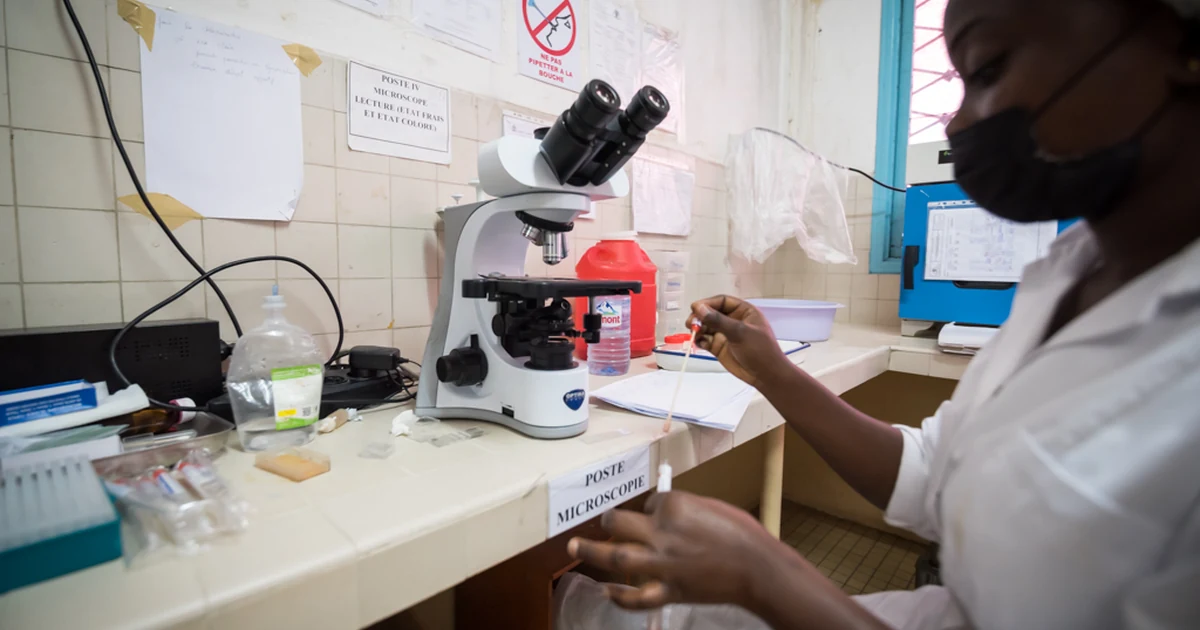
Photo: Max MBAKOP · License: CC BY-SA 4.0 · Cropped and resized. Multilingual Questionnaires: Linking Responses to the Correct Language Version
Clinical Systems and Data Quality
Link the questionnaire seen by a participant to its language, wording and accepted version to preserve response meaning.
Published:
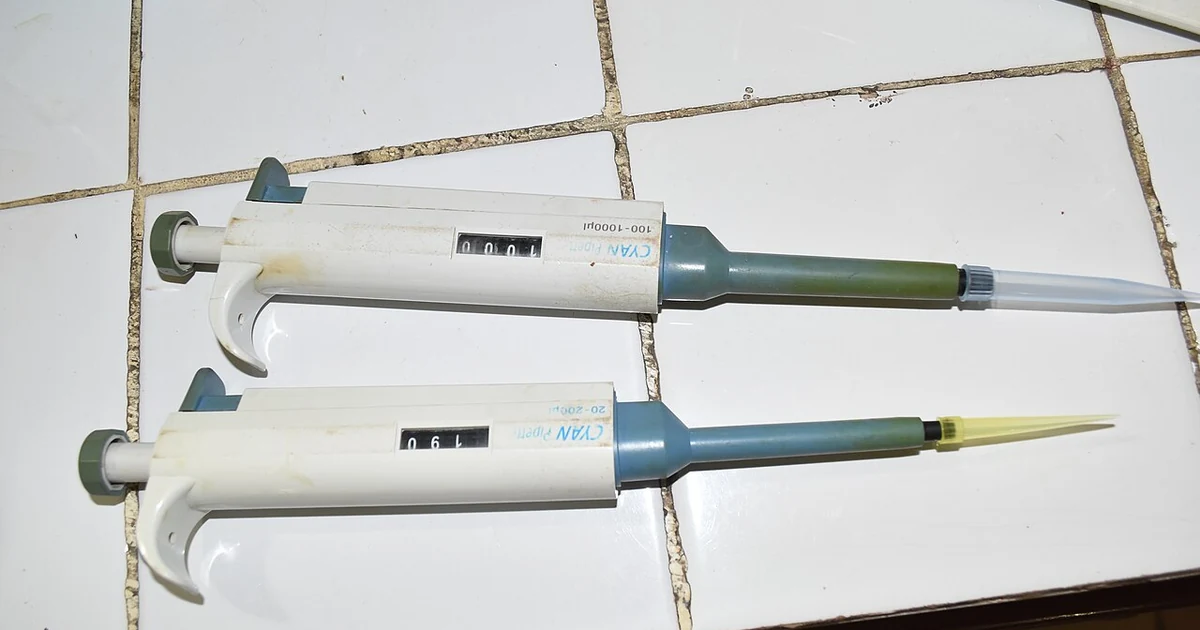
Photo: Adoscam · License: CC BY-SA 4.0 · Cropped and resized. Questionnaire Scoring Versions: Knowing Which Rule Produced a Result
Clinical Systems and Data Quality
Link questionnaire scores to the algorithm version used to explain different outputs derived from unchanged answers.
Published:

Photo: Sebastian Wallroth · License: CC BY 3.0 · Cropped and resized. Bulk-Correction Rollback: Preserving Valid Changes Made Afterwards
Clinical Systems and Data Quality
Define rollback scope and comparison rules that preserve valid intervening edits when reversing a bulk data correction.
Published:

Photo: U.S. Air Force photo by Airman 1st Class Jennifer Gonzales · License: Public domain · Cropped and resized. Redacted Documents: Checking for Text Hidden Beneath Visual Masks
Clinical Systems and Data Quality
Test whether redacted personal information remains accessible through copying, searching or another document viewer.
Published:
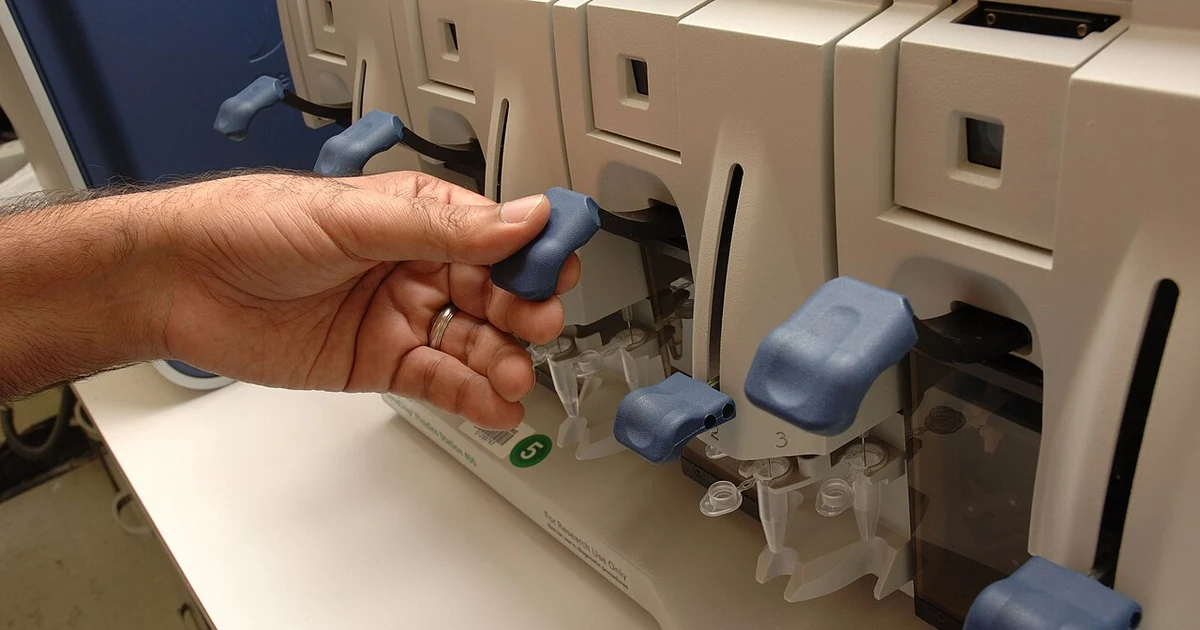
Photo: Bill Branson (Photographer) · License: Public domain · Cropped and resized. Instrument Raw Data: Preserving Context Beyond the Results File
Clinical Systems and Data Quality
Connect instrument results to raw signals, settings and failed runs to preserve the context needed to reconstruct measurements.
Published:
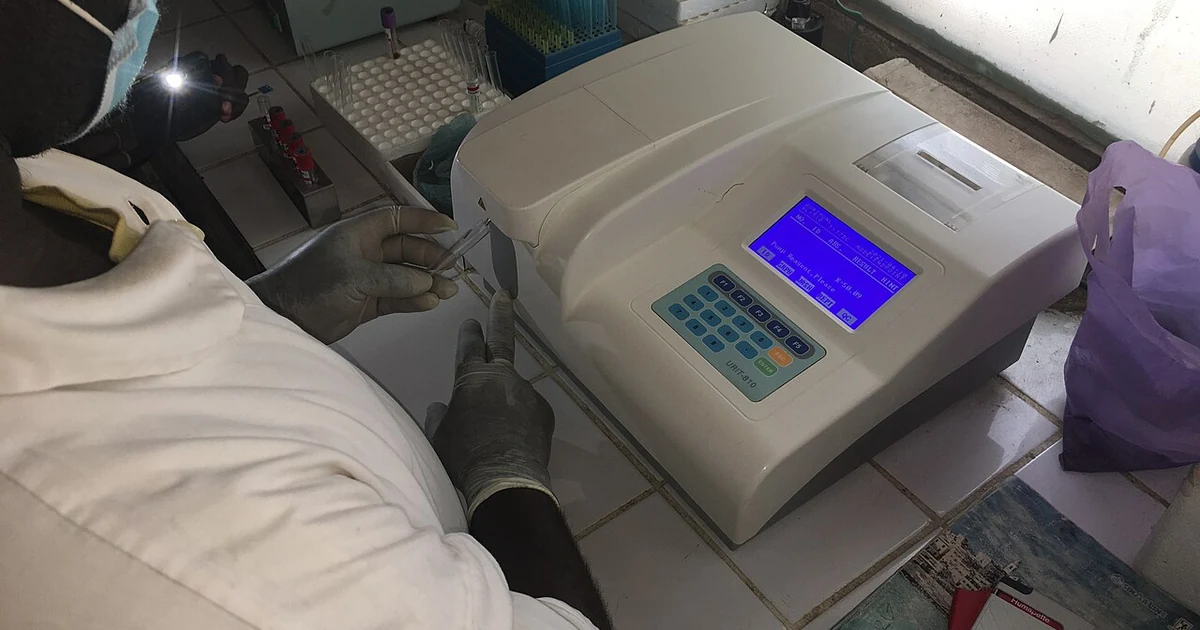
Photo: Mahmoud Sabir97 · License: CC BY-SA 4.0 · Cropped and resized. How to interpret monitoring signals with small denominators
Quality and Oversight
Review percentages alongside event counts and clinical context when sites have only a few evaluable observations.
Published:
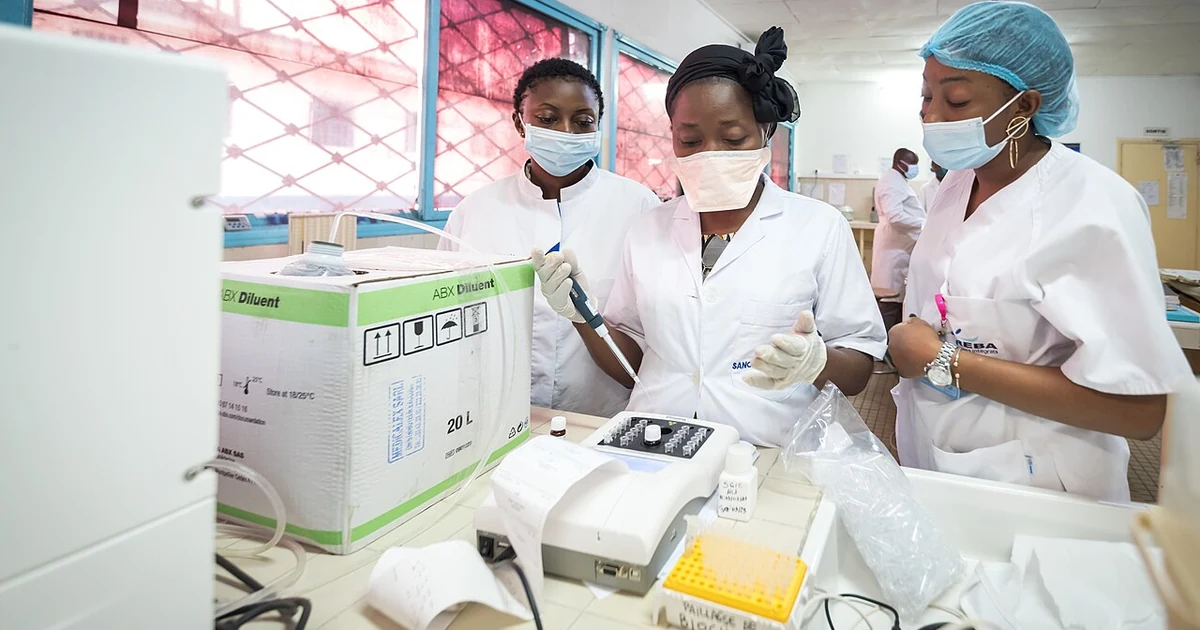
Photo: Max MBAKOP · License: CC BY-SA 4.0 · Cropped and resized. Defining data freshness windows for central monitoring
Quality and Oversight
Check freshness so that an apparently reassuring monitoring indicator is not based on stale or missing data.
Published:

Photo: U.S. Air Force photo by Staff Sgt. Cydnie Baker · License: Public domain · Cropped and resized. Deduplicating monitoring alerts from one underlying event
Quality and Oversight
Connect related alerts without losing their individual evidence, participant effects or separate corrective actions.
Published:
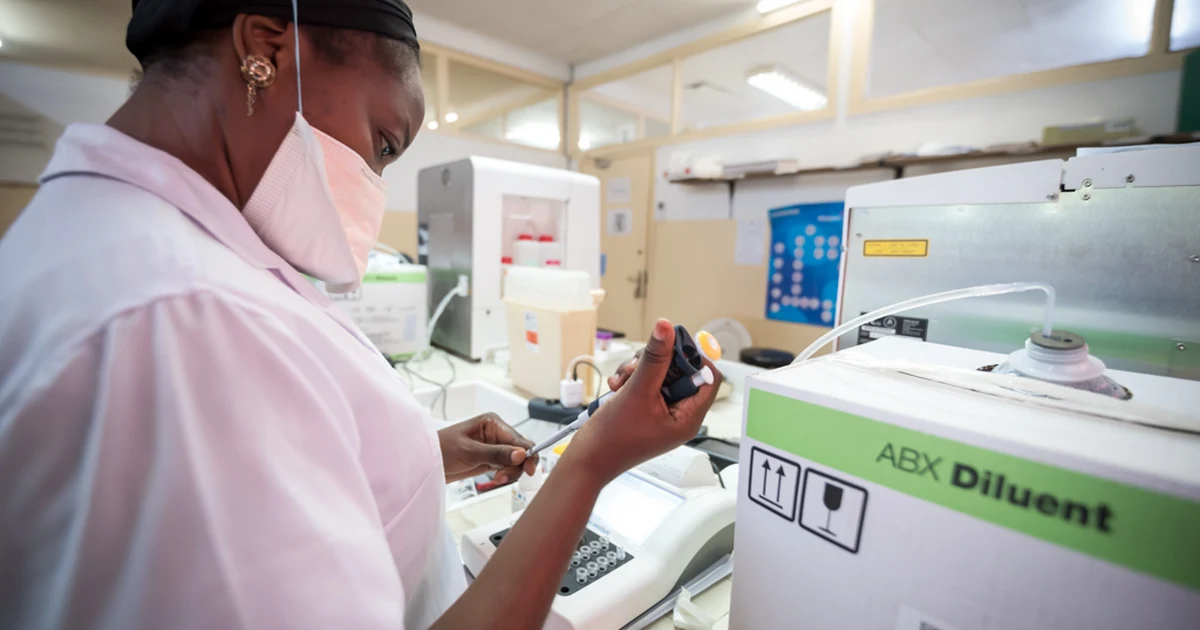
Photo: Max MBAKOP · License: CC BY-SA 4.0 · Cropped and resized. Keeping a decision trace for monitoring threshold changes
Quality and Oversight
Separate changes in alert definitions from real improvements in trial processes when revising monitoring thresholds.
Published:
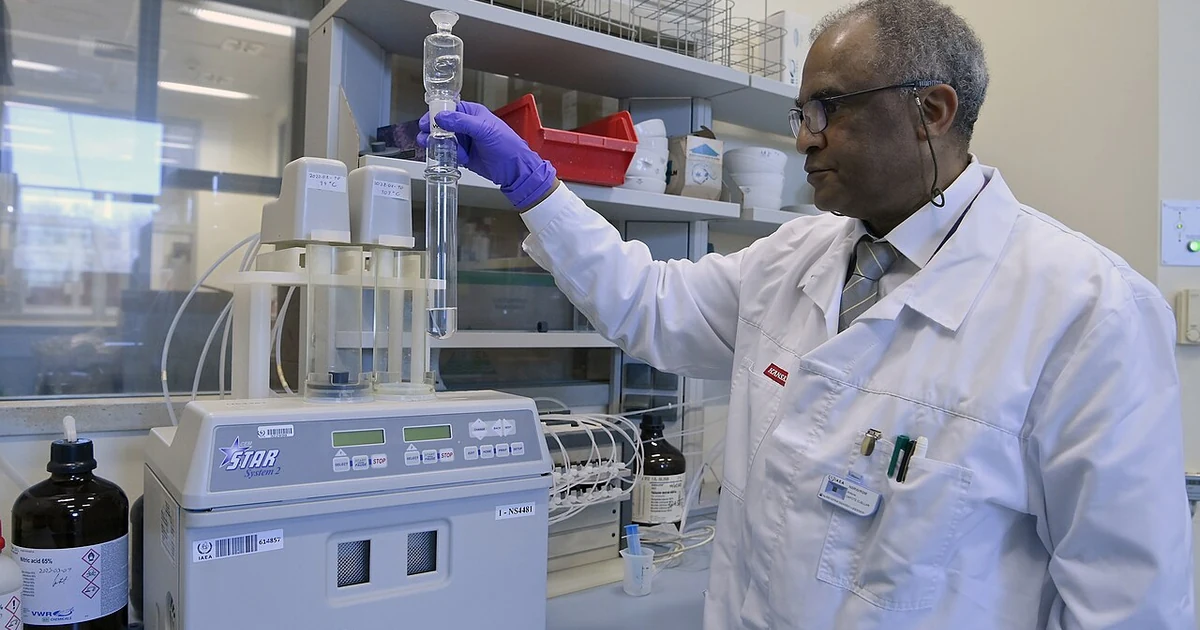
Photo: IAEA Imagebank · License: CC BY 2.0 · Cropped and resized. Learning from false-positive monitoring alerts
Quality and Oversight
Use false-positive reviews to improve data definitions and review design without concealing important risks.
Published:
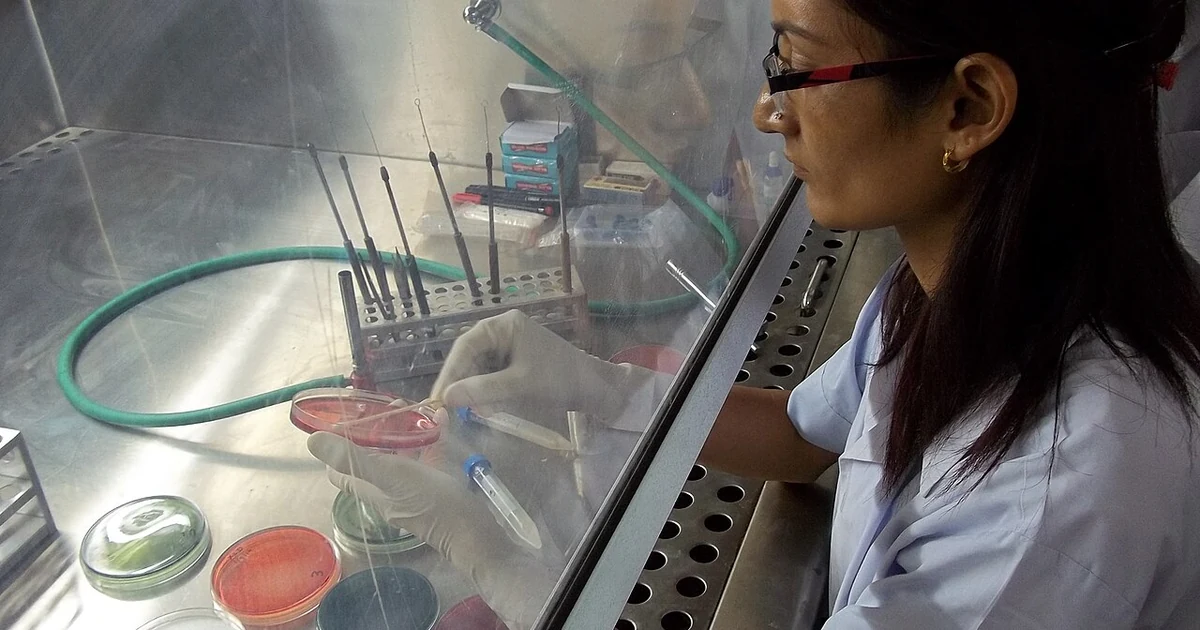
Photo: CDC Global · License: CC BY 2.0 · Cropped and resized. Control examples for risks that produce no monitoring alert
Quality and Oversight
Evaluate whether a silent monitoring control works using authorised examples without altering participant records.
Published:
Photo: Kim Dornic (IFREMER, Pôle média & web, Centre Bretagne - ZI de la Pointe du Diable - CS 10070 - 29280 Plouzané) Kim Dornic (IFREMER, Pôle média & web, Centre Bretagne - ZI de la Pointe du Diable - CS 10070 - 29280 Plouzané) · License: CC BY 4.0 · Cropped and resized. Avoiding convenience selection bias in monitoring samples
Quality and Oversight
Make oversight gaps visible when reviewers repeatedly select only the easiest records to access.
Published:
Photo: The U.S. Food and Drug Administration · License: Public domain · Cropped and resized. Reviewing the first data wave at a new site
Quality and Oversight
Examine initial site records as evidence of operational handoffs rather than mature performance statistics.
Published:

Photo: Linda Bartlett (Photographer) · License: Public domain · Cropped and resized. Separating decisions from information in risk meetings
Quality and Oversight
Make monitoring meeting records show accountable decisions rather than only a sequence of status updates.
Published:
Photo: Rhoda Baer (Photographer) · License: Public domain · Cropped and resized. Conflicting source evidence in remote monitoring findings
Quality and Oversight
Avoid premature closure when screenshots, explanations and source records describe different situations.
Published:
Photo: Happi Raphael · License: CC BY-SA 4.0 · Cropped and resized. Separating finding severity from action priority
Quality and Oversight
Assess finding classifications alongside current exposure and the urgency of specific protective actions.
Published:

Photo: U.S. Air Force photo by Staff Sgt. Cydnie Baker · License: Public domain · Cropped and resized. Ageing open actions and explaining waiting time
Quality and Oversight
Show external dependencies without losing visibility of how long a risk remains open.
Published:
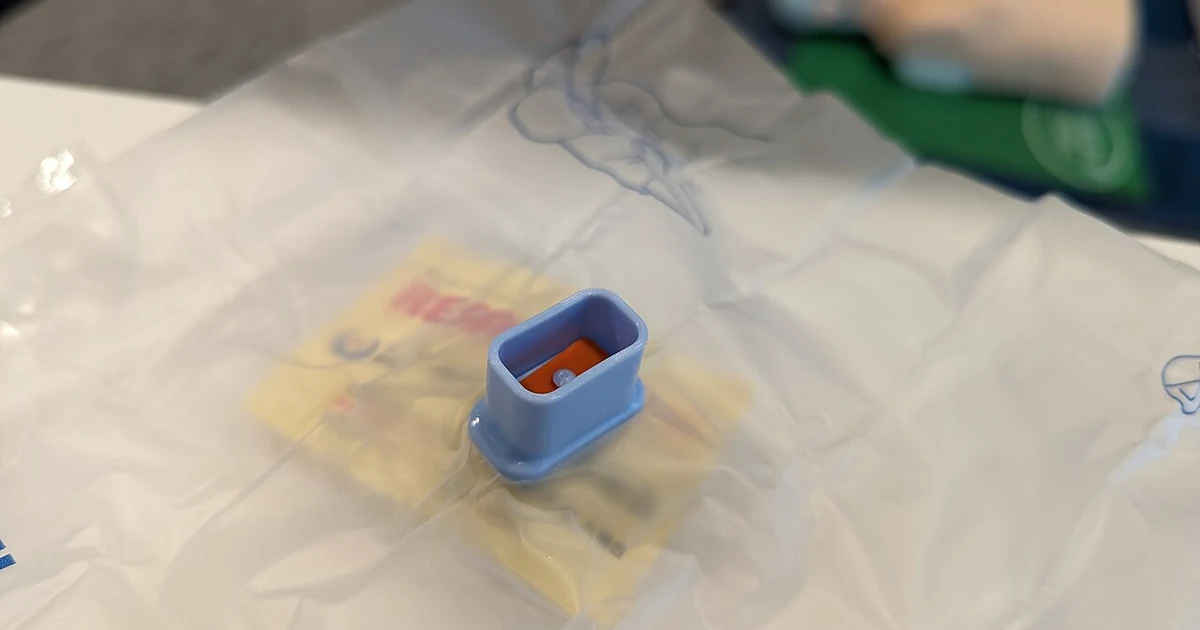
Photo: Syced · License: CC0 · Cropped and resized. Independent challenge of CAPA effectiveness
Quality and Oversight
Test a corrective action team’s success measure using independent evidence and meaningful counterexamples.
Published:
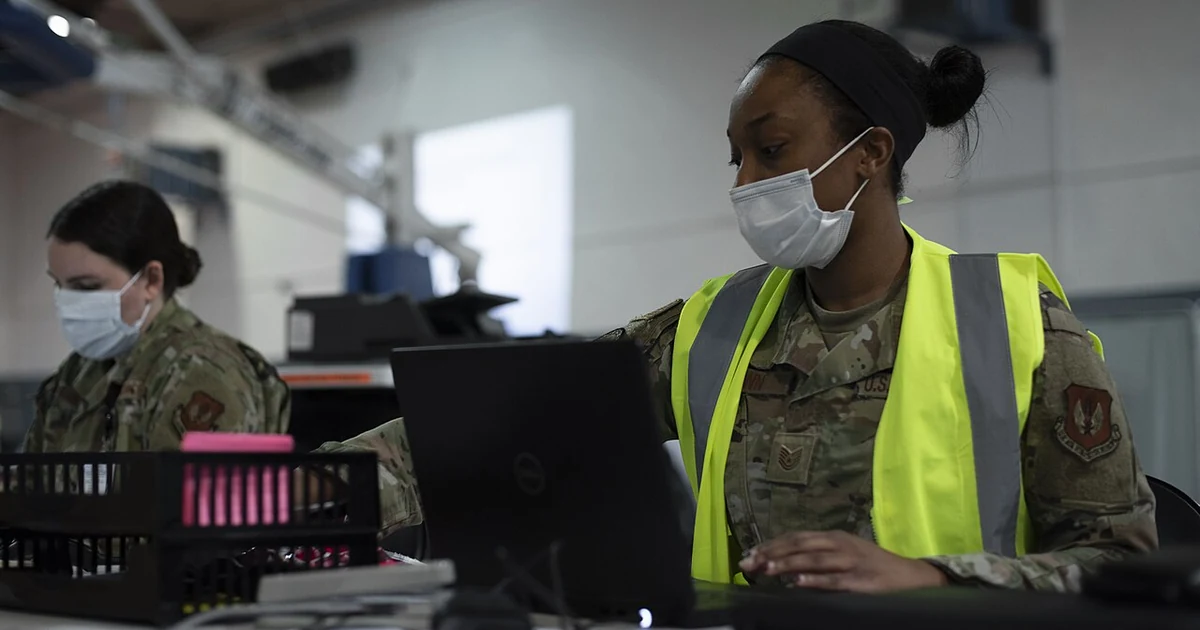
Photo: U.S. Air Force photo by Senior Airman Jennifer Gonzales · License: Public domain · Cropped and resized. Finding process barriers before prescribing retraining
Quality and Oversight
Investigate whether a workflow can actually be performed before assuming repeated errors reflect missing training.
Published:

Photo: U.S. Air Force photo by Staff Sgt. Cydnie Baker · License: Public domain · Cropped and resized. Investigating repeated deviations at vendor boundaries
Quality and Oversight
Review the complete handover when each team follows its own procedure but the shared outcome still fails.
Published:
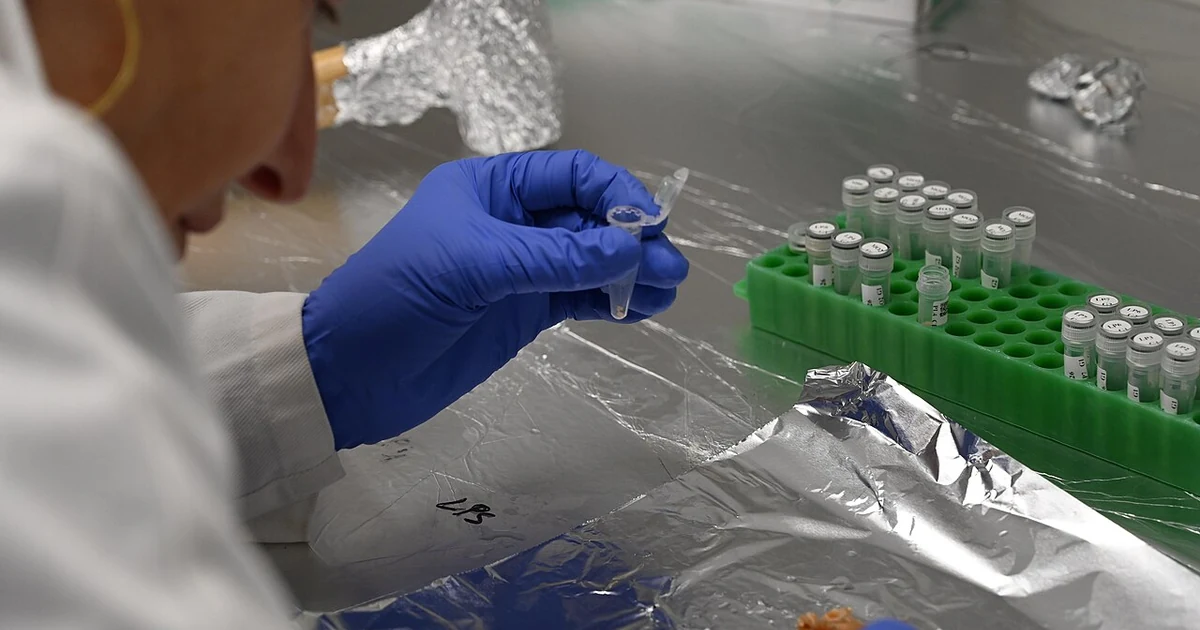
Photo: Kim Dornic (IFREMER, Pôle média & web, Centre Bretagne - ZI de la Pointe du Diable - CS 10070 - 29280 Plouzané) Kim Dornic (IFREMER, Pôle média & web, Centre Bretagne - ZI de la Pointe du Diable - CS 10070 - 29280 Plouzané) · License: CC BY 4.0 · Cropped and resized. Scoping an inspection evidence package
Quality and Oversight
Organise an inspection response around a traceable decision rather than the volume of files supplied.
Published:
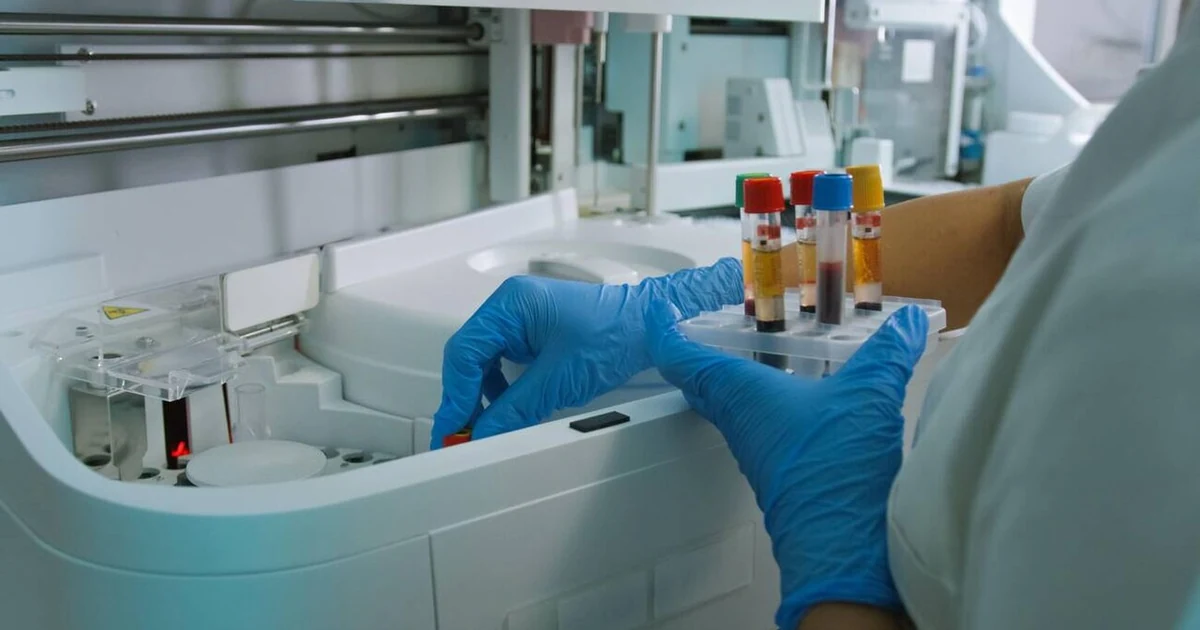
Photo: Goleisureintl · License: CC BY 4.0 · Cropped and resized. Learning from interviews in mock inspections
Quality and Oversight
Use practice interviews to assess real process knowledge and evidence access rather than memorised answers.
Published:
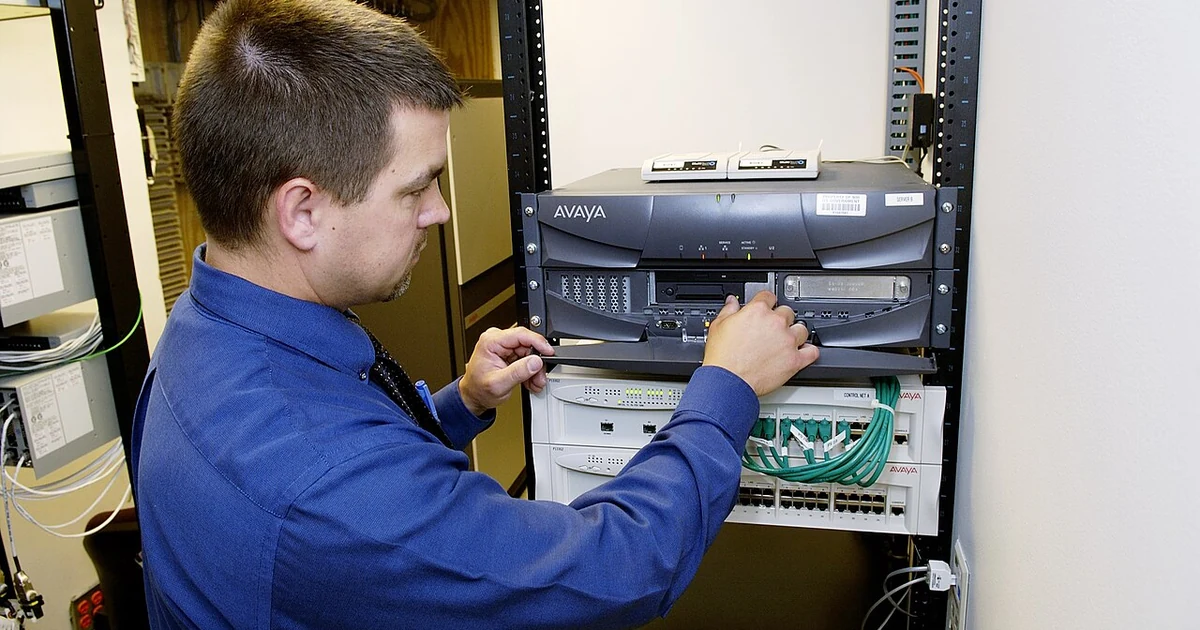
Photo: Bill Branson (Photographer) · License: Public domain · Cropped and resized. Separating provisional information from verified facts in inspection responses
Quality and Oversight
State what has been verified, what remains an assumption and which questions are still under investigation.
Published:
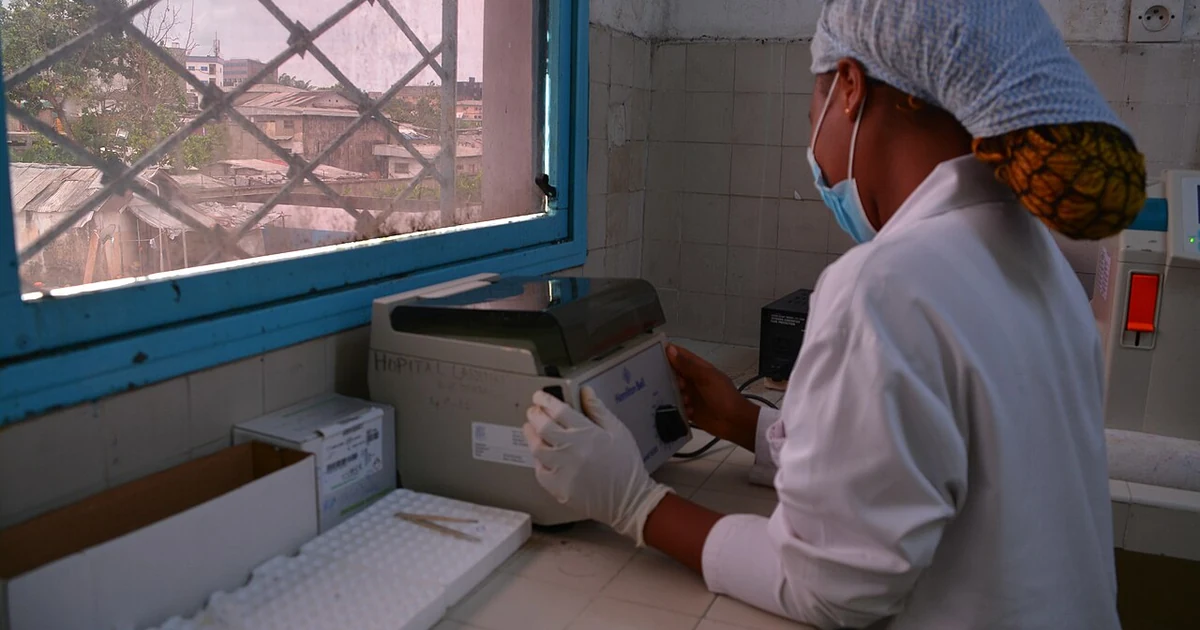
Photo: Happi Raphael · License: CC BY-SA 4.0 · Cropped and resized. Managing disputed evidence at finding closure
Quality and Oversight
Resolve different closure conclusions through explicit criteria, relevant evidence and an authorised decision route.
Published:
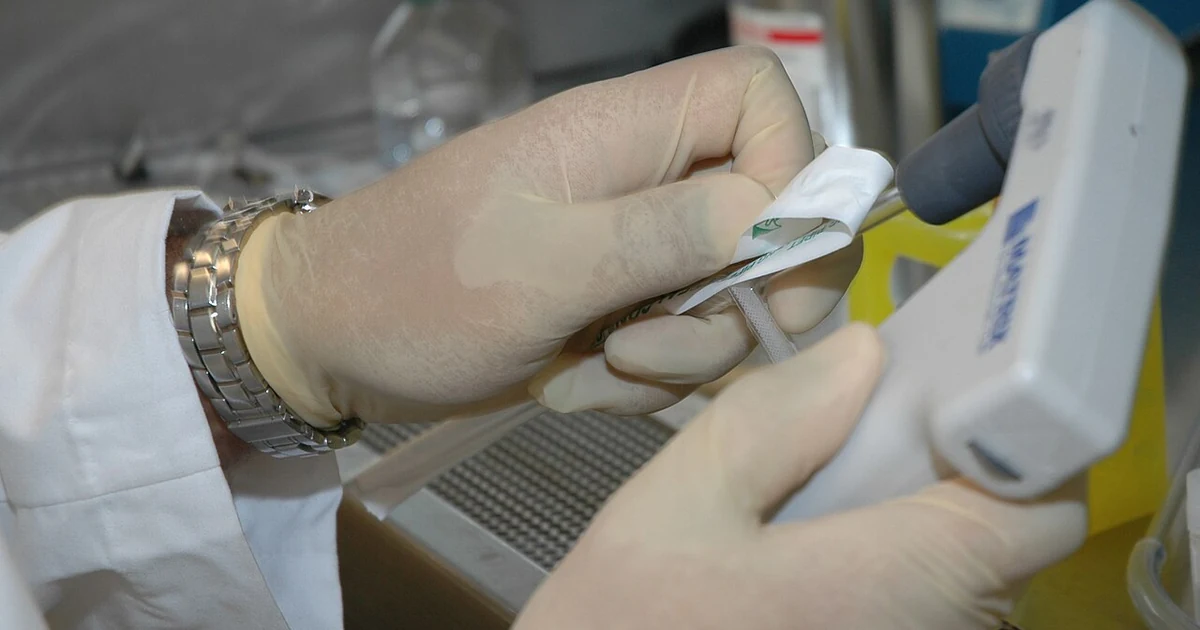
Photo: Diane A. Reid (Photographer) · License: Public domain · Cropped and resized. Vendor changes that reopen qualification assumptions
Quality and Oversight
Track how changes after a favourable vendor review affect the assumptions supporting its conclusions.
Published:

Photo: Gannu03 · License: CC BY-SA 4.0 · Cropped and resized. Tracing subcontracted laboratory retesting decisions and result queries
Quality and Oversight
Link retesting rationale, authorised decisions and reported results through one evidence trail for samples sent to a subcontracted laboratory.
Published:
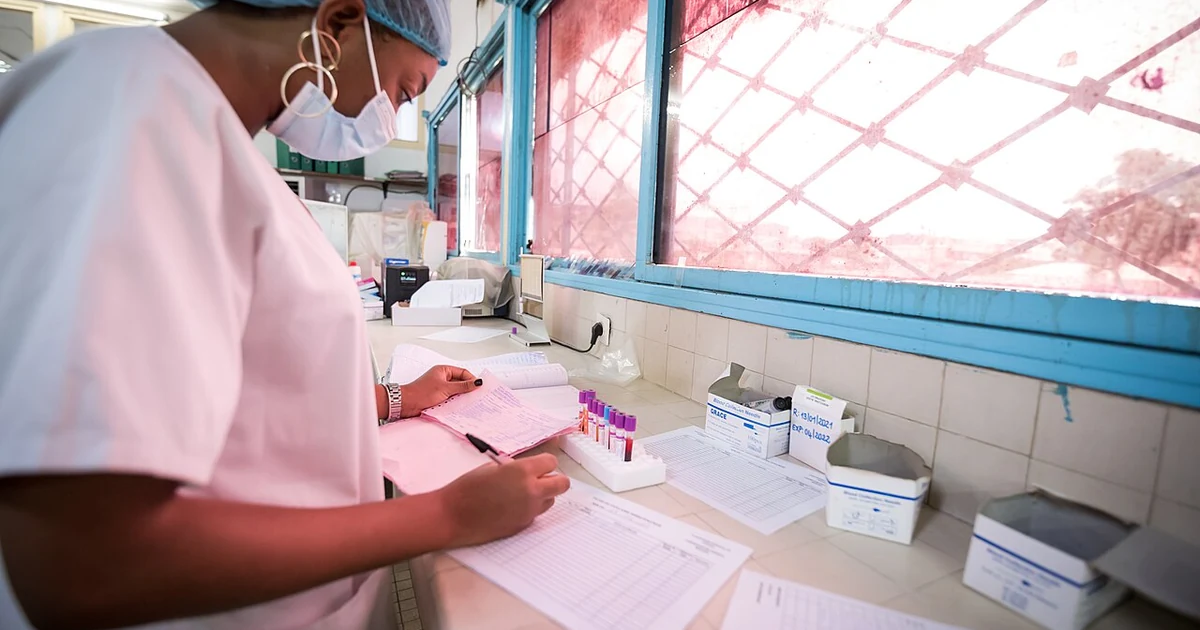
Photo: Max MBAKOP · License: CC BY-SA 4.0 · Cropped and resized. Parallel notification routes for vendor incidents
Quality and Oversight
Connect technical, quality and clinical reviews without assuming that one support ticket covers every responsibility.
Published:
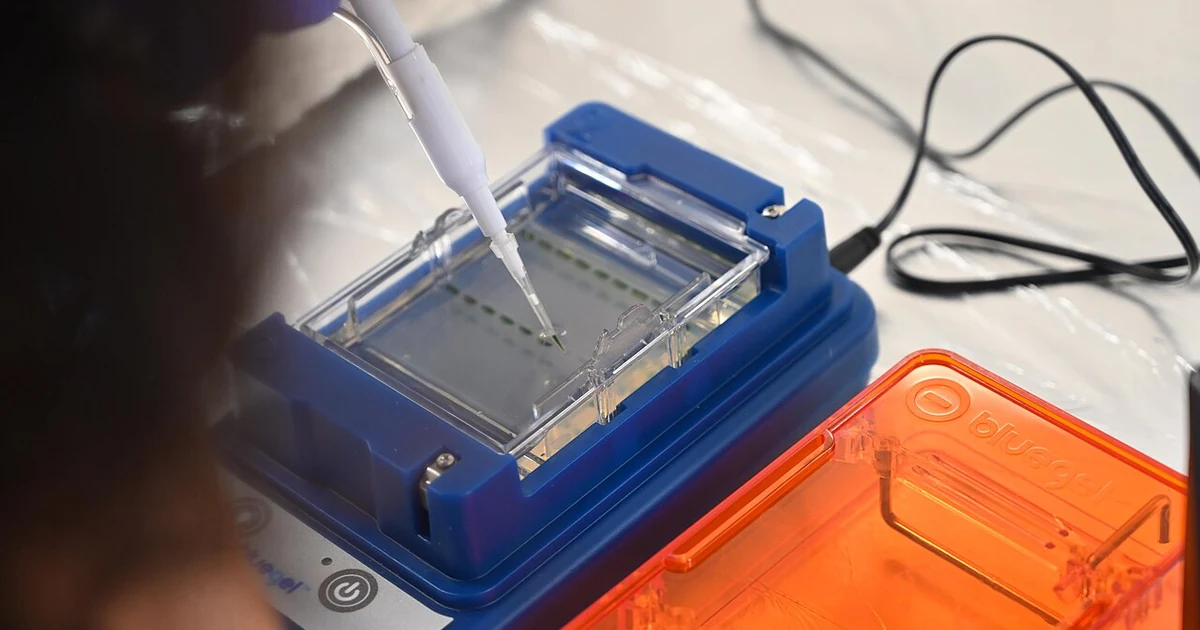
Photo: Kim Dornic (IFREMER, Pôle média & web, Centre Bretagne - ZI de la Pointe du Diable - CS 10070 - 29280 Plouzané) Kim Dornic (IFREMER, Pôle média & web, Centre Bretagne - ZI de la Pointe du Diable - CS 10070 - 29280 Plouzané) · License: CC BY 4.0 · Cropped and resized. Shared dependencies in vendor continuity plans
Quality and Oversight
Check whether an alternative service depends on the same failure point as the primary workflow.
Published:

Photo: National Center for Advancing Translational Sciences from Bethesda, MD · License: Public domain · Cropped and resized. Denominator consistency in vendor performance metrics
Quality and Oversight
Explain which deliverables a success rate includes so that missing service outputs remain visible.
Published:
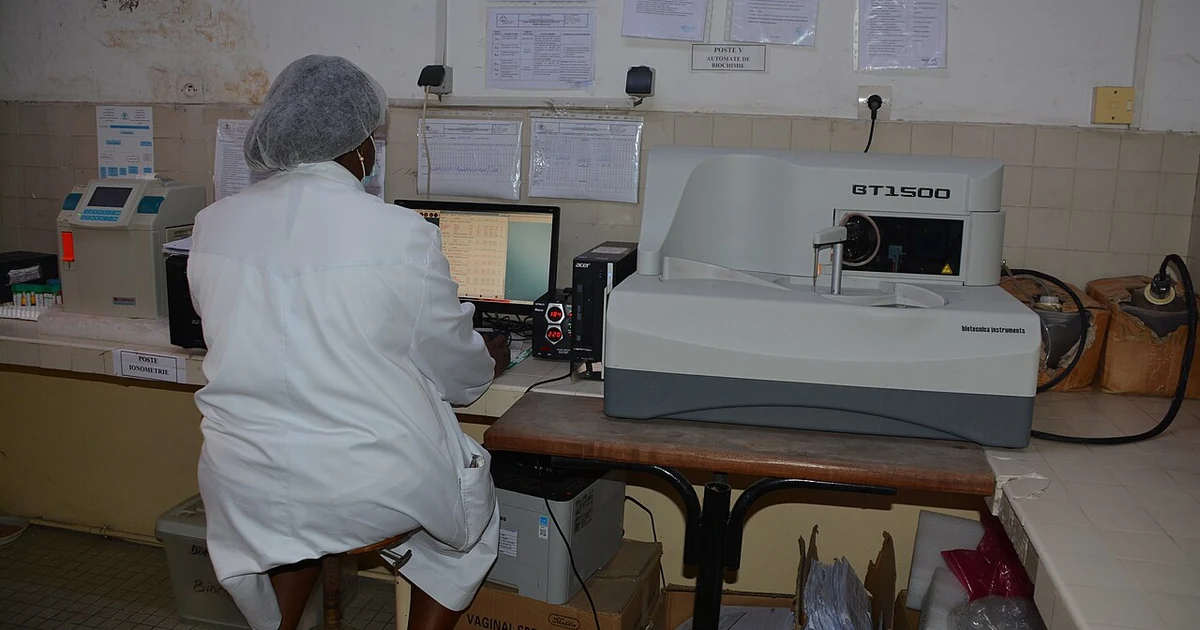
Photo: Happi Raphael · License: CC BY-SA 4.0 · Cropped and resized. Decision evidence in vendor oversight minutes
Quality and Oversight
Distinguish evidence that a service meeting occurred from evidence supporting an oversight decision.
Published:
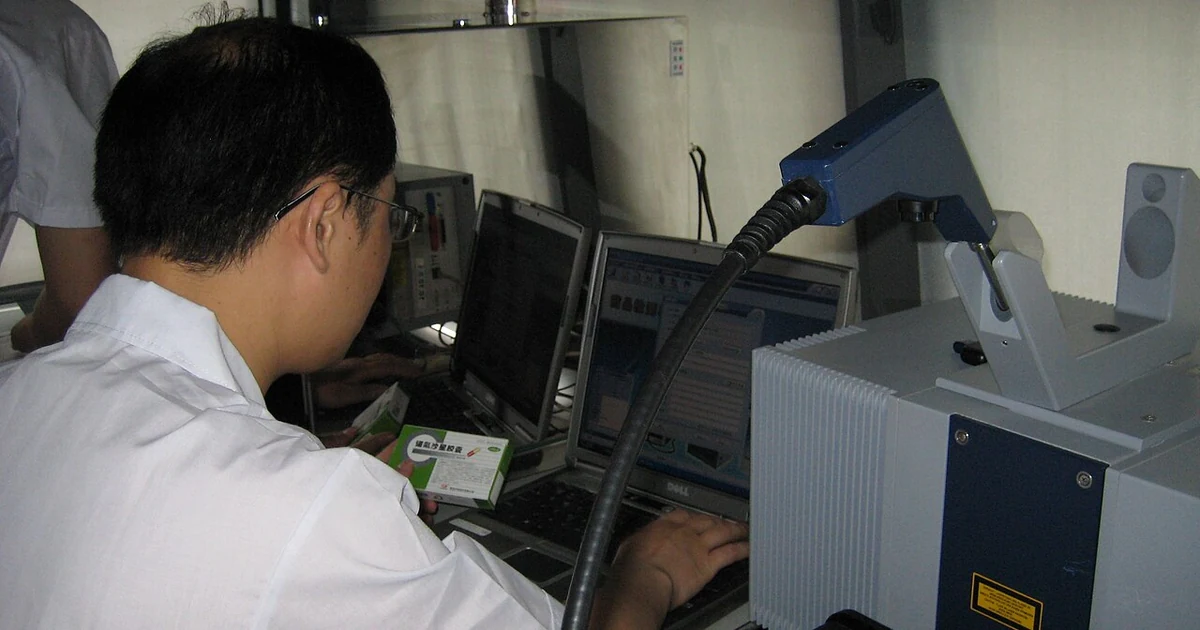
Photo: The U.S. Food and Drug Administration · License: Public domain · Cropped and resized. Verifying participant keys in safety reconciliation
Quality and Oversight
Do not mistake identity mismatches for missing events when linking safety and clinical records.
Published:
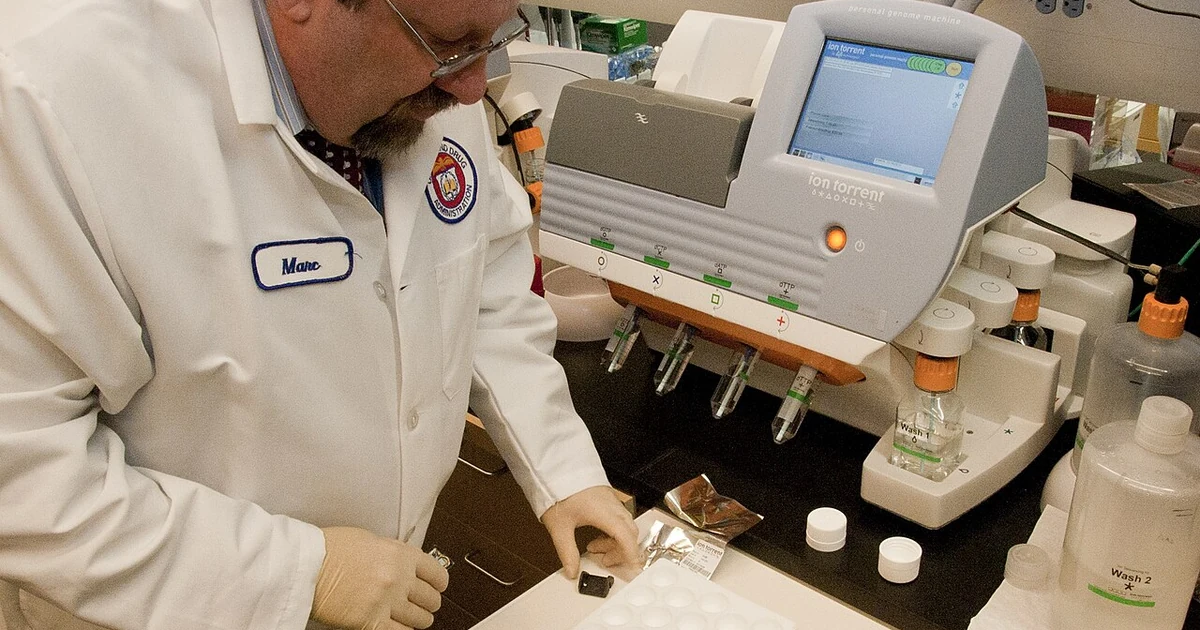
Photo: The U.S. Food and Drug Administration · License: Public domain · Cropped and resized. Managing open safety follow-up after trial withdrawal
Quality and Oversight
Clarify outstanding safety tasks through authorised assessment when a participant’s trial status changes.
Published:

Photo: U.S. Navy photo by Photographer's Mate 3rd Class Jason T. Poplin · License: Public domain · Cropped and resized. Matching symptom and diagnosis records in adverse events
Quality and Oversight
Resolve relationships between symptom and diagnosis entries without losing genuinely separate clinical events.
Published:
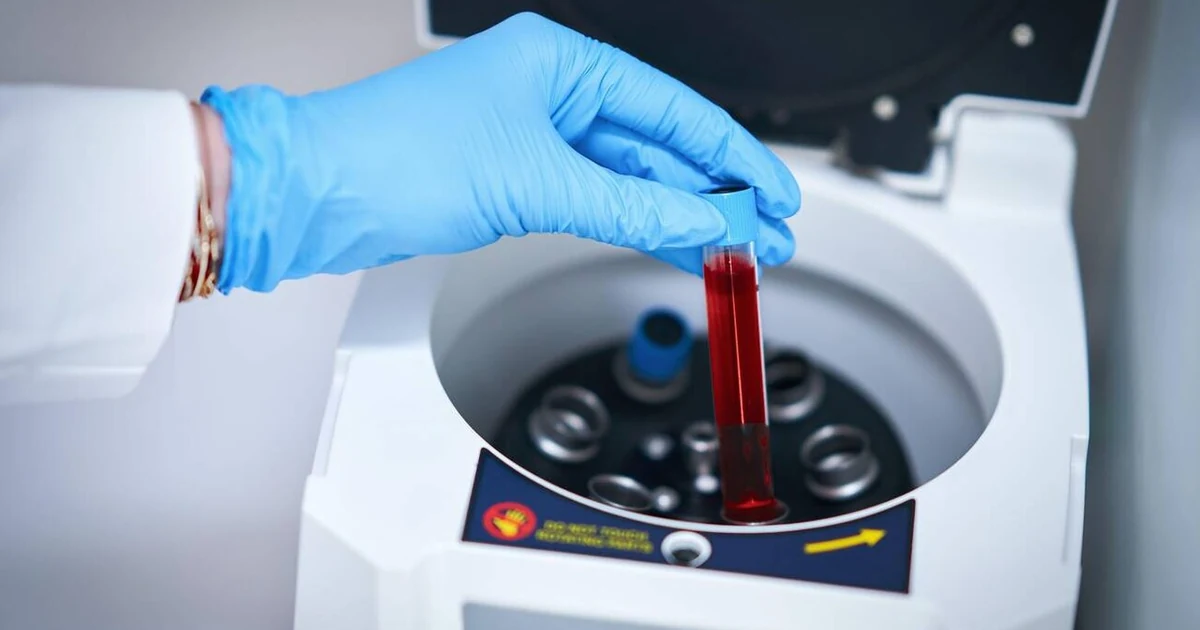
Photo: Goleisureintl · License: CC BY 4.0 · Cropped and resized. Verifying clinical handover for critical laboratory alerts
Quality and Oversight
Separate technical delivery of a result from evidence that an authorised clinical recipient has taken responsibility.
Published:

Photo: MatasNavickas · License: CC BY-SA 4.0 · Cropped and resized. Reconciling death and last-contact dates in safety records
Quality and Oversight
Preserve the meaning of different date fields when referring critical outcome discrepancies for authorised review.
Published:
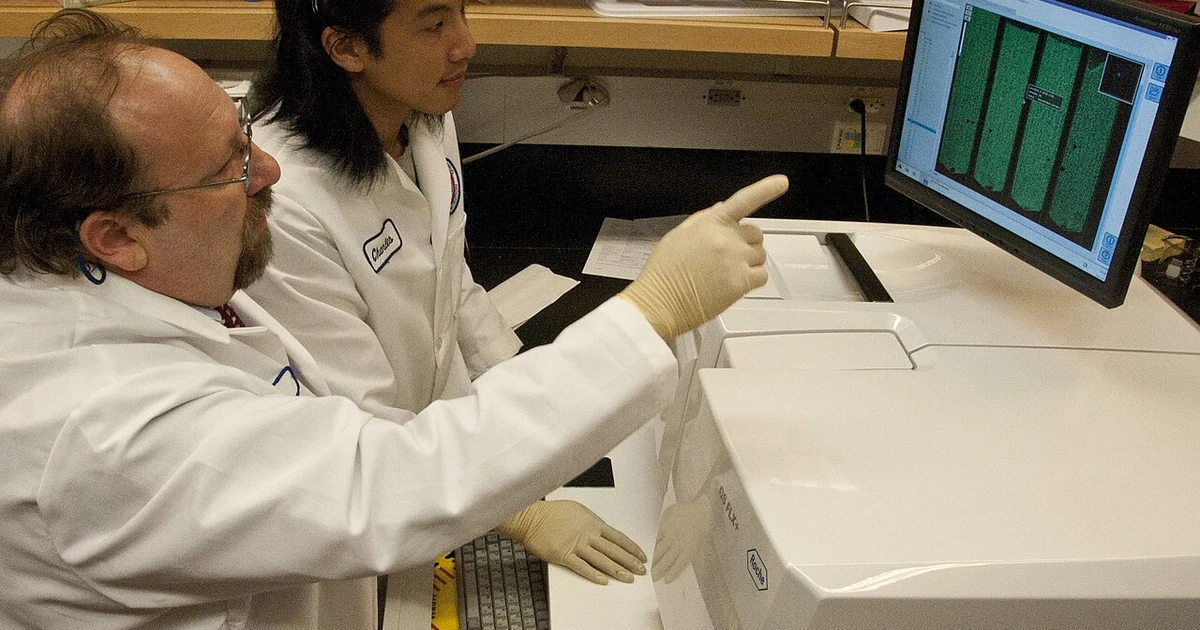
Photo: The U.S. Food and Drug Administration · License: Public domain · Cropped and resized. Concomitant medication changes in safety reconciliation
Quality and Oversight
Preserve clinical meaning when treatment records and event narratives describe different medication histories.
Published:
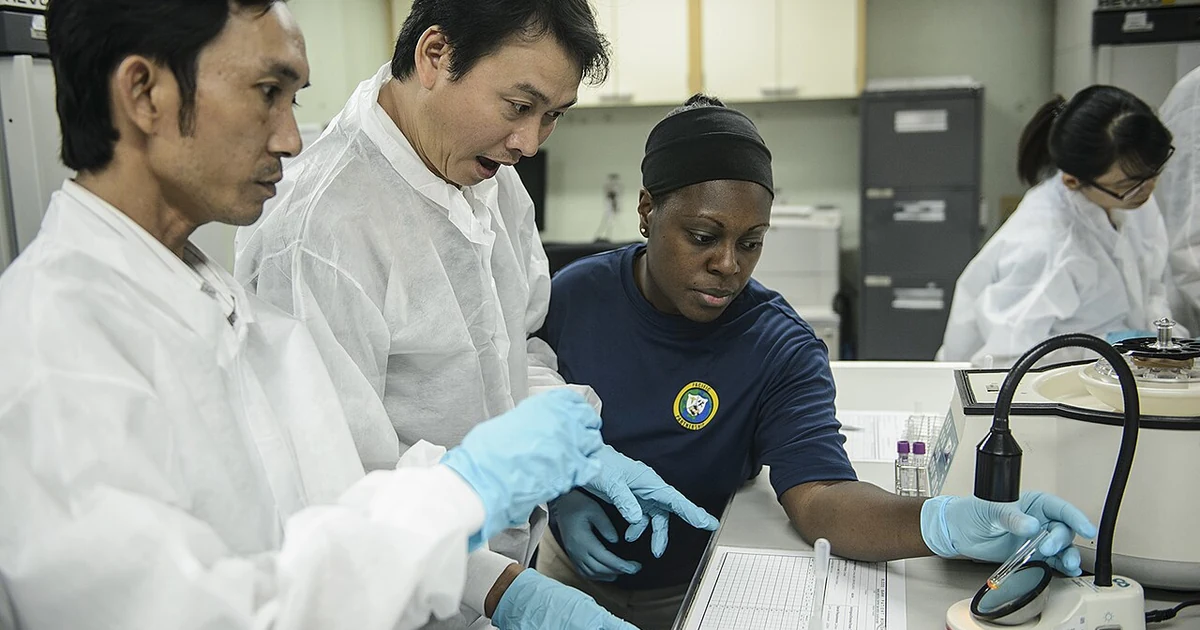
Photo: Official U.S. Navy Page from United States of America · License: Public domain · Cropped and resized. Continuing safety review after coding version changes
Quality and Oversight
Separate coding revisions from new clinical events and preserve the meaning of comparisons and earlier assessments.
Published:

Photo: National Center for Advancing Translational Sciences from Bethesda, MD · License: Public domain · Cropped and resized. Explaining open safety reconciliation differences at a data cut
Quality and Oversight
Keep unresolved differences and their decision impact visible when information is cut for a defined purpose.
Published:
Photo: Unknown photographer · License: Public domain · Cropped and resized. Source-version consistency in safety narratives
Quality and Oversight
Keep narrative changes traceable to their sources as follow-up information develops.
Published:
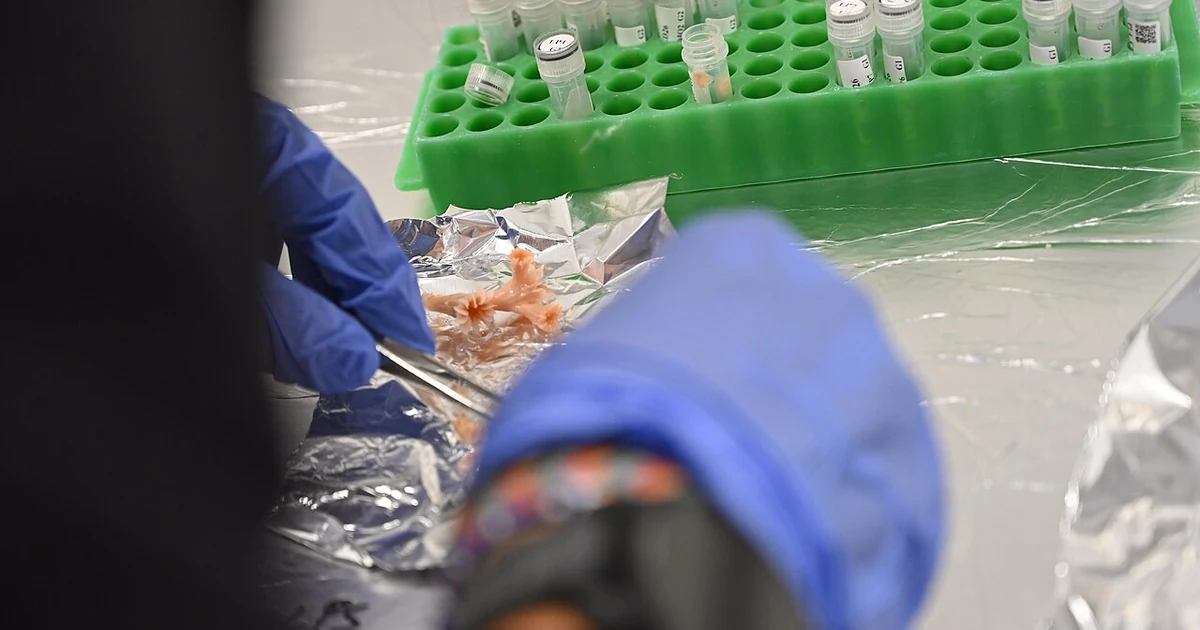
Photo: Kim Dornic (IFREMER, Pôle média & web, Centre Bretagne - ZI de la Pointe du Diable - CS 10070 - 29280 Plouzané) Kim Dornic (IFREMER, Pôle média & web, Centre Bretagne - ZI de la Pointe du Diable - CS 10070 - 29280 Plouzané) · License: CC BY 4.0 · Cropped and resized. Human-review sampling for automated outputs
Quality and Oversight
Choose review examples that cover decision risk rather than checking only the easiest automated results.
Published:
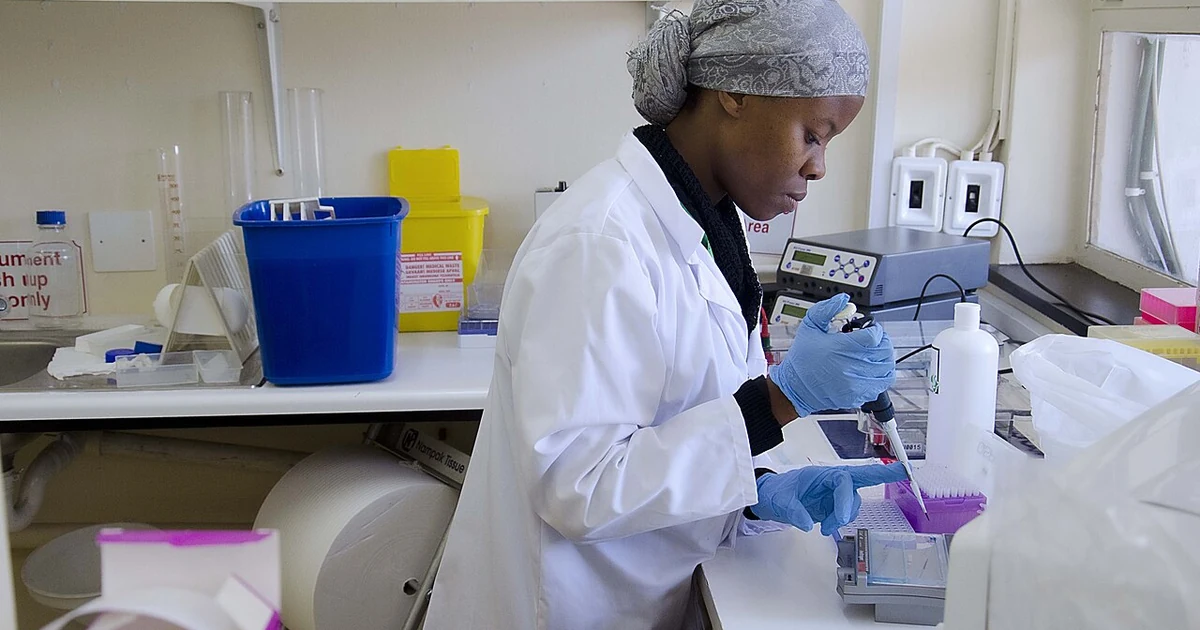
Photo: CDC Global · License: CC BY 2.0 · Cropped and resized. Fact-checking AI-generated monitoring summaries
Quality and Oversight
Check that fluent automated summaries preserve source facts, open findings and uncertainty.
Published:

Photo: National Center for Advancing Translational Sciences from Bethesda, MD · License: Public domain · Cropped and resized. Controlling invented facts in generated safety narratives
Quality and Oversight
Design review to remove unsupported clinical detail and assumed outcomes from automated narrative drafts.
Published:
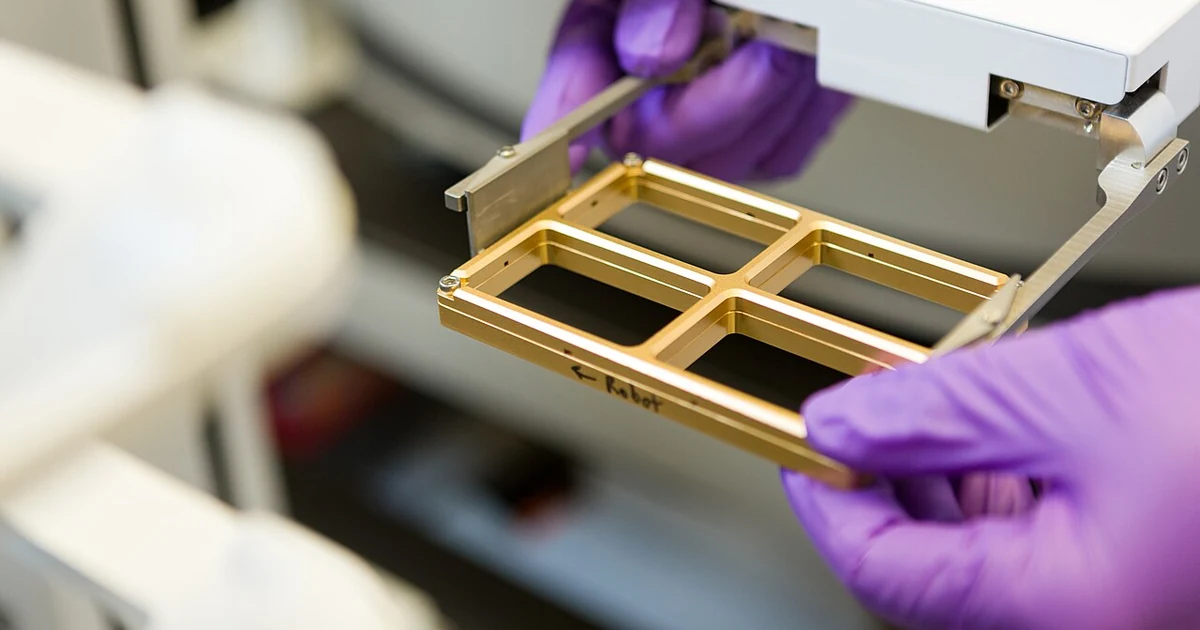
Photo: National Center for Advancing Translational Sciences from Bethesda, MD · License: Public domain · Cropped and resized. Monitoring input distribution changes in automated triage
Quality and Oversight
Reassess earlier automation performance when new sites, languages or record formats enter the workflow.
Published:
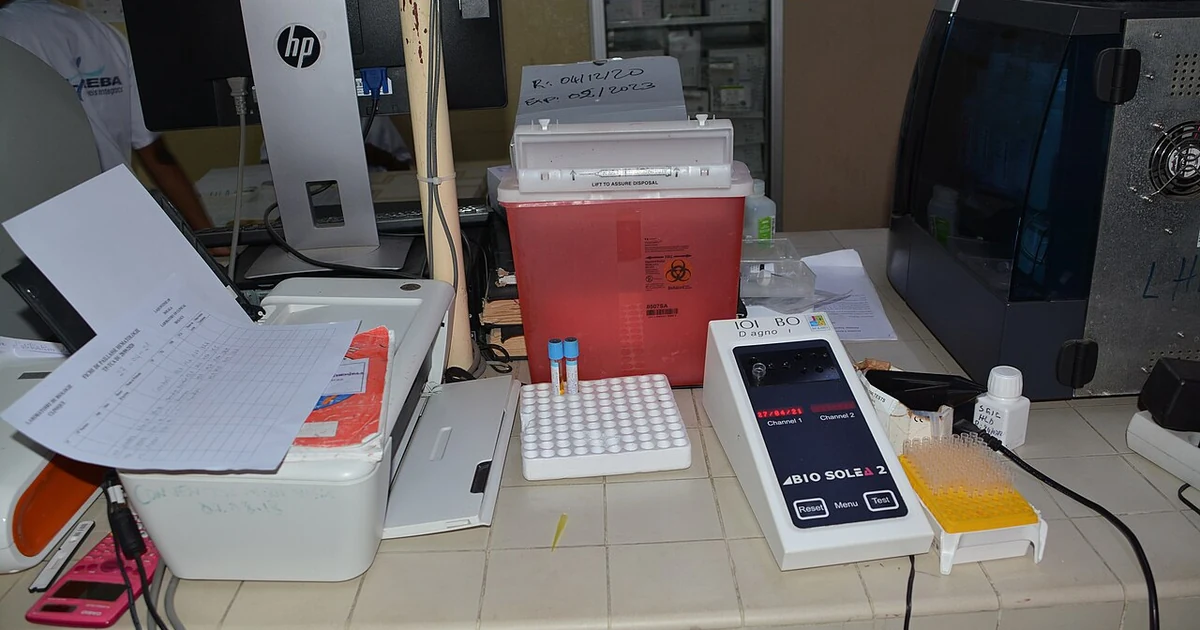
Photo: Happi Raphael · License: CC BY-SA 4.0 · Cropped and resized. Documenting overrides of automated recommendations
Quality and Oversight
Explain why an authorised human decision differs from automated advice so that the difference supports learning and oversight.
Published:
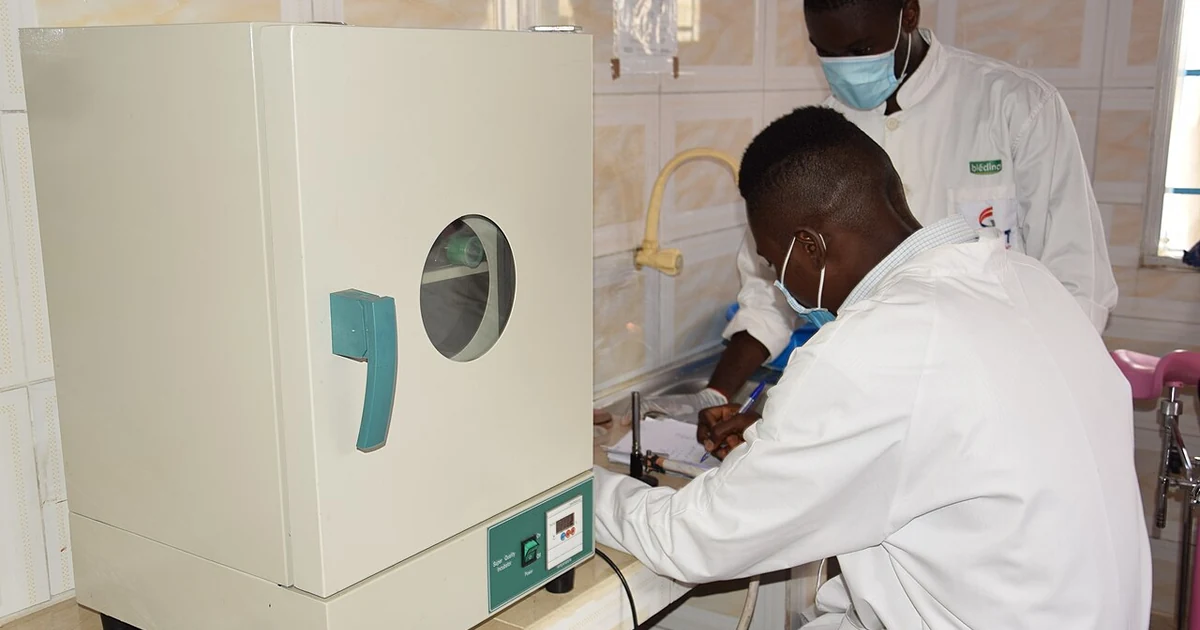
Photo: John Mbenguè · License: CC BY-SA 4.0 · Cropped and resized. Independence in dual review of automated outputs
Quality and Oversight
Ensure that a second reviewer challenges important claims against suitable sources rather than merely repeating the first approval.
Published:
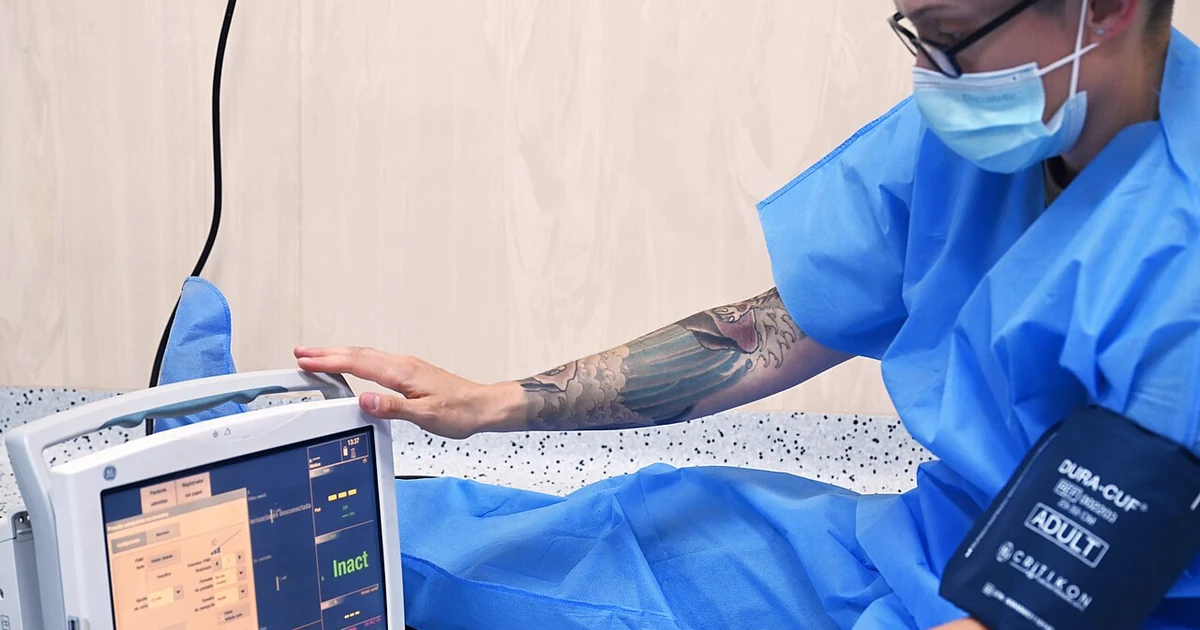
Photo: U.S. Air Force photo by Master Sgt. Jeffrey St Sauveur · License: Public domain · Cropped and resized. Separating the device learning curve from study outcomes
Medical Devices and Clinical Evidence
Make operator learning visible through prospective run-in definitions, experience records and analysis decisions.
Published:
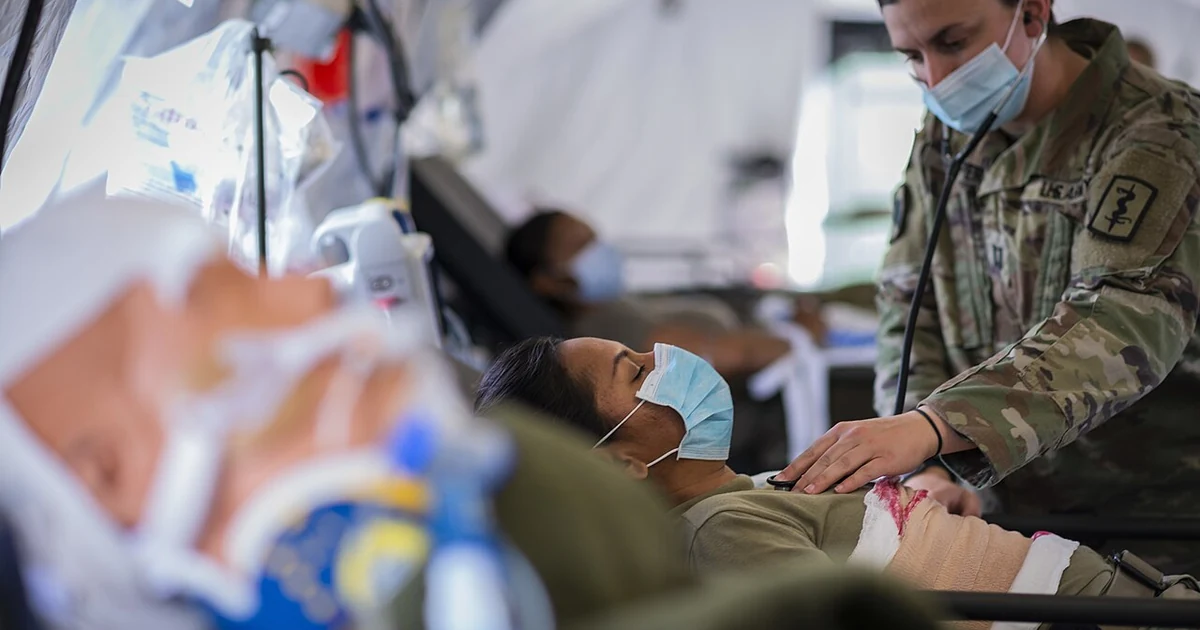
Photo: U.S. Army TSAE by Ismael Ortega · License: Public domain · Cropped and resized. Comparing device operator proficiency across sites
Medical Devices and Clinical Evidence
Assess different training and experience conditions against observable study-specific skills.
Published:
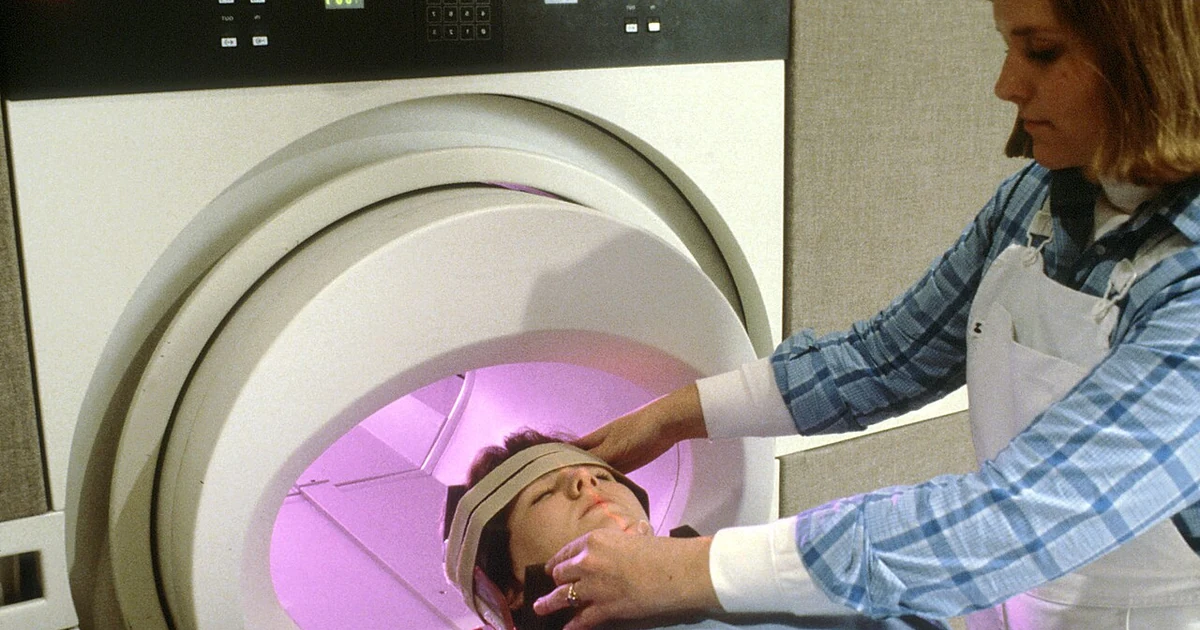
Photo: Unknown photographer · License: Public domain · Cropped and resized. Distinguishing device problems from procedural deviations
Medical Devices and Clinical Evidence
Keep device behaviour, user actions and departures from the investigation plan separately assessable.
Published:

Photo: Shixart1985 · License: CC BY 2.0 · Cropped and resized. Reconciling device serial and lot identifiers with participant records
Medical Devices and Clinical Evidence
Verify the link between device receipt and the actual unit or lot used for each participant.
Published:
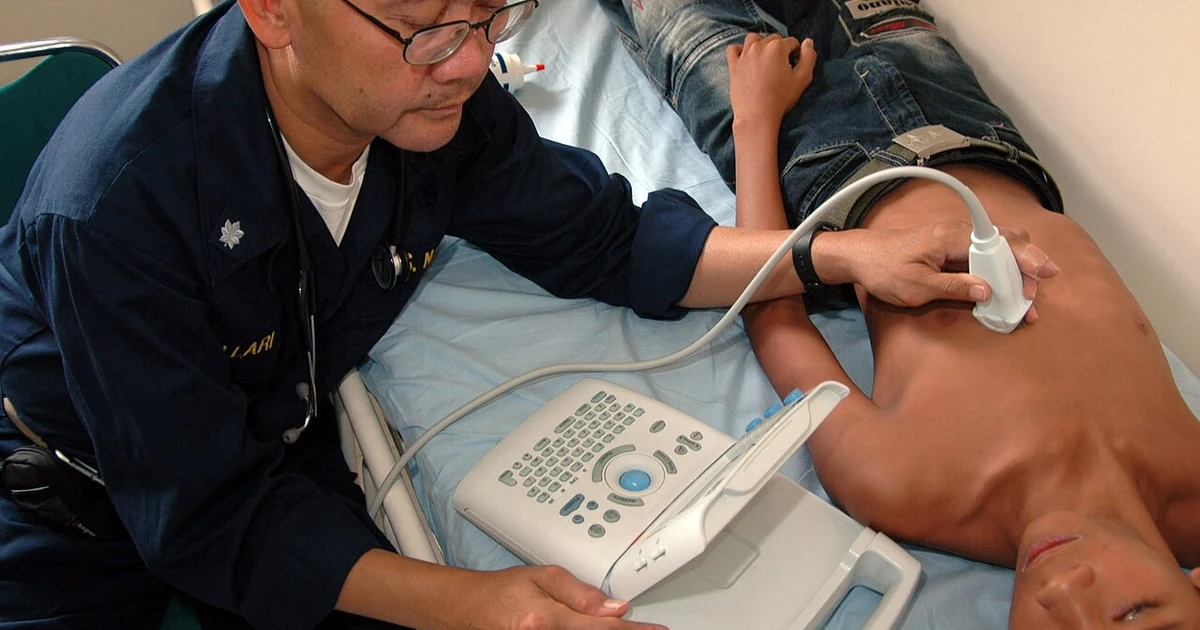
Photo: Joseph Caballero, U.S. Navy · License: Public domain · Cropped and resized. Linking device replacement to clinical outcomes
Medical Devices and Clinical Evidence
Track replaced devices within participant exposure, measurement continuity and analysis timelines.
Published:
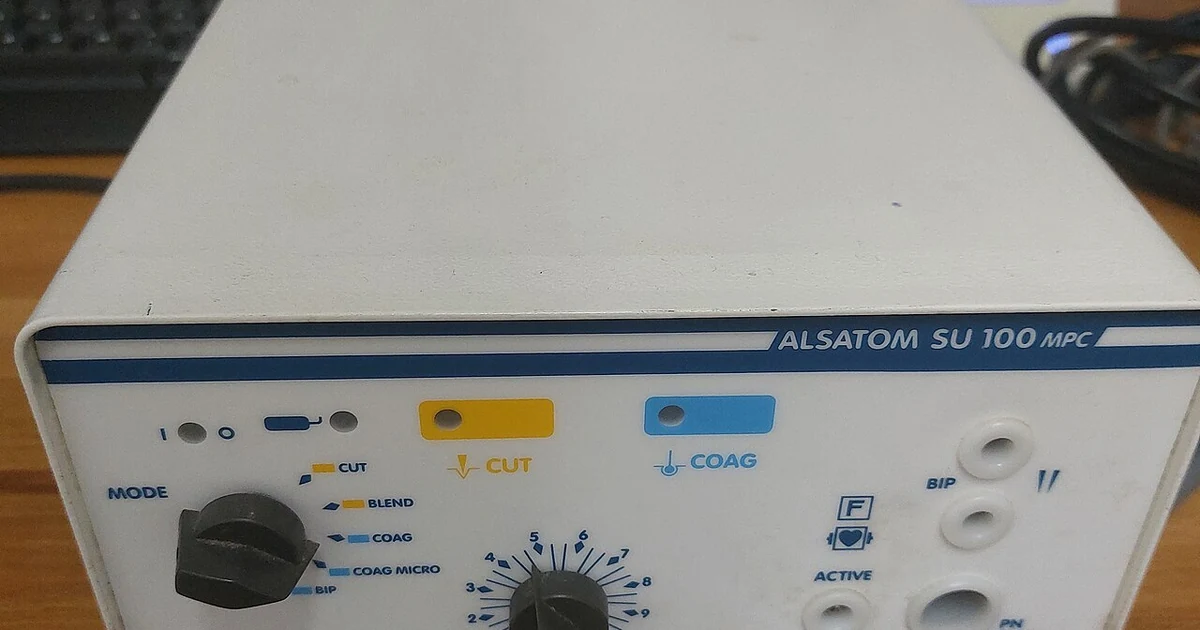
Photo: Mx Lucy · License: CC0 · Cropped and resized. Controlling device configurations across study sites
Medical Devices and Clinical Evidence
Link hardware, software and setting differences to the conditions under which study data were generated.
Published:
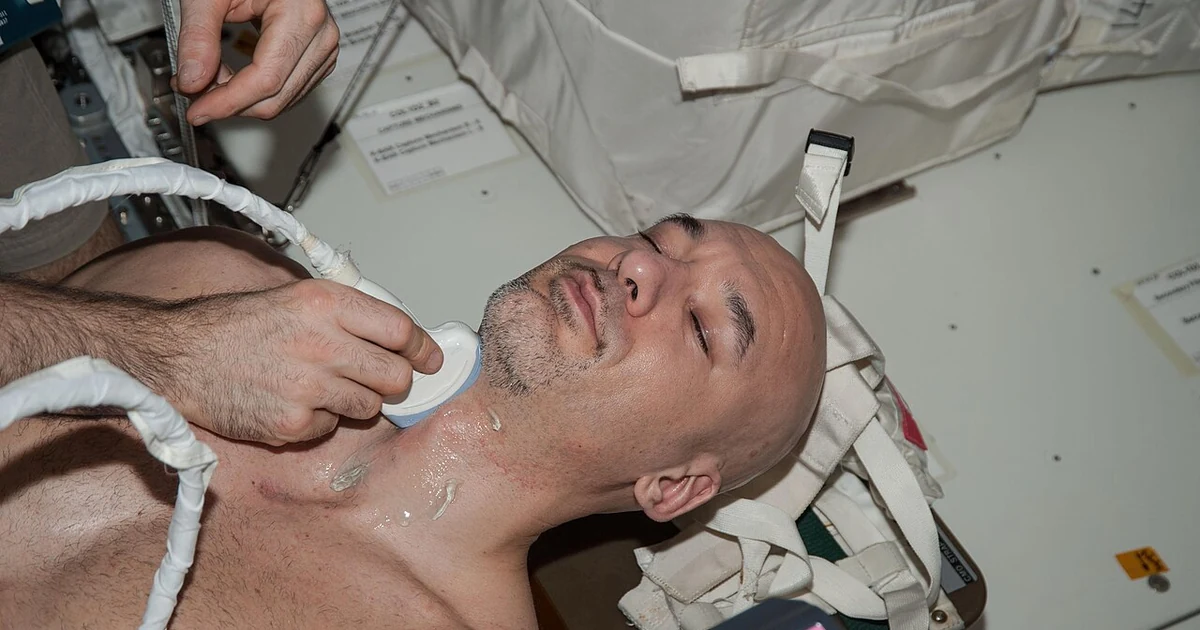
Photo: NASA · License: Public domain · Cropped and resized. Testing accessory compatibility against the investigation scope
Medical Devices and Clinical Evidence
Separate physical connection from evidence that an accessory supports the investigated clinical use.
Published:
Photo: EU2016 NL from The Netherlands · License: CC BY 2.0 · Cropped and resized. Separating simulated-use findings from clinical evidence
Medical Devices and Clinical Evidence
Do not equate successful tasks in a simulated setting with demonstrated clinical outcomes.
Published:
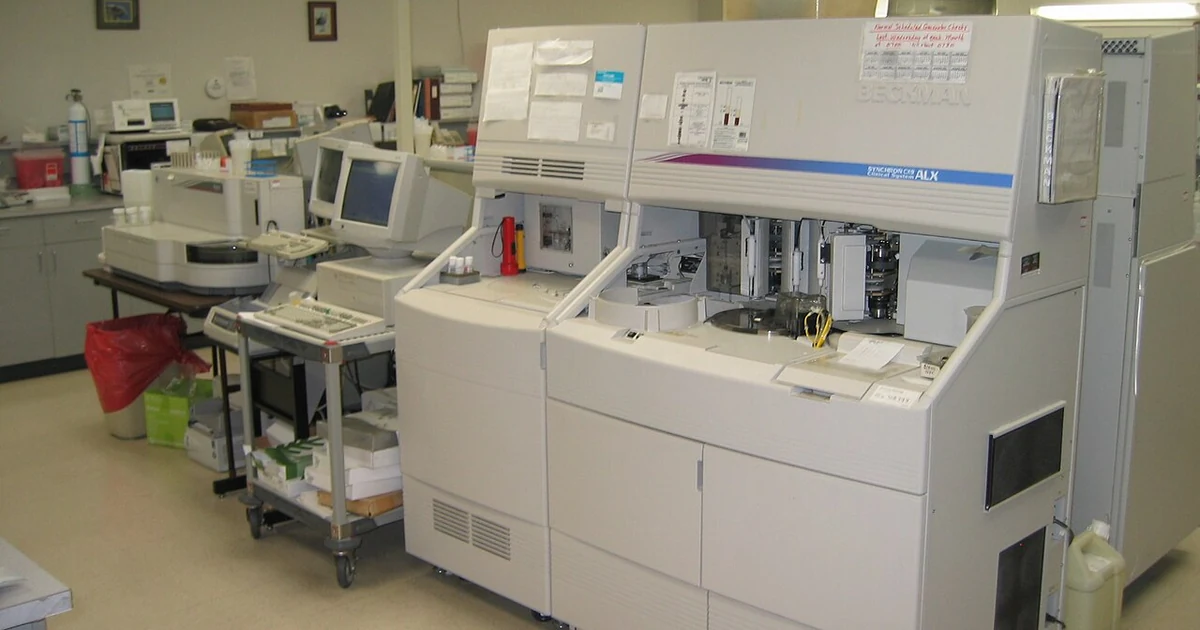
Photo: Bobjgalindo · License: CC BY-SA 4.0 · Cropped and resized. Coding device use errors as observable behaviour
Medical Devices and Clinical Evidence
Separate observation from interpretation to create reproducible use-error categories.
Published:
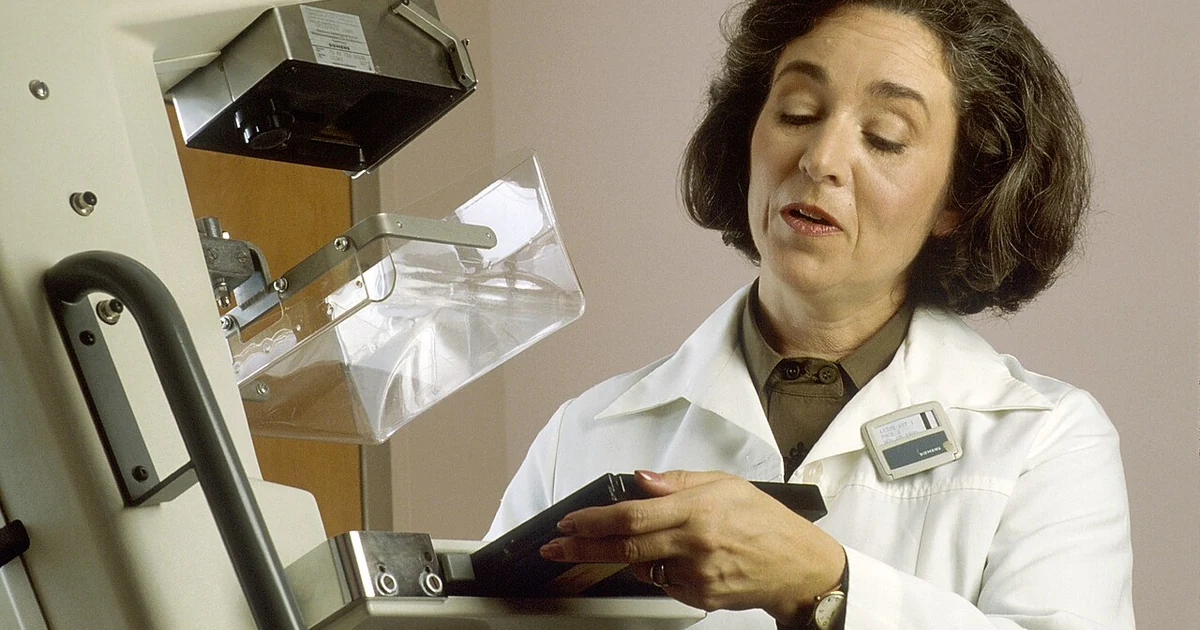
Photo: Unknown photographer · License: Public domain · Cropped and resized. Defining intervention limits for critical device tasks
Medical Devices and Clinical Evidence
Plan when an observer will assist or stop an attempt before use testing begins.
Published:
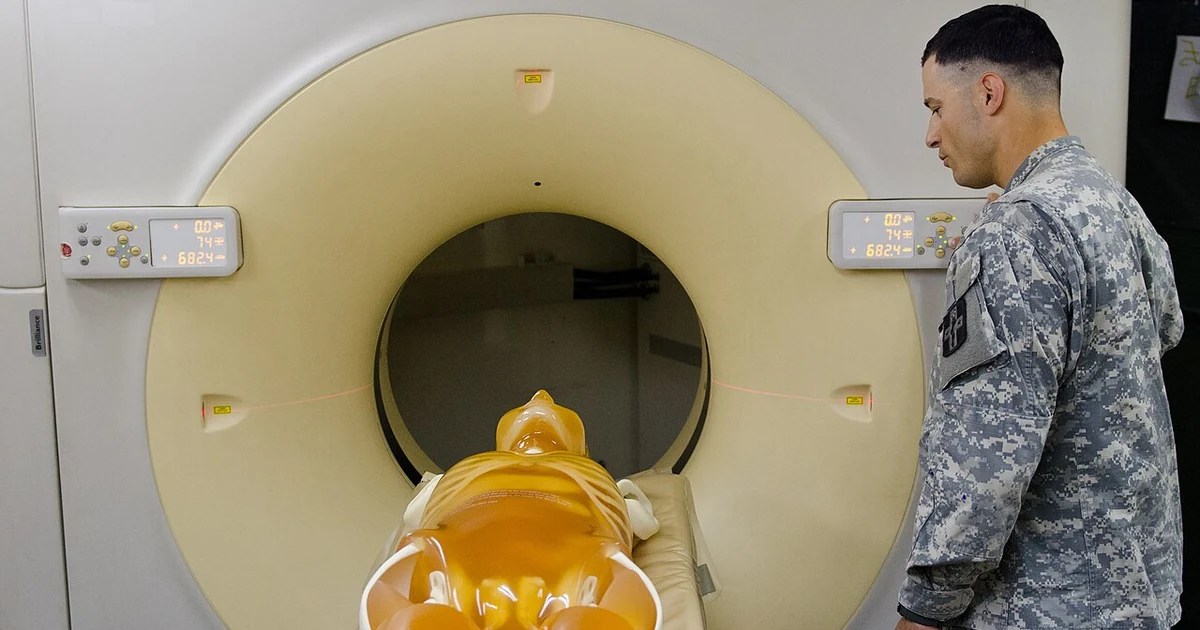
Photo: Sgt. Brian Godette · License: Public domain · Cropped and resized. Assessing retention of device skills after training
Medical Devices and Clinical Evidence
Track how the interval between training and actual use influences task performance.
Published:
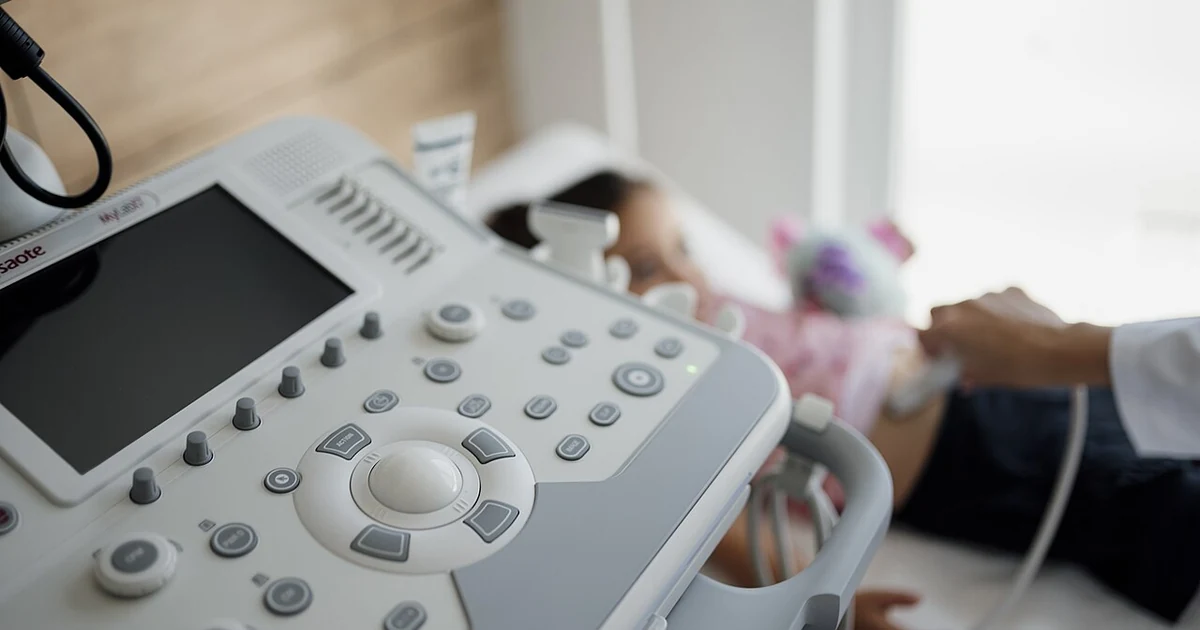
Photo: Shixart1985 · License: CC BY 2.0 · Cropped and resized. Representing the home-use environment in device research
Medical Devices and Clinical Evidence
Bring differences in connectivity, space, lighting and available help into study assumptions.
Published:
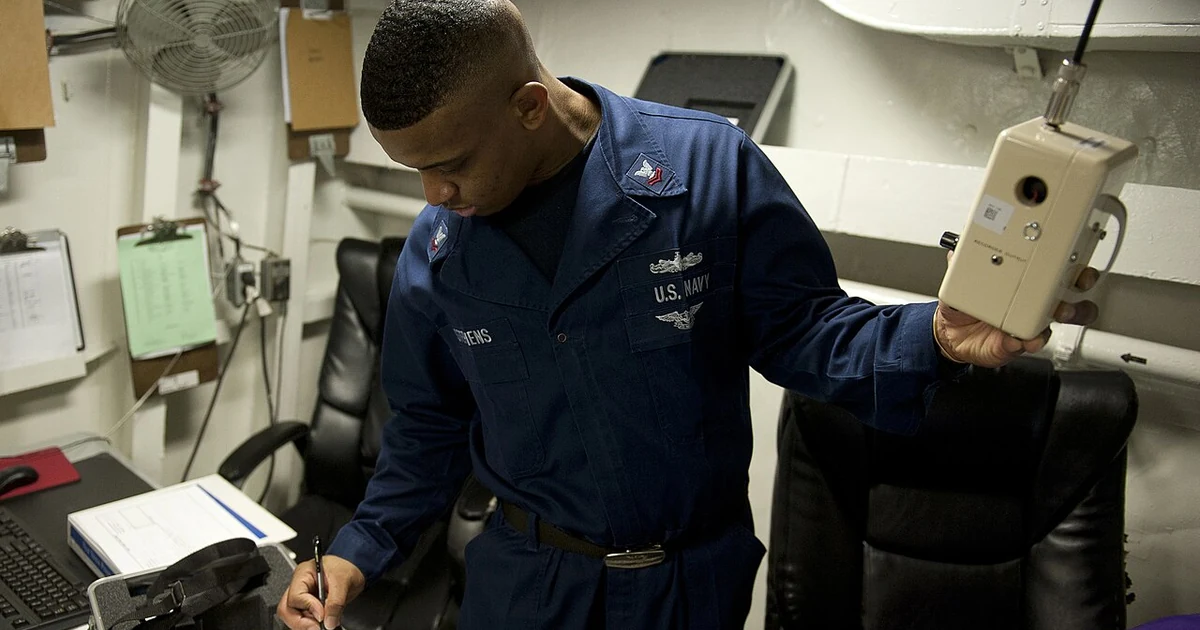
Photo: U.S. Navy photo by Mass Communication Specialist 2nd Class James R. Evans · License: Public domain · Cropped and resized. Representing intended lay users in device testing
Medical Devices and Clinical Evidence
Sample intended user tasks and support conditions rather than relying only on convenient volunteers.
Published:
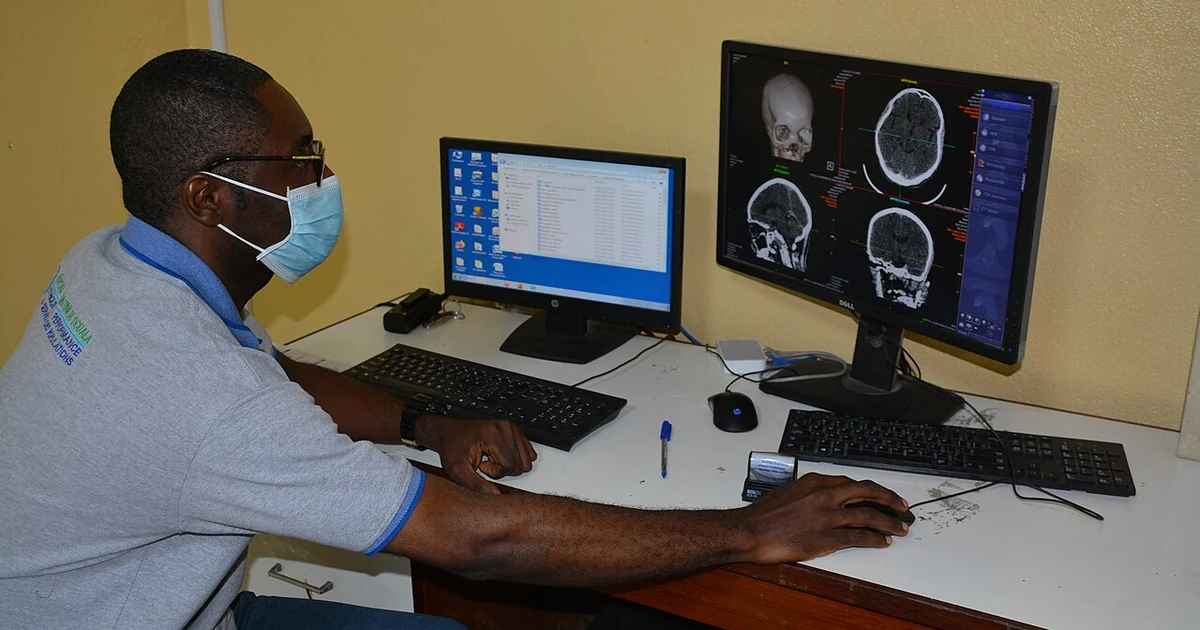
Photo: Happi Raphael · License: CC BY-SA 4.0 · Cropped and resized. Verifying translated device instructions through actual tasks
Medical Devices and Clinical Evidence
Assess linguistic accuracy separately from whether users correctly perform critical instructions.
Published:
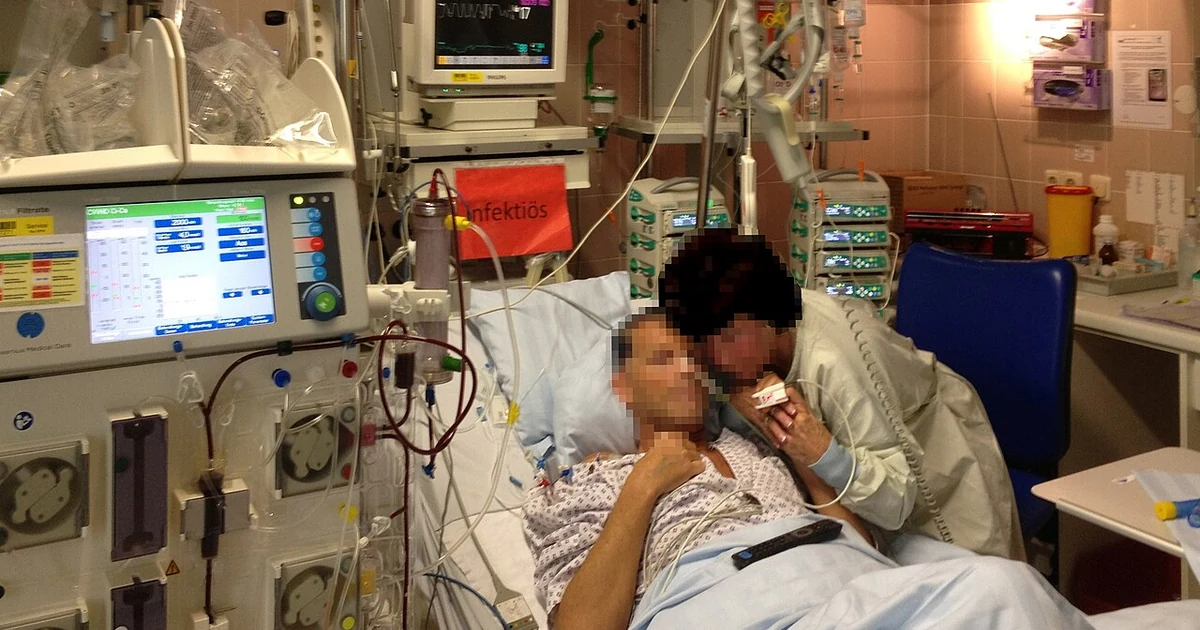
Photo: Pittigrilli · License: CC BY-SA 4.0 · Cropped and resized. Mapping device alarms to user interpretation and action
Medical Devices and Clinical Evidence
Observe detection, correct interpretation and appropriate action as separate steps.
Published:
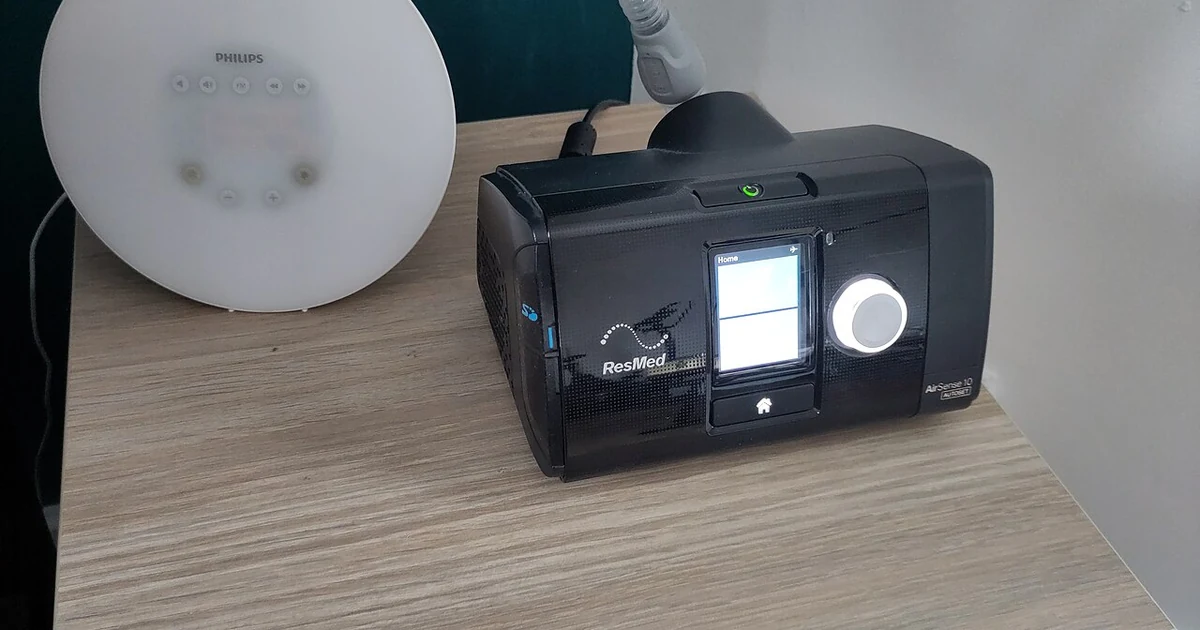
Photo: Nimlhûg · License: CC0 · Cropped and resized. Separating device-experience interviews from clinical outcomes
Medical Devices and Clinical Evidence
Interpret participant accounts alongside task observations and clinical measurements.
Published:
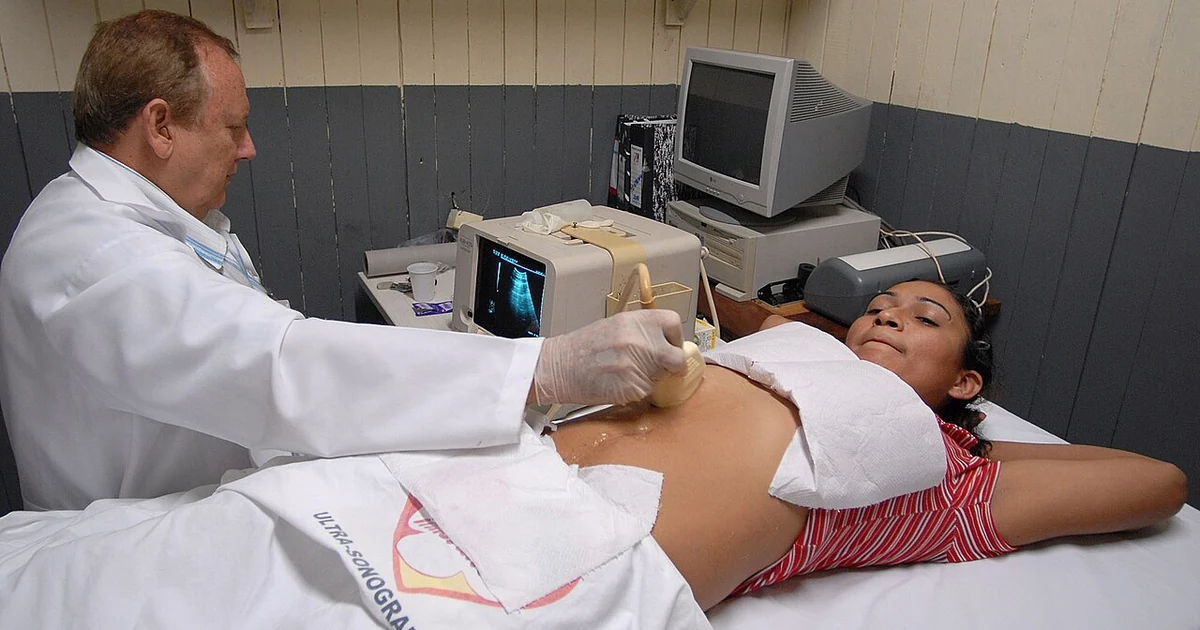
Photo: Agência de Notícias do Acre · License: CC BY 2.0 · Cropped and resized. Protecting blinding of device endpoint assessors
Medical Devices and Clinical Evidence
Manage clues from device appearance and procedural records within the assessment workflow.
Published:
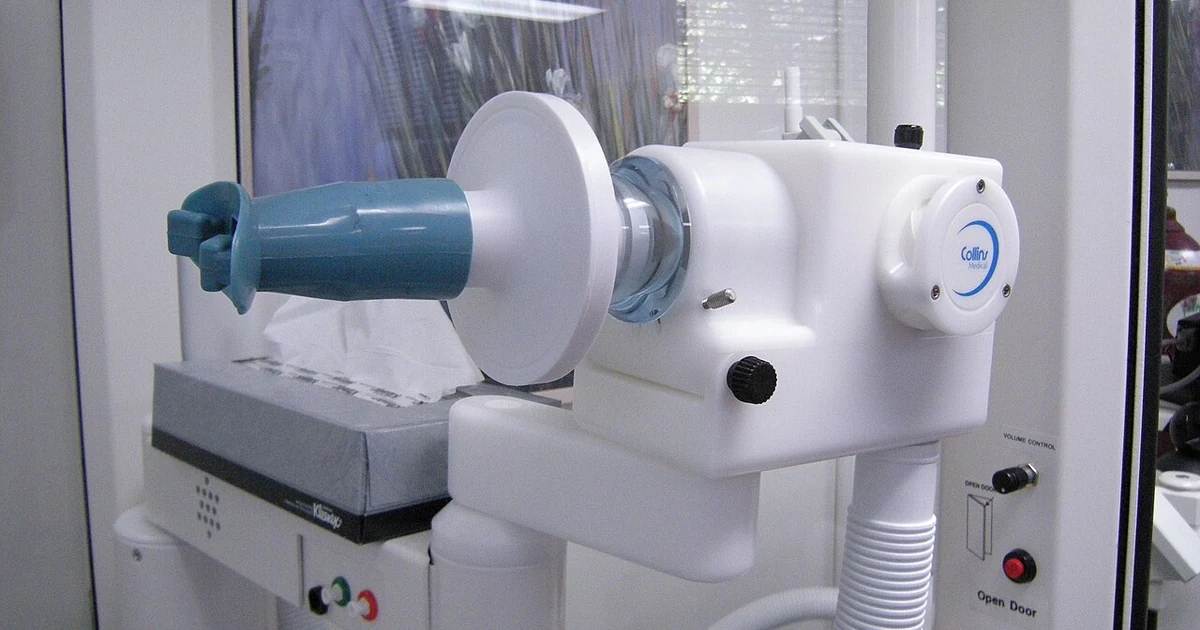
Photo: Joe Mabel · License: CC BY-SA 3.0 · Cropped and resized. Justifying the configuration of a device comparator
Medical Devices and Clinical Evidence
Explain comparator selection through the research question, beyond brand name or market share.
Published:
Photo: EU2016 NL from The Netherlands · License: CC BY 2.0 · Cropped and resized. Combining clinical and technical evidence in device failure review
Medical Devices and Clinical Evidence
Do not automatically equate a technical test result with the explanation of a participant event.
Published:

Photo: Oak Ridge National Laboratory · License: CC BY 2.0 · Cropped and resized. Preserving sample and clinical context in explanted device assessment
Medical Devices and Clinical Evidence
Connect technical examination of a removed device with procedural information and sample handling.
Published:
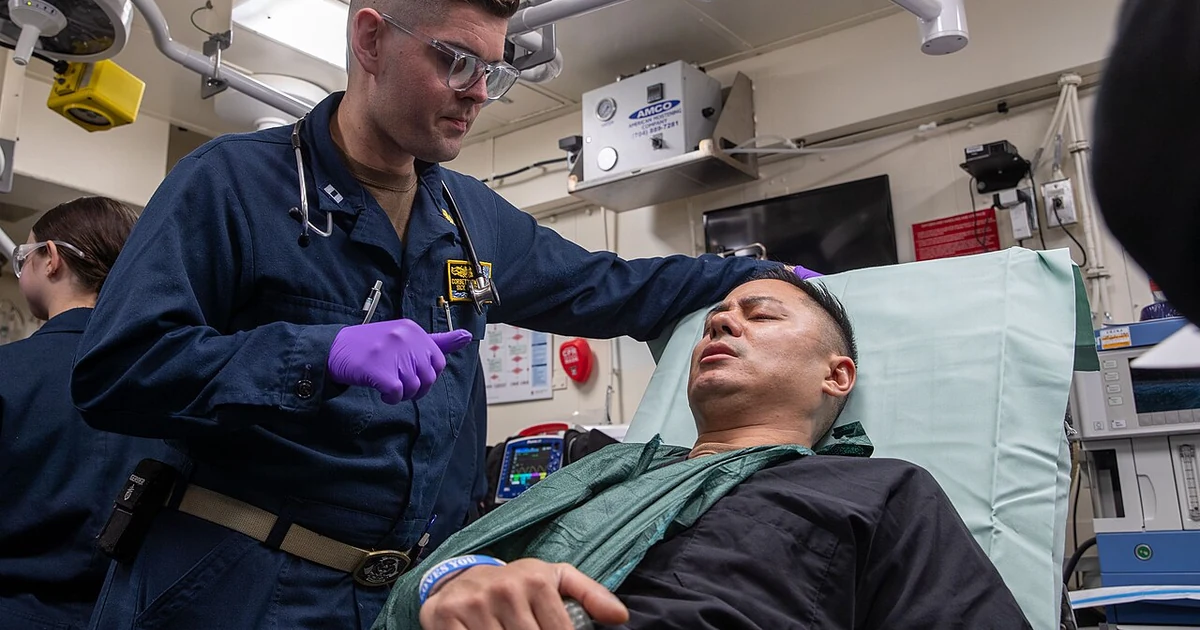
Photo: U.S. Navy photo by Petty Officer 2nd Class Kaleb Birch · License: Public domain · Cropped and resized. Maintaining long-term contact in implant investigations
Medical Devices and Clinical Evidence
Plan participant contact, site transitions and open responsibilities across extended follow-up.
Published:
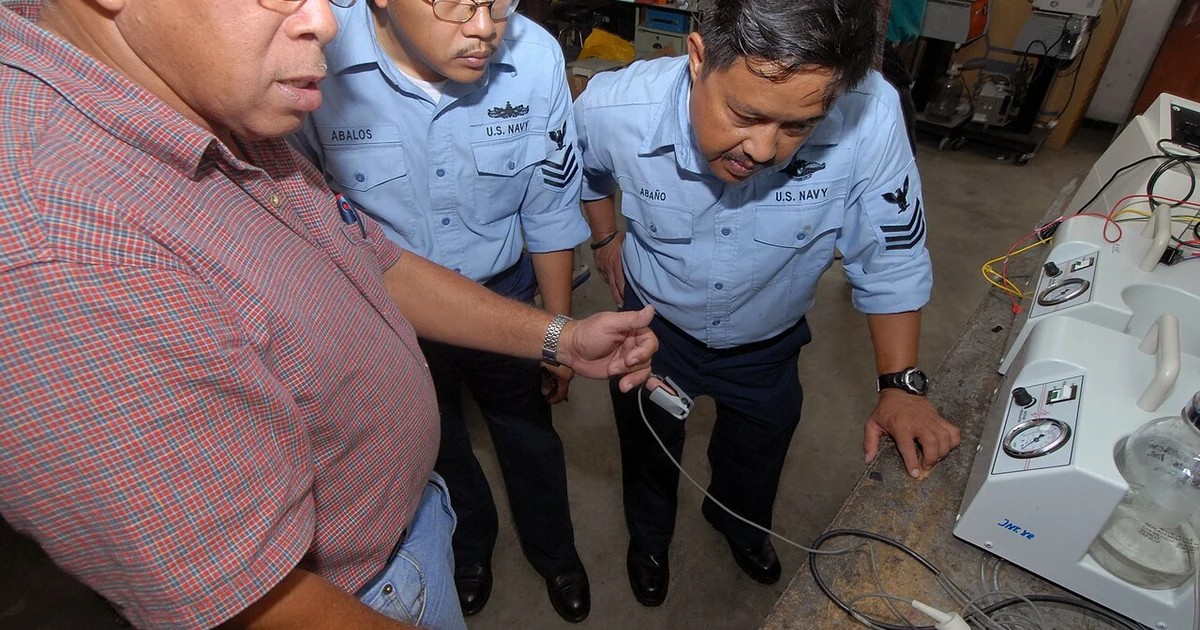
Photo: U.S. Navy photo by Mass Communication Specialist 2nd Class Joshua Karsten · License: Public domain · Cropped and resized. Linking device-app updates to study data periods
Medical Devices and Clinical Evidence
Match changed application functions to participant-level version and measurement records.
Published:
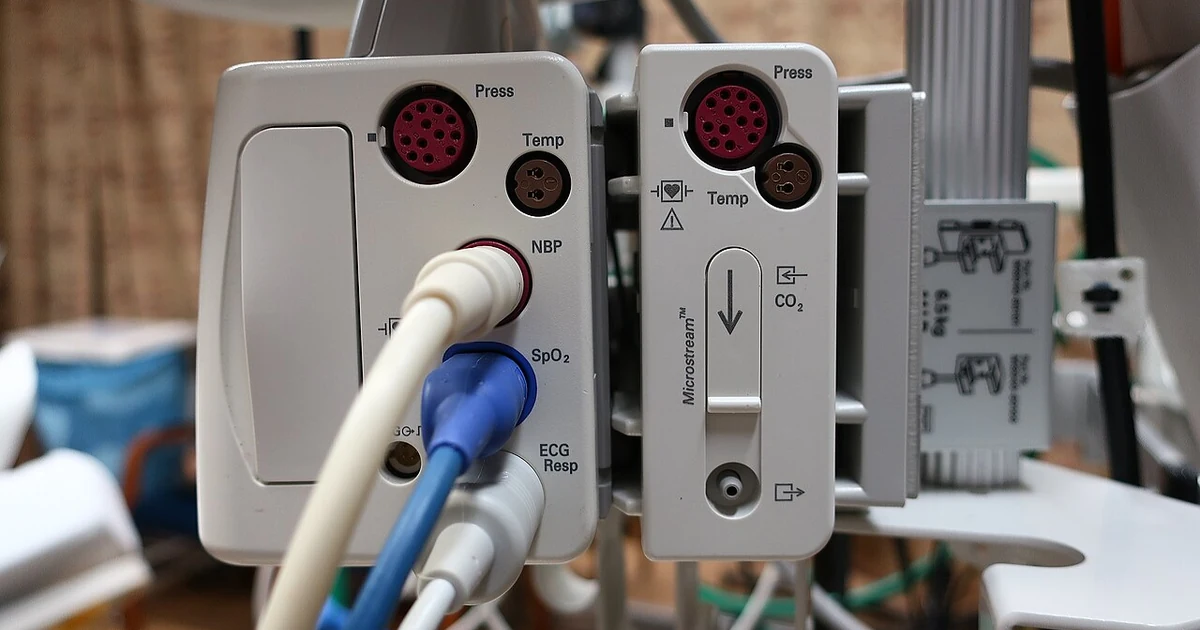
Photo: Mr. Satterly · License: CC0 · Cropped and resized. Monitoring input distribution shift in device algorithms
Medical Devices and Clinical Evidence
Assess how new data conditions can change performance interpretation even without a code update.
Published:

Photo: Official Navy Page from United States of America Jasmine Sheard/U.S. Navy · License: Public domain · Cropped and resized. Assessing device algorithm threshold changes in their decision context
Medical Devices and Clinical Evidence
Make changes in error balance and user action visible when a decision threshold changes.
Published:
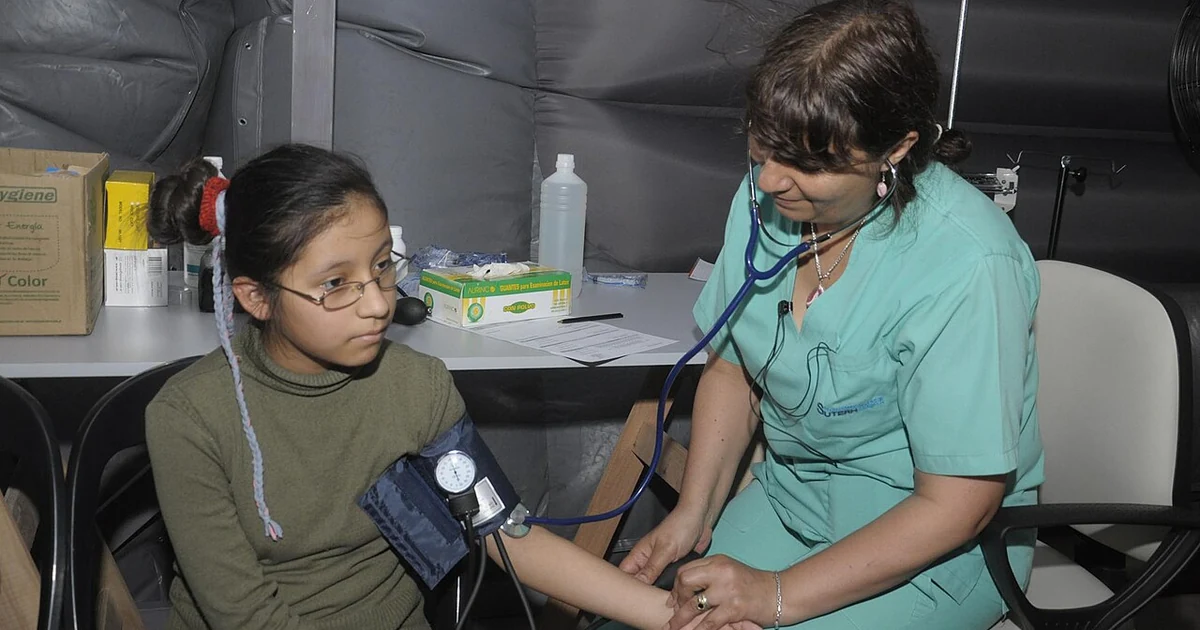
Photo: Víctor Santa María from Buenos Aires, Argentina · License: CC BY 2.0 · Cropped and resized. Presenting subgroup uncertainty for AI-enabled devices
Medical Devices and Clinical Evidence
Assess the groups behind overall performance with appropriate scope and uncertainty.
Published:
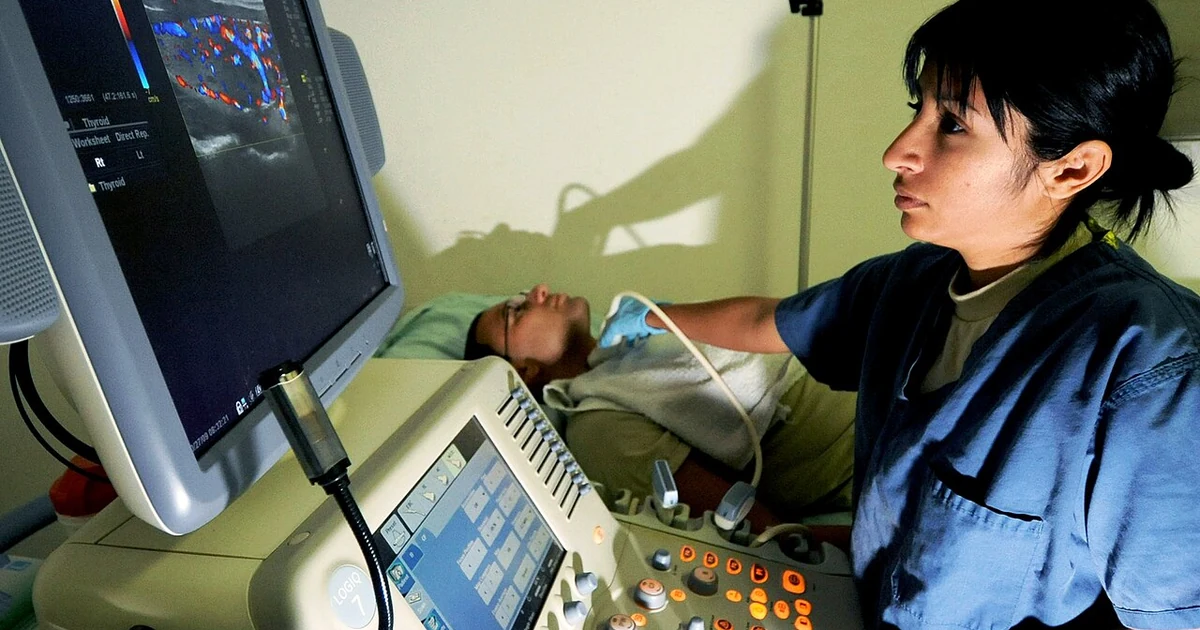
Photo: Christopher Hubenthal, U.S. Air Force · License: Public domain · Cropped and resized. Distinguishing causes of missing wearable-device data
Medical Devices and Clinical Evidence
Make nonwear, signal loss and transfer problems distinguishable in the missing-data process.
Published:
Photo: U.S. Army TSAE by Ismael Ortega · License: Public domain · Cropped and resized. Testing device interoperability within clinical workflows
Medical Devices and Clinical Evidence
Assess successful transmission alongside correct meaning and action in the receiving system.
Published:
Photo: Tony Webster from San Francisco, California · License: CC BY 2.0 · Cropped and resized. Separating software technical verification from clinical validity
Medical Devices and Clinical Evidence
Connect tests of correct computation to evidence supporting the intended clinical claim.
Published:
Photo: Adoscam · License: CC BY-SA 4.0 · Cropped and resized. Examining human interaction with AI device outputs
Medical Devices and Clinical Evidence
Separate algorithm accuracy from evidence about how users act on the output.
Published:
Photo: Goleisureintl · License: CC BY 4.0 · Cropped and resized. Assessing clinical impact of device cybersecurity incidents
Medical Devices and Clinical Evidence
Link technical incident records to consequences for measurement, access and participants.
Published:
Photo: U.S. Navy photo by Mass Communication Specialist 2nd Class James R. Evans · License: Public domain · Cropped and resized. Examining nonresponse bias in PMCF surveys
Medical Devices and Clinical Evidence
Avoid presenting respondents’ experiences as the outcome of every device user.
Published:
Photo: U.S. Army photo by 1st Lt. Katherine Sibilla · License: Public domain · Cropped and resized. Managing duplicate participants in PMCF registries
Medical Devices and Clinical Evidence
Distinguish the same person across sites and sources when counting exposure and events.
Published:

Photo: Rhoda Baer (Photographer) · License: Public domain · Cropped and resized. Separating outside-intended-use signals in PMCF
Medical Devices and Clinical Evidence
Assess observations beyond intended use without automatically adding them to the existing clinical claim.
Published:
Photo: NASA · License: Public domain · Cropped and resized. Linking PMCF findings with complaint data
Medical Devices and Clinical Evidence
Assess complaints and active follow-up as complementary sources with different capture methods.
Published:
Photo: Saltanat · License: CC0 · Cropped and resized. Testing feasibility of PMCF follow-up targets
Medical Devices and Clinical Evidence
Assess whether planned follow-up can arise from real access, permissions and assessment capacity.
Published:
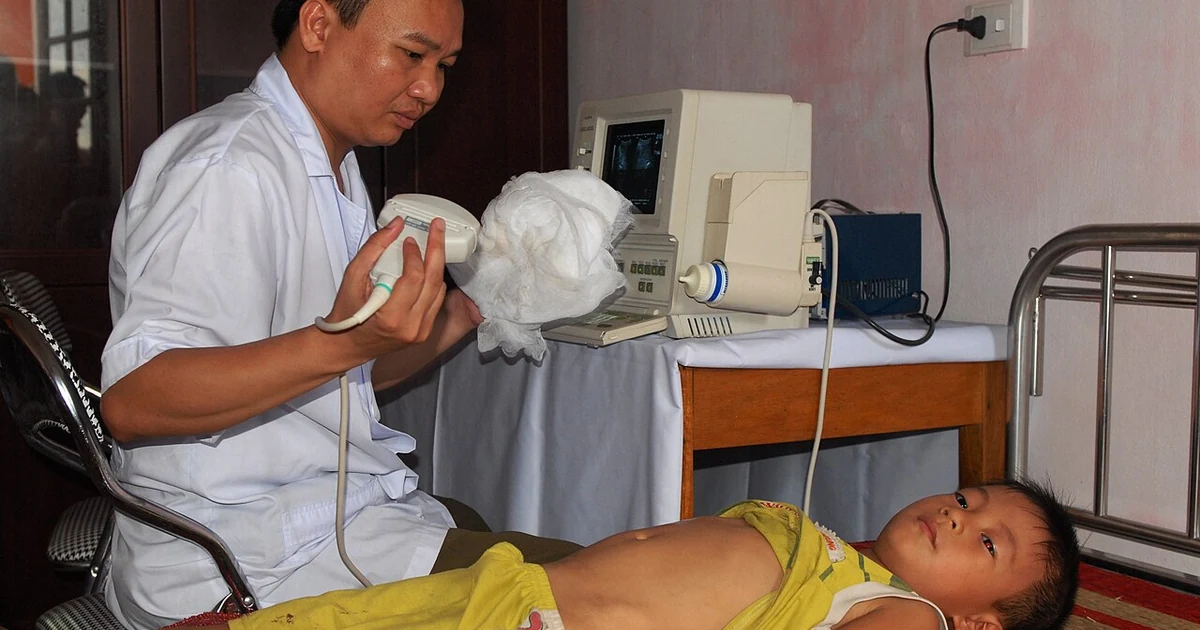
Photo: JoAnn Moravac, U.S. Army · License: Public domain · Cropped and resized. Interpreting PMCF clinician experience with exposure denominators
Medical Devices and Clinical Evidence
Assess event counts alongside procedure volume, experience and observation periods.
Published:
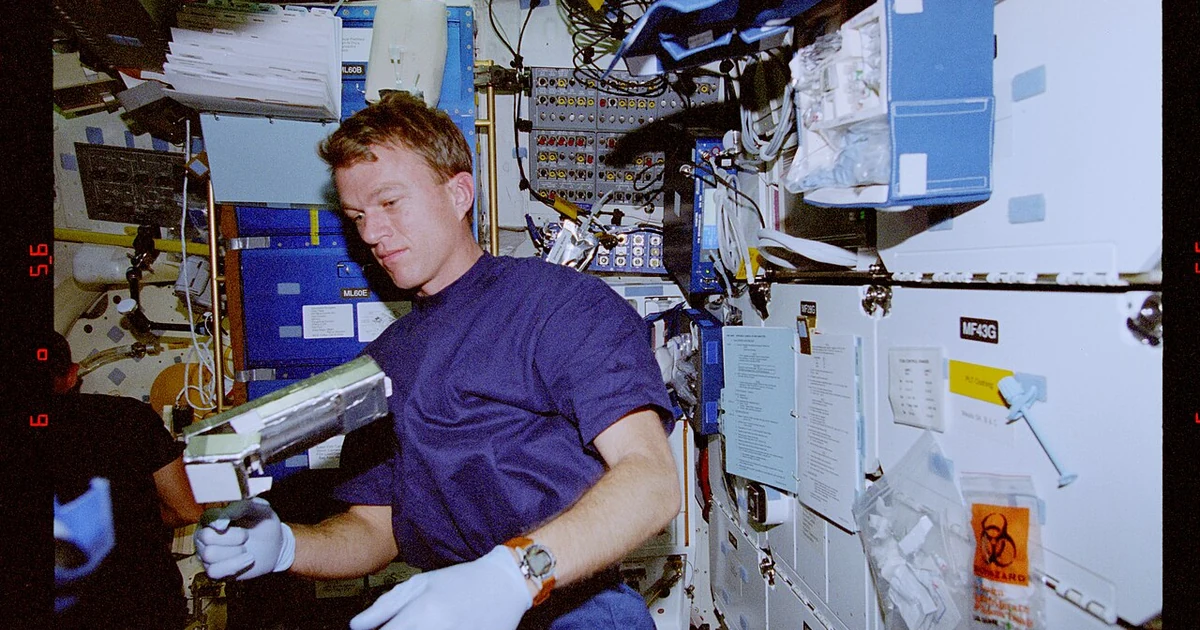
Photo: National Aeronautics and Space Administration. Lyndon B. Johnson Space Center. 2/17/1973 · License: Public domain · Cropped and resized. Carrying PMCF loss to follow-up into interpretation
Medical Devices and Clinical Evidence
Assess uncertainty without assuming favourable or unfavourable outcomes for unreachable users.
Published:
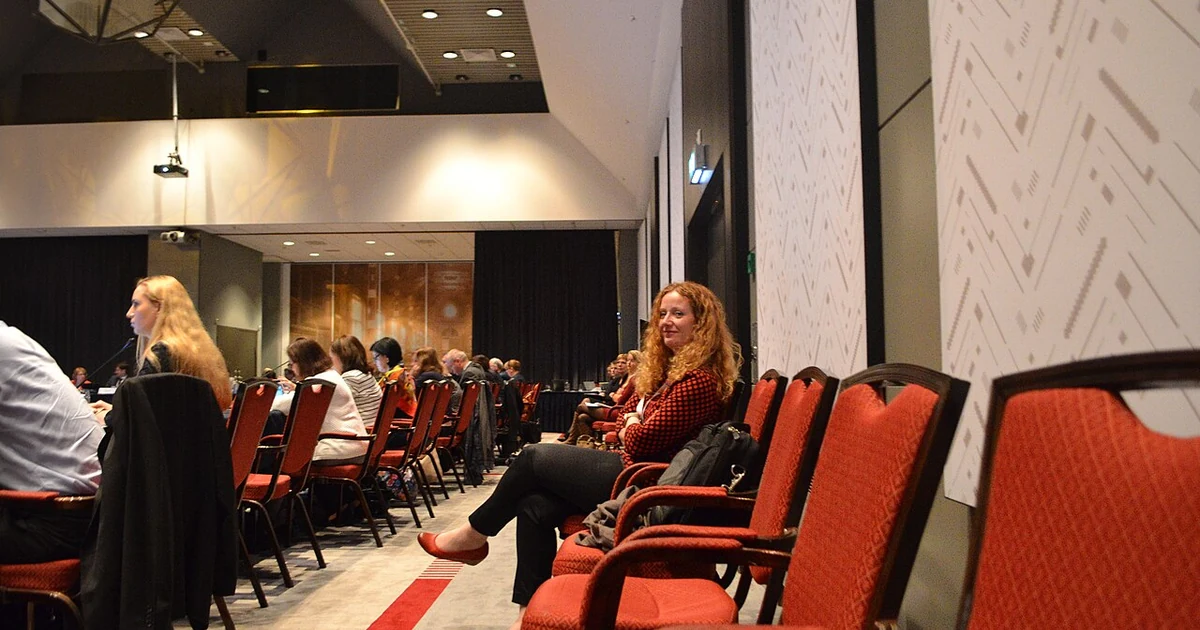
Photo: EU2016 NL from The Netherlands · License: CC BY 2.0 · Cropped and resized. Linking periodic PMCF review to traceable actions
Medical Devices and Clinical Evidence
Track data cuts, decisions and further evidence needs across reporting periods.
Published:
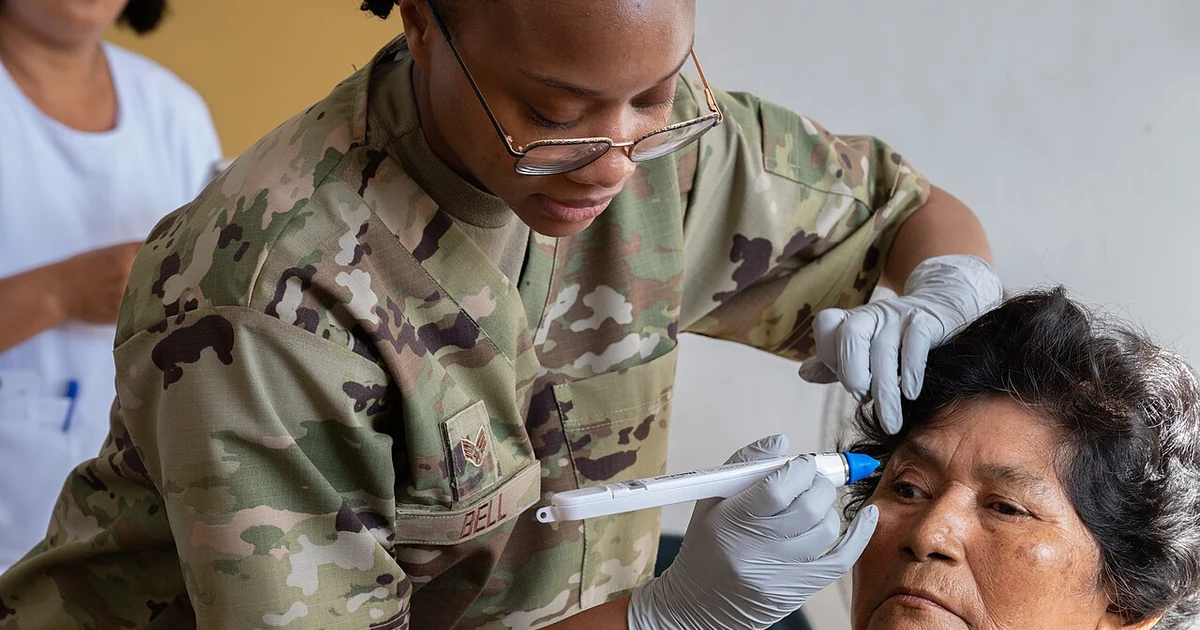
Photo: U.S. Air Force photo by Senior Airman Victoria Edwards · License: Public domain · Cropped and resized. Choosing patient-reported measures of device clinical benefit
Medical Devices and Clinical Evidence
Explain fit between the measure, device claim, intended population and assessment timing.
Published:
Photo: National Aeronautics and Space Administration. Lyndon B. Johnson Space Center. 2/17/1973 · License: Public domain · Cropped and resized. Recording uncertainty in device benefit–risk assessment
Medical Devices and Clinical Evidence
Explain known benefits, potential harms and evidence limitations without collapsing them into one score.
Published:
Photo: NASA · License: Public domain · Cropped and resized. Justifying the reference method in IVD studies
Medical Devices and Clinical Evidence
Separate the comparator’s ability to establish condition status from the measures reported.
Published:
Photo: J3D3 · License: CC BY-SA 3.0 · Cropped and resized. Examining selective verification in IVD studies
Medical Devices and Clinical Evidence
Explain who receives reference assessment and how that relates to the new test result.
Published:
Photo: Robert Markowitz · License: Public domain · Cropped and resized. Representing the clinical spectrum in IVD samples
Medical Devices and Clinical Evidence
Assess whether obvious cases and healthy controls represent the intended testing population.
Published:
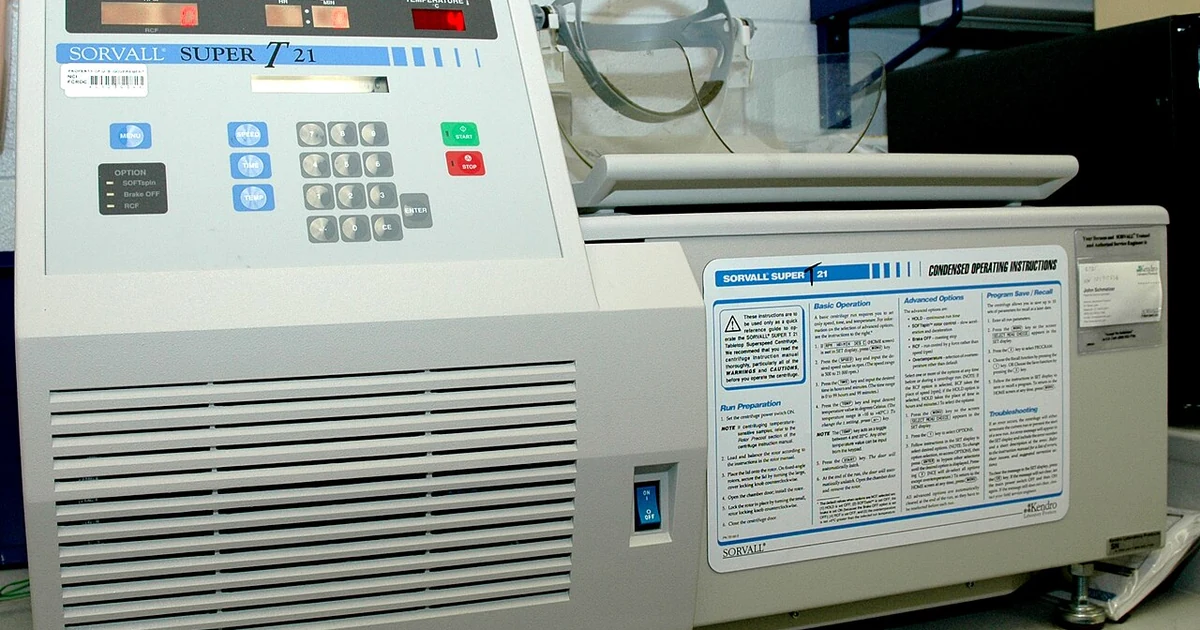
Photo: Diane A. Reid (Photographer) · License: Public domain · Cropped and resized. Justifying representativeness of banked IVD specimens
Medical Devices and Clinical Evidence
Connect specimen selection, handling and clinical information to the performance claim.
Published:
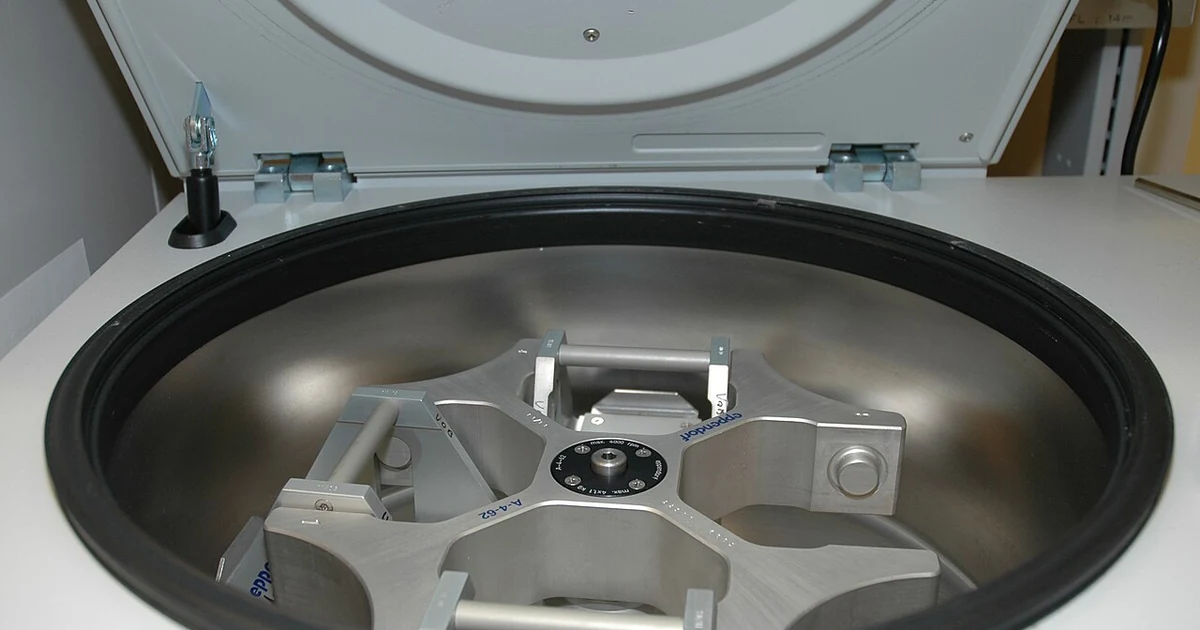
Photo: Diane A. Reid (Photographer) · License: Public domain · Cropped and resized. Making IVD specimen-processing times traceable
Medical Devices and Clinical Evidence
Link the interval from collection to analysis with assessment of specimen suitability.
Published:
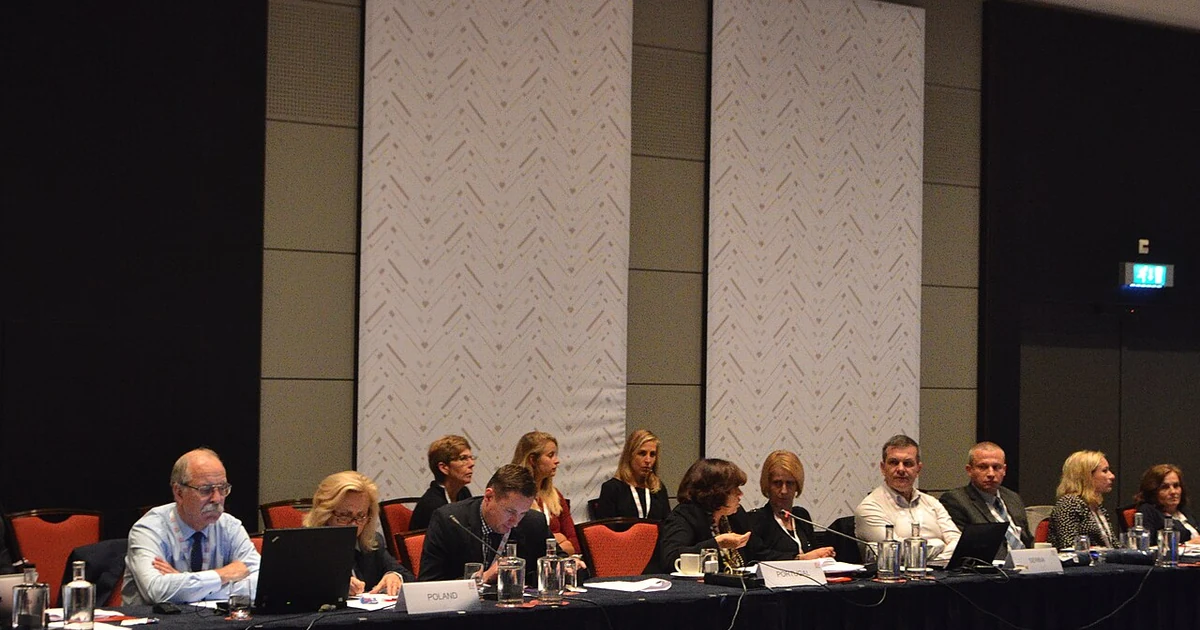
Photo: EU2016 NL from The Netherlands · License: CC BY 2.0 · Cropped and resized. Assessing freeze–thaw history of IVD specimens
Medical Devices and Clinical Evidence
Evaluate handling history against the assay question rather than assuming a universal cycle limit.
Published:
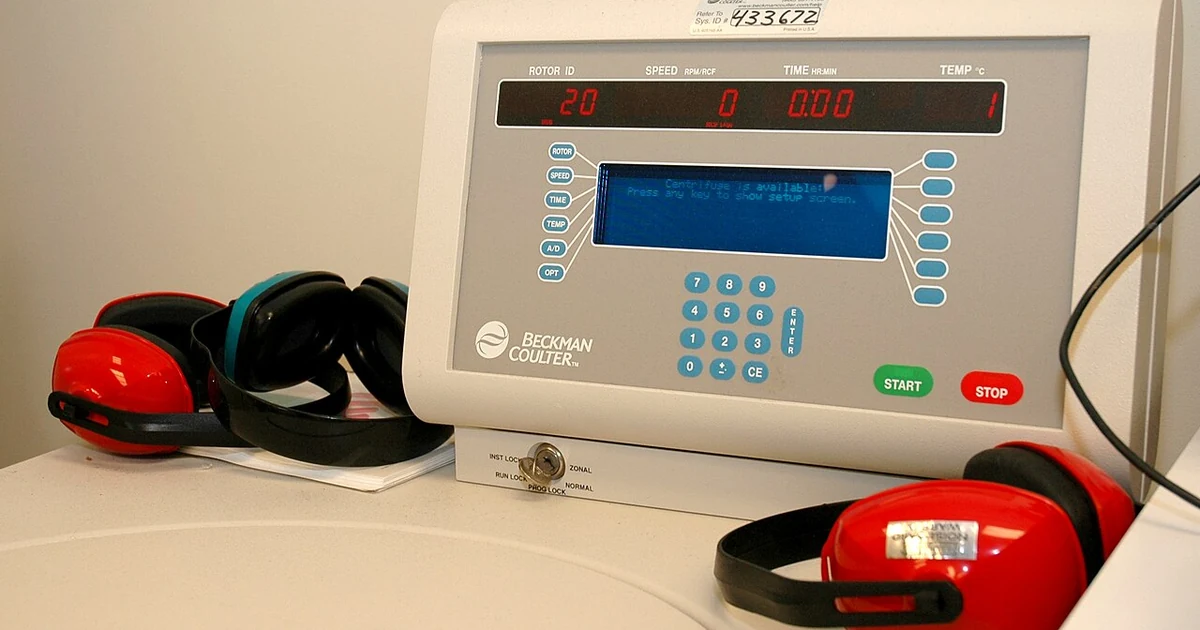
Photo: Diane A. Reid (Photographer) · License: Public domain · Cropped and resized. Justifying evidence bridges between IVD specimen types
Medical Devices and Clinical Evidence
Assess differences and supported claims before transferring performance to another specimen matrix.
Published:

Photo: rawpixel.com · License: CC0 · Cropped and resized. Linking IVD lot changes to performance data
Medical Devices and Clinical Evidence
Combine lot identity with measurement conditions before explaining differences between periods.
Published:
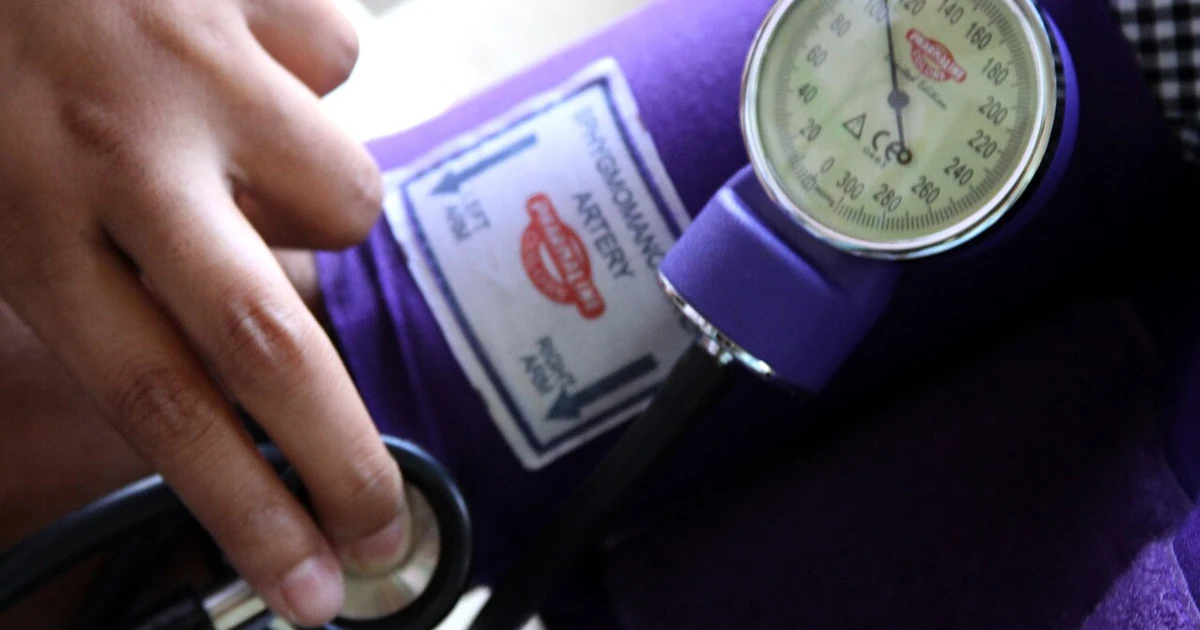
Photo: Jesse K. Alwin, U.S. Marine Corps · License: Public domain · Cropped and resized. Preserving conditions and specimen units in repeated IVD measurements
Medical Devices and Clinical Evidence
Assess variability without counting repeated measurements as independent clinical participants.
Published:
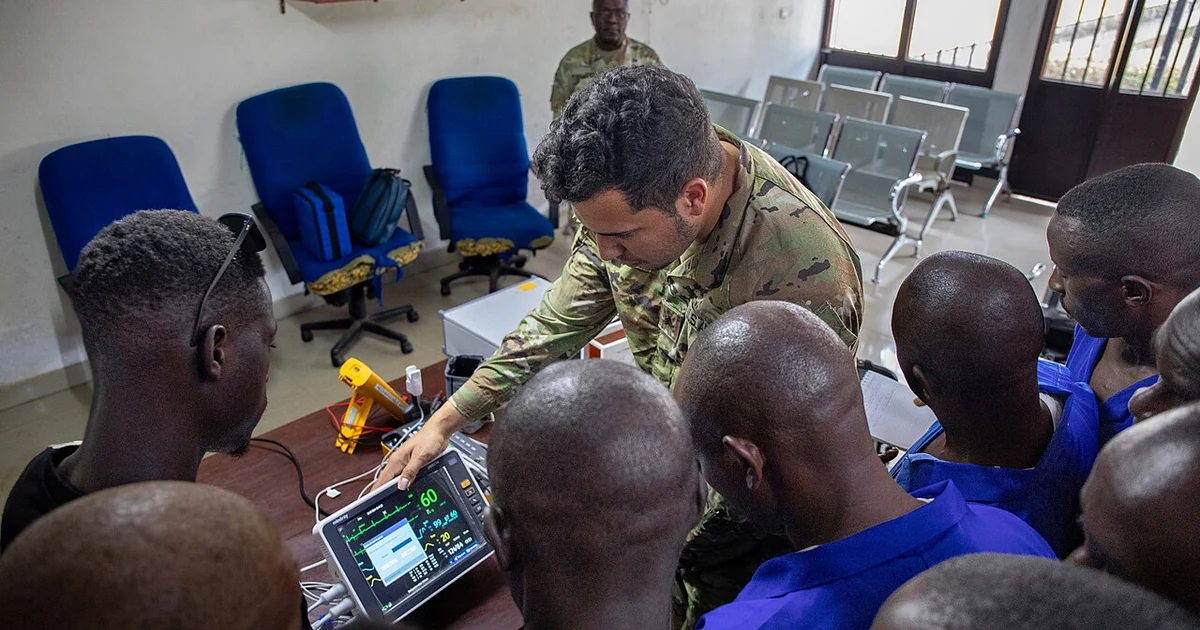
Photo: U.S. Army photo by 1st Lt. Katherine Sibilla · License: Public domain · Cropped and resized. Examining between-site IVD differences through measurement conditions
Medical Devices and Clinical Evidence
Distinguish laboratory, operator and instrument questions from differences in clinical populations.
Published:
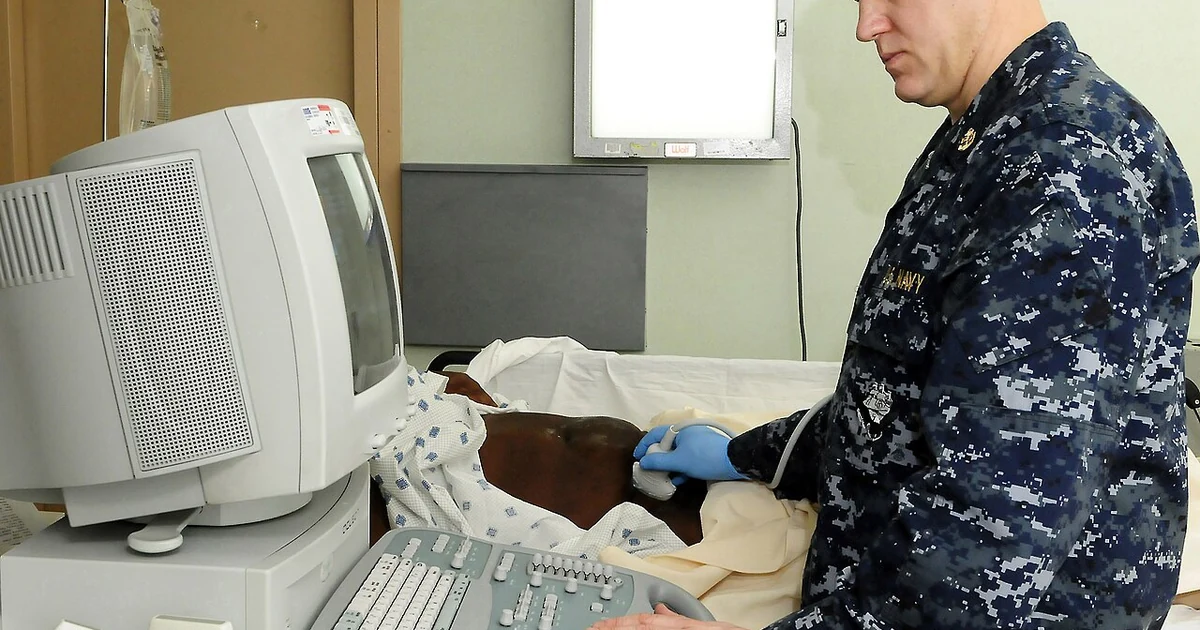
Photo: U.S. Navy photo by Mass Communication Specialist 2nd Class Edwardo Proano · License: Public domain · Cropped and resized. Keeping indeterminate IVD results visible in analysis
Medical Devices and Clinical Evidence
Assess outcomes beyond positive and negative through a predefined pathway rather than silently excluding them.
Published:
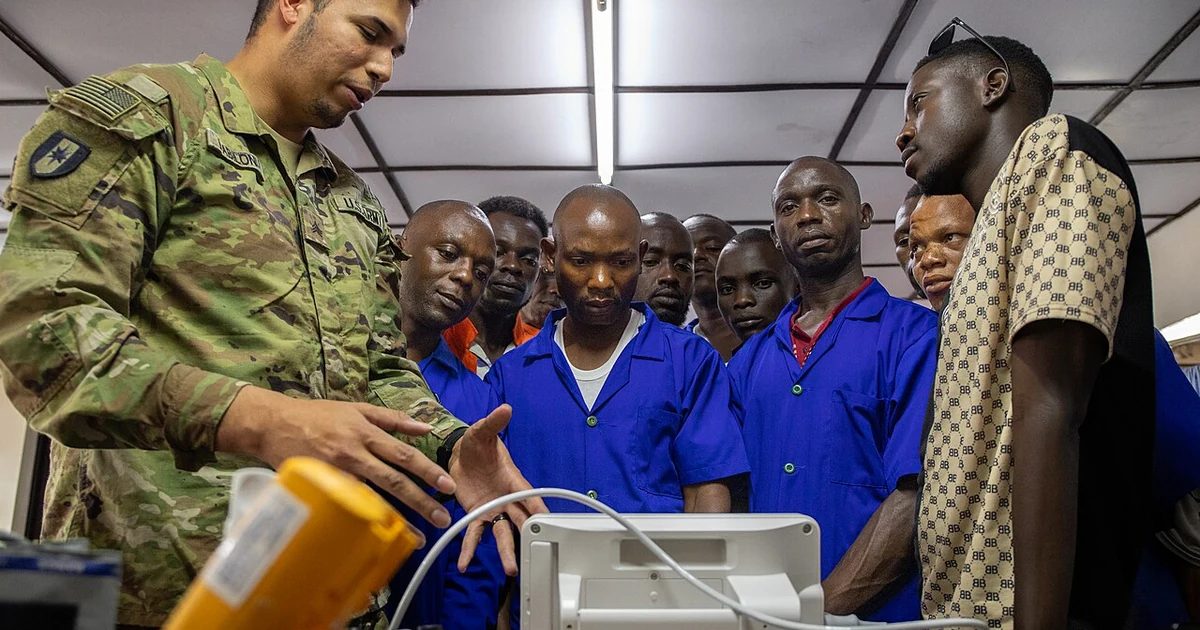
Photo: U.S. Army photo by 1st Lt. Katherine Sibilla · License: Public domain · Cropped and resized. Showing the workflow burden of invalid IVD results
Medical Devices and Clinical Evidence
Track invalid tests, repeats and new-specimen needs separately within performance assessment.
Published:
Photo: Bret Furtwengler · License: CC BY 3.0 · Cropped and resized. Assessing IVD specimens near the decision boundary
Medical Devices and Clinical Evidence
Keep borderline variability visible rather than hiding it within agreement across the full range.
Published:
Photo: NASA · License: Public domain · Cropped and resized. Linking IVD interference planning to use context
Medical Devices and Clinical Evidence
Select possible interferents through the assay claim and specimen conditions rather than a copied list.
Published:

Photo: EU2016 NL from The Netherlands · License: CC BY 2.0 · Cropped and resized. Showing the boundaries of IVD cross-reactivity claims
Medical Devices and Clinical Evidence
Connect evaluation of related targets to the intended analyte and population.
Published:
Photo: NASA · License: Public domain · Cropped and resized. Interpreting IVD performance through disease stage and specimen timing
Medical Devices and Clinical Evidence
Make the timing of clinical status and specimen collection visible alongside test results.
Published:
Photo: U.S. Navy photo by Petty Officer 2nd Class Adriones Johnson · License: Public domain · Cropped and resized. Explaining enrichment with rare positive IVD specimens
Medical Devices and Clinical Evidence
Show the source of added positives and their relationship to the intended-use population.
Published:
Photo: Cpl. Timothy Solano · License: Public domain · Cropped and resized. Managing data cuts when IVD reference results are delayed
Medical Devices and Clinical Evidence
Preserve pending status and plan later analysis without treating waiting results as negative or permanently missing.
Published:
Photo: National Center for Advancing Translational Sciences · License: Public domain · Cropped and resized. Linking companion diagnostics to specimen and decision flows in drug studies
Medical Devices and Clinical Evidence
Reconcile assay versions, specimen timing and decision roles across the connected investigations.
Published:
Photo: Linda Bartlett (Photographer) · License: Public domain · Cropped and resized. Assessing the task chain in IVD self-testing
Medical Devices and Clinical Evidence
Separate specimen collection, test execution and result interpretation rather than using one success label.
Published:
Photo: EU2016 NL from The Netherlands · License: CC BY 2.0 · Cropped and resized. Reproducing a device literature search
Medical Devices and Clinical Evidence
Record the executed method, date and filters rather than relying only on the number of retrieved publications.
Published:
Photo: EU2016 NL from The Netherlands · License: CC BY 2.0 · Cropped and resized. Justifying database coverage in device literature reviews
Medical Devices and Clinical Evidence
Connect source selection to the publication landscape of the device question and evidence that might otherwise be missed.
Published:
Photo: EU2016 NL from The Netherlands · License: CC BY 2.0 · Cropped and resized. Handling indexing lag at literature search cutoffs
Medical Devices and Clinical Evidence
Distinguish publication, online availability and database entry dates when evaluating update gaps.
Published:
Photo: EU2016 NL from The Netherlands · License: CC BY 2.0 · Cropped and resized. Separating roles of grey literature in device evidence
Medical Devices and Clinical Evidence
Connect conference abstracts and other limited sources to questions and information gaps without overstating their strength.
Published:
Photo: NASA · License: Public domain · Cropped and resized. Linking multiple publications from one device study
Medical Devices and Clinical Evidence
Track reports as one evidence family so that publication counts are not mistaken for independent study counts.
Published:
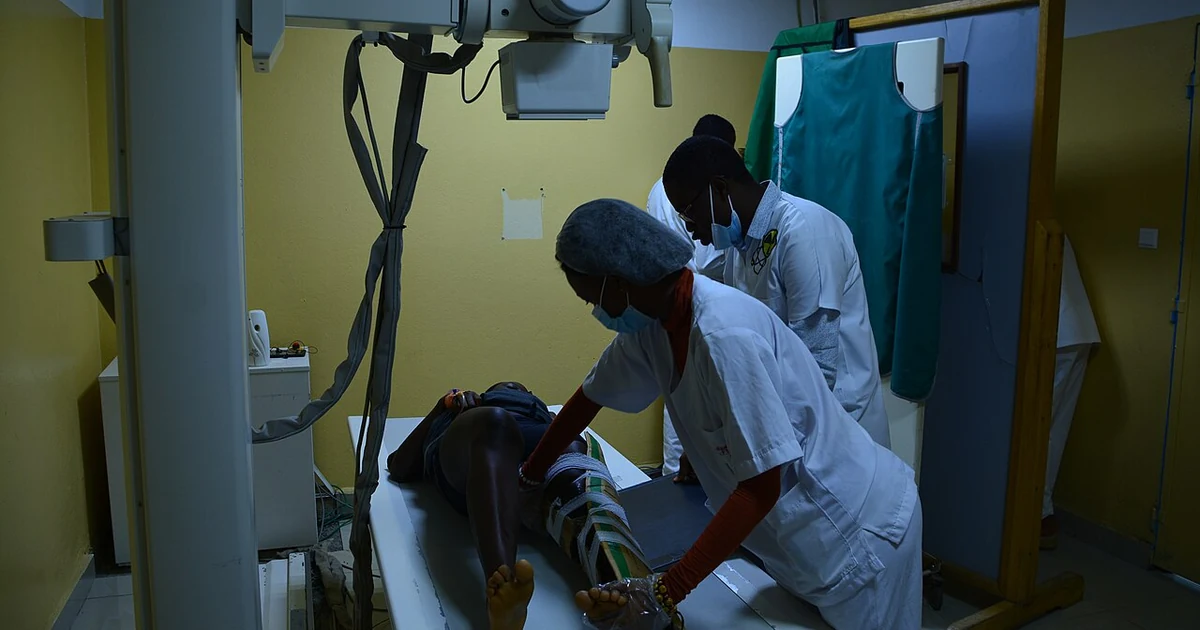
Photo: Happi Raphael · License: CC BY-SA 4.0 · Cropped and resized. Resolving device literature screening disagreements
Medical Devices and Clinical Evidence
Use explicit eligibility criteria and rationale rather than treating disagreement as a simple majority vote.
Published:
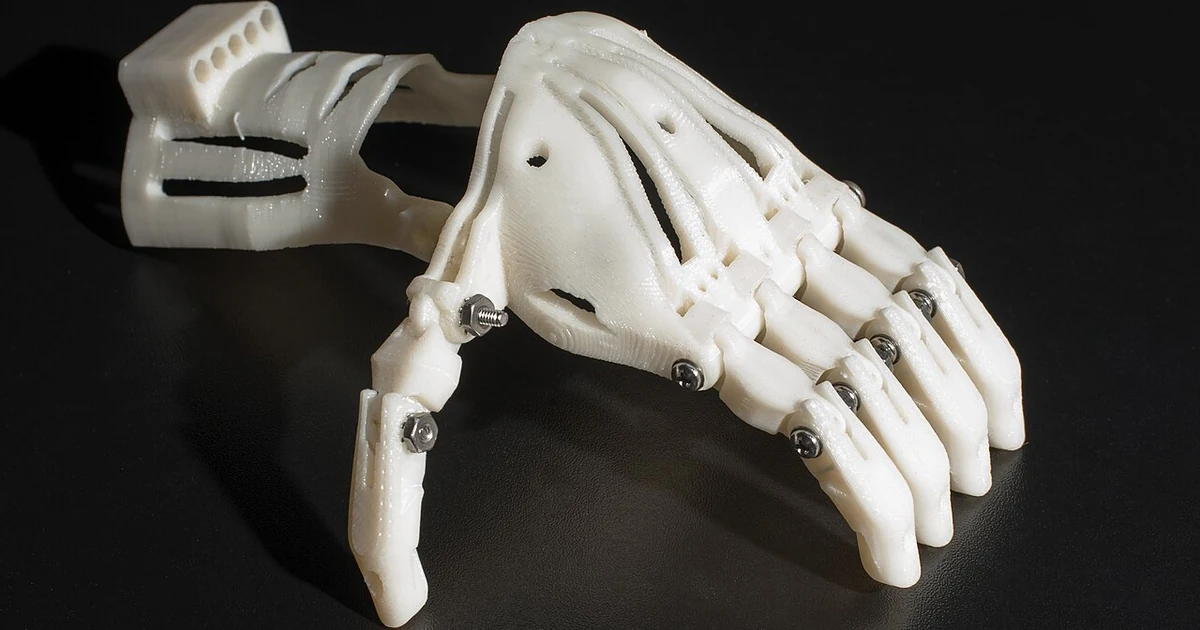
Photo: The U.S. Food and Drug Administration · License: Public domain · Cropped and resized. Assessing language restrictions in device literature screening
Medical Devices and Clinical Evidence
Keep the effect of inaccessible or excluded languages visible in the scope and interpretation of evidence.
Published:

Photo: EU2016 NL from The Netherlands · License: CC BY 2.0 · Cropped and resized. Managing missing full texts in device evidence appraisal
Medical Devices and Clinical Evidence
Separate relevance suggested by an abstract from evidence available for complete methodological appraisal.
Published:
Photo: Adoscam · License: CC BY-SA 4.0 · Cropped and resized. Separating bias from reporting quality in device evidence
Medical Devices and Clinical Evidence
Do not let polished reporting conceal methodological risks or turn missing detail into a proven error.
Published:
Photo: Adoscam · License: CC BY-SA 4.0 · Cropped and resized. Assessing device literature against intended purpose
Medical Devices and Clinical Evidence
Appraise population, setting and claim relevance separately from a study’s methodological strength.
Published:
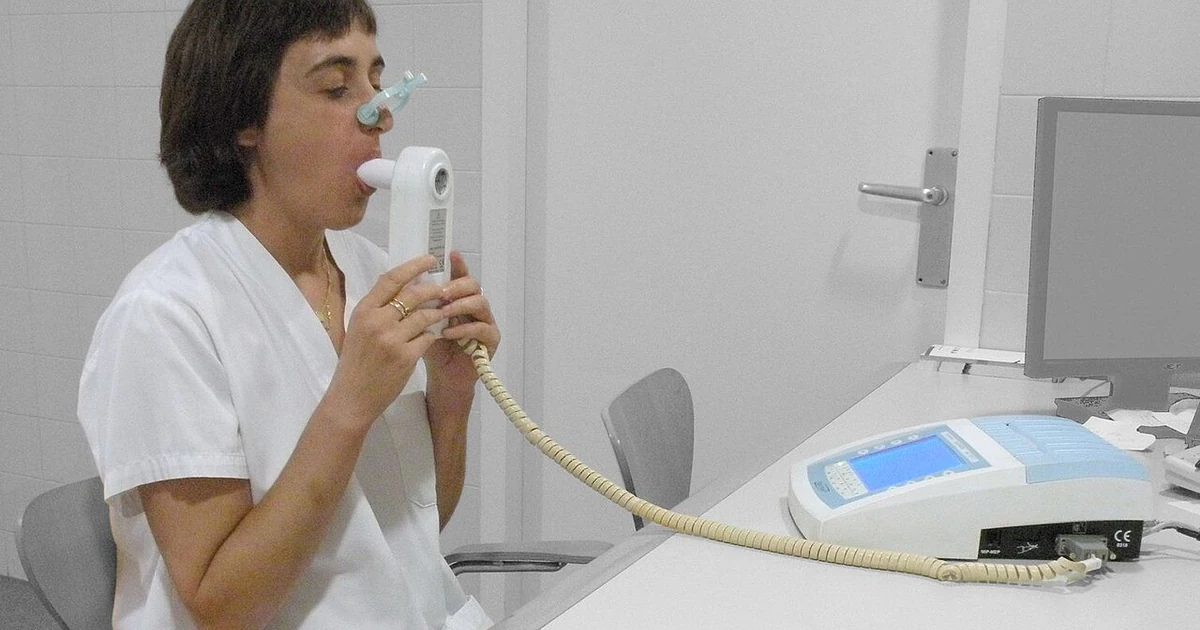
Photo: Jmarchn · License: CC BY-SA 3.0 · Cropped and resized. Justifying pooling across device versions
Medical Devices and Clinical Evidence
Examine whether versions reported under one product-family name can support a meaningful combined result.
Published:

Photo: Shixart1985 · License: CC BY 2.0 · Cropped and resized. Identifying partially overlapping cohorts in device evidence
Medical Devices and Clinical Evidence
Assess whether reports with different study names may contain some of the same participants before combining their results.
Published:
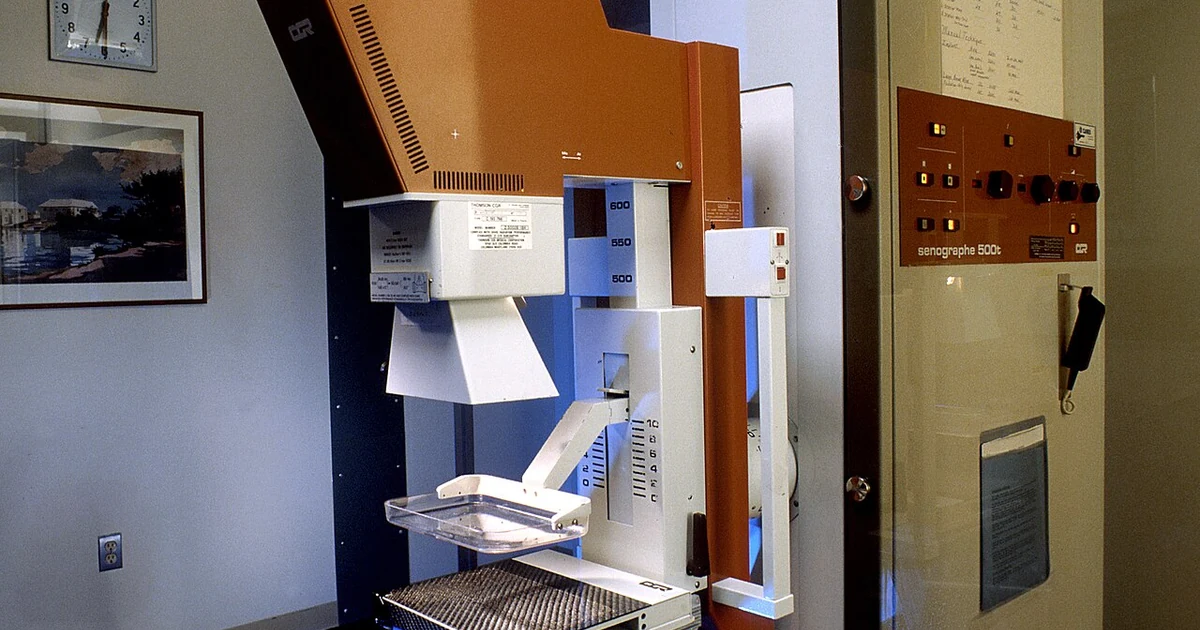
Photo: Bill Branson (Photographer) · License: Public domain · Cropped and resized. Including unfavourable device findings in evidence maps
Medical Devices and Clinical Evidence
Appraise results that do not support the expected benefit using balanced eligibility and quality criteria.
Published:
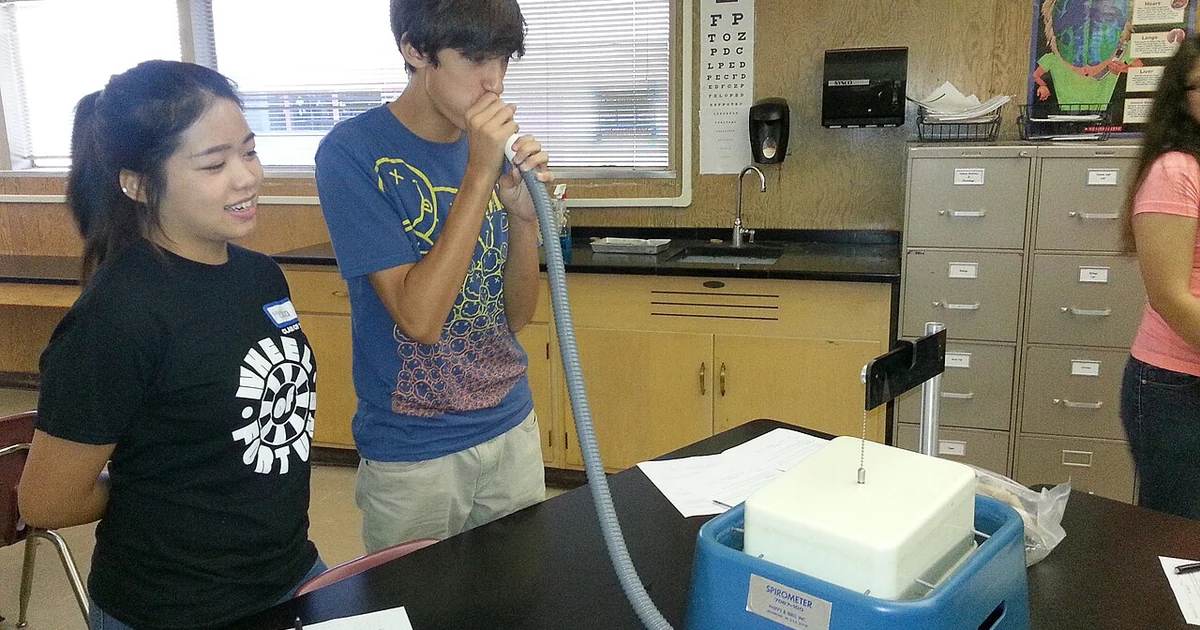
Photo: Mike Cerillo · License: CC BY-SA 2.0 · Cropped and resized. Resolving reviewer disagreements in device data extraction
Medical Devices and Clinical Evidence
Reconcile different numbers from the same paper through their denominators, periods and outcome definitions.
Published:
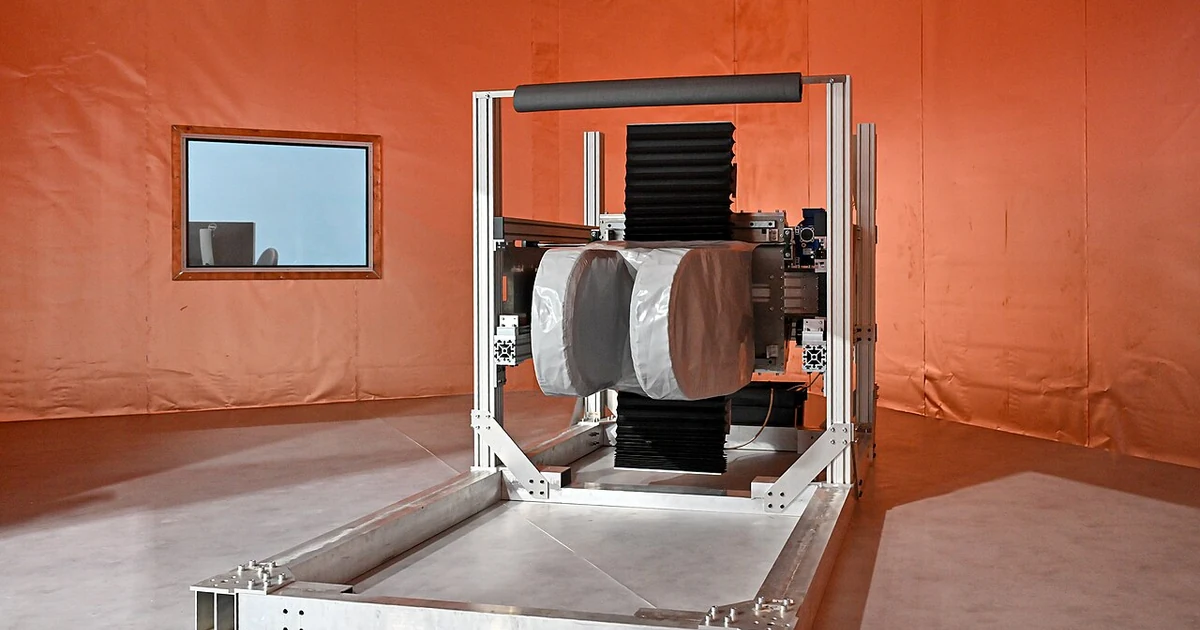
Photo: Владимир Новиков. Пресс-служба мэра и правительства Москвы. · License: CC BY 4.0 · Cropped and resized. Tracing device claims to cited findings
Medical Devices and Clinical Evidence
Check that important claims are actually supported by the publication rather than merely appearing beside a reference.
Published:
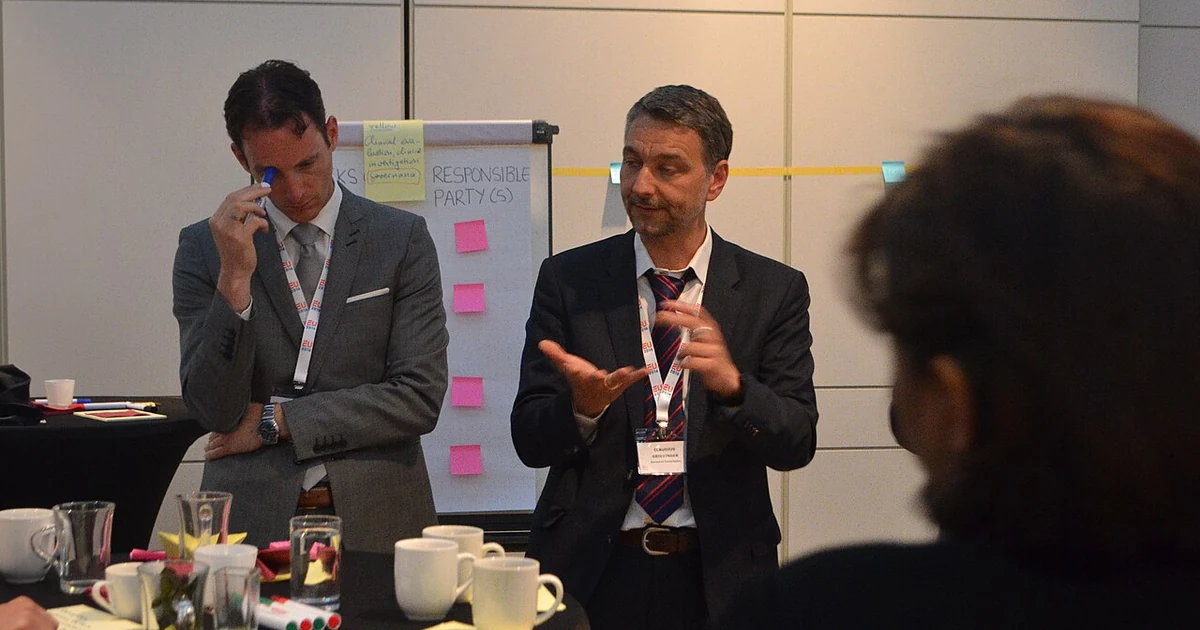
Photo: EU2016 NL from The Netherlands · License: CC BY 2.0 · Cropped and resized. Determining decision impact of device literature updates
Medical Devices and Clinical Evidence
Separate the number of new papers from changes to existing claims and evidence gaps.
Published:
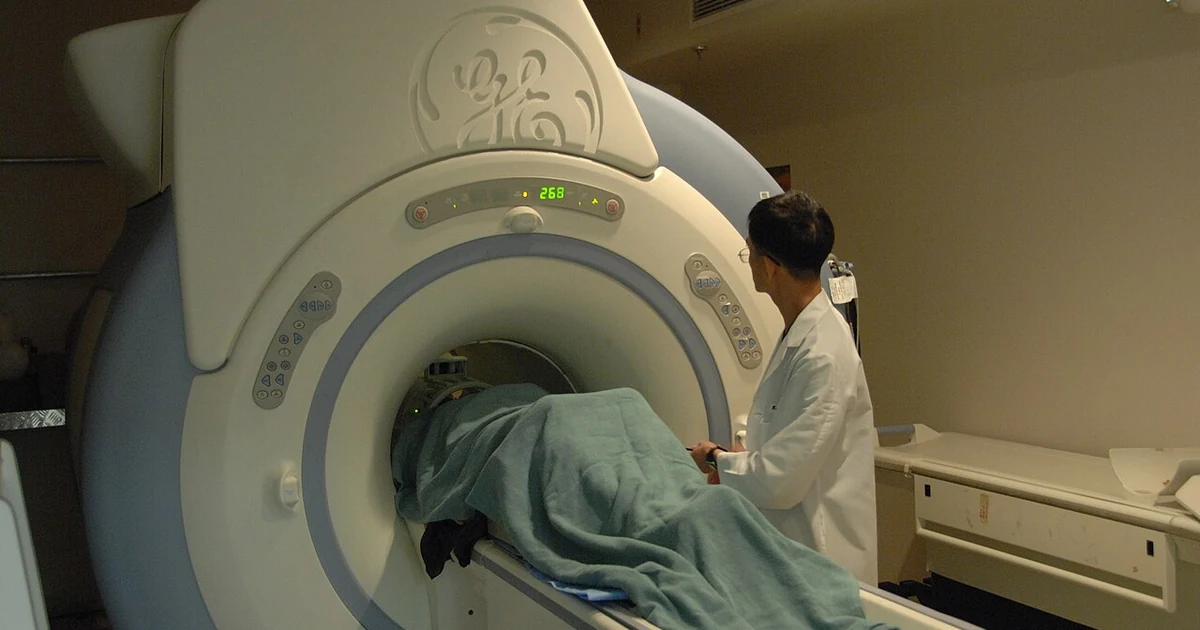
Photo: NIH Image Gallery from Bethesda, Maryland, USA · License: Public domain · Cropped and resized. Checking device search sensitivity with known publications
Medical Devices and Clinical Evidence
Use known relevant reports as a limited check on retrieval without claiming complete coverage.
Published:
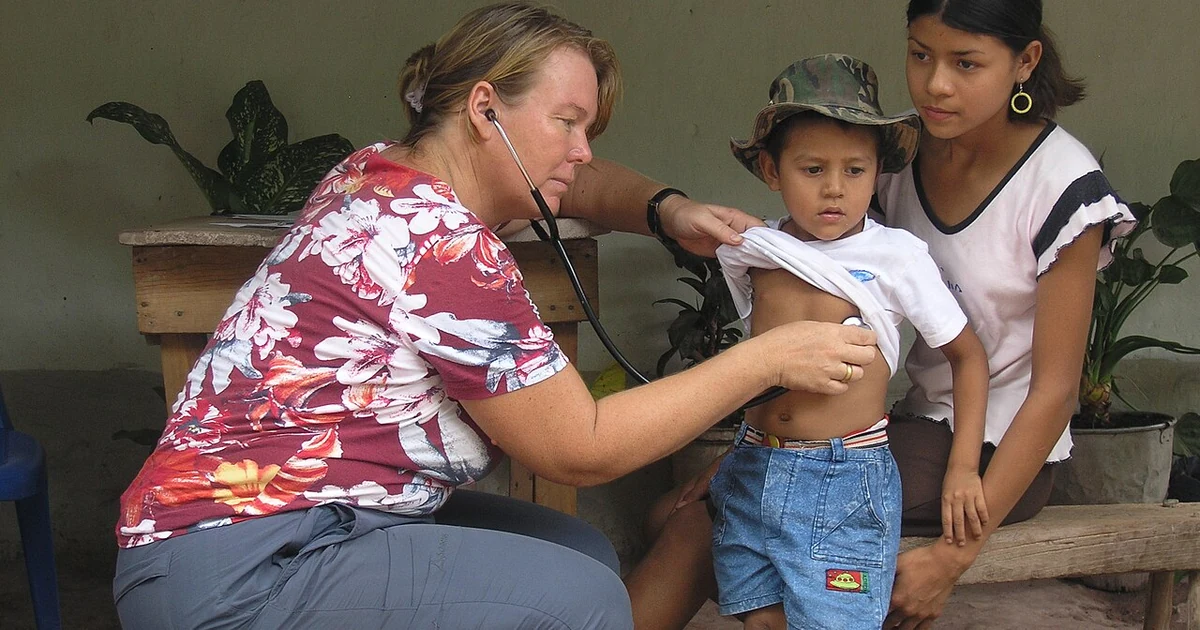
Photo: Aerzte3welt · License: CC BY-SA 3.0 · Cropped and resized. Assessing corrected and retracted device publications
Medical Devices and Clinical Evidence
Trace changes in publication status through the evidence conclusions that previously relied on the source.
Published:
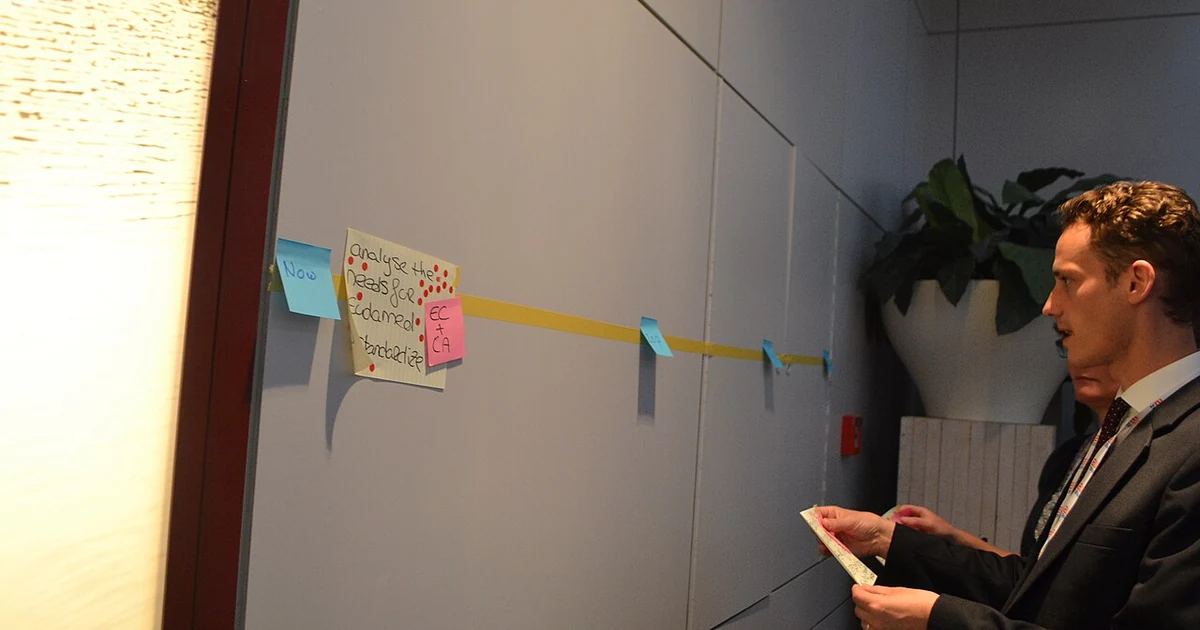
Photo: EU2016 NL from The Netherlands · License: CC BY 2.0 · Cropped and resized. Comparing follow-up horizons in device literature
Medical Devices and Clinical Evidence
Consider time under observation before interpreting results from different periods as common long-term evidence.
Published:

Photo: Shixart1985 · License: CC BY 2.0 · Cropped and resized. From surrogate measures to clinical benefit in device literature
Medical Devices and Clinical Evidence
Assess separately how changes in technical or intermediate outcomes support the patient benefit being claimed.
Published:
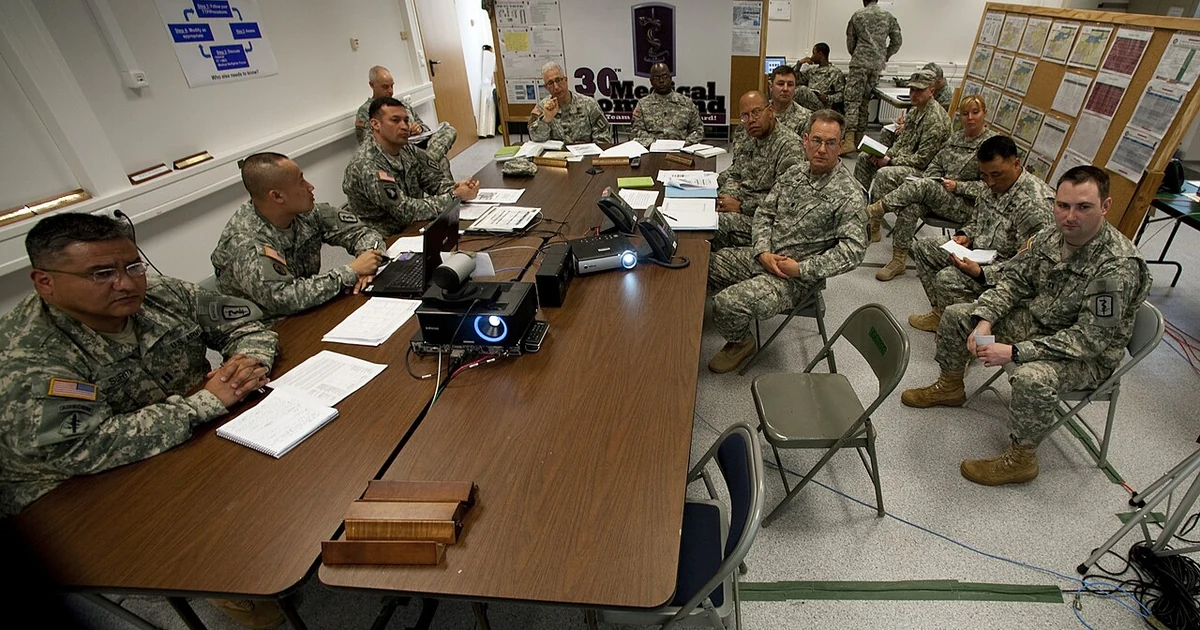
Photo: U.S. Army Europe Images from Heidelberg, Germany · License: CC BY 2.0 · Cropped and resized. Separating sponsor decision rights by issue and impact
Sponsor and Project Management
Being informed about a decision does not establish who may make it.
Published:

Photo: CDC Global · License: CC BY 2.0 · Cropped and resized. Running sponsor oversight meetings with a decision agenda
Sponsor and Project Management
An oversight meeting can become a sequence of teams reading the same status report aloud.
Published:

Photo: Karlheinz Wedhorn · License: Public domain · Cropped and resized. Separating clinical project assumptions from observed information
Sponsor and Project Management
Some values in a clinical project plan come from observation, while others remain untested assumptions.
Published:
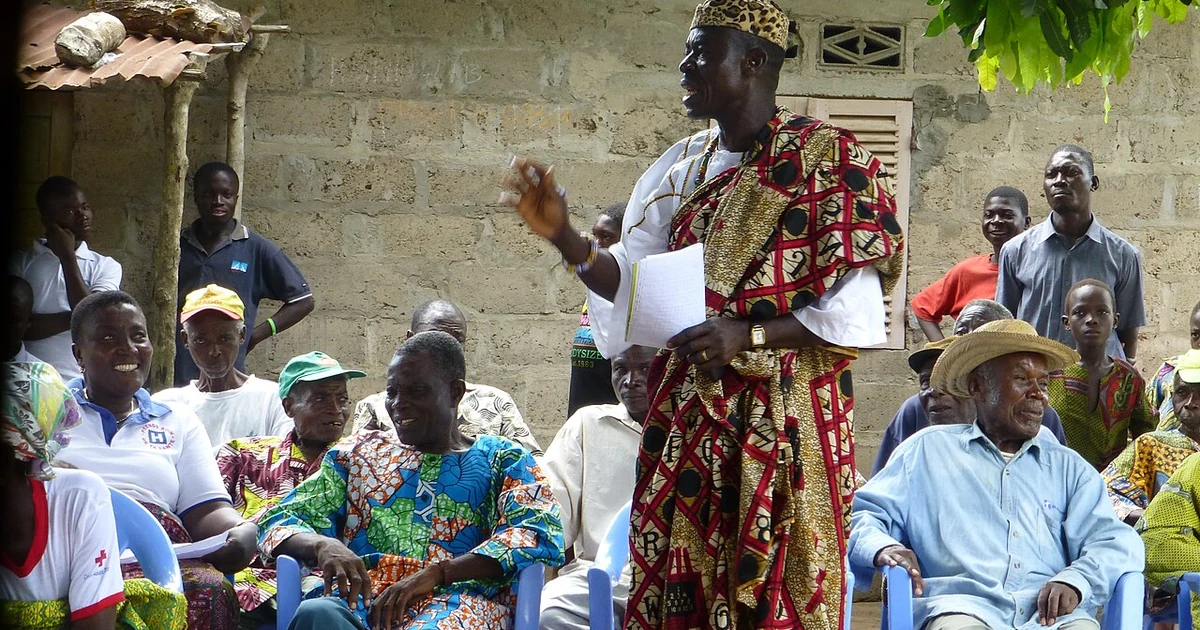
Photo: U.S. Army Corps of Engineers Europe District from Wiesbaden, Germany · License: Public domain · Cropped and resized. Assessing scope changes beyond the additional fee
Sponsor and Project Management
A clinical project scope-change proposal often arrives as a revised fee table.
Published:
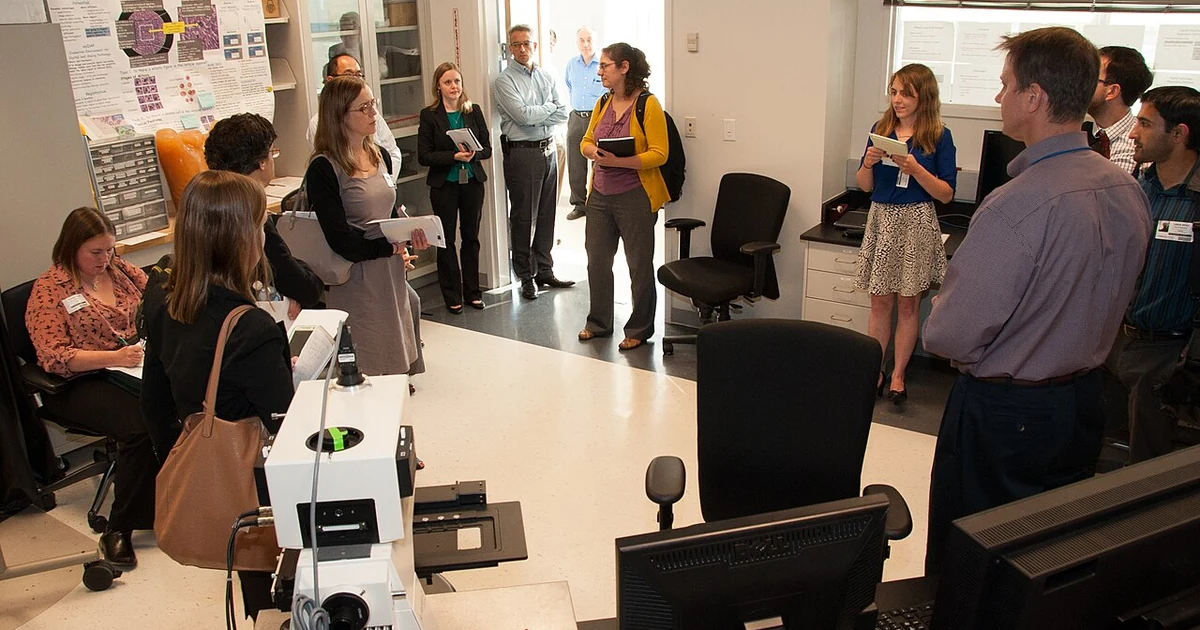
Photo: The U.S. Food and Drug Administration · License: Public domain · Cropped and resized. Sequencing country start-up through dependencies rather than one target date
Sponsor and Project Management
Giving every country the same opening date can conceal different preparation pathways in a multinational trial.
Published:

Photo: Polish presidency of the Council of the EU 2025 · License: Public domain · Cropped and resized. Defining outputs rather than activities in a CRO request for proposal
Sponsor and Project Management
When a CRO request for proposal contains only activity names, bids may appear to cover identical work.
Published:
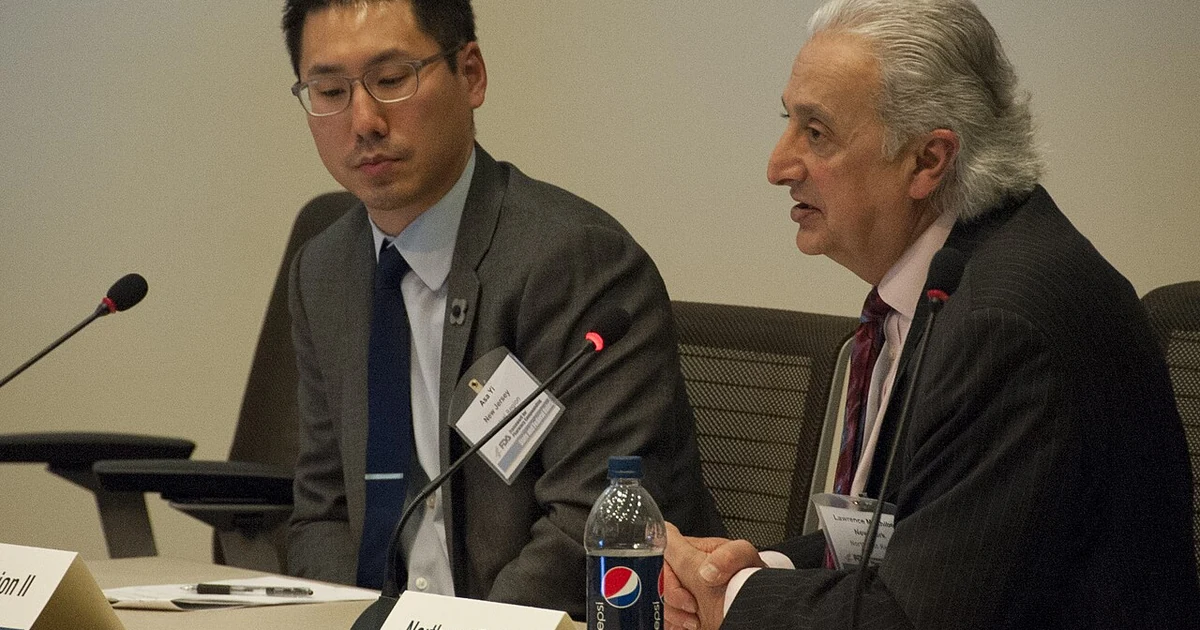
Photo: The U.S. Food and Drug Administration · License: Public domain · Cropped and resized. Comparing CRO bids on an equivalent scope
Sponsor and Project Management
Placing two CRO totals side by side does not explain why their costs differ.
Published:
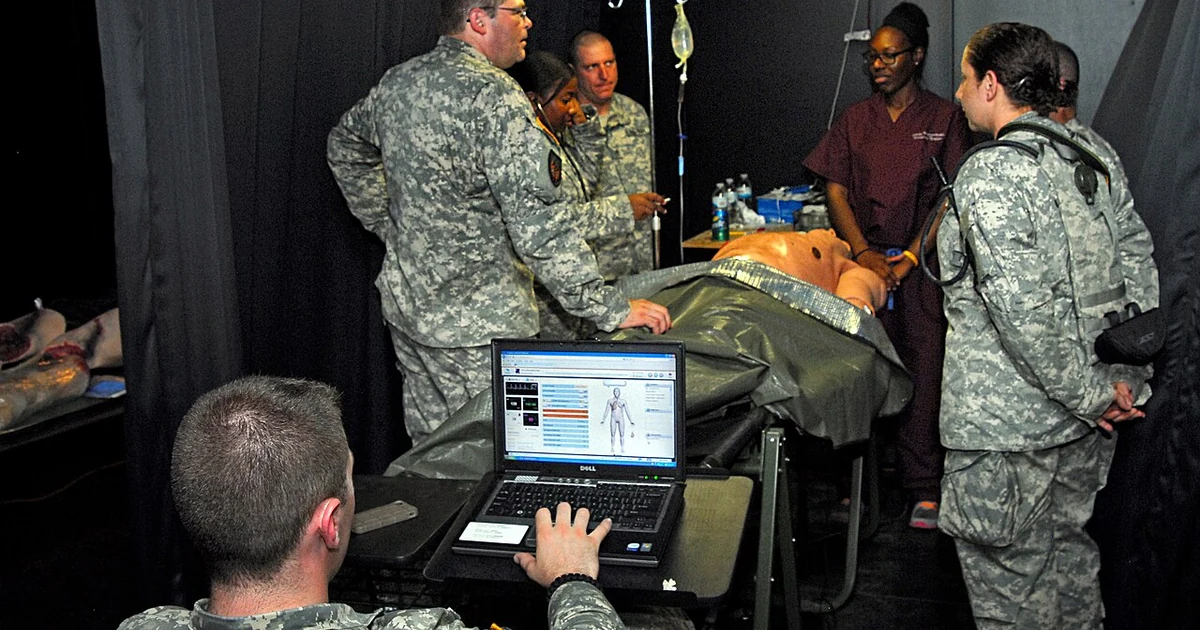
Photo: Sgt. 1st Class Steven Petibone · License: Public domain · Cropped and resized. Tracing clinical trial pass-through costs in invoices
Sponsor and Project Management
Pass-through charges may cover courier services, travel, translation or committee fees.
Published:
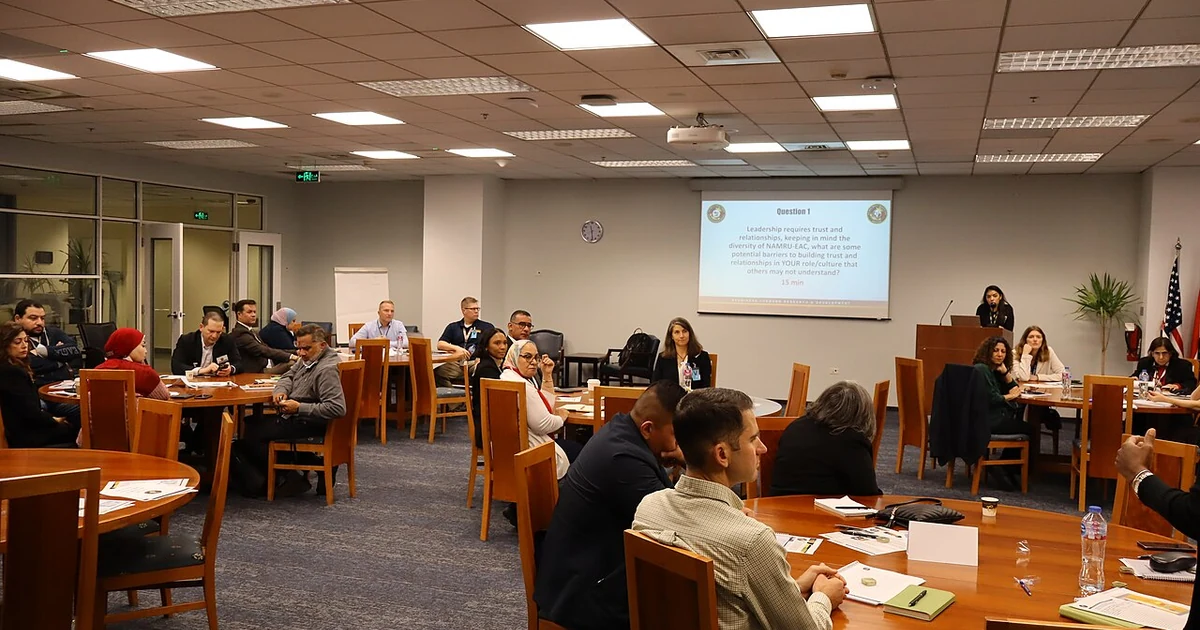
Photo: U.S. Navy photo by Sidney Hinds · License: Public domain · Cropped and resized. Keeping CRO subcontractor responsibilities visible
Sponsor and Project Management
When a CRO delegates work to another provider, sponsors may lose sight of the delivery chain.
Published:
Photo: IAEA Imagebank · License: CC BY 2.0 · Cropped and resized. Accepting knowledge transfer after critical CRO staff replacement
Sponsor and Project Management
Replacing a project manager or specialist lead involves more than entering a new name on an organisation chart.
Published:
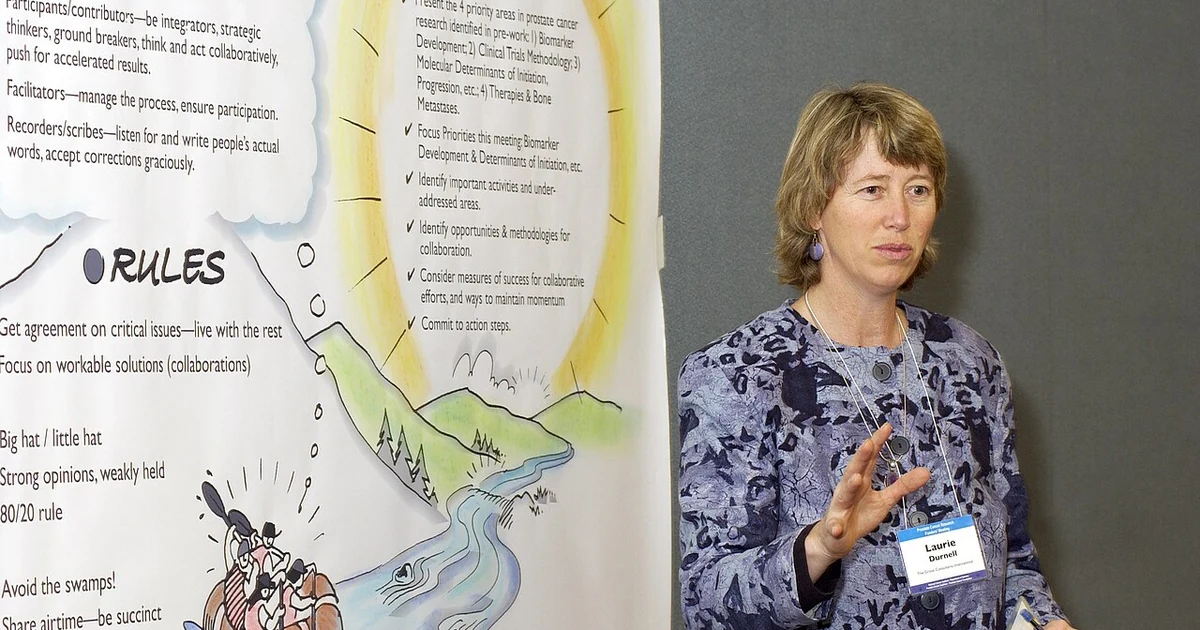
Photo: Bill Branson (Photographer) · License: Public domain · Cropped and resized. Separating submission from acceptance of contracted deliverables
Sponsor and Project Management
Email submission of a deliverable does not establish that the sponsor considers it fit for use.
Published:
Photo: National Center for Advancing Translational Sciences · License: Public domain · Cropped and resized. Separating currency effects from service growth in trial budgets
Sponsor and Project Management
When a multicurrency trial budget increases, the sponsor needs to distinguish additional services from currency movement.
Published:
Photo: U.S. Marine Corps photo by Staff Sgt. Sean Potter · License: Public domain · Cropped and resized. Planning trial cash flow alongside service continuity
Sponsor and Project Management
A trial can have an adequate overall budget yet face a critical service problem because of payment timing.
Published:
Photo: Thaismay · License: CC BY-SA 4.0 · Cropped and resized. Reconciling screen-failure fees with the trial workflow
Sponsor and Project Management
Sites use time and resources during screening even when randomisation does not follow.
Published:
Photo: Staff Sgt. Kati Volkman · License: Public domain · Cropped and resized. Reconciling site payments by activity and reporting period
Sponsor and Project Management
Different dates for the same site visit across systems can cause a missed or duplicate payment.
Published:
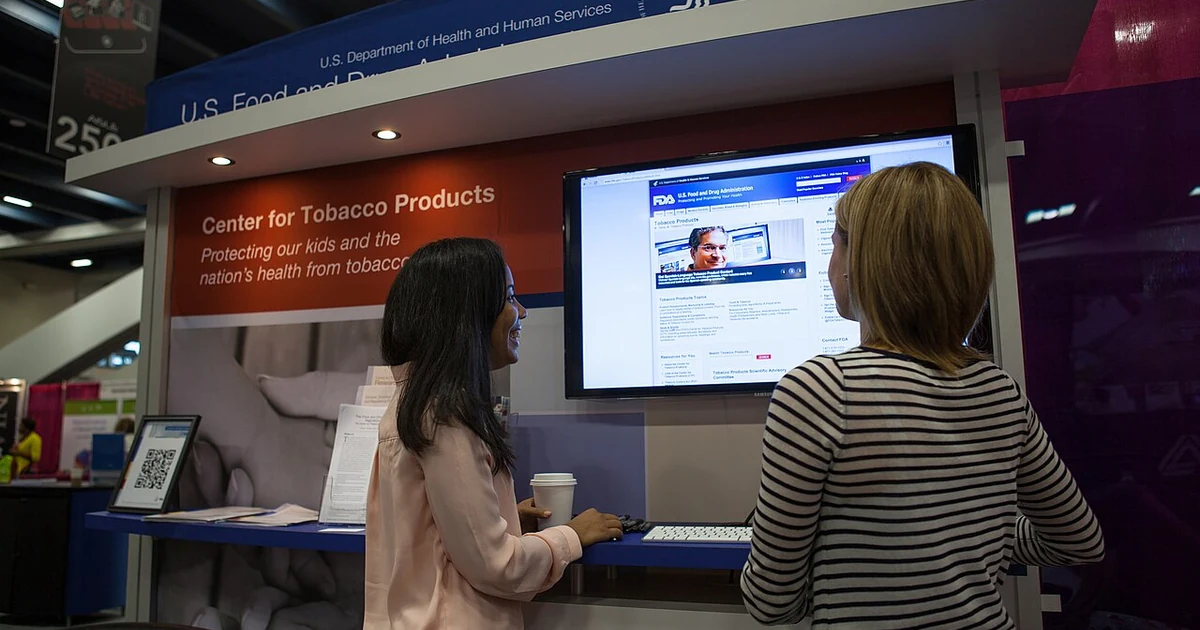
Photo: The U.S. Food and Drug Administration · License: Public domain · Cropped and resized. Linking trial budget contingency to decision conditions
Sponsor and Project Management
Adding a general contingency amount does not explain which uncertainty it covers.
Published:
Photo: U.S. Army WRAIR by [null Courtesy] · License: Public domain · Cropped and resized. Reassessing cost decisions when recruitment forecasts change
Sponsor and Project Management
A changed recruitment forecast affects more than the completion date.
Published:
Photo: Bill Branson (Photographer) · License: Public domain · Cropped and resized. Identifying continuing services during a trial pause
Sponsor and Project Management
A pause in recruitment or selected trial activities does not mean every service stops simultaneously.
Published:
Photo: U.S. Air Force photo by Airman 1st Class Joseph Barron · License: Public domain · Cropped and resized. Completing CRO exit with operational handover acceptance
Sponsor and Project Management
Receiving folders at the end of a CRO agreement does not demonstrate that the trial can be taken over.
Published:
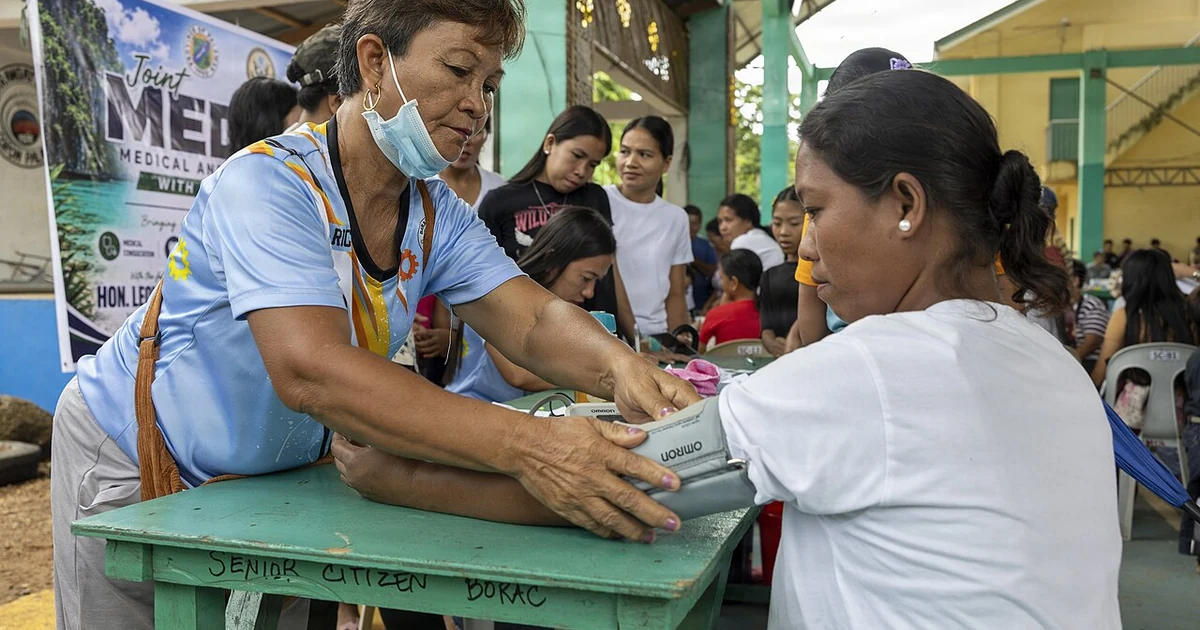
Photo: U.S. Marine Corps photo by Staff Sgt. Sean Potter · License: Public domain · Cropped and resized. Maintaining trial continuity through sponsor corporate changes
Sponsor and Project Management
A merger or business transfer can change who makes trial decisions and purchases services.
Published:

Photo: U.S. Marine Corps photo by Staff Sgt. Sean Potter · License: Public domain · Cropped and resized. Prioritising shared specialist capacity across a trial portfolio
Sponsor and Project Management
A specialist supporting several trials may appear available in each project's individual plan while deliveries conflict in the combined schedule.
Published:
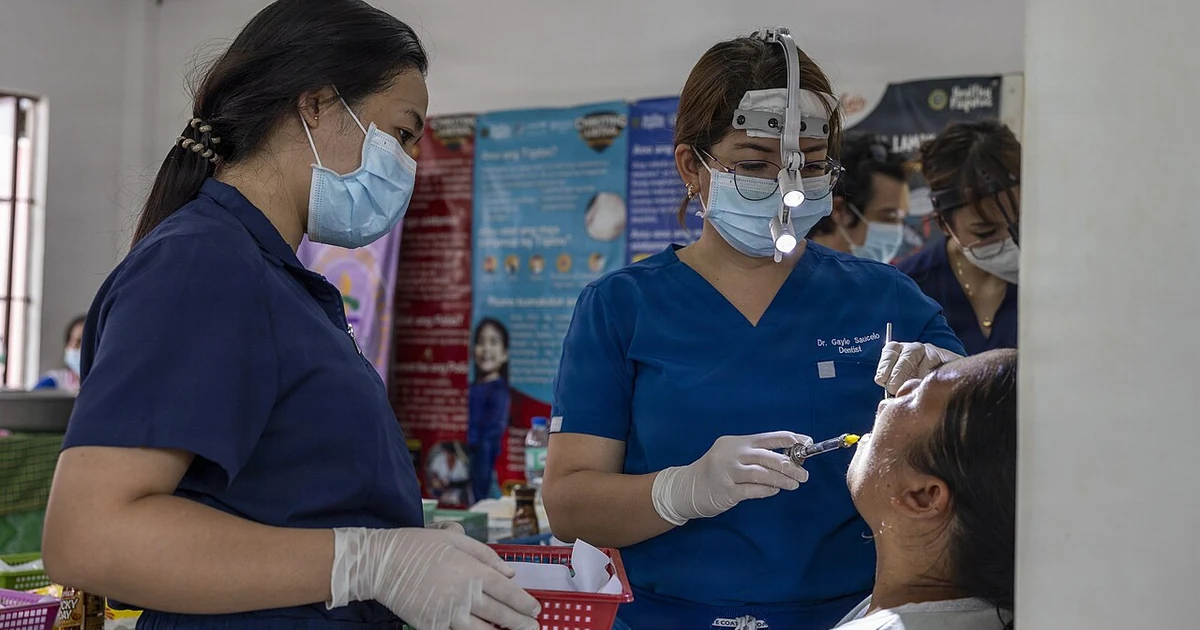
Photo: U.S. Marine Corps photo by Staff Sgt. Sean Potter · License: Public domain · Cropped and resized. Planning decision and service continuity around country holidays
Sponsor and Project Management
In a multinational trial, one team's ordinary working day may be another country's public holiday.
Published:

Photo: Unknown author Unknown author · License: Public domain · Cropped and resized. Handing over decisions across time zones with an explicit question
Sponsor and Project Management
Time-zone differences can add a working day to resolving a trial issue.
Published:
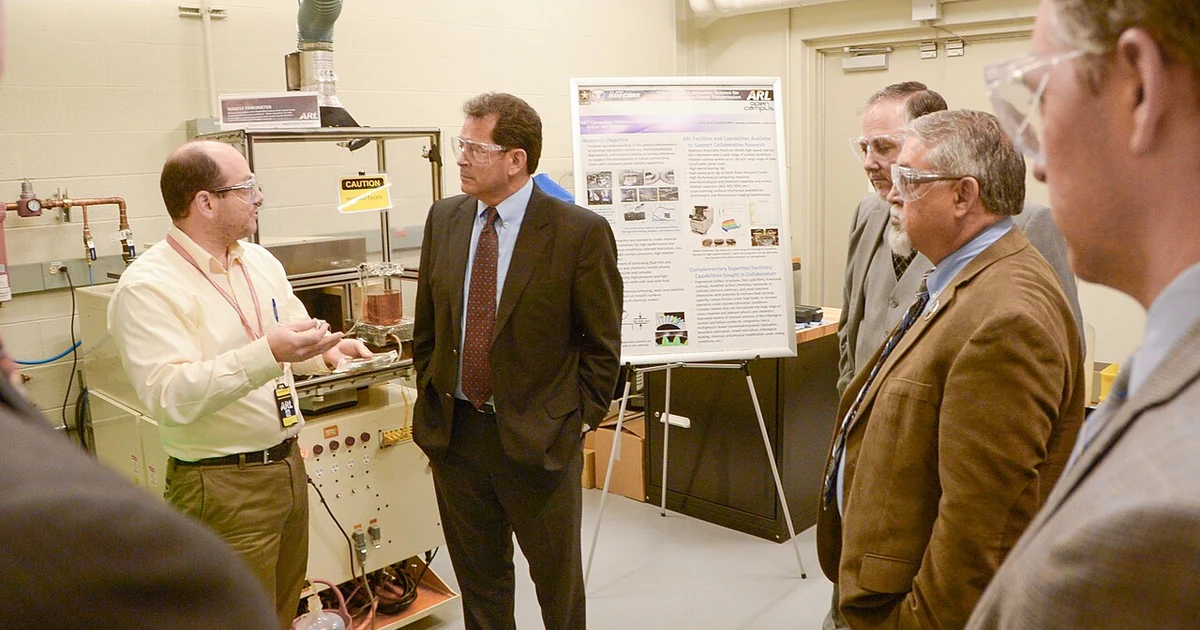
Photo: U.S. Army CCDC from Aberdeen Proving Ground, MD, USA · License: CC BY 2.0 · Cropped and resized. Recording reservations in trial governance decisions
Sponsor and Project Management
A governance decision does not mean every expert reached the same assessment.
Published:
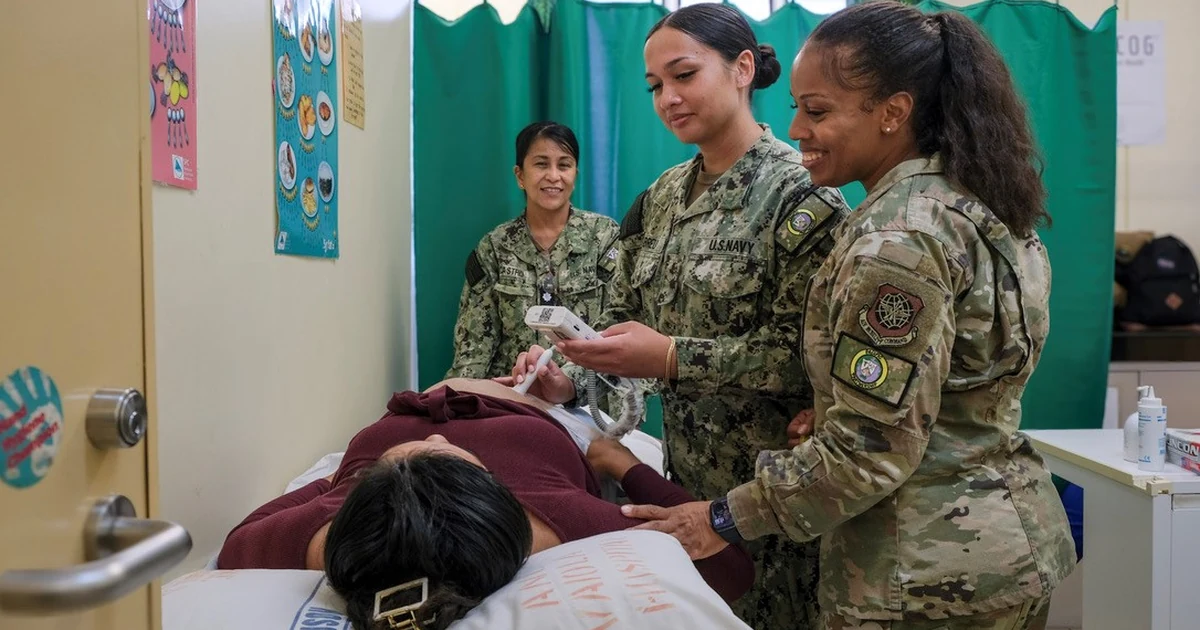
Photo: U.S. Navy photo by [null Courtesy] · License: Public domain · Cropped and resized. Setting response-waiting boundaries for escalation
Sponsor and Project Management
Escalating an issue to a manager does not always complete the team's responsibility.
Published:
Photo: U.S. Marine Corps photo by Staff Sgt. Sean Potter · License: Public domain · Cropped and resized. Allocating real capacity to sponsor-retained activities
Sponsor and Project Management
Buying CRO services does not mean the sponsor has transferred every project activity.
Published:
Photo: Karlheinz Wedhorn · License: Public domain · Cropped and resized. Defining boundaries for work before contract completion
Sponsor and Project Management
Schedule pressure may lead to a request for preparatory work before a full contract is complete.
Published:
Photo: National Center for Advancing Translational Sciences · License: Public domain · Cropped and resized. Sharing necessary information safely in governance prereads
Sponsor and Project Management
A governance preread may reach people with different roles and access permissions.
Published:

Photo: Pipikaki2 · License: CC0 · Cropped and resized. Comparing cost of delay without presenting it as certain loss
Sponsor and Project Management
When a deliverable slips, management may consider paying to accelerate it.
Published:
Photo: U.S. Navy CLDJ by Petty Officer 2nd Class JEROME FJELD · License: Public domain · Cropped and resized. Defining work units clearly in clinical service contracts
Sponsor and Project Management
Charging units such as a visit, report or submission may mean different things to each party.
Published:

Photo: Thaismay · License: CC BY-SA 4.0 · Cropped and resized. Distinguishing error correction from scope change in rework costs
Sponsor and Project Management
The reason for an additional fee is not always obvious when a document needs rework.
Published:
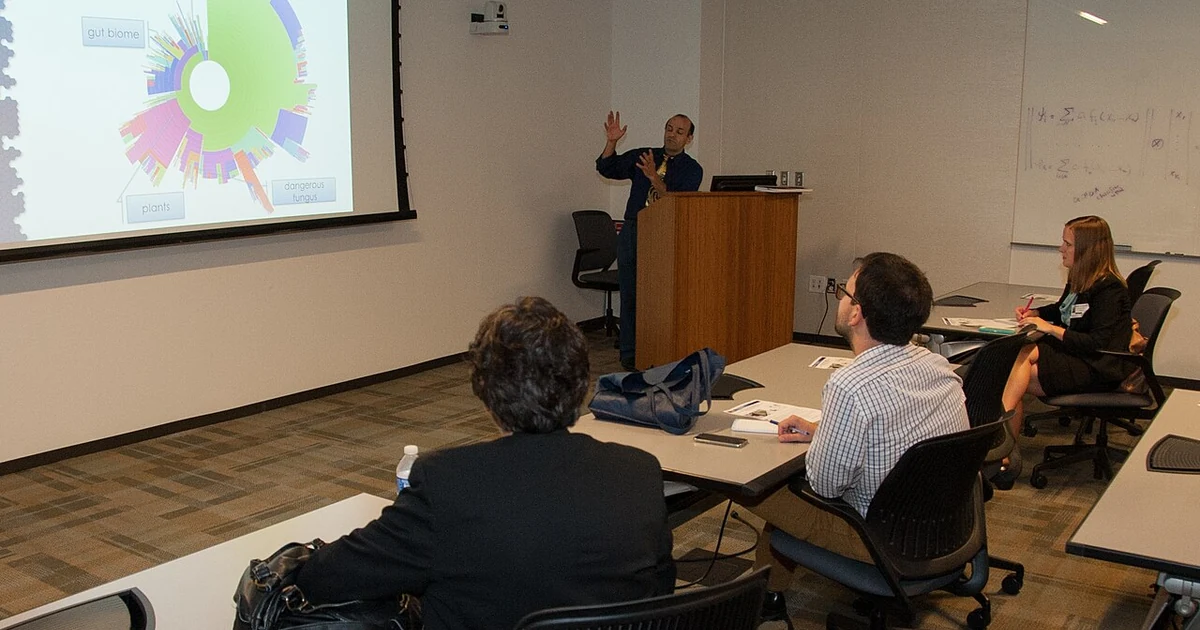
Photo: The U.S. Food and Drug Administration · License: Public domain · Cropped and resized. Assessing unit-price adjustments in long-running trials
Sponsor and Project Management
Providers may request fee adjustments during a long-running trial.
Published:
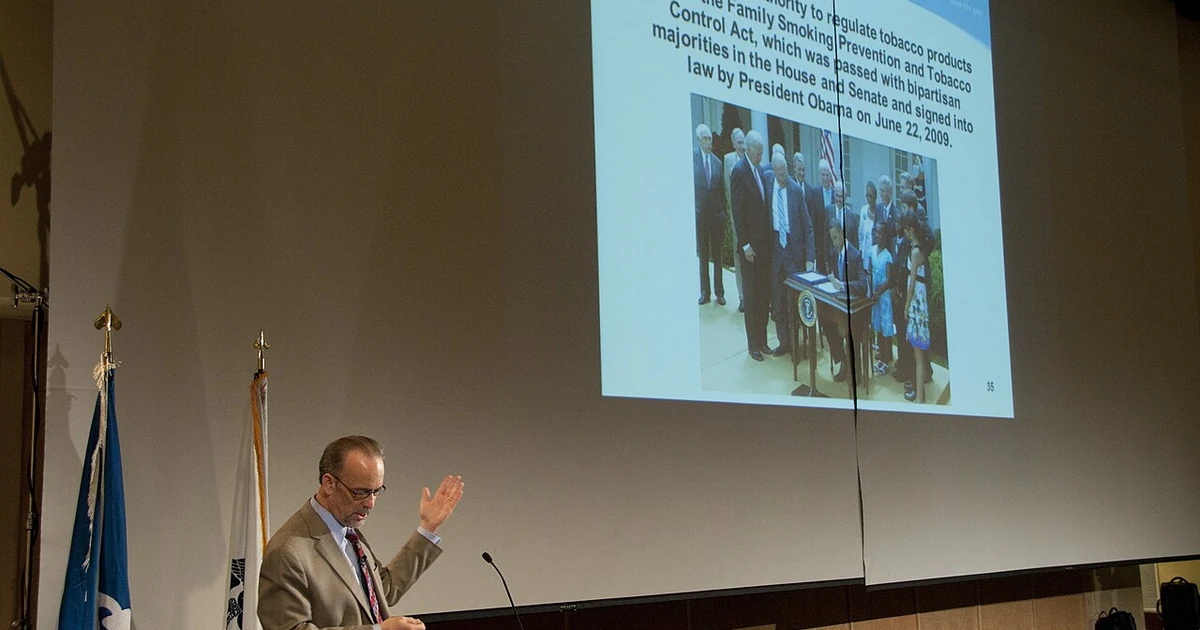
Photo: The U.S. Food and Drug Administration · License: Public domain · Cropped and resized. Understanding minimum-volume commitments in trial services
Sponsor and Project Management
Some service agreements include a minimum fee or volume in exchange for reserved capacity.
Published:
Photo: Airman 1st Class David Cooper · License: Public domain · Cropped and resized. Maintaining ownership of trial work during termination notice
Sponsor and Project Management
After a termination notice is sent to a provider, teams may assume the commercial relationship has already ended.
Published:

Photo: U.S. Marine Corps photo by Staff Sgt. Sean Potter · License: Public domain · Cropped and resized. Separating licence cost from record access during service transfer
Sponsor and Project Management
Closing a system licence during a provider change can appear to offer immediate savings.
Published:
Photo: Angel Turner · License: Public domain · Cropped and resized. Mapping indemnity provisions to operational notification routes
Sponsor and Project Management
Indemnity and liability provisions in trial agreements require assessment by legal specialists.
Published:

Photo: Horadrim · License: CC BY-SA 4.0 · Cropped and resized. Assessing conflicts of interest when selecting scientific advisers
Sponsor and Project Management
Scientific experience alone does not establish that an adviser can assess a particular trial decision independently.
Published:
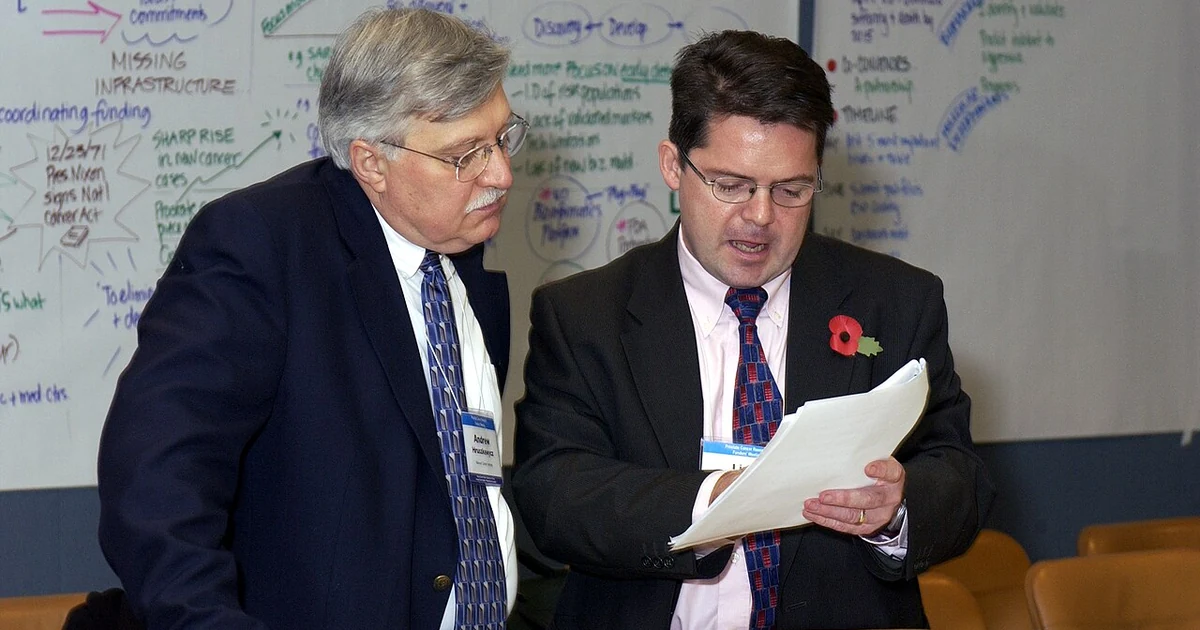
Photo: Bill Branson (Photographer) · License: Public domain · Cropped and resized. Separating review rights from scientific conclusions in publication agreements
Sponsor and Project Management
Sponsor review in a publication agreement can help identify accuracy or confidentiality issues.
Published:
Photo: U.S. Army photo by Pvt. Samuel Signor · License: Public domain · Cropped and resized. Separating sponsor start-up readiness from site readiness
Sponsor and Project Management
Site preparation can draw attention away from the sponsor's own decision, system and support arrangements.
Published:
Photo: U.S. Army photo by Pvt. Samuel Signor · License: Public domain · Cropped and resized. Distinguishing milestone payments from operational readiness decisions
Sponsor and Project Management
A contractual payment milestone does not always establish that trial activity is operationally ready.
Published:

Photo: The U.S. Food and Drug Administration · License: Public domain · Cropped and resized. Reconciling public and scientific titles in trial registration
Sponsor and Project Management
Public and scientific titles in trial records serve different purposes.
Published:

Photo: U.S. Army WRAIR by [null Courtesy] · License: Public domain · Cropped and resized. Distinguishing sponsors from funders in trial records
Sponsor and Project Management
The organisation funding a trial may differ from the organisation assuming sponsor responsibilities.
Published:

Photo: ESO/H.H.Heyer · License: CC BY 4.0 · Cropped and resized. Recognising the same trial across multiple registry records
Sponsor and Project Management
When one trial appears in several registries, differences in title, organisation or status can make it look like separate research.
Published:
Photo: The U.S. Food and Drug Administration · License: Public domain · Cropped and resized. Assigning ownership to public trial record updates
Sponsor and Project Management
A public trial record can drift away from the study if update responsibilities are not defined after initial publication.
Published:

Photo: The U.S. Food and Drug Administration · License: Public domain · Cropped and resized. Explaining planned and actual enrolment in public trial records
Sponsor and Project Management
Target and actual enrolment become meaningful at different stages of a trial.
Published:

Photo: The U.S. Food and Drug Administration · License: Public domain · Cropped and resized. Maintaining continuity for public trial enquiries
Sponsor and Project Management
Contact information in a public trial record is more than a field to complete.
Published:
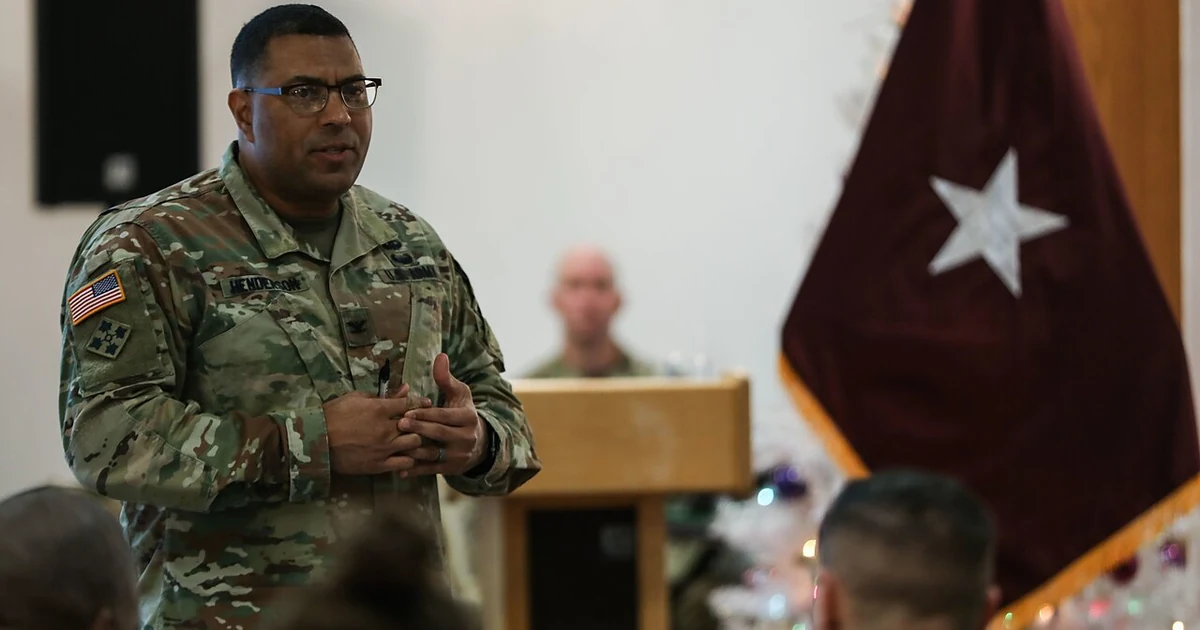
Photo: U.S. Army photo by Pvt. Samuel Signor · License: Public domain · Cropped and resized. Verifying links between trial records and scientific publications
Sponsor and Project Management
A functioning link is not enough to verify a publication added to a trial record.
Published:
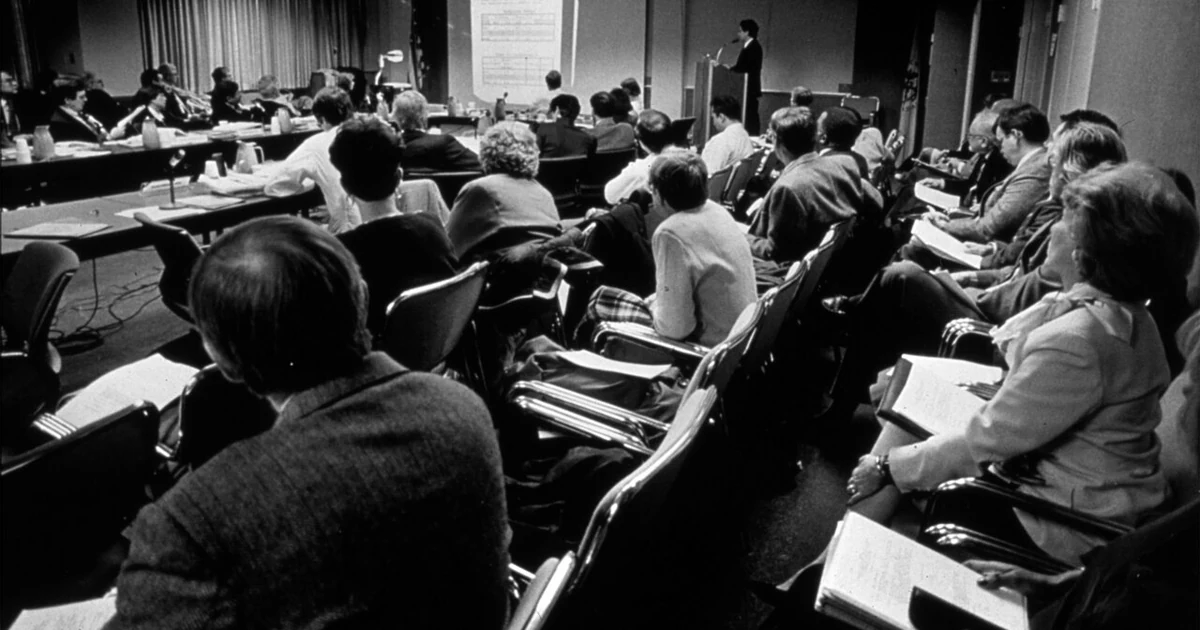
Photo: The U.S. Food and Drug Administration · License: Public domain · Cropped and resized. Explaining outcome-change history in trial registration
Sponsor and Project Management
Updating outcome information in a public record does not replace the scientific decision behind a trial change.
Published:

Photo: MaynardClark · License: CC BY 4.0 · Cropped and resized. Separating site status from whole-trial status in public records
Sponsor and Project Management
Completion of recruitment at one site does not mean enrolment has ended throughout a trial.
Published:
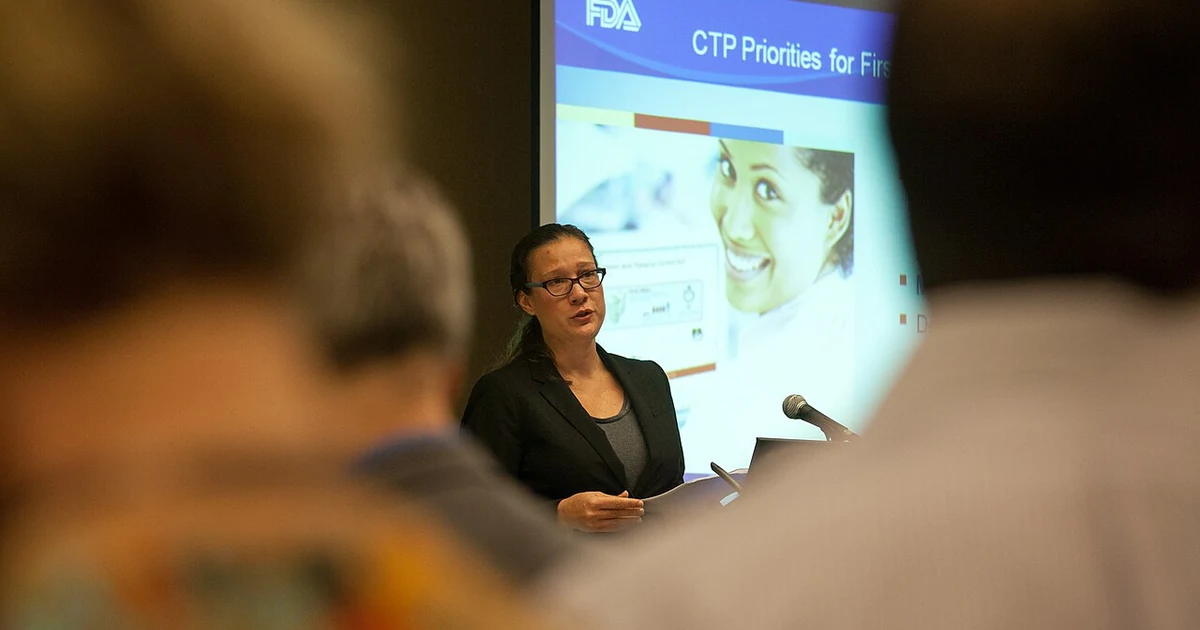
Photo: The U.S. Food and Drug Administration · License: Public domain · Cropped and resized. Preserving meaning in multilingual public trial descriptions
Sponsor and Project Management
Words may change when one trial is described in several languages, but its purpose and uncertainty should remain consistent.
Published:

Photo: The U.S. Food and Drug Administration · License: Public domain · Cropped and resized. Handing over a document-freeze decision for a submission package
Sponsor and Project Management
Teams may interpret document freeze differently during submission preparation.
Published:
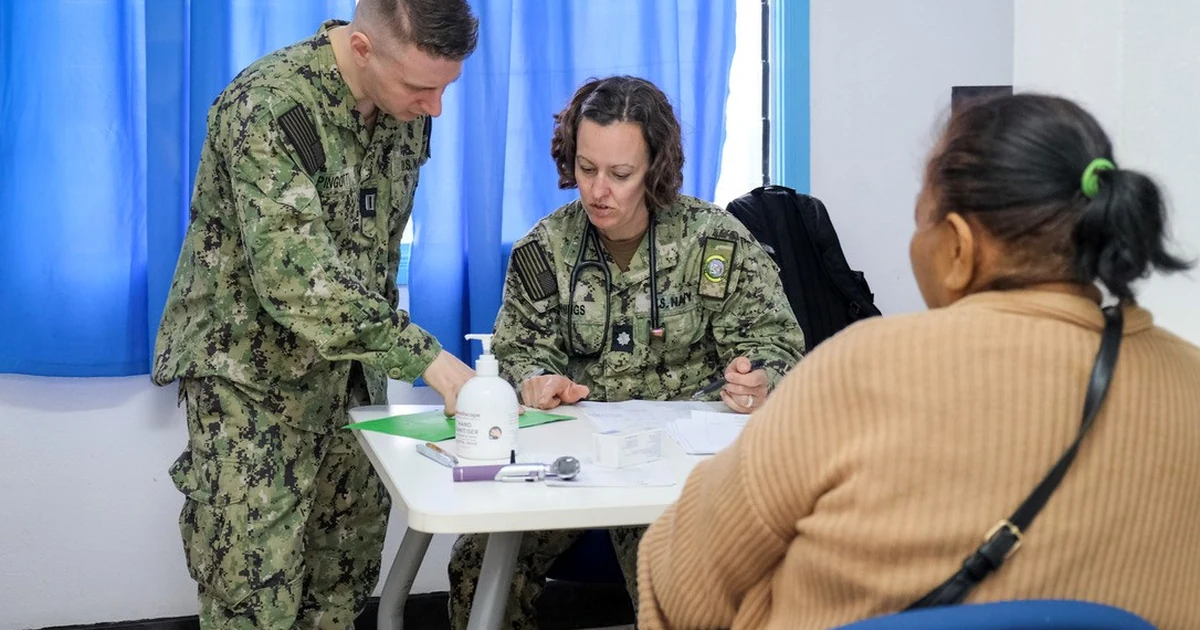
Photo: U.S. Navy photo by [null Courtesy] · License: Public domain · Cropped and resized. Keeping scientific meaning consistent across country submission packages
Sponsor and Project Management
Local packages for a multinational trial do not always need to be identical.
Published:

Photo: Bill Branson (Photographer) · License: Public domain · Cropped and resized. Establishing which source version a country package uses
Sponsor and Project Management
A document can look current in a country package without having been produced from the correct source version.
Published:

Photo: CDC Global · License: CC BY 2.0 · Cropped and resized. Handing over translation evidence with a submission package
Sponsor and Project Management
Receiving a translated submission document may not explain its source version or the review performed.
Published:
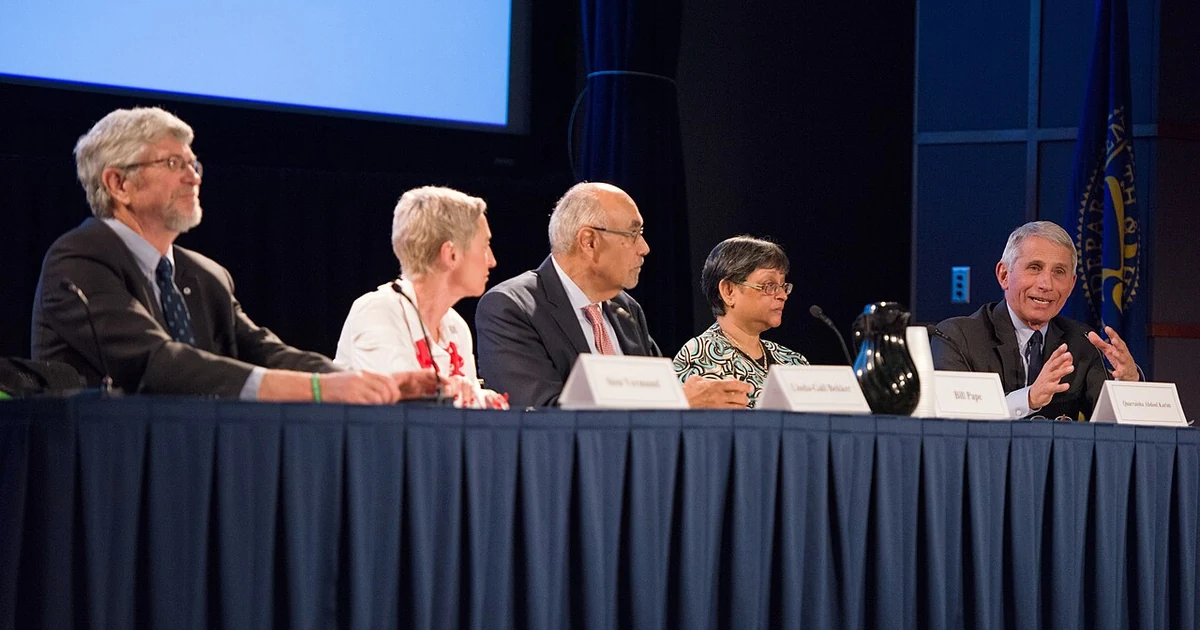
Photo: Fogarty International Center from Bethesda, MD · License: Public domain · Cropped and resized. Checking draft comments and artifacts in submission packages
Sponsor and Project Management
Even a substantively correct submission can mislead if it contains draft comments, hidden annotations or incorrect attachments.
Published:
Photo: Angel Turner · License: Public domain · Cropped and resized. Distinguishing submission, receipt and assessment status
Sponsor and Project Management
An internal report may show completion as soon as a team uploads an application.
Published:

Photo: U.S. Navy photo by [null Courtesy] · License: Public domain · Cropped and resized. Preparing evidence and decision routes for submission portal interruptions
Sponsor and Project Management
A portal interruption on submission day can prompt different teams to try competing solutions, leaving completed steps uncertain.
Published:

Photo: NIDA(NIH) · License: Public domain · Cropped and resized. Handing over open matters in country regulatory communications
Sponsor and Project Management
Changing a country regulatory contact may require more than updating an address list.
Published:
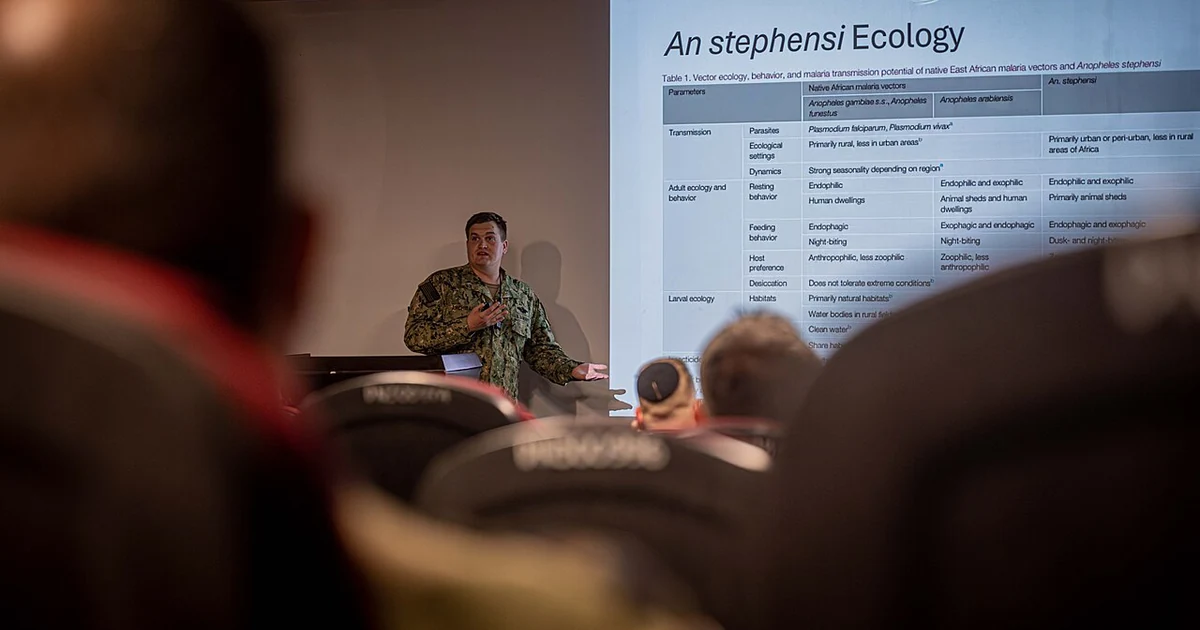
Photo: U.S. Navy CLDJ by Petty Officer 2nd Class JEROME FJELD · License: Public domain · Cropped and resized. Connecting portal support tickets to submission decision evidence
Sponsor and Project Management
Resolving a technical support request differs from assessing its effect on an application.
Published:
Photo: Bill Branson (Photographer) · License: Public domain · Cropped and resized. Turning regulatory source updates into owned assessments
Sponsor and Project Management
Sending an updated official guideline to an entire team does not establish that its trial implications have been assessed.
Published:

Photo: Bill Branson (Photographer) · License: Public domain · Cropped and resized. Publication Decisions: Separating Coordination from Scientific Responsibility
Sponsor and Project Management
Separate scientific responsibility, author review and administrative submission authority in publication decisions.
Published:
Photo: Saltrabook · License: CC BY-SA 4.0 · Cropped and resized. Authorship Eligibility: Discussing the Byline Before the Final Draft
Sponsor and Project Management
Discuss authorship early and reassess the final byline against actual contributions and journal criteria.
Published:
Photo: The U.S. Food and Drug Administration · License: Public domain · Cropped and resized. CRediT Statements: Linking Contributor Roles to Work Actually Performed
Sponsor and Project Management
Link CRediT statements to actual contributions and assess contributorship separately from authorship eligibility.
Published:
Photo: U.S. Navy CLDJ by Petty Officer 2nd Class JEROME FJELD · License: Public domain · Cropped and resized. Medical Writer Access: Providing the Correct Protocol and Analysis Plan
Sponsor and Project Management
Give medical writers controlled access to the correct protocol and analysis-plan versions needed to describe methods.
Published:
Photo: Bill Branson (Photographer) · License: Public domain · Cropped and resized. Frozen Publication Tables: Controlling Numbers While Writing Continues
Sponsor and Project Management
Version publication tables by data cut and track revised numbers through the abstract, text and figures.
Published:

Photo: U.S. Navy CLDJ by Petty Officer 2nd Class JEROME FJELD · License: Public domain · Cropped and resized. CSR and Manuscript Numbers: Distinguishing Errors from Definition Differences
Sponsor and Project Management
Explain numeric differences between the CSR and manuscript through population, period, denominator and analysis definitions.
Published:
Photo: Shulalevin · License: CC BY-SA 4.0 · Cropped and resized. Conference Abstracts and Manuscripts: Explaining Evolving Results
Sponsor and Project Management
Transparently link differences in data cut, scope and interpretation between conference outputs and the manuscript.
Published:

Photo: Maggie Bartlett, employee of National Human Genome Research Institute · License: Public domain · Cropped and resized. Negative Results: Keeping Publication Work Independent of the Expected Effect
Sponsor and Project Management
Plan publication work independently of result direction and report negative findings with their uncertainty and limitations.
Published:
Photo: NIDA(NIH) · License: Public domain · Cropped and resized. Post-CSR Analyses: Making Later Questions Visible in Publication
Sponsor and Project Management
Document the rationale, methods and interpretive boundaries of analyses developed after the CSR.
Published:

Photo: U.S. Air Force photo by Airman 1st Class Renee Nicole Finona · License: Public domain · Cropped and resized. Target Journal Requirements: Turning Instructions into Accountable Tasks
Sponsor and Project Management
Turn current journal requirements into accountable tasks with clear sources, owners and readiness checks.
Published:

Photo: Thaismay · License: CC BY-SA 4.0 · Cropped and resized. Data Availability Statements: Making Publication Promises Deliverable
Sponsor and Project Management
Align data-availability statements with actual permissions, shareable scope and a workable request process.
Published:
Photo: Vincenzo108 · License: CC BY-SA 4.0 · Cropped and resized. Privacy in Publication Examples: Recognisable Participants Without Names
Sponsor and Project Management
Assess identifiability from combined details while preserving the scientific meaning of publication examples.
Published:
Photo: U.S. Air Force photo by Senior Airman Jamal Berry II · License: Public domain · Cropped and resized. Coauthor Drafts: Consolidating Comments Without Losing Scientific Views
Sponsor and Project Management
Consolidate coauthor comments by version and resolve conflicting scientific edits through visible decisions.
Published:

Photo: Bill Branson (Photographer) · License: Public domain · Cropped and resized. Peer-Review Response Matrices: Linking Answers to Actual Revisions
Sponsor and Project Management
Link peer-review responses to revised text and supplements, checking that promised changes were actually implemented.
Published:

Photo: U.S. Navy photo by Daniel Taylor · License: Public domain · Cropped and resized. Secondary Publications: Transparently Distinguishing Questions from One Dataset
Sponsor and Project Management
Make the additional contribution, shared dataset and overlap with related papers explicit in secondary publications.
Published:
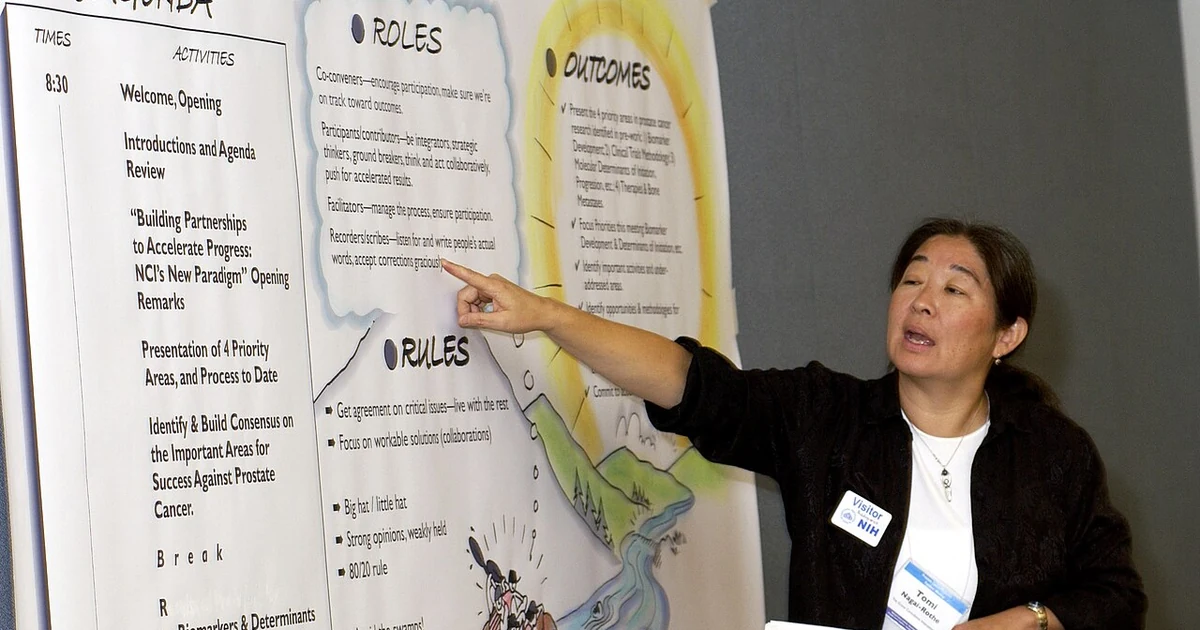
Photo: Bill Branson (Photographer) · License: Public domain · Cropped and resized. Post-Publication Errors: Taking Corrections Beyond the Internal File
Sponsor and Project Management
Assess post-publication errors and coordinate corrections through the journal’s appropriate editorial process.
Published:
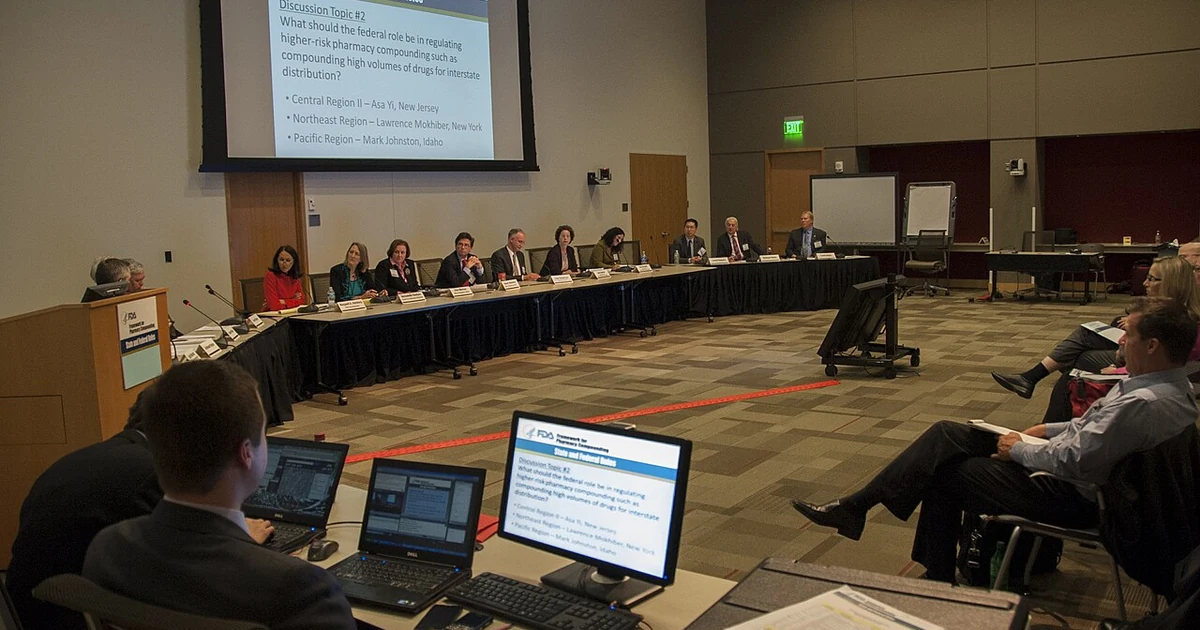
Photo: The U.S. Food and Drug Administration · License: Public domain · Cropped and resized. Press Releases and Papers: Preserving Evidence Boundaries in Short Messages
Sponsor and Project Management
Check press-release headlines and claims against the paper’s actual findings, design and limitations.
Published:

Photo: Bill Branson (Photographer) · License: Public domain · Cropped and resized. Scientific Translation Provenance: Identifying the Original Version Used
Sponsor and Project Management
Link scientific translations to the original version and track the effect of source corrections on translated content.
Published:

Photo: CDC Global · License: CC BY 2.0 · Cropped and resized. Publication Disputes: Keeping Schedule Pressure Separate from Scientific Decisions
Sponsor and Project Management
Define the concrete issue in a publication dispute and route scientific, authorship and administrative questions appropriately.
Published:
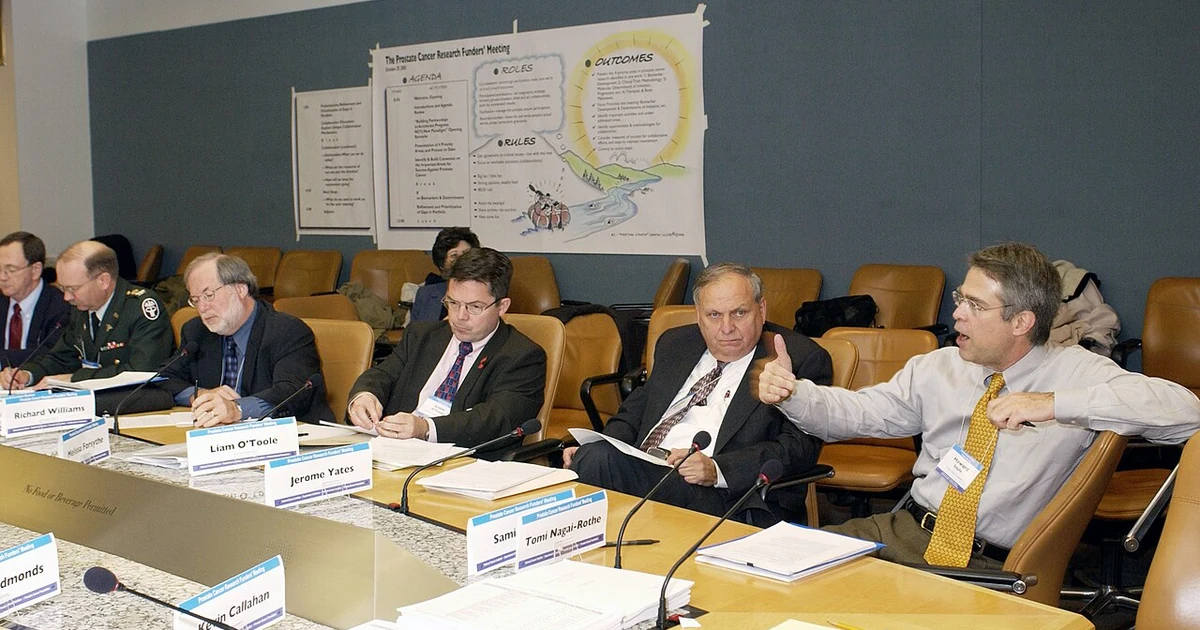
Photo: Bill Branson (Photographer) · License: Public domain · Cropped and resized. Publication Embargoes and Release: Coordinating Different Disclosure Routes
Sponsor and Project Management
Coordinate journal embargoes, results reporting and press announcements against their distinct conditions and actual release status.
Published:

Photo: dreid1987 · License: CC BY 3.0 · Cropped and resized. TİTCK Clinical Trial Applications in 2026: EBS-ESY and Ethics Dossiers
Türkiye Regulatory Affairs
Prepare a 2026 TİTCK clinical trial application: EBS-ESY, ethics submissions, document versions and readiness checks backed by official sources.
Published: — Sources checked:
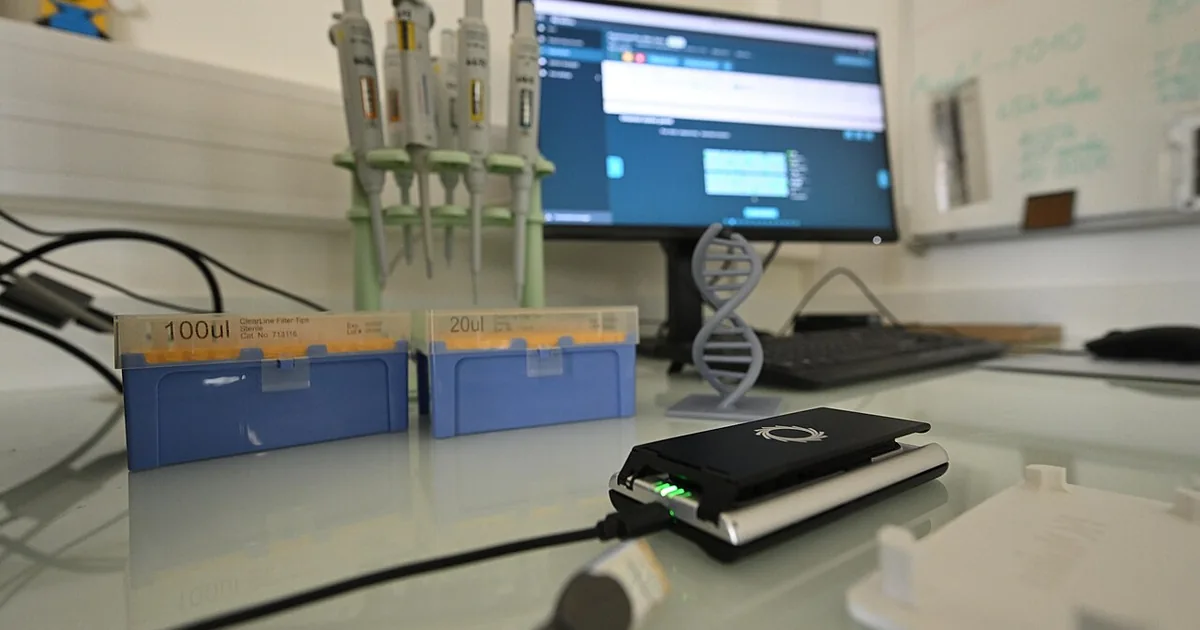
Photo: Stephane Lesbats / IFREMER · License: CC BY 4.0 · Cropped and resized. TİTCK SUSAR Reporting in 2026: E2B(R3) XML and an Operational Checklist
Safety and Data
Review Türkiye's National SUSAR Module, E2B(R3) XML checks, safety reporting timelines and follow-up workflows using official sources.
Published: — Sources checked:
Photo: Maggie Bartlett, National Human Genome Research Institute · License: Public domain · Cropped and resized. CTIS Clinical Trial Applications in 2026: Sponsor Readiness and Lifecycle Management
EU Clinical Trial Applications
Prepare a CTIS application with official EMA sources on sponsor roles, Part I/II, requests for information, transparency and 2026 ASR updates.
Published: — Sources checked:
Photo: Gabriela P. · License: CC BY 4.0 · Cropped and resized. EUDAMED 2026: Mandatory Modules, Device Registration and the November Transition
Medical Devices and EUDAMED
Understand EUDAMED's four mandatory modules, SRN and UDI records and the 28 November 2026 transition scenario using official EU sources.
Published: — Sources checked:

Photo: NIDA(NIH) · License: Public domain · Cropped and resized. ICH E6(R3) Annex 2: Sponsor and CRO Readiness for the 2026–2027 Transition
ICH-GCP and Quality
Distinguish ICH E6(R3) adoption and effective dates; prepare for Annex 2, real-world data and sponsor oversight using official sources.
Published: — Sources checked:
Photo: Sgt. Aaron Ellerman · License: Public domain · Cropped and resized. FDA eCTD v4.0: 2026 Submission Readiness for Sponsor and CRO Teams
FDA and Electronic Submissions
FDA eCTD v4.0, forward compatibility from 16 October 2026 and the 16 January 2027 validation timeline: a sponsor and CRO readiness guide.
Published: — Sources checked:

Photo: Larry D. Moore · License: CC BY 4.0 · Cropped and resized. Choosing the right ethics committee route in Türkiye
Türkiye Research Operations
A routing record for medicine trials and BA/BE studies: committee remit, current status, submissions and ownership.
Published: — Sources checked:
Photo: Robert Scoble · License: CC BY 2.0 · Cropped and resized. EBS authorization and submission continuity for Türkiye trials
Türkiye Research Operations
Keep electronic submissions working through staff changes with an authorization register, backup coverage and evidence of dispatch.
Published: — Sources checked:

Photo: Bill Branson – (Edited by Fir0002)(Edited by Drhx) · License: Public domain · Cropped and resized. Classifying protocol amendment impact in Türkiye
Türkiye Research Operations
Turn a protocol change into an impact assessment covering consent, sites, product supply, systems and regulatory implementation.
Published: — Sources checked:

Photo: dreid1987 · License: CC BY 3.0 · Cropped and resized. Adding a research site to an ongoing Türkiye trial
Türkiye Research Operations
A site addition checklist connecting local documents, approvals, product readiness and release of recruitment.
Published: — Sources checked:
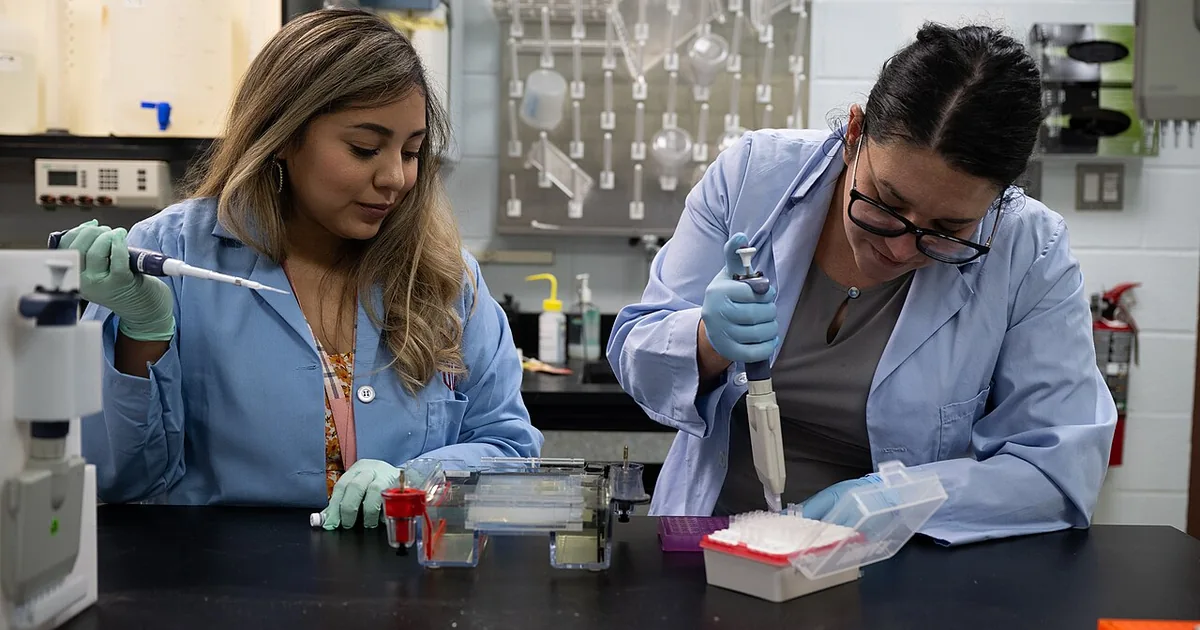
Photo: USDAgov · License: Public domain · Cropped and resized. Changing the principal investigator without losing study oversight
Türkiye Research Operations
Prepare a documented investigator handover covering participants, safety actions, delegation, access and regulatory records.
Published: — Sources checked:
Photo: Diane A. Reid (Photographer) · License: Public domain · Cropped and resized. Reconciling the investigational product import dossier in Türkiye
Türkiye Research Operations
Check product identity, quantities, documents and logistics before arranging a clinical trial shipment to Türkiye.
Published: — Sources checked:
Photo: Navy Medicine · License: Public domain · Cropped and resized. Managing an investigational product temperature excursion in Türkiye
Türkiye Research Operations
A temperature excursion decision record linking quarantine, stability review, participant impact and product accountability.
Published: — Sources checked:

Photo: National Center for Advancing Translational Sciences from Bethesda, MD; Daniel Soñé Photography, LLC · License: CC BY 2.0 · Cropped and resized. Reconciling trial insurance with the Türkiye study plan
Türkiye Research Operations
Review insurance identity, participant allocation, site changes and policy continuity against the actual clinical trial plan.
Published: — Sources checked:
Photo: USDAgov · License: Public domain · Cropped and resized. Localizing participant consent for a Türkiye clinical trial
Türkiye Research Operations
Translate the participant pathway into understandable local consent materials while preserving protocol meaning and study-specific contacts.
Published: — Sources checked:
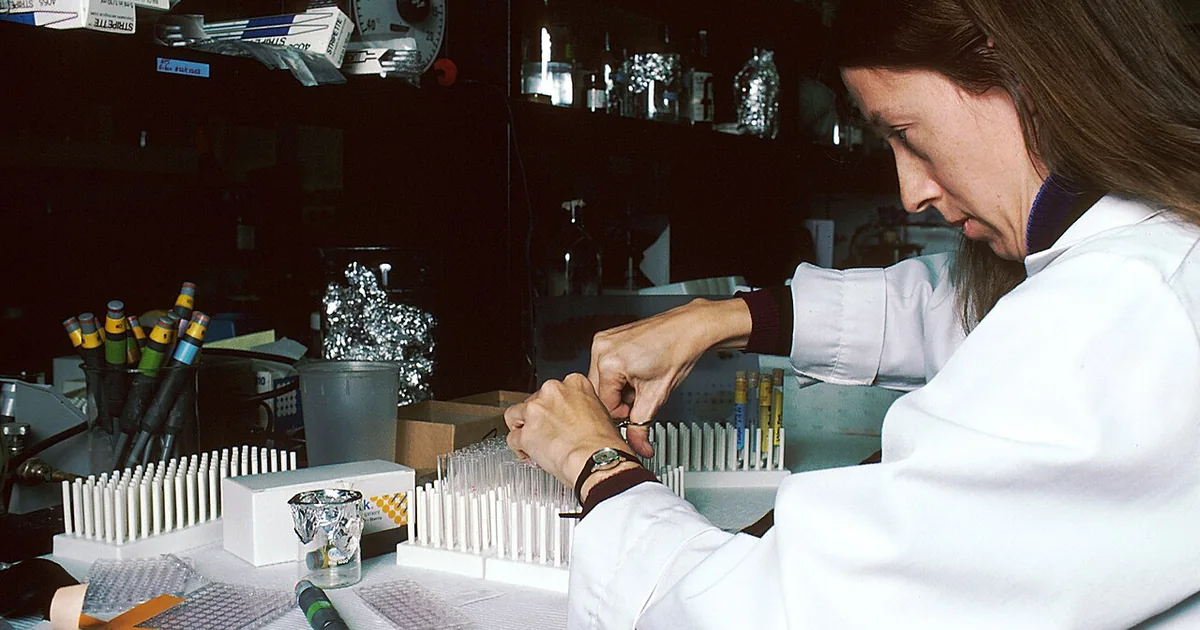
Photo: Linda Bartlett (Photographer) · License: Public domain · Cropped and resized. Rolling out a revised consent form across Türkiye sites
Türkiye Research Operations
Track revised consent versions by site and participant, including approval, communication, reconsent and withdrawal of obsolete copies.
Published: — Sources checked:

Photo: Photo Credit: James Gathany Content Providers: CDC/ Douglas E. Jordan · License: Public domain · Cropped and resized. Preparing a reconciled annual trial progress report in Türkiye
Türkiye Research Operations
Build an annual reporting cut-off from verified enrollment, site status, study changes and unresolved data differences.
Published: — Sources checked:

Photo: Department for Science, Innovation and Technology · License: CC BY 2.0 · Cropped and resized. Separating trial completion, site close-out and product closure in Türkiye
Türkiye Research Operations
Coordinate distinct completion records, site close-out evidence, product reconciliation and remaining participant obligations.
Published: — Sources checked:

Photo: Centers for Disease Control and Prevention (CDC)/ Holly Patrick, MS, MPH · License: Public domain · Cropped and resized. Managing a temporary recruitment halt in a Türkiye trial
Türkiye Research Operations
Document the scope of a recruitment halt, participant continuity, communications and evidence needed for an authorized restart.
Published: — Sources checked:

Photo: Alexander Bogatyrev · License: CC BY 4.0 · Cropped and resized. Triaging protocol deviations for a Türkiye study
Türkiye Research Operations
Assess deviations by participant impact, data reliability, immediate action and local reporting requirements rather than frequency alone.
Published: — Sources checked:

Photo: NIH Image Gallery from Bethesda, Maryland, USA · License: Public domain · Cropped and resized. Assessing an investigator brochure update for Türkiye sites
Türkiye Research Operations
Connect a revised investigator brochure to risk review, consent, pharmacy instructions, training and the local submission assessment.
Published: — Sources checked:
Photo: Biol · License: Public domain · Cropped and resized. Planning pregnancy reporting and follow-up in a Türkiye trial
Türkiye Research Operations
Define confidential pregnancy intake, medical assessment, safety escalation and follow-up ownership without assuming one reporting category.
Published: — Sources checked:
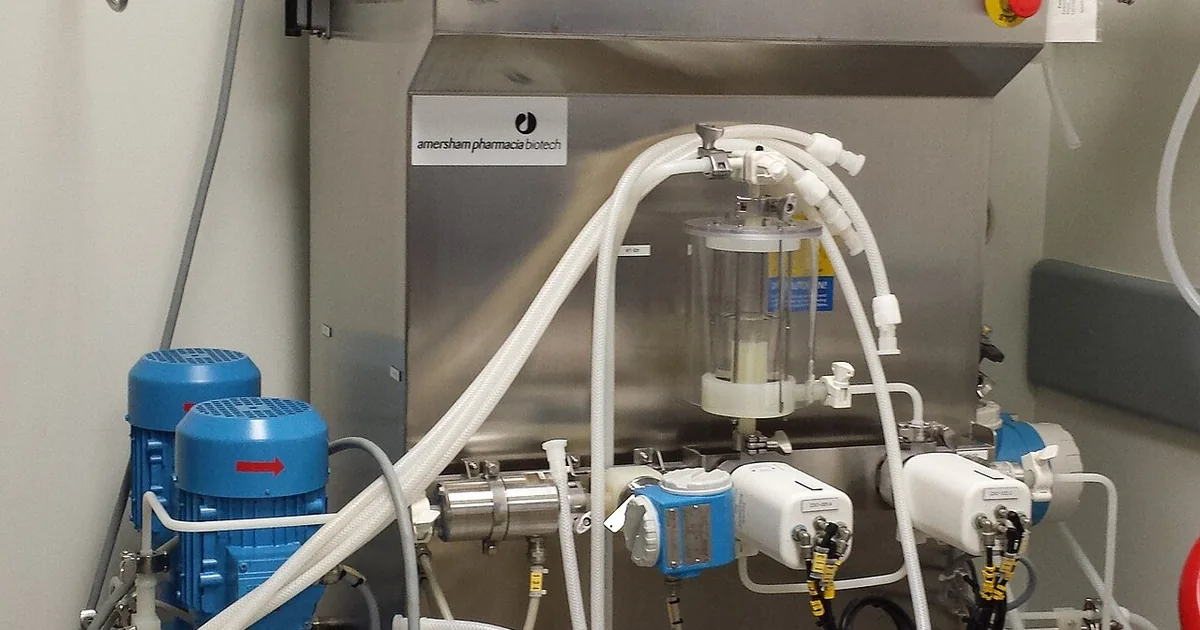
Photo: Kitmondo Lab · License: CC BY 2.0 · Cropped and resized. BA/BE study readiness in Türkiye: clinical and analytical handoffs
Türkiye Research Operations
Check dosing, sampling, participant protection and bioanalytical transfer as one linked readiness pathway for BA/BE research.
Published: — Sources checked:
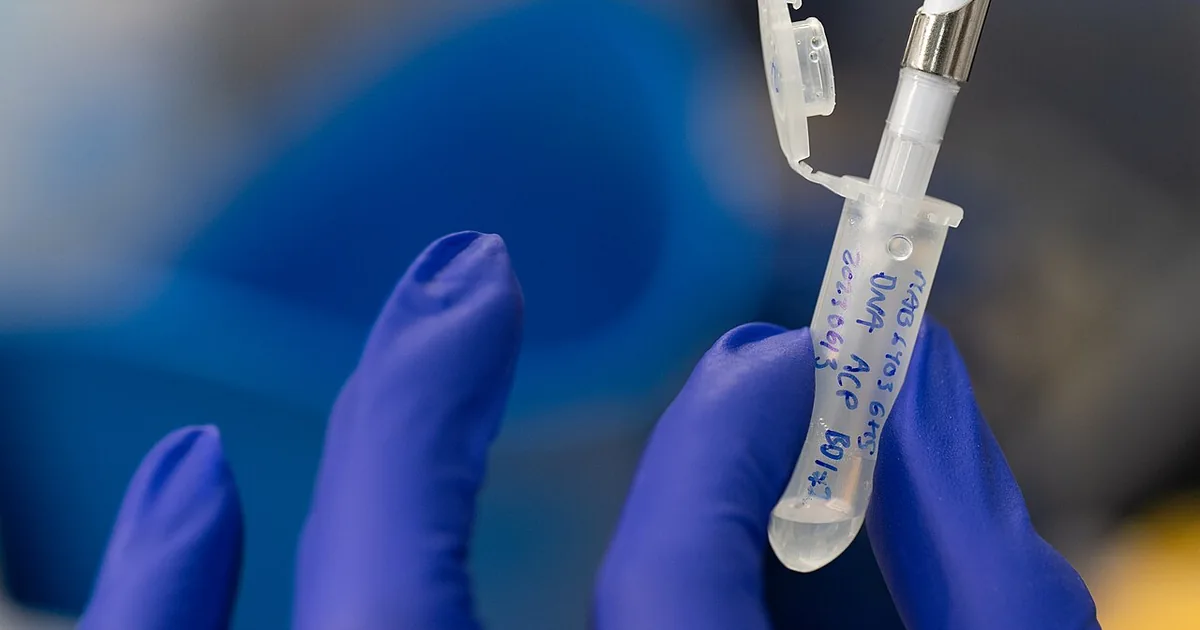
Photo: USDAgov · License: Public domain · Cropped and resized. Preparing pediatric assent and permission pathways in Türkiye
Türkiye Research Operations
Map age-appropriate information, representative permission, assent discussions and changing capacity in a pediatric trial.
Published: — Sources checked:
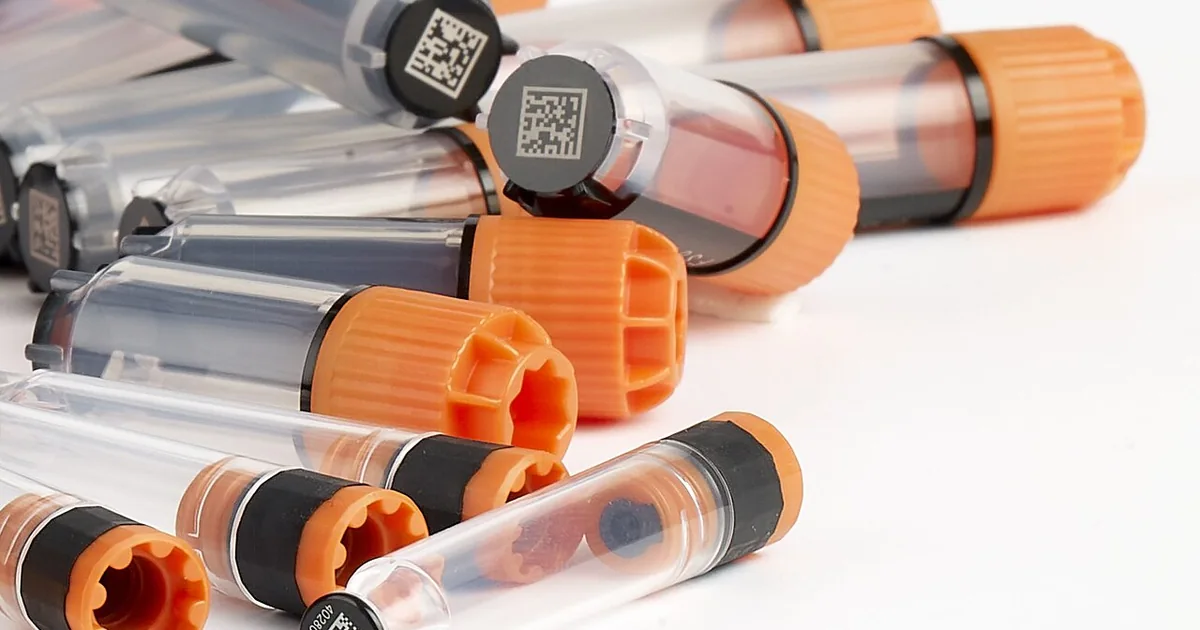
Photo: Steve Knight · License: CC BY 2.0 · Cropped and resized. Preparing biological sample transfers from a Türkiye trial site
Türkiye Research Operations
Reconcile consent, sample identity, destination, permissions and shipment evidence before transferring biological materials.
Published: — Sources checked:

Photo: Jeff Hitchcock · License: CC BY 2.0 · Cropped and resized. Reconciling site agreements and budgets with a Türkiye protocol
Türkiye Research Operations
Map protocol procedures, routine care, reimbursable costs and payment milestones before finalizing the site agreement.
Published: — Sources checked:
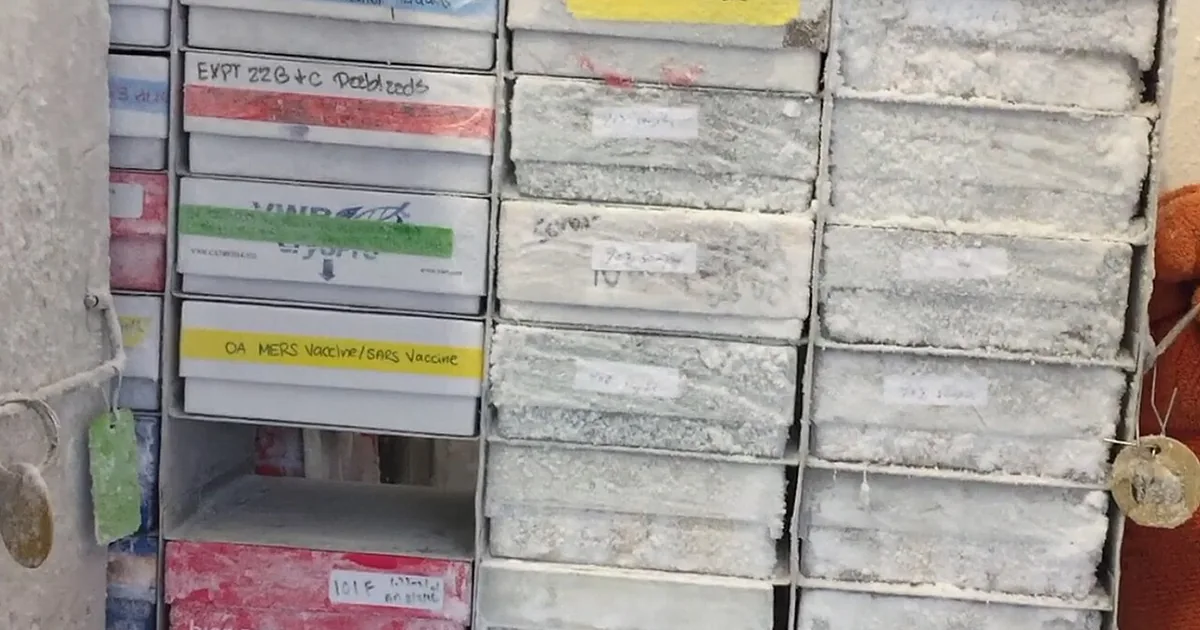
Photo: National Institute of Allergy and Infectious Diseases (NIAID), NIH · License: Public domain · Cropped and resized. Reconciling investigational product label versions in Türkiye
Türkiye Research Operations
Connect approved label text, packaged stock, study changes and site dispensing instructions without compromising trial blinding.
Published: — Sources checked:
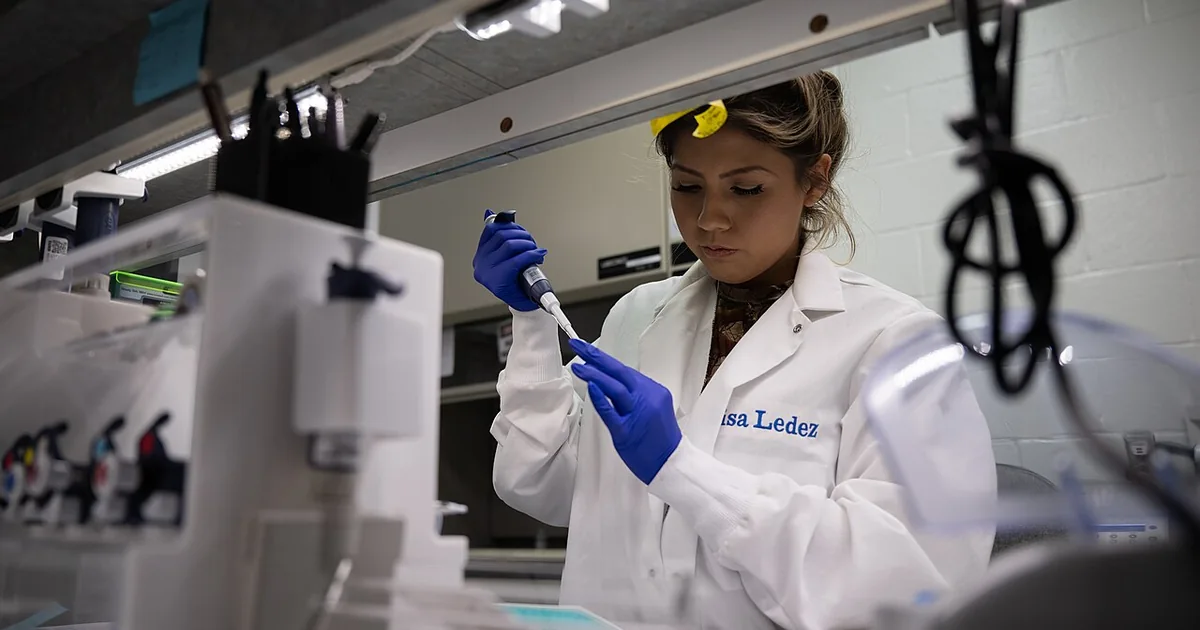
Photo: USDAgov · License: Public domain · Cropped and resized. Reconciling a public KAP trial record with the Türkiye study
Türkiye Research Operations
Check public trial identity, recruitment status and site information against controlled records while keeping participant information private.
Published: — Sources checked:
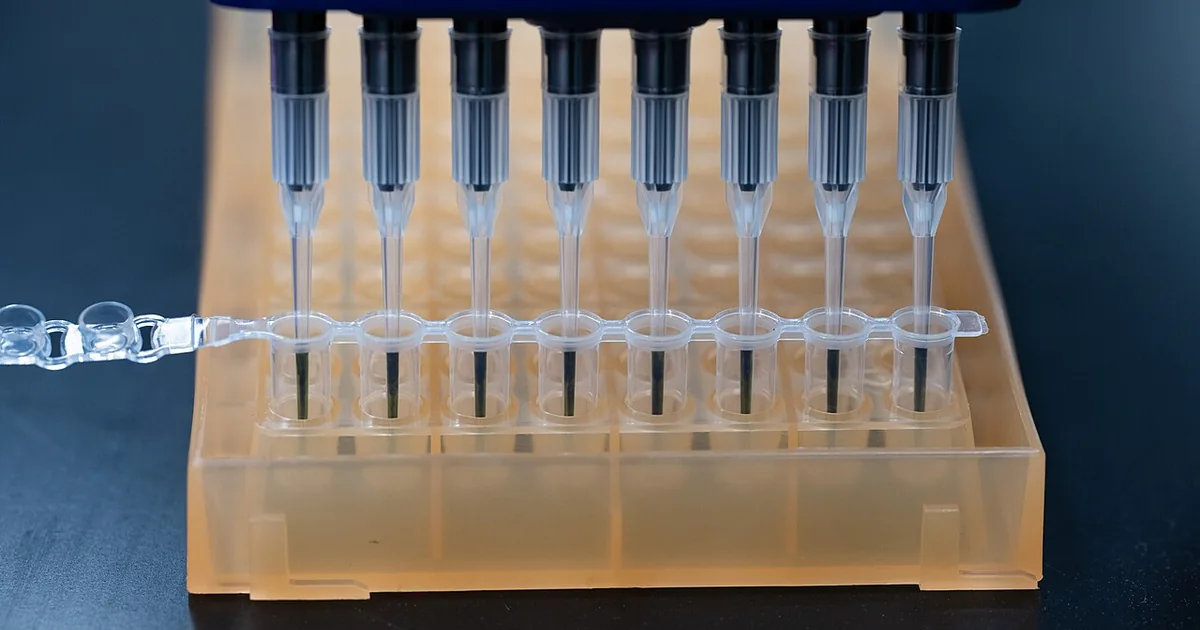
Photo: USDAgov · License: Public domain · Cropped and resized. Building a traceable regulatory query response in Türkiye
Türkiye Research Operations
Answer authority and ethics queries with a question matrix, document impact review and controlled evidence of submission.
Published: — Sources checked:
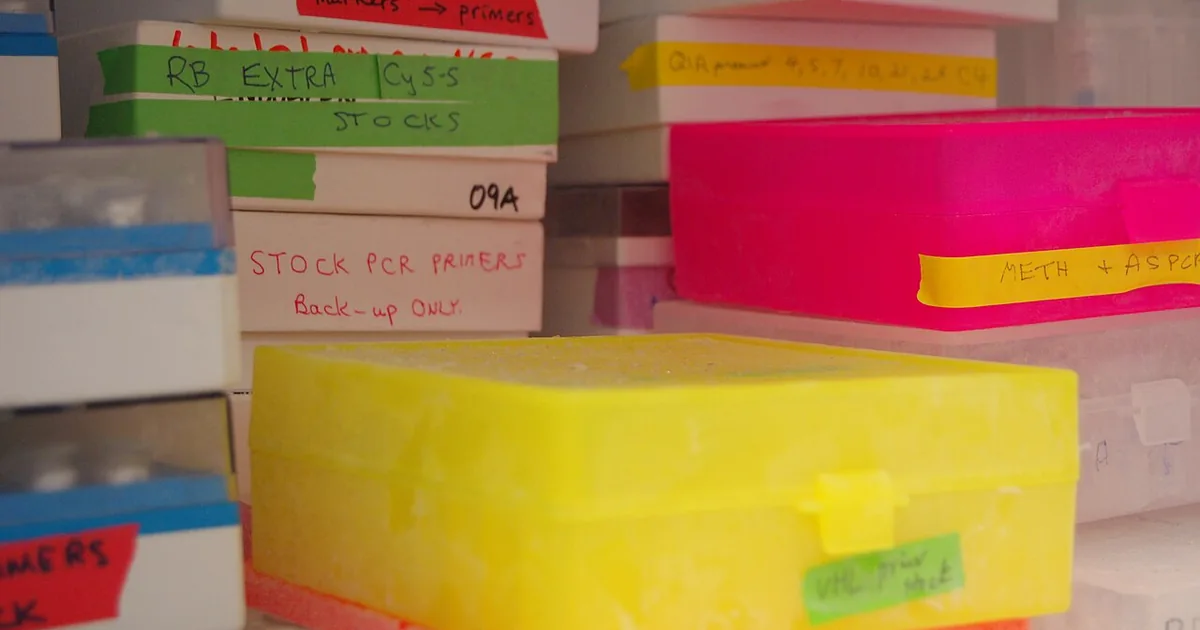
Photo: Nadia Prigoda-Lee from Toronto, Canada · License: CC BY 2.0 · Cropped and resized. Handing over clinical trial archive custody in Türkiye
Türkiye Research Operations
Document archive ownership, record inventory, access, retrieval and retention decisions before staff or service-provider transitions.
Published: — Sources checked:
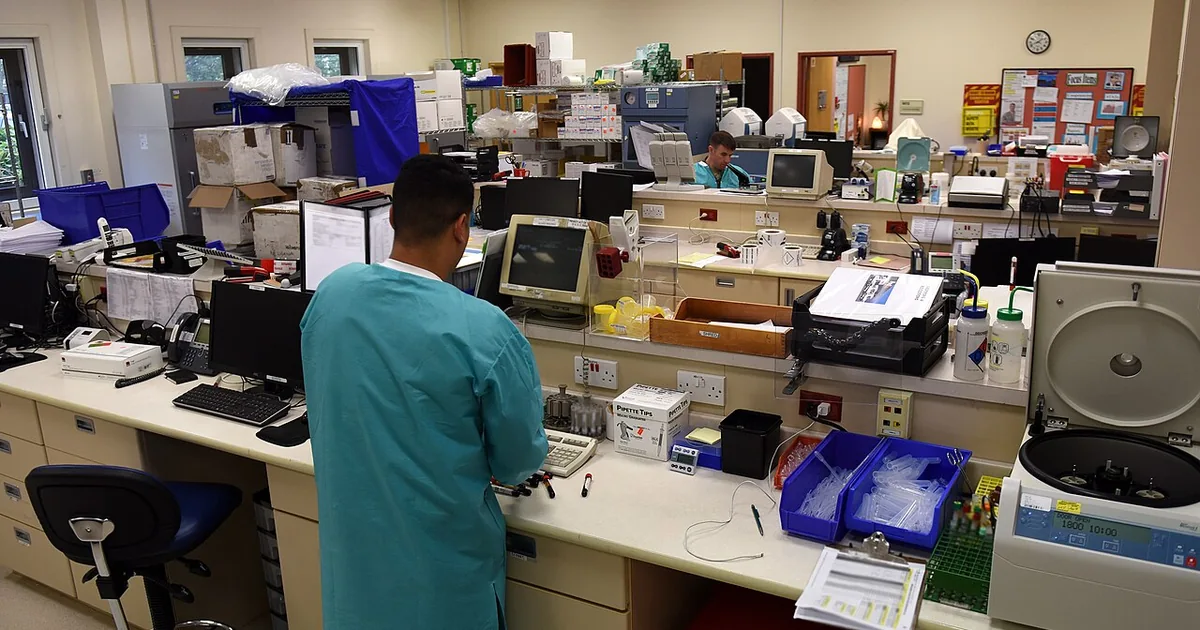
Photo: U.S. Air Force photo by Airman 1st Class Madeline Herzog · License: Public domain · Cropped and resized. CTIS Part I and Part II: a document ownership matrix
EU clinical trials
A split dossier needs one controlled view of shared scientific documents and country-specific materials before teams commit to submission.
Published: — Sources checked:
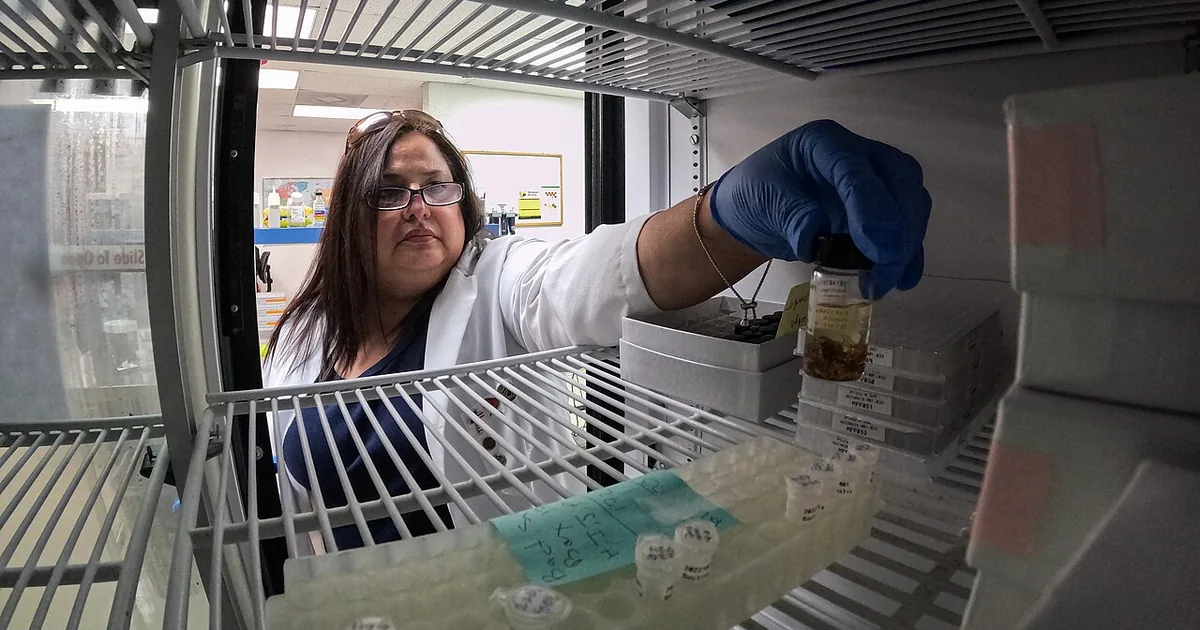
Photo: USDAgov · License: Public domain · Cropped and resized. CTIS RFI responses: build a question-to-document matrix
EU clinical trials
An RFI response is strongest when every authority question connects to an answer, an amended document and a submission check.
Published: — Sources checked:

Photo: USDAgov · License: Public domain · Cropped and resized. CTIS substantial modifications: document the classification decision
EU clinical trials
A change log becomes useful when it explains why a proposed amendment follows a particular regulatory route.
Published: — Sources checked:
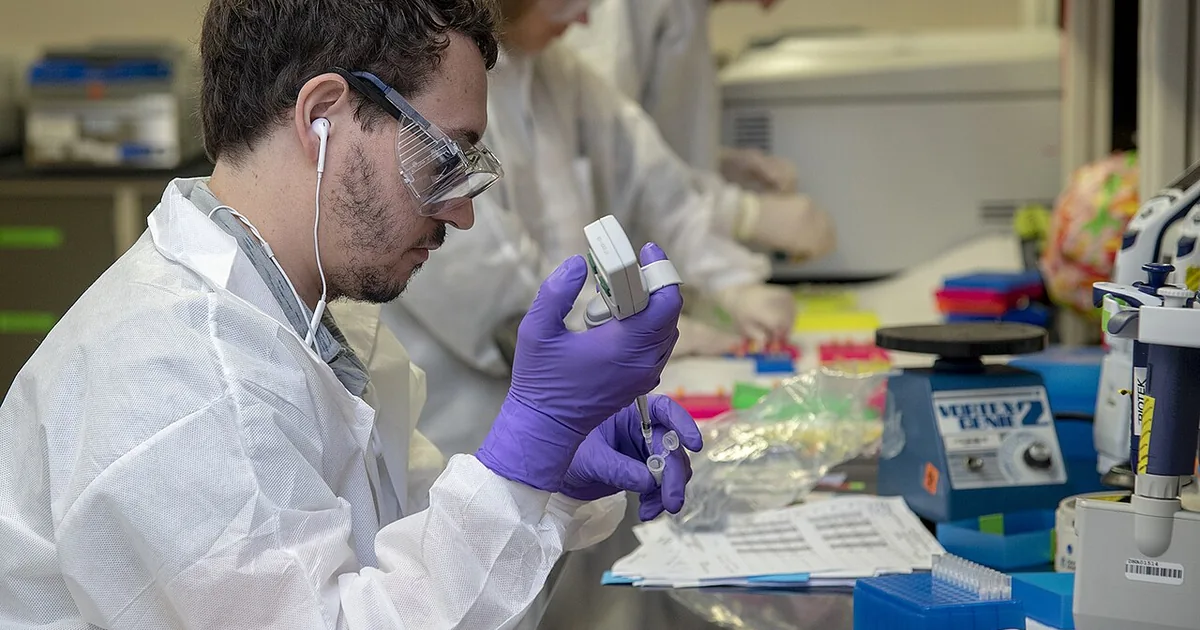
Photo: Air Force Staff Sgt. Nicole Leidholm, photographer · License: Public domain · Cropped and resized. Adding a Member State in CTIS: a readiness decision
EU clinical trials
Adding a country requires more than translating an existing application; it creates a new operational and assessment dependency.
Published: — Sources checked:
Photo: National Institute of Allergy and Infectious Diseases · License: Public domain · Cropped and resized. CTIS trial event notifications: reconcile dates with operations
EU clinical trials
Start, recruitment and end events can diverge across countries; a single project milestone cannot represent every regulatory notification.
Published: — Sources checked:

Photo: Sgt. Aaron Ellerman · License: Public domain · Cropped and resized. CTIS temporary halt and restart: a safety-based route check
EU clinical trials
A restart plan must explain why activity stopped, what changed and which authorisation or notification route now applies.
Published: — Sources checked:
Photo: U.S. Department of Energy from United States · License: Public domain · Cropped and resized. CTIS early termination: connect notification with closeout
EU clinical trials
Early termination is a participant, evidence and disclosure decision; closing a project budget does not complete it.
Published: — Sources checked:
Photo: USDAgov · License: Public domain · Cropped and resized. CTIS personal data redaction: verify the publication copy
EU clinical trials
A publication copy must protect personal data while preserving the document information needed to understand the research.
Published: — Sources checked:
Photo: Diane A. Reid (Photographer) · License: Public domain · Cropped and resized. CTR lay summaries: preserve meaning without promotional language
EU clinical trials
A lay summary should let a non-specialist understand what happened, including uncertainty and unfavourable results.
Published: — Sources checked:
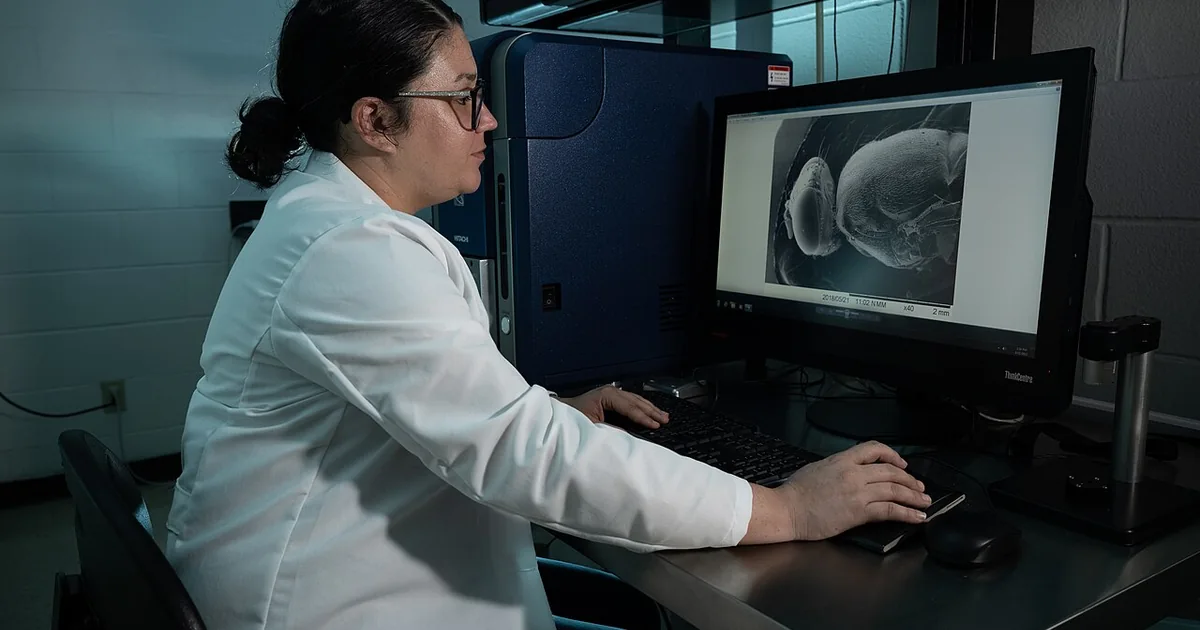
Photo: USDAgov · License: Public domain · Cropped and resized. CTIS results: reconcile structured data before submission
EU clinical trials
Results entry should be a controlled transformation of the analysed dataset, not manual copying from whichever report is newest.
Published: — Sources checked:
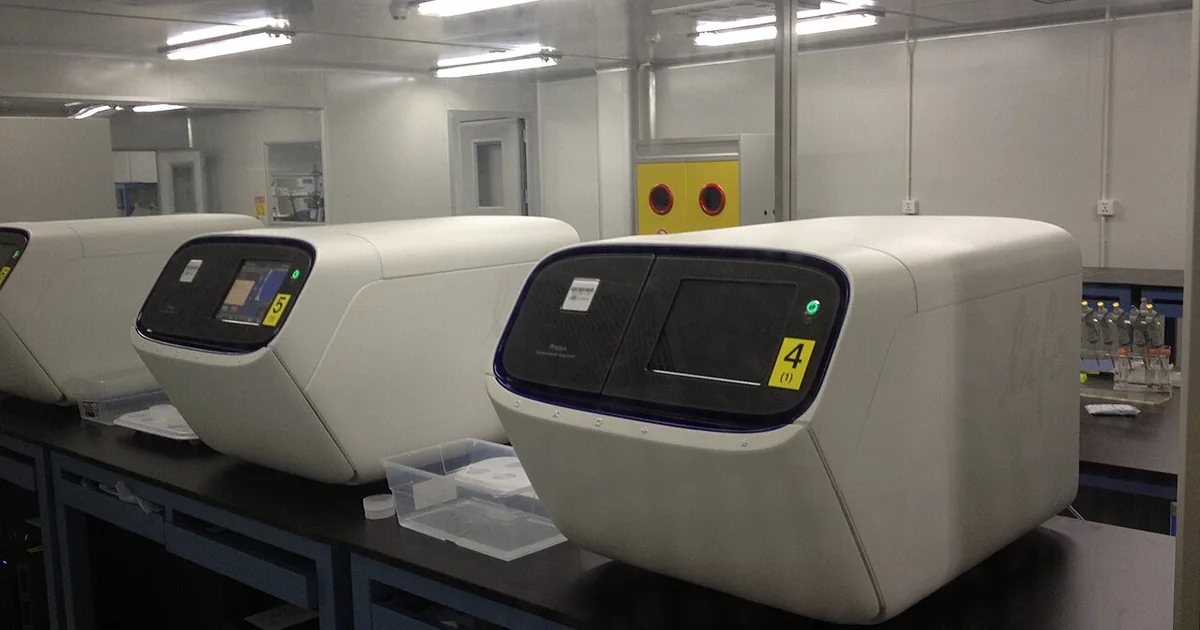
Photo: Scotted400 · License: CC BY 3.0 · Cropped and resized. CTIS sponsor access: a least-privilege role matrix
EU clinical trials
A sponsor access plan should make urgent submissions possible while showing exactly who may prepare, view and submit trial information.
Published: — Sources checked:
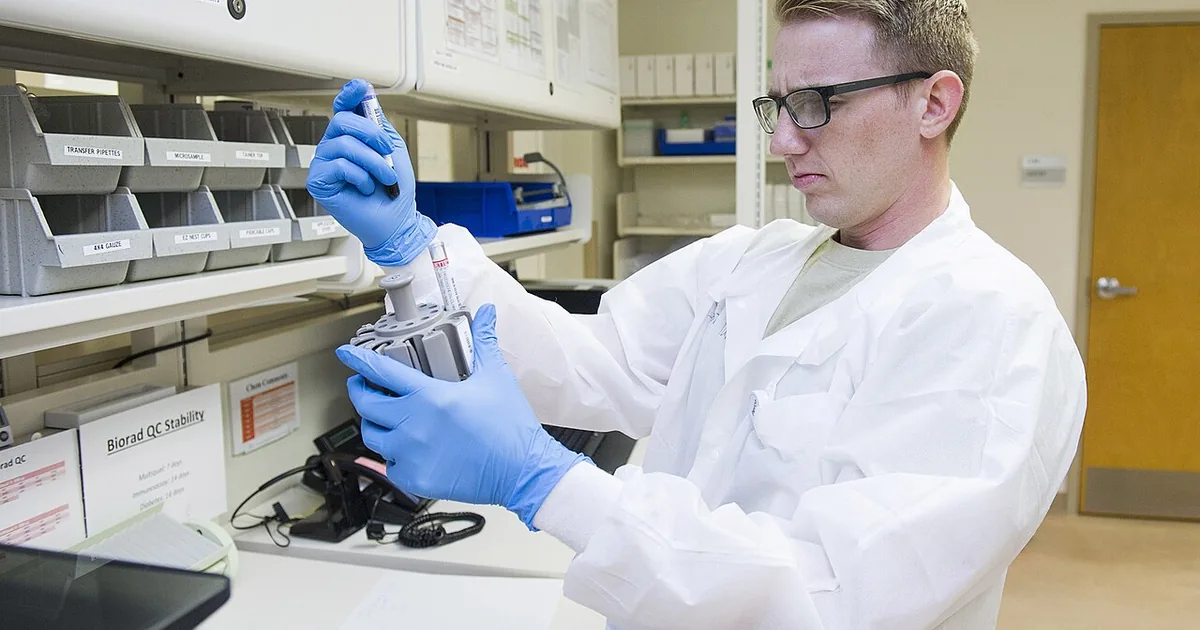
Photo: U.S. Air Force photo by Phil Sunkel · License: Public domain · Cropped and resized. EudraCT legacy results: reconcile the reporting destination
EU clinical trials
A legacy portfolio needs a study-by-study reporting map; the existence of CTIS does not erase older disclosure records.
Published: — Sources checked:
Photo: National Institute of Allergy and Infectious Diseases · License: Public domain · Cropped and resized. MDR clinical evaluation: a claim-to-evidence map
Medical device evidence
A clinical evaluation becomes reviewable when each intended purpose and clinical claim has a visible evidence chain.
Published: — Sources checked:
Photo: National Institute of Allergy and Infectious Diseases · License: Public domain · Cropped and resized. MDR equivalence: document characteristics and data access
Medical device evidence
An equivalence strategy depends on demonstrable comparability and adequate evidence access, not a competitor catalogue.
Published: — Sources checked:
Photo: Diane A. Reid (Photographer) · License: Public domain · Cropped and resized. PMCF plans: turn evidence gaps into measurable questions
Medical device evidence
A useful PMCF plan starts with a residual clinical question, then selects a method capable of answering it.
Published: — Sources checked:
Photo: Biol · License: Public domain · Cropped and resized. PMCF evaluation reports: turn findings into documented decisions
Medical device evidence
The PMCF report should explain what was learned and what changes, including when activities underperformed.
Published: — Sources checked:
Photo: U.S. Navy photo by Seaman Dagan Alexander · License: Public domain · Cropped and resized. SSCP consistency: align the public summary with clinical evidence
Medical device evidence
A summary of safety and clinical performance should remain readable and consistent with the evidence supporting the device.
Published: — Sources checked:

Photo: Unknown author · License: Public domain · Cropped and resized. MDR clinical investigations: select the correct regulatory route
Medical device evidence
Device study planning should begin with intended purpose, CE status and study procedures rather than an assumption that all research uses CTIS.
Published: — Sources checked:
Photo: Ivangiesen · License: CC0 · Cropped and resized. MDR investigation safety: design the device-event assessment flow
Medical device evidence
A device investigation safety process must capture failures as well as clinical events and connect them to the applicable reporting rules.
Published: — Sources checked:
Photo: Labcare · License: CC0 · Cropped and resized. IVDR performance evaluation: connect its three evidence pillars
IVD performance
An IVD evidence package needs a clear link between the analyte, analytical behaviour and clinical use of the result.
Published: — Sources checked:
Photo: Labcare · License: CC0 · Cropped and resized. IVDR performance studies: document the submission route
IVD performance
An IVD performance study route depends on how specimens and results are used, not only on whether a laboratory is involved.
Published: — Sources checked:
Photo: IAEA Imagebank · License: CC BY 2.0 · Cropped and resized. PMPF plans: monitor IVD performance after market access
IVD performance
Post-market performance follow-up should test whether the evidence remains valid in actual populations, specimens and settings.
Published: — Sources checked:
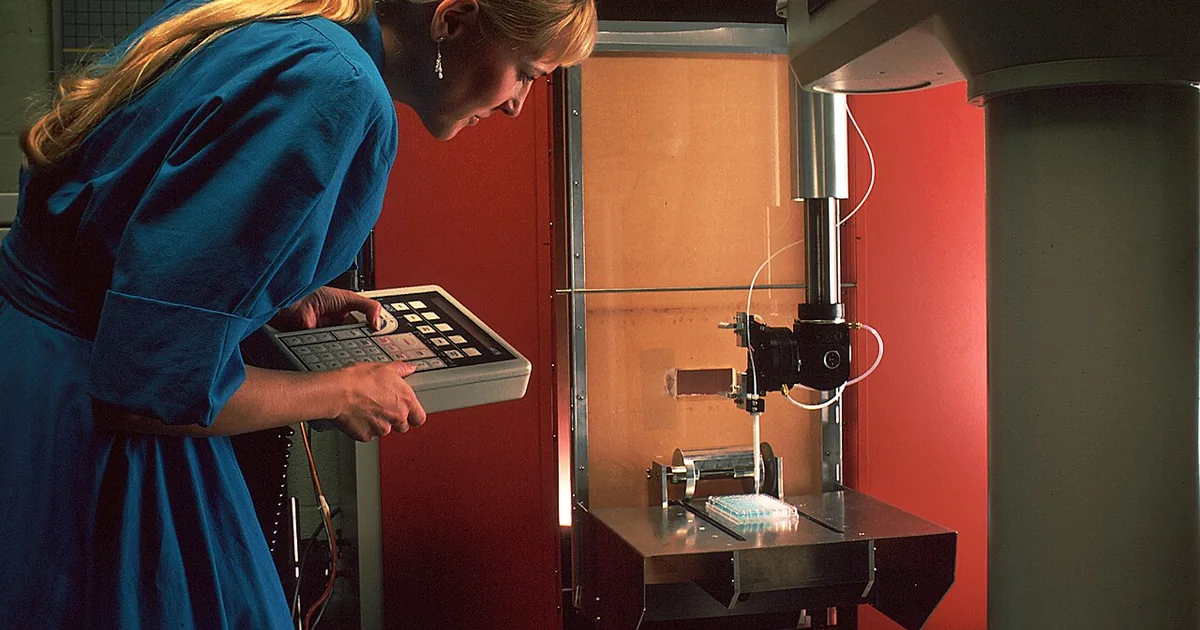
Photo: Bill Branson (Photographer) · License: Public domain · Cropped and resized. Medical device software: map output claims to clinical evidence
Medical device evidence
Software verification shows that code behaves as specified; clinical evidence must also show that the specified medical output is appropriate.
Published: — Sources checked:
Photo: National Institute of Allergy and Infectious Diseases · License: Public domain · Cropped and resized. Basic UDI-DI: trace clinical evidence across a device family
Medical device evidence
A device family identifier becomes useful when reviewers can see which variants and claims the clinical evidence actually covers.
Published: — Sources checked:
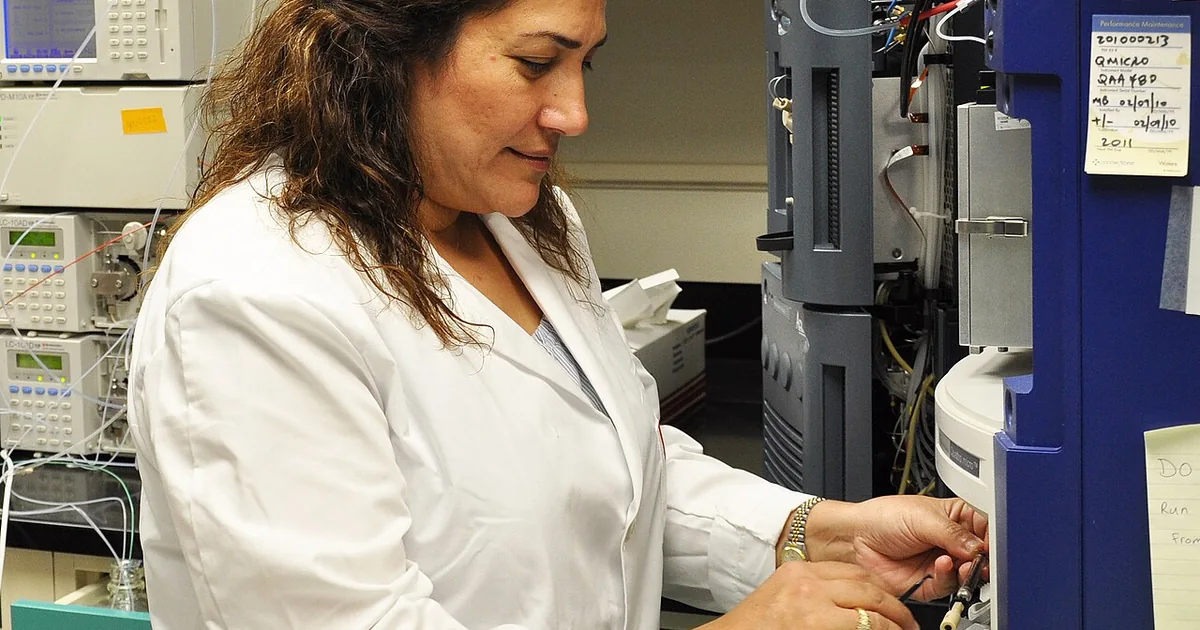
Photo: The U.S. Food and Drug Administration · License: Public domain · Cropped and resized. Preparing an initial IND: a clinical-start evidence matrix
FDA and ICH
An initial IND needs a coherent explanation of why the proposed human investigation is supported.
Published: — Sources checked:

Photo: Shixart1985 · License: CC BY 2.0 · Cropped and resized. IND protocol amendments: from impact assessment to implementation
FDA and ICH
Issuing a revised protocol does not show that every site has implemented it.
Published: — Sources checked:
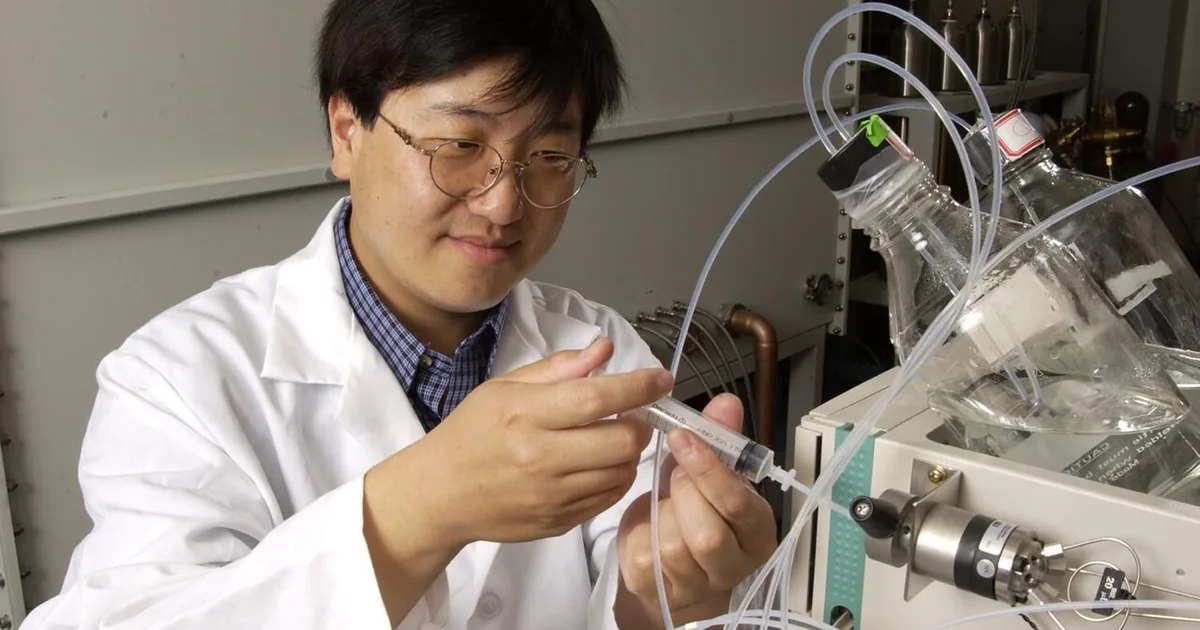
Photo: U.S. Department of Energy from United States · License: Public domain · Cropped and resized. IND annual reports: reconciling study progress
FDA and ICH
An IND annual report needs consistent study status, participant counts, safety information and forward planning.
Published: — Sources checked:
Photo: National Institute of Allergy and Infectious Diseases · License: Public domain · Cropped and resized. IND safety reporting: documenting reportability decisions
FDA and ICH
Automatically routing every serious adverse event through the same external reporting pathway can obscure useful safety information.
Published: — Sources checked:
Photo: U.S. Air Force photo by Airman 1st Class Madeline Herzog · License: Public domain · Cropped and resized. Responding to an FDA clinical hold: an evidence matrix
FDA and ICH
A clinical hold response should explain how each FDA concern has been addressed and what changed to protect participants.
Published: — Sources checked:
Photo: U.S. Air Force photo by Airman 1st Class Madeline Herzog · License: Public domain · Cropped and resized. Pre-IND briefing packages: questions that support decisions
FDA and ICH
The value of a pre-IND interaction depends on answerable scientific questions.
Published: — Sources checked:
Photo: National Institute of Standards and Technology · License: Public domain · Cropped and resized. FDA IRB continuing review: preventing approval gaps
FDA and ICH
A continuing-review calendar needs more than the date a progress report was sent.
Published: — Sources checked:

Photo: Shixart1985 · License: CC BY 2.0 · Cropped and resized. Validating eConsent: the process beyond the signature
FDA and ICH
Electronic consent requires more than displaying a form on a screen.
Published: — Sources checked:

Photo: National Center for Advancing Translational Sciences from Bethesda, MD · License: Public domain · Cropped and resized. Remote trial activities: mapping responsibilities by procedure
FDA and ICH
Adding home visits or telehealth does not automatically simplify trial responsibilities.
Published: — Sources checked:
Photo: National Institute of Allergy and Infectious Diseases · License: Public domain · Cropped and resized. 21 CFR Part 11 scope assessment: start with the record
FDA and ICH
A system’s electronic format does not make a product label an adequate Part 11 assessment.
Published: — Sources checked:
Photo: Department of Defense. American Forces Information Service. Defense Visual Information Center. 1994 · License: Public domain · Cropped and resized. Electronic signatures: controls from identity to record linkage
FDA and ICH
Reliable electronic signing depends on more than a signature image.
Published: — Sources checked:
Photo: U.S. Fish and Wildlife Service Southeast Region · License: Public domain · Cropped and resized. Controlled terminology: assessing the impact of version changes
FDA and ICH
A terminology decision reaches beyond downloading a dictionary.
Published: — Sources checked:
Photo: Scotted400 · License: CC BY 4.0 · Cropped and resized. SDTM mapping plans: from source concepts to review domains
FDA and ICH
An SDTM mapping plan should inform collection design rather than become a retrospective explanation after database lock.
Published: — Sources checked:
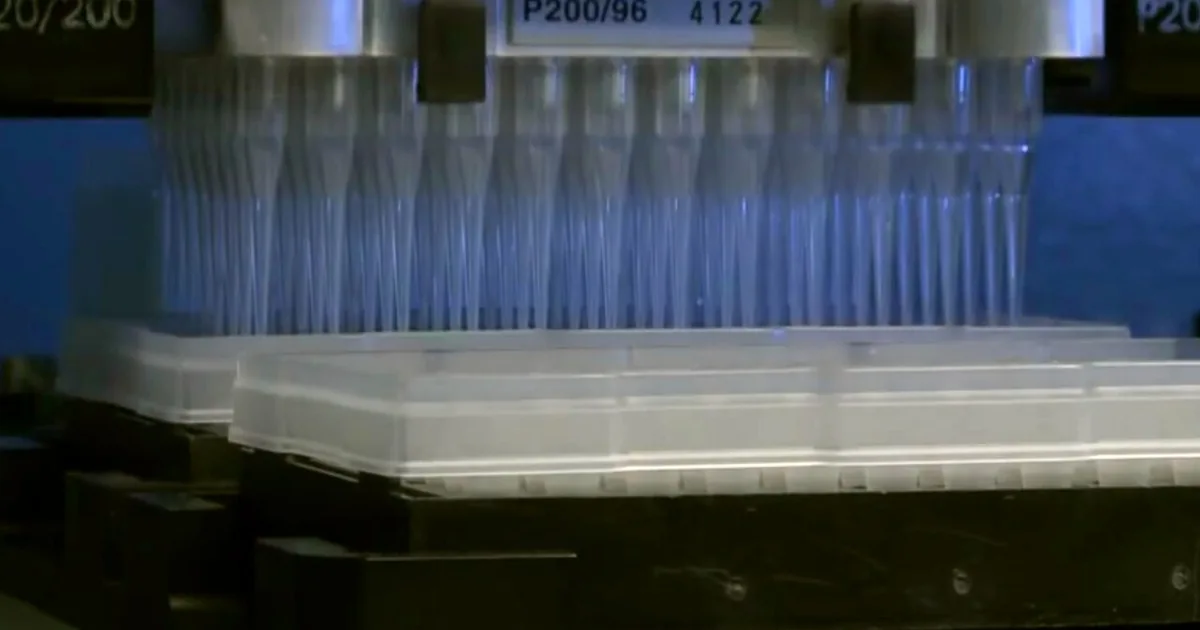
Photo: National Institute of Allergy and Infectious Diseases (NIAID) · License: Public domain · Cropped and resized. ADaM design: connecting analysis decisions to data structure
FDA and ICH
An analysis dataset should be more than an intermediate file produced by a statistical program.
Published: — Sources checked:
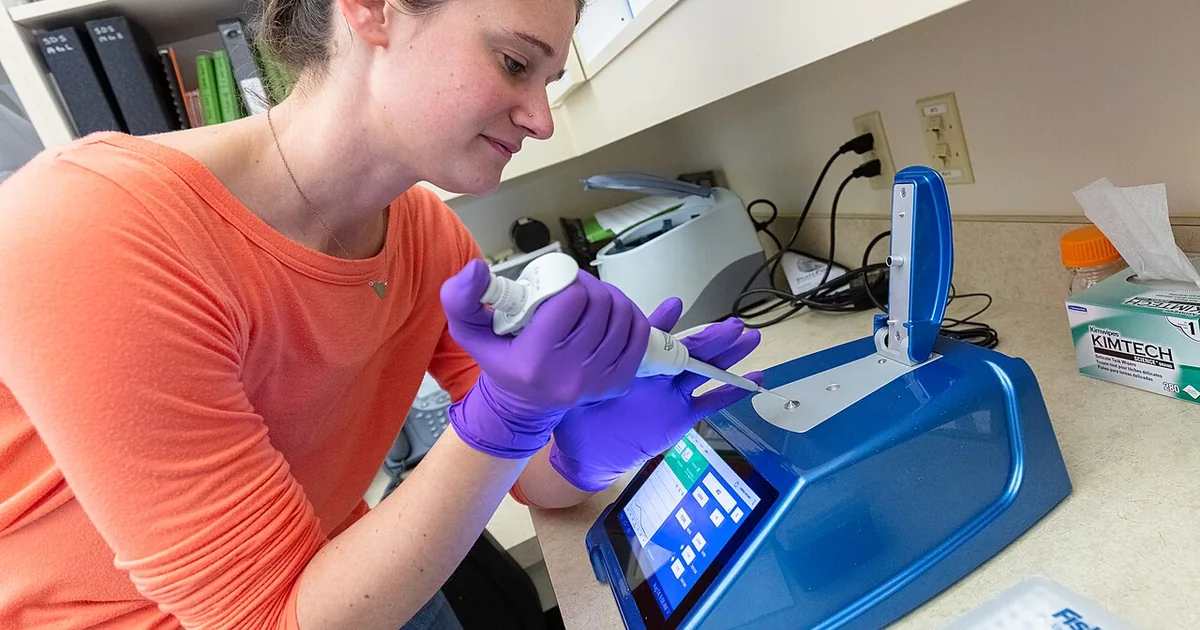
Photo: Yellowstone National Park; Jacob W. Frank · License: Public domain · Cropped and resized. Dataset traceability: from a reported result to source
FDA and ICH
Traceability requires more than matching numbers in filenames.
Published: — Sources checked:

Photo: NavyMedicine · License: Public domain · Cropped and resized. ICH E8(R1): running a critical-to-quality workshop
FDA and ICH
Critical-to-quality factors are not a new name for every operational risk.
Published: — Sources checked:

Photo: IAEA Imagebank · License: CC BY 2.0 · Cropped and resized. ICH E9(R1): translating estimand decisions into the protocol
FDA and ICH
Specifying a primary endpoint does not completely define the treatment effect of interest.
Published: — Sources checked:

Photo: Nenad Stojkovic · License: CC BY 2.0 · Cropped and resized. ICH E2A: documenting seriousness separately from severity
FDA and ICH
Using the same safety terms with different meanings can misdirect case handling.
Published: — Sources checked:

Photo: Photo Credit: James Gathany Content Providers(s): CDC · License: Public domain · Cropped and resized. ICH E2F DSUR: data cutoff and integrated safety review
FDA and ICH
Combining tables from different cutoffs can obscure the meaning of a DSUR.
Published: — Sources checked:
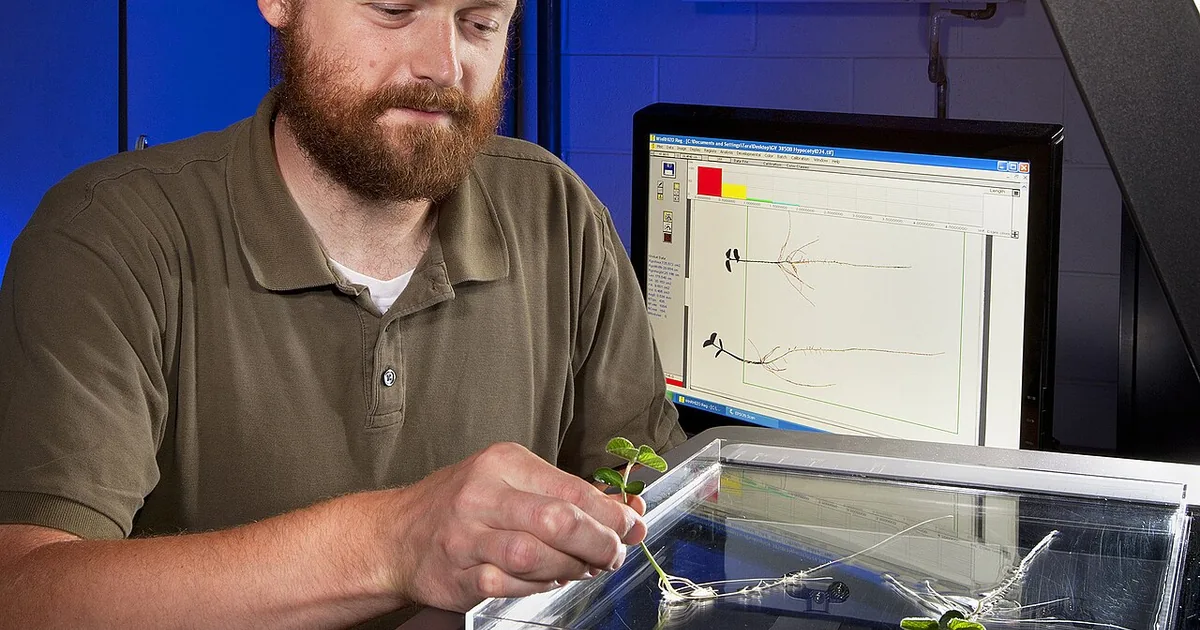
Photo: USDAgov · License: Public domain · Cropped and resized. ICH E3 clinical study reports: a claim-to-evidence matrix
FDA and ICH
A table’s presence in a clinical study report does not show that the narrative describes it correctly.
Published: — Sources checked:
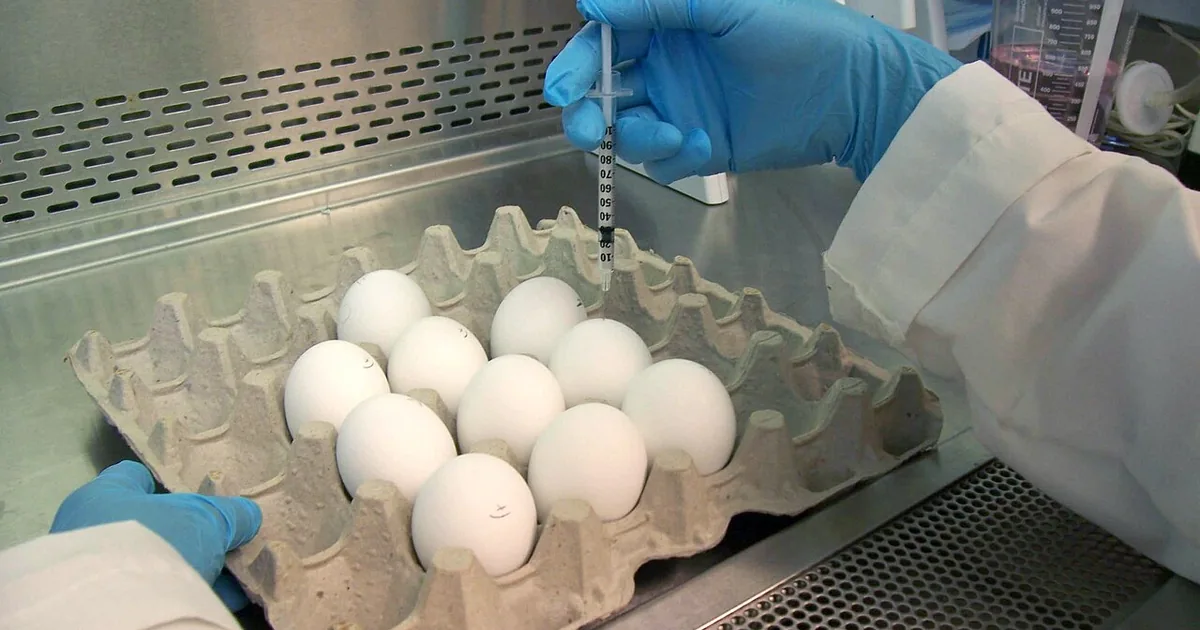
Photo: The U.S. Food and Drug Administration · License: Public domain · Cropped and resized. ICH E10 control groups: justification and assay sensitivity
FDA and ICH
A control group needs a stronger rationale than convenience or customary use.
Published: — Sources checked:

Photo: Goleisureintl · License: CC BY 4.0 · Cropped and resized. ICH E17: design assumptions for multiregional trials
FDA and ICH
A multiregional plan needs more than participant quotas assigned to countries.
Published: — Sources checked:

Photo: John Keith (Photographer) · License: Public domain · Cropped and resized. ICH E19: boundaries of selective safety data collection
FDA and ICH
Reducing safety collection requires a scientific explanation of what will be collected and why.
Published: — Sources checked:

Photo: Koidres · License: CC BY 4.0 · Cropped and resized. eTMF Essential Records: Build a Location and Ownership Map
Clinical Operations and Quality
An eTMF completeness percentage can hide missing evidence when the expected records list is wrong. Start with the decisions and activities that must be.
Published: — Sources checked:

Photo: Nenad Stojkovic · License: CC BY 2.0 · Cropped and resized. CTMS Scope: Separate Tracking from Authoritative Records
Clinical Operations and Quality
A CTMS can coordinate milestones, visits and issues, but unreliable ownership turns it into a second version of every spreadsheet. Define which decisions.
Published: — Sources checked:
Photo: Stephane Lesbats / IFREMER · License: CC BY 4.0 · Cropped and resized. EDC Build and UAT: Demonstrate Critical Workflows
Clinical Operations and Quality
EDC acceptance should demonstrate that the configured study supports real users and meaningful data decisions. Screenshots of successful entry cannot show.
Published: — Sources checked:
Photo: Seattle Municipal Archives from Seattle, WA · License: CC BY 2.0 · Cropped and resized. Clinical Query Triage: Prioritise Impact and Clear Questions
Clinical Operations and Quality
A large query backlog is not a single problem. Separate questions affecting safety review, eligibility or endpoint interpretation from routine formatting.
Published: — Sources checked:
Photo: K. Aken, CSIRO · License: CC BY 3.0 · Cropped and resized. Data Cleaning: Reconcile the Records Between Systems
Clinical Operations and Quality
Data cleaning within an EDC does not establish agreement with laboratory, safety or randomisation records. Reconciliation needs a defined population,.
Published: — Sources checked:

Photo: Linda Bartlett (Photographer) · License: Public domain · Cropped and resized. Database Lock Readiness: Make the Decision Reproducible
Clinical Operations and Quality
A database lock date is a planning milestone, not evidence that the study data are ready. The lock decision should state exactly which data cut, unresolved.
Published: — Sources checked:
Photo: Frankincense Diala · License: CC0 · Cropped and resized. Blinded Access: Map Every Route to Treatment Information
Clinical Operations and Quality
A blinded role in the EDC does not protect a study if treatment information appears in exports, support tickets or shared folders. Review the complete.
Published: — Sources checked:

Photo: USDAgov · License: Public domain · Cropped and resized. Central Monitoring Signals: Turn Outliers into Decisions
Clinical Operations and Quality
A central monitoring alert identifies a question; it does not establish misconduct or a protocol deviation. Review data maturity, denominators and site.
Published: — Sources checked:
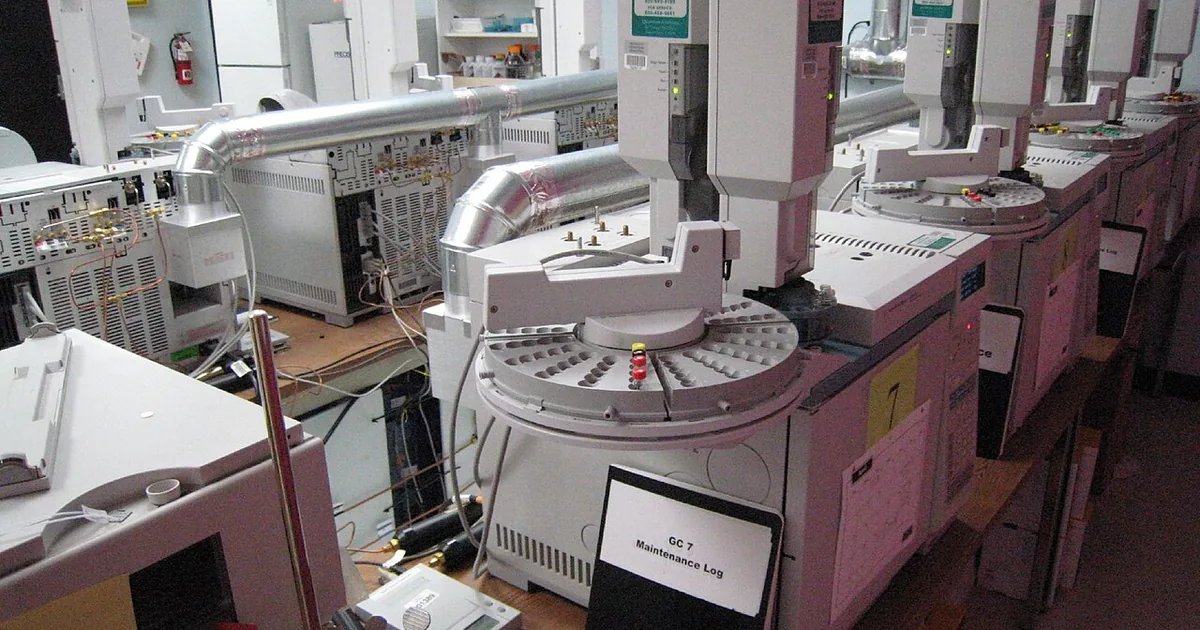
Photo: Hey Paul from Sacramento, CA, USA · License: CC BY 2.0 · Cropped and resized. A Monitoring Plan That Follows the Protocol Risk
Clinical Operations and Quality
A usable monitoring plan tells reviewers what matters, which evidence to examine and when to change the approach. A calendar of visits alone cannot explain.
Published: — Sources checked:

Photo: Unknown photographer · License: Public domain · Cropped and resized. Source Access and Targeted SDV: Resolve Practical Boundaries
Clinical Operations and Quality
Source data verification requires both a justified review scope and workable access. Agree the source location, authorised viewer and privacy arrangements.
Published: — Sources checked:
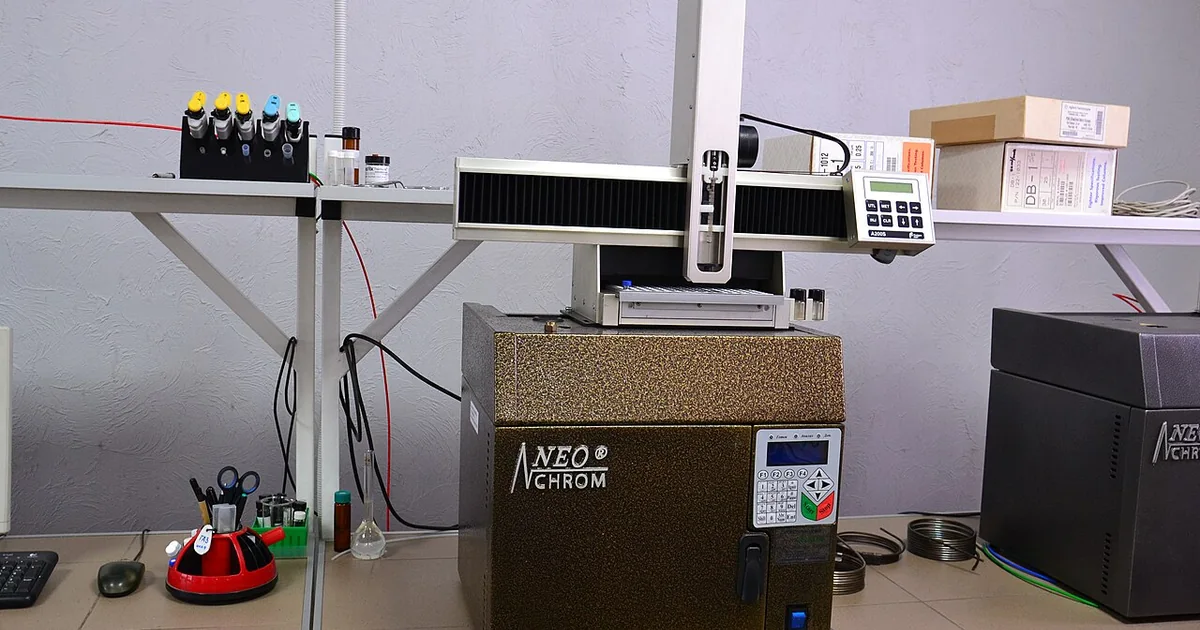
Photo: NeoLyo89 · License: CC BY 4.0 · Cropped and resized. Audit Readiness: Rehearse Evidence Retrieval During the Study
Clinical Operations and Quality
Audit readiness improves when teams can reconstruct ordinary decisions while a study is running. Last-minute file collection often conceals missing context,.
Published: — Sources checked:
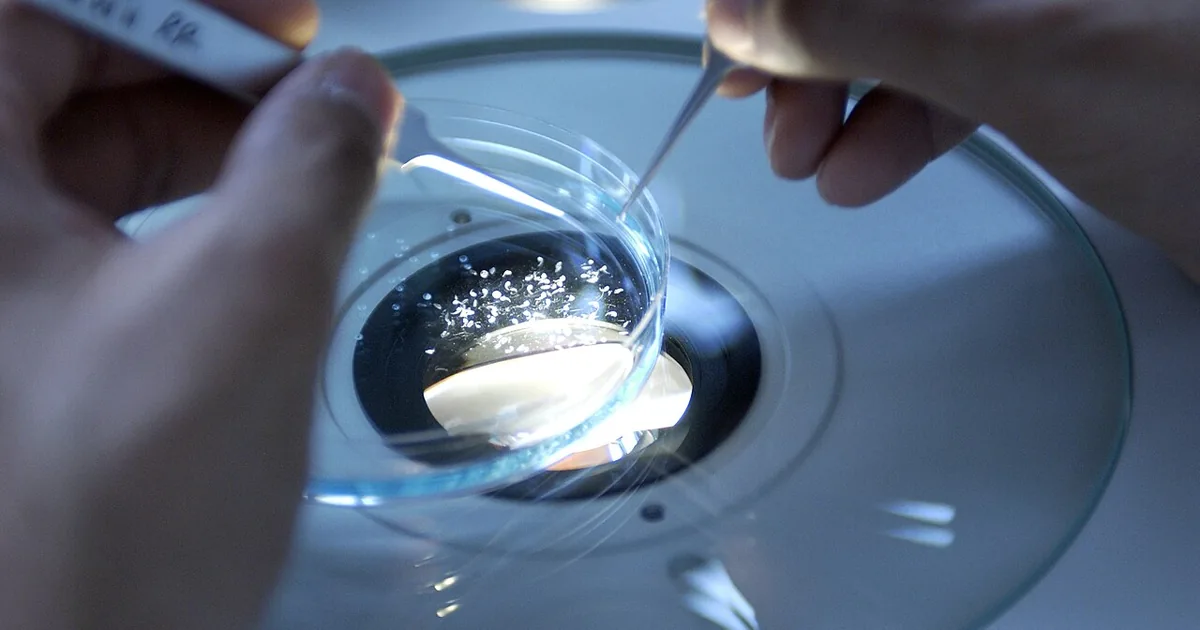
Photo: Bill Branson (Photographer) · License: Public domain · Cropped and resized. Root Cause and CAPA: Test Whether the Failure Can Recur
Clinical Operations and Quality
A CAPA that ends with retraining may leave the mechanism of failure untouched. Begin by separating the immediate correction, the cause investigation and the.
Published: — Sources checked:
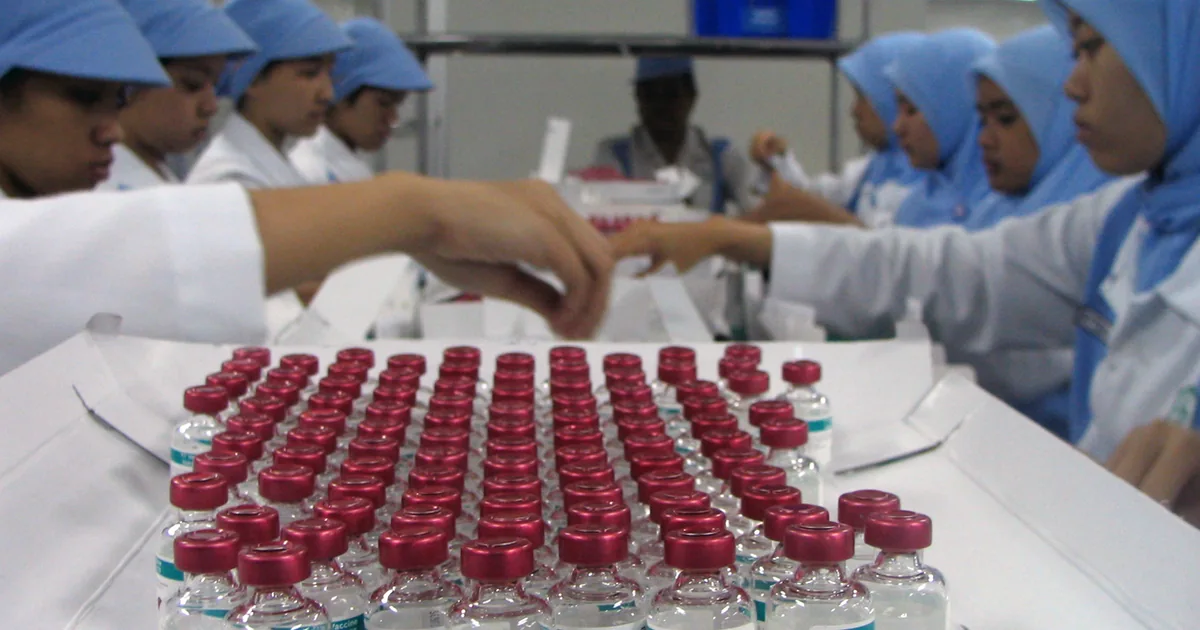
Photo: Ümit Kartoğlu for VOA · License: Public domain · Cropped and resized. Vendor Qualification: Evaluate the Service You Will Use
Clinical Operations and Quality
A vendor certificate or impressive presentation cannot establish suitability for every clinical service. Qualification should examine the intended task, the.
Published: — Sources checked:

Photo: Oak Ridge National Laboratory · License: CC BY 2.0 · Cropped and resized. Clinical Vendor SLAs: Make Failure and Escalation Measurable
Clinical Operations and Quality
A service level agreement is useful only when both parties can tell whether the service met its promise. Define the start, end and exclusions of each clock.
Published: — Sources checked:
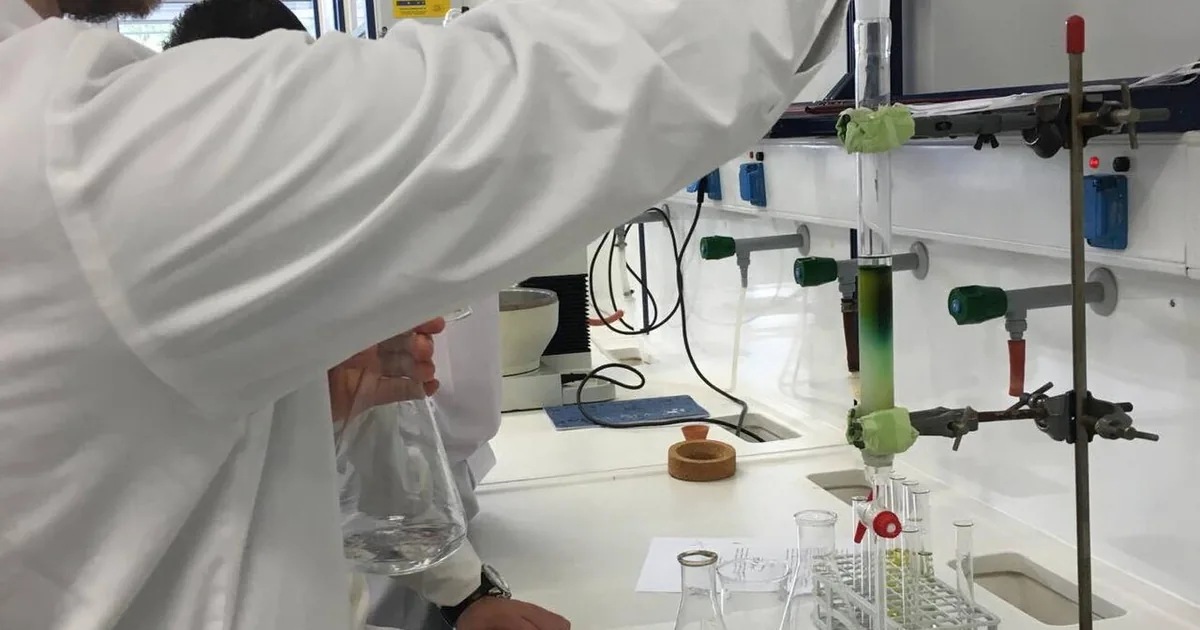
Photo: Kostasmes95 · License: CC BY 4.0 · Cropped and resized. Clinical System Access: Review Roles, Transfers and Leavers
Clinical Operations and Quality
User access drifts as teams change roles, cover absences or leave a project. Reviewing the current account list against actual responsibilities is more.
Published: — Sources checked:
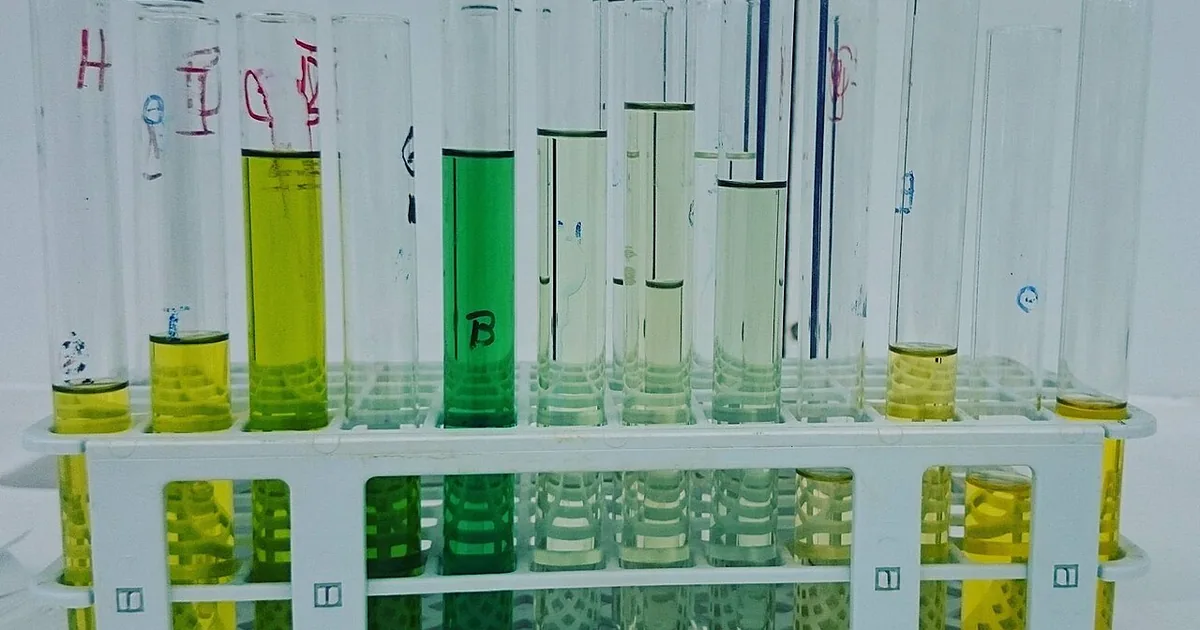
Photo: Kostasmes95 · License: CC BY 4.0 · Cropped and resized. Clinical Backups: Demonstrate Restoration, Not Just Job Success
Clinical Operations and Quality
A successful backup notification shows that a scheduled job completed. It does not establish that study records can be restored with their context,.
Published: — Sources checked:
Photo: Thomas Bresson · License: CC BY 4.0 · Cropped and resized. Site Feasibility: Test Capacity Behind Recruitment Estimates
Clinical Operations and Quality
An enthusiastic recruitment estimate is only one input to site selection. A practical feasibility review tests whether the protocol can be delivered with.
Published: — Sources checked:
Photo: Magnus Manske · License: CC BY 1.0 · Cropped and resized. Visit Readiness: Link Equipment Status to the Assessment
Clinical Operations and Quality
A visit can appear scheduled while the equipment needed for a valid assessment is unavailable or outside its approved status. Readiness should connect the.
Published: — Sources checked:
Photo: U.S. Air Force photo by Airman 1st Class Madeline Herzog · License: Public domain · Cropped and resized. Laboratory Sample Handoffs: Reconcile Custody and Data
Clinical Operations and Quality
Sample handling fails most often at boundaries between collection, courier, receipt and analysis. A handoff record should explain what moved, when, under.
Published: — Sources checked:

Photo: Belikov Maxim · License: CC BY 4.0 · Cropped and resized. CSR Data Handover: Preserve the Path from Results to Report
Clinical Operations and Quality
Medical writers need more than tables to prepare a coherent clinical study report. A controlled handover connects analysis outputs with the study.
Published: — Sources checked:
Photo: U.S. Air Force photo by Airman 1st Class Madeline Herzog · License: Public domain · Cropped and resized. Site Closeout: Separate Visit Completion from Resolved Obligations
Clinical Operations and Quality
A completed closeout visit does not mean all site responsibilities have ended. Closeout needs evidence that outstanding data, materials, records and.
Published: — Sources checked:
Photo: Romainbehar · License: CC0 · Cropped and resized. Study Archive Retrieval: Test Readability Before System Exit
Clinical Operations and Quality
Long-term retention is useful only if authorised people can find and interpret the retained records. Plan archive retrieval before terminating a platform.
Published: — Sources checked:

Photo: Esculab · License: CC0 · Cropped and resized. Choosing a CRO in Türkiye: A 2026 Guide for Clinical Trials
CRO and Clinical Operations
Assess clinical operations, TİTCK and ethics experience, feasibility, quality, data management and contracts when choosing a CRO in Türkiye.
Published:


This guide provides general information for study planning. Before submitting, verify current official sources and study-specific requirements with the relevant authority.