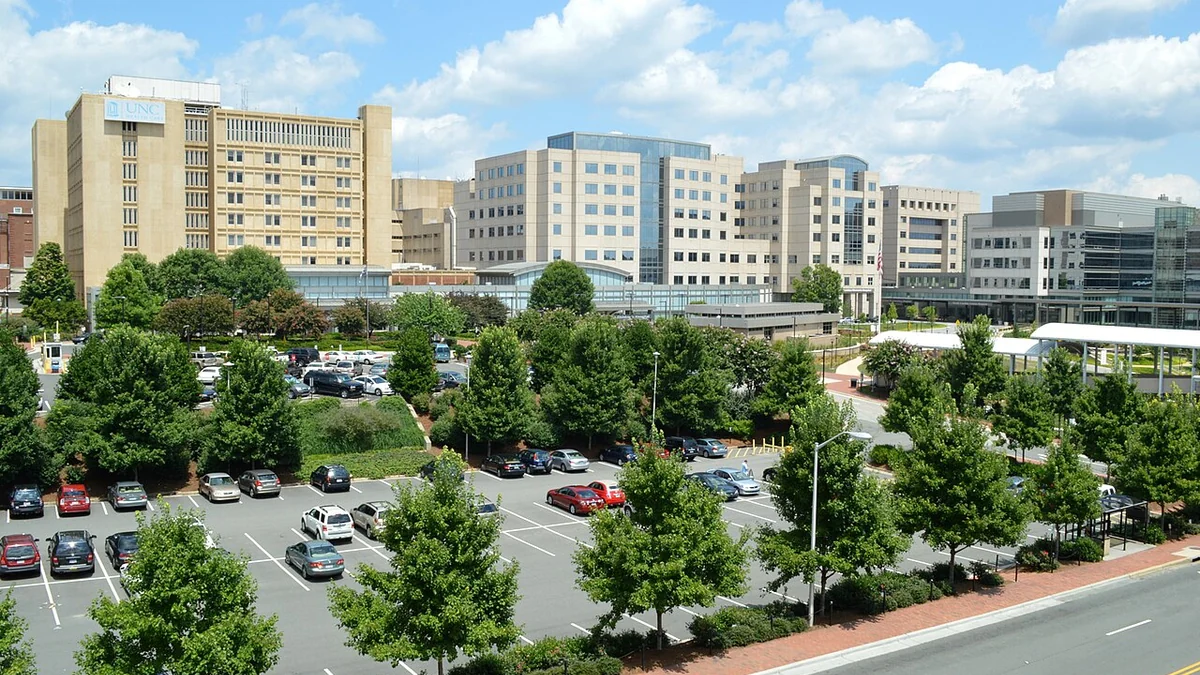
Investigator & therapeutic-area fit
Relevant study experience, referral pathways, protocol procedures and competing-study context are assessed against the programme.
CliniGA turns a protocol into a documented view of site fit, patient-population assumptions and operational readiness. Candidate sites and partners are assessed per study; availability, capacity and scope are confirmed before they enter a sponsor recommendation.
Illustrative study workflow
Every stage has a defined output. Patient-pool figures, capacity and timelines remain assumptions until their evidence and study-specific conditions are documented.
Population, endpoints, visit burden, timelines, specialist procedures and country assumptions are captured in one controlled brief.
Output: protocol assumptions and open-questions log.
The target geography, therapeutic-area requirements and patient-population estimation method are defined before sites are compared.
Output: documented search frame and estimation method.
Candidate sites and qualified partners are assessed across people, start-up, pharmacy, laboratory, technology, safety and privacy domains.
Output: evidence-linked readiness matrix.
Strengths, dependencies and gaps are compared transparently; optimistic assumptions are challenged and kept visible.
Output: site scorecard and risk register.
The recommendation, oversight model, proposed KPIs and next actions are assembled for sponsor review and decision.
Output: feasibility package and workplan.
A site is not reduced to one recruitment number. The recommendation shows what is evidenced, what depends on follow-up and which gaps need mitigation.
Relevant study experience, referral pathways, protocol procedures and competing-study context are assessed against the programme.
The source, time window, diagnosis pathway, eligibility filters and uncertainty behind every estimate are documented.
Coordinator, investigator, pharmacy, laboratory and supporting-team availability is assessed with delegation and back-up needs.
Ethics and authority inputs, institutional approvals, CDA/CTA/budget dependencies and escalation ownership are mapped.
Receipt, accountability, storage, dispensing, return and excursion responsibilities are checked against protocol needs.
Pre-analytics, collection, processing, storage, transport, central-lab interfaces and bioinformatics dependencies are evaluated.
EDC, IWRS, ePRO/eCOA, eTMF, access control, connectivity, source-data and support requirements are confirmed.
Emergency coverage, SAE escalation, specialist referrals and continuity arrangements are documented before activation.
Consent, GDPR/KVKK, registry, patient-facing material and approved engagement boundaries are assessed for the intended use.
Protocol equipment, calibration evidence, controlled storage, environmental monitoring and contingency needs are checked.
These pathways are feasibility and coordination services scoped per project. They do not imply owned facilities, automatic partner availability, certification or regulatory approval.
A higher-control feasibility pathway for complex early-phase, cell, gene, exosome or biosimilar programmes.
CliniGA can qualify partner laboratories and coordinate the sample lifecycle; laboratory ownership or test availability is never assumed.
Feasibility may include patient-journey, registry and PRO/ePRO readiness with clearly separated awareness and recruitment roles.
Qualified partners can be assessed for the defined programme; CliniGA does not present partner facilities or certifications as its own.
Ethical patient engagement
Patient organisations may support awareness, patient-journey mapping, registries and PRO/ePRO projects, but they are not recruitment agencies. Recruitment proceeds only through approved sites and applicable ethics, consent, GDPR and KVKK processes.
Participant protection first
Roles, materials, data flows and escalation routes are reviewed before any patient-facing activity is proposed.
Findings are traceable to the defined protocol scope and presented without exposing investigator, patient or confidential partner information.
Protocol assumptions and open-questions log
Anonymised capability summary
Evidence-linked site scorecard
Gap, dependency and risk register
Proposed oversight, KPI and escalation plan
Decision-ready next-step workplan
No. Site availability, patient-population estimates and recruitment assumptions are confirmed for each protocol. Estimates retain their source, time window, filters and uncertainty.
No. CliniGA uses a scalable coordination model. Each candidate site and partner is contacted, assessed and qualified for the specific study before inclusion in a recommendation.
This service does not assume laboratory ownership. CliniGA defines requirements, qualifies suitable partner laboratories and coordinates interfaces when a central-laboratory or biomarker workflow is in scope.
Patient organisations may support awareness, patient-journey mapping, registries and PRO/ePRO projects. They are not recruitment agencies. Recruitment proceeds only through approved sites and applicable ethics, consent, GDPR and KVKK processes.
Potentially. Suitability depends on the protocol, participant-protection model, specialist capacity, product and sample handling, emergency coverage and qualified partners. These are assessed before scope is confirmed.
A decision-ready package containing stated assumptions, an anonymised capability summary, scorecards, gaps and risks, the proposed oversight and KPI model, and a practical next-step plan.
Share the synopsis, target population, study phase, key procedures and planned timeline. CliniGA will define the evidence questions and feasibility work package before contacting candidate sites or partners.