CliniGA CRO
CliniGA Integration Hub

Connect clinical services through one governed core

A modular architecture designed for clinical operations: existing systems remain in place, connectors are switched on independently, and CliniGA OS provides the identity, audit, workflow and oversight layer. This is an integration-ready foundation—not a claim that every connection is already live.

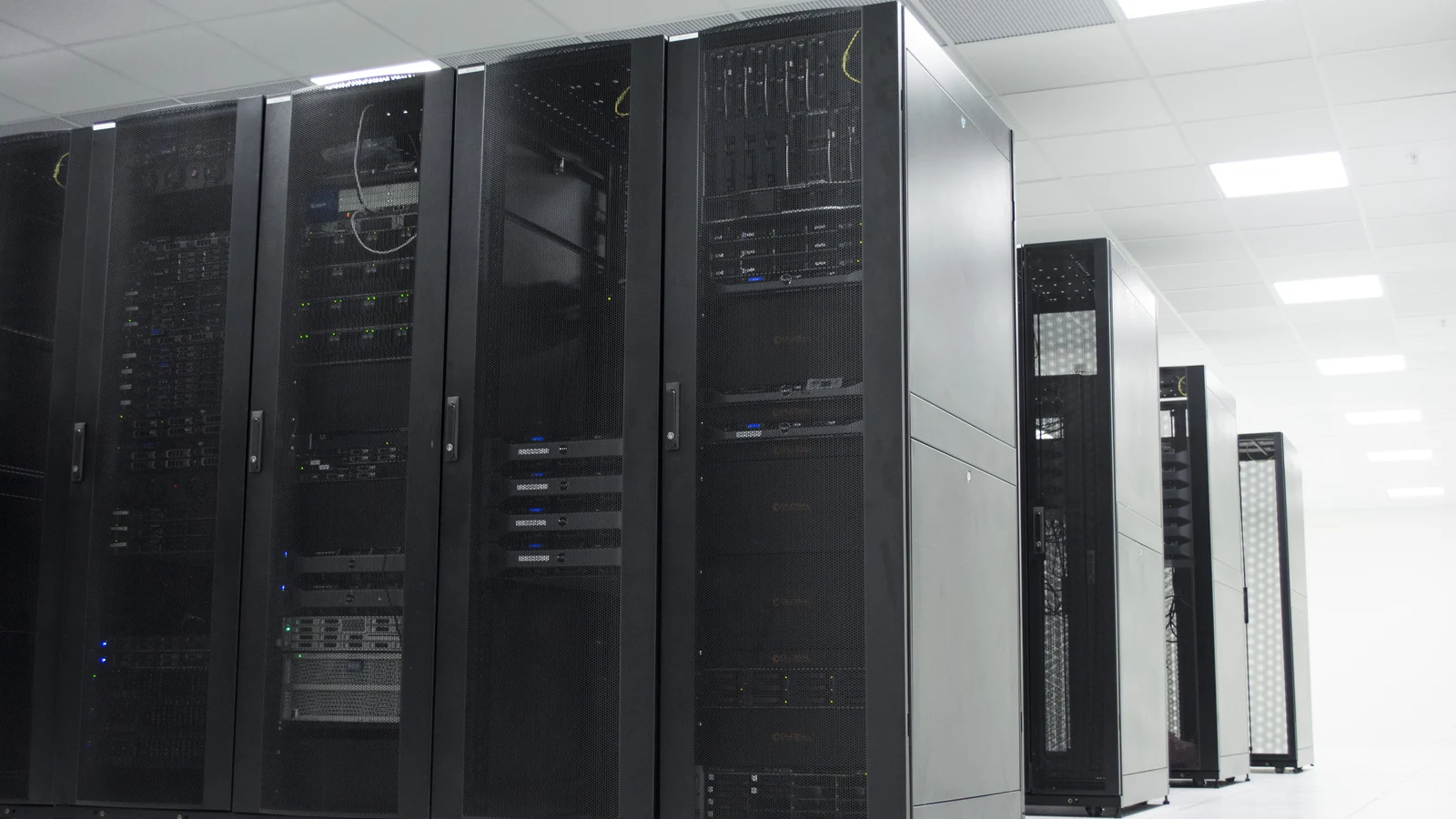
Illustrative photograph. Photo: Acirmandello · License: CC BY-SA 4.0 · Cropped and resized.
Advancing Research. Transforming Healthcare.

6

module families

15

connector definitions

5

native OS capabilities

0

public secrets or endpoints

Operating Model

Your systems remain; the integration layer makes them work together

The model connects approved systems rather than replacing them, while adding clinical quality, privacy and validation boundaries.

  1. Layer 1

    Systems stay in place

    CTMS, EDC, eTMF, LIMS, ERP, IoT and vendor platforms remain systems of record.

  2. Layer 2

    Connection layer

    Approved APIs, webhooks, SFTP, exports and protocol adapters are enabled per connector.

  3. Layer 3

    CliniGA core

    Identity, RBAC, mapping, audit events, scheduled jobs, reconciliation and oversight.

  4. Layer 4

    Modular services

    Clinical, site, laboratory, equipment, quality, regulatory and business modules activate independently.

  5. Layer 5

    One operational view

    Role-aware work queues, status, evidence and decisions without uncontrolled data duplication.

Connector Catalogue

Six module families, activated independently

Every card is backed by a typed connector definition with direction, patterns, data classes and activation gates. Status never means a vendor is live unless production evidence says so.

5 connectors

Clinical systems

Study planning, data capture, trial files, randomisation and participant-facing systems.

CTMS

bidirectional · REST API

Connector template ready

EDC / eCRF

bidirectional · REST API

Connector template ready

eTMF / eISF

bidirectional · REST API

Connector template ready

IRT / IWRS

inbound · REST API

Connector template ready

eConsent / ePRO

bidirectional · Vendor API

Vendor qualification
2 connectors

Sites & participants

Site intelligence, coordinator workbench, recruitment assumptions and approved engagement.

Site & vendor intelligence

inbound · Native CliniGA OS

CliniGA OS native

Site coordinator workbench

bidirectional · Native CliniGA OS

CliniGA OS native
2 connectors

Laboratory & logistics

LIMS, central laboratory, sample custody, courier events and reconciliation.

LIMS / central laboratory

bidirectional · REST API

Connector template ready

Courier & shipment

inbound · Carrier API

Connector template ready
1 connectors

Equipment & IoT

Environmental telemetry, calibration, maintenance, assets and service evidence.

Equipment & calibration register

bidirectional · Native CliniGA OS

CliniGA OS native
3 connectors

Quality & regulatory

QMS, SOP, CAPA, submissions, safety events and inspection-ready records.

QMS / SOP / CAPA

bidirectional · Native CliniGA OS

CliniGA OS native

Safety / pharmacovigilance

bidirectional · Vendor API

Connector template ready

Regulatory submissions

outbound · Approved export

Connector template ready
2 connectors

Business operations

CRM, proposals, contracts, budgets, procurement and controlled finance exports.

CRM & proposals

bidirectional · Native CliniGA OS

CliniGA OS native

ERP & finance

bidirectional · Vendor API

Connector template ready

Connection layer

A single control plane for every connector

The hub standardises how connectors are identified, mapped, monitored, changed and retired. System-specific logic stays inside its adapter; clinical workflows consume a stable contract.

Connector registry and version pinning

Schema validation and field mapping

Role-based access and service identities

Scheduled jobs, delta sync and idempotency

Retry, dead-letter and reconciliation handling

Audit events and operational observability

Environment separation and secret rotation

Change control, pilot evidence and rollback

Activation Contract

A connector moves through gates, not assumptions

The same lifecycle applies whether the system is an EDC, central laboratory, courier, ERP or IoT platform.

Define

Intended use, source system, owner, fields, direction and critical records.

Qualify

Security, privacy, licence, support, continuity and supplier evidence.

Pilot

Limited scope with measurable completeness, latency, retry and reconciliation criteria.

Control

Approval, monitoring, change control, rollback, periodic review and retirement.

FAQ

Before a connector is switched on

Does the Integration Hub replace CTMS, EDC, eTMF, LIMS or ERP platforms?

No. Systems of record remain in place. The hub provides a controlled connector, identity, mapping, workflow, audit and oversight layer around approved interfaces.

Can any vendor be connected immediately?

No. A connector requires supported interface documentation, data ownership, security and privacy review, mapping, acceptance criteria and a successful bounded pilot.

Where are API keys and production secrets stored?

Never in the public website or source code. Production credentials belong in an approved secret store with least-privilege access, rotation and environment separation.

Which data enters the hub?

Only fields required for the documented intended use. Operational metadata is preferred; personal, patient or clinical data requires additional necessity, lawful-basis, privacy and retention controls.

How is GxP relevance handled?

Applicability is assessed per record and intended use. Validation is risk-based and covers critical mappings, audit evidence, retries, reconciliation, access, change control and continued monitoring.

Map the systems you want to connect

Share the systems of record, vendors, workflows and data classes. CliniGA will build the connector map, define the activation gates and propose a controlled pilot.